

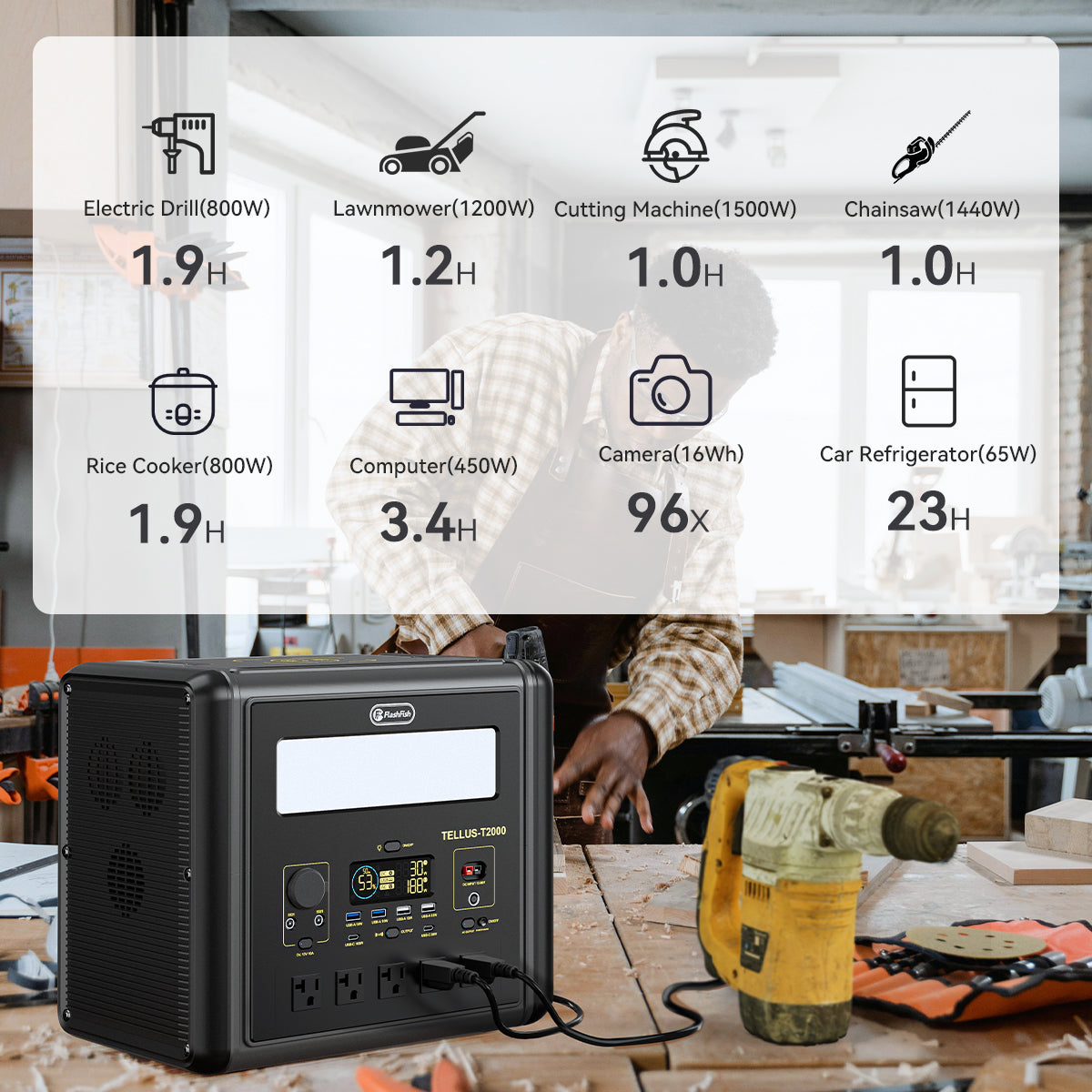
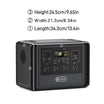
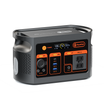
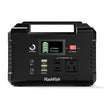

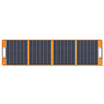
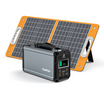
To return a borrowed portable power kit, match each station, charger, and cable to the original checkout record before sorting it by owner. Use item identifiers and existing photos, then mark every expected component as returned, missing, or identity unresolved. A similar-looking adapter is not a confirmed match. Keep ownership separate from electrical compatibility: knowing whose charger it is does not establish which station it can charge.
This method is for adults returning equipment borrowed from separate owners. It produces a component list for the handoff, rather than a charging test or a judgment about who owes money.
Start with the record of what actually left
Bring together the checkout list, existing exterior photos, and any owner-assigned item tags. Work from the original list instead of counting everything in the returning bag and assuming it is complete. A bag can contain the right number of objects while still holding someone else's charger.
Give each expected item its own row. The station, wall adapter, car cable, and removable lead are separate items when they were checked out separately. Record an owner alias and a short item identifier; keep private label photos and full serial numbers out of any shared example or public post.
If there was no checkout record, start an unresolved inventory. Ask each owner to identify their items using existing records or photos. Do not rewrite an uncertain memory as a confirmed checkout list.
Use a component reconciliation table
The table below contains three hypothetical examples. The item tags and owner aliases are invented solely to show the method; they are not FlashFish accessory part numbers or observations from a real loan.
| Checkout item ID | Owner alias | Recorded model or accessory identity | Returned match | Missing item | Unresolved lookalike |
|---|---|---|---|---|---|
| Example 1: KIT-A-STATION | Owner A | A101 with owner tag visible in checkout photo | Same tag and exterior identifiers recorded | None for this row | None |
| Example 2: KIT-B-ADAPTER | Owner B | E200 loan's separately photographed adapter | No confirmed match | Original adapter remains unaccounted for | Returned adapter lacks the recorded identifier |
| Example 3: KIT-A-CABLE | Owner A | Car charging cable, photo reference A-C | No confirmed match | Expected cable not yet matched | Two similar cables need owner confirmation |
In the second and third rows, do not close the missing-item entry merely because another accessory is present. Record the unmatched object separately. That preserves both questions: where is the original item, and who owns the extra one?
Match identity before deciding where an item belongs
- Find the checkout row. Read the owner alias, model, tag, and photo reference together.
- Compare existing identifiers. Use exterior markings and the recorded distinguishing details. A matching color or plug shape alone is insufficient.
- Assign a status. Use returned only for a documented match. Otherwise retain missing or identity unresolved, with a short explanation.
- Keep exceptions visible. Record an unexpected accessory as an extra item, without silently assigning it to the nearest station.
- Have the owner review the handoff list. Record what was confirmed and what still needs evidence.
Keep the process administrative. Do not connect an unidentified adapter to find out which station it belongs to. FlashFish's U.S. User Guides requires checking the exact model's charging limits, connector, and polarity before connecting accessories. A checkout photo can establish custody; it cannot replace those electrical checks.
What the A101 and E200 package descriptions establish
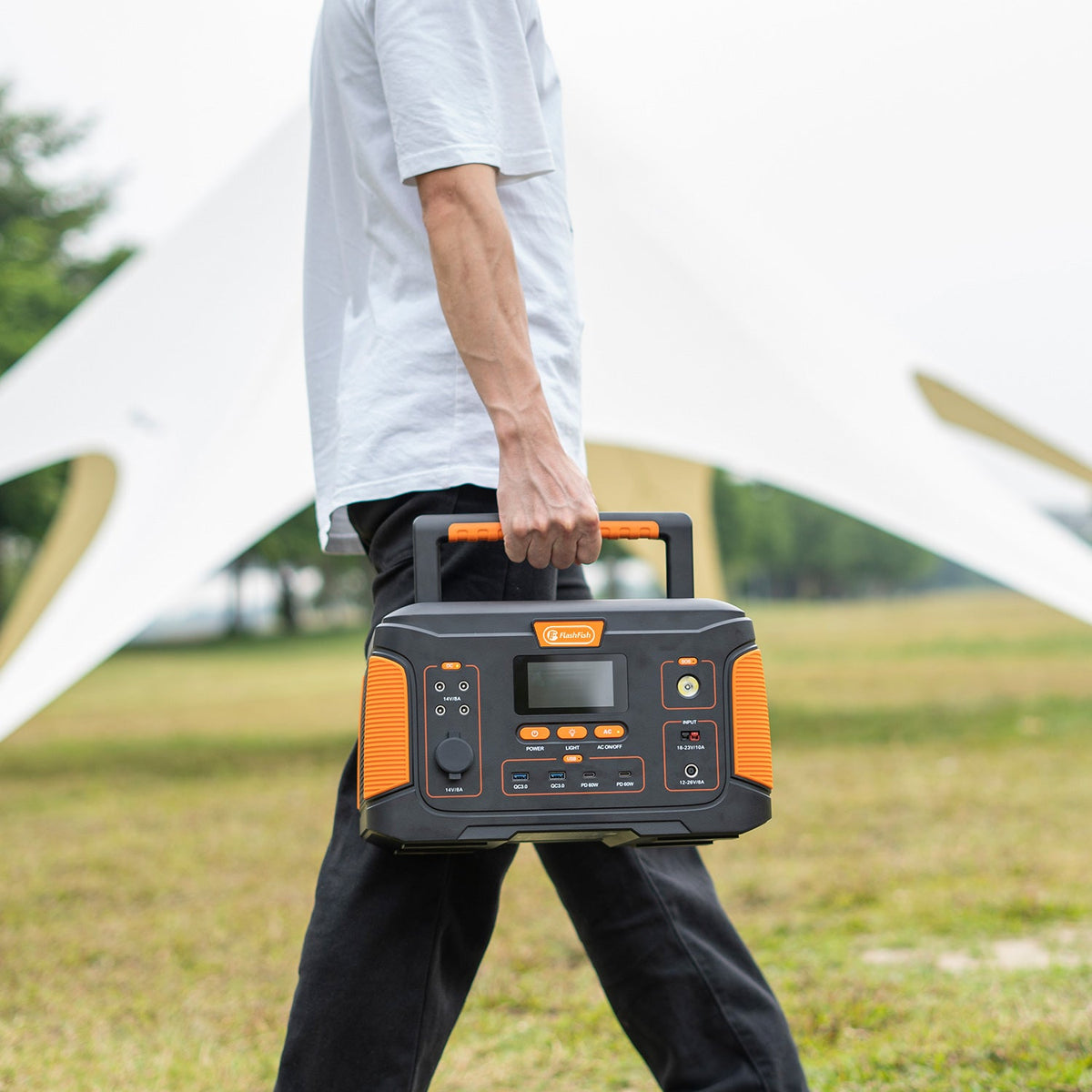
The documented A101 package contains a portable power station, car charging cable, AC power adapter, and user manual. The E200 package description lists a portable solar generator, power adapter, cigarette lighter adapter, car charger, and user manual. These generic package descriptions do not verify the inventory of the particular kit you borrowed.
Use those records to spot a question worth asking, such as whether an adapter was included in the loan. Do not add an item to the checkout list just because it appears in a model's package record. Likewise, those generic accessory names do not identify an exact replacement part or authorize swapping A101 and E200 chargers.
If you are considering either model for a future shared kit, first check its exact regional version, documented accessories, and how you will label each loose component. The useful fit question here is whether you can maintain an identifiable kit, not whether the two models share chargers.
Close the handoff with exceptions intact
Count confirmed returned rows, expected rows still missing, and extra or unidentified objects separately. Do not force the totals to balance by treating a lookalike as a replacement. Retain the original checkout record and append the check-in result so the history remains readable.
A returned item is not automatically tested, charged, or ready for reuse. Keep condition comments separate from identity status. If a component's pairing is unclear, obtain the exact accessory instructions and owner confirmation before any later use.
Frequently asked questions
Can I return a different charger that has the same plug?
Do not mark it as the original item based on the plug. Record it as an unmatched accessory and keep the expected charger unresolved. Any proposed replacement needs a separate owner decision and exact-model documentation; the inventory worksheet does not establish electrical suitability.
Does the package list prove a cable was borrowed?
No. A model's package record describes documented package contents, while the checkout list records what changed hands. Use the loan record to reconcile the return. If that record is incomplete, preserve the uncertainty and ask the owner rather than inferring that every package item was loaned.
What should I do if the owner cannot identify an adapter?
Leave it identity unresolved and keep its details separate from confirmed matches. Request an existing photo, purchase accessory record, or exact part identification. Do not use a charging attempt as an identification method or report an uncertain match as complete.
Make the next loan easier
Finish today's return with a dated list of confirmed items and open exceptions. For the next kit, record each loose component before it leaves. Once accessory identity and the exact regional model are settled, compare the relevant FlashFish model details and documented package contents before deciding what to buy or borrow.
For the broader purchase decision, see the camping power station selection guide. Keep equipment selection separate from reconciling a particular loan.
Next step: Compare FlashFish A101 specifications with your equipment list.


Hinterlasse einen Kommentar
Diese Website ist durch hCaptcha geschützt und es gelten die allgemeinen Geschäftsbedingungen und Datenschutzbestimmungen von hCaptcha.