


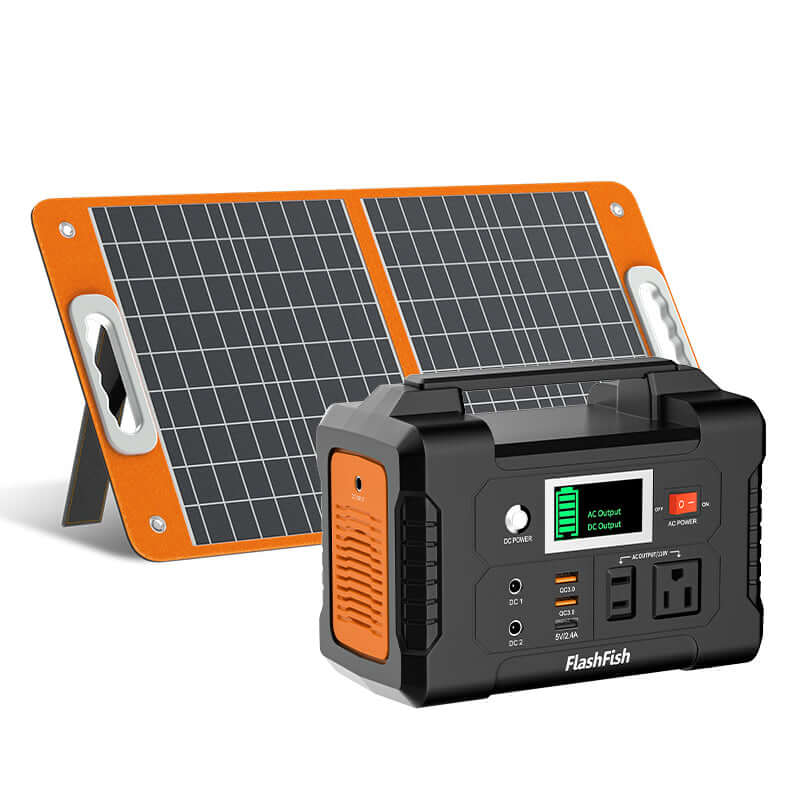
Short answer: A portable solar panel works best in direct outdoor sunlight and may charge poorly or unreliably through a window or in shade. Glass, shadows, sun angle, weather, and the power station input limit all affect charging. FlashFish TSP60 and TSP100 panels should be planned around direct sun and compatible station input, not indoor window charging as the baseline.
This question matters because many first-time solar-generator buyers picture a panel sitting inside an apartment window or behind a screen on a shaded porch. That setup may produce some power in certain conditions, but it is not the right planning assumption for keeping a power station charged.
Why window charging is unreliable
Portable panels are designed around sunlight reaching the panel face. A window can reduce the usable light, change the angle, add reflections, and place the panel in a hotter or less direct location. Even when light looks bright to the eye, the panel may receive much less useful solar energy than it would outdoors in direct sun.
Window charging also creates a positioning problem. The best panel angle changes with the sun, while an indoor window is fixed. If the panel is behind glass, curtains, screens, balcony rails, or nearby buildings, the available charging window can be short and inconsistent.
Shade and partial shade
Shade is not just a small inconvenience. Partial shade can reduce practical output because part of the panel is not receiving direct light. Trees, rooflines, vehicles, balcony rails, poles, and nearby tents can all create moving shade during the day.
Do not plan around exact shade-loss percentages unless the specific test setup is sourced and comparable. For a buyer, the safer rule is simpler: if the panel cannot face direct sun for a useful part of the day, solar charging will be slower and less predictable.
Weather and seasonal limits
Clouds, low sun angle, short winter days, and storms all change the amount of sunlight available to a portable solar panel. The U.S. Department of Energy explains solar radiation in terms of sunlight reaching a surface, and that surface angle and local conditions matter. For portable-panel users, that means placement and weather are part of the system, not afterthoughts.
This is why a solar panel should be treated as a daytime recovery tool, not a guaranteed recharge promise. A panel can help a power station recover energy when conditions are good, but it cannot create the same result in every apartment, campsite, season, or storm.
FlashFish panel facts
| Panel | Verified facts | Planning note |
|---|---|---|
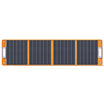
| FlashFish TSP60 | 60W foldable monocrystalline panel; 18V, 3.34A DC output; 1.9kg | Best treated as a compact direct-sun panel for small-station top-ups. |
| FlashFish TSP100 | 100W foldable monocrystalline panel; 18V, 5.6A DC output; 2.8kg | Gives more panel headroom, but still depends on direct sunlight and station input compatibility. |
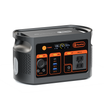
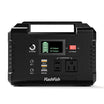
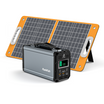
The FlashFish product database says solar conversion depends on direct sunlight angle, temperature, weather, and charging time. It also says the solar panel cannot store power; it converts sunlight to electricity. The power station stores the energy, so the panel and station need to be planned together.
Better setup checklist
- Place the panel outdoors where the front side can face direct sun.
- Reposition the panel when practical as the sun angle changes.
- Keep the panel away from deep shade, window glass, screens, and blocked sunlight.
- Check the power station's input voltage, current, connector, and maximum input rating.
- Protect the panel and cables from unsafe wet conditions, heat sources, foot traffic, and strain.
- Do not expect the panel to store energy without a power station or other compatible storage device.
When FlashFish solar panels fit
FlashFish portable solar panels fit best when the user has outdoor access and a realistic top-up plan: camping in open sun, yard charging, driveway or patio placement, or a balcony that receives direct sun and allows safe placement. They also fit buyers who understand that station input limits matter as much as panel wattage.
The TSP60 is better for compact setups and smaller stations. The TSP100 is better when the station can accept more input and the user wants additional solar headroom.
When a portable panel may not fit
A portable solar panel may be a poor match when the buyer can only charge indoors, has a heavily shaded apartment, cannot place a panel safely outside, or needs guaranteed outage charging. It may also disappoint users who expect full rated output through a window or under cloudy, blocked, or winter conditions.
Related portable solar-panel guides
Use these current FlashFish pages and guides to continue your comparison:
- Browse current FlashFish portable solar panels
- Review portable solar-panel use on cloudy days
- Set up a portable solar panel at a campsite
FAQ
Can a portable solar panel charge a power station through a window?
It may produce limited power in some situations, but it should not be the planning baseline. Direct outdoor sunlight is the more reliable setup for portable solar charging.
Can a solar panel charge in partial shade?
It may still produce some power, but partial shade can reduce practical output. Avoid exact output expectations unless the setup has been tested under comparable conditions.
Do portable solar panels work on cloudy days?
They can work with reduced output, but clouds and low sun make charging slower and less predictable. Plan for direct sun when sizing a kit.
Does a portable solar panel store power by itself?
No. The FlashFish product database states that the panel converts sunlight to electricity and cannot store power. A compatible power station is what stores energy.
What should I check before using a solar panel with a power station?
Check panel output, station input voltage and current limits, connector type, maximum input wattage, outdoor placement, and whether your expected charging location gets direct sun.

Hinterlasse einen Kommentar
Diese Website ist durch hCaptcha geschützt und es gelten die allgemeinen Geschäftsbedingungen und Datenschutzbestimmungen von hCaptcha.