


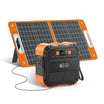
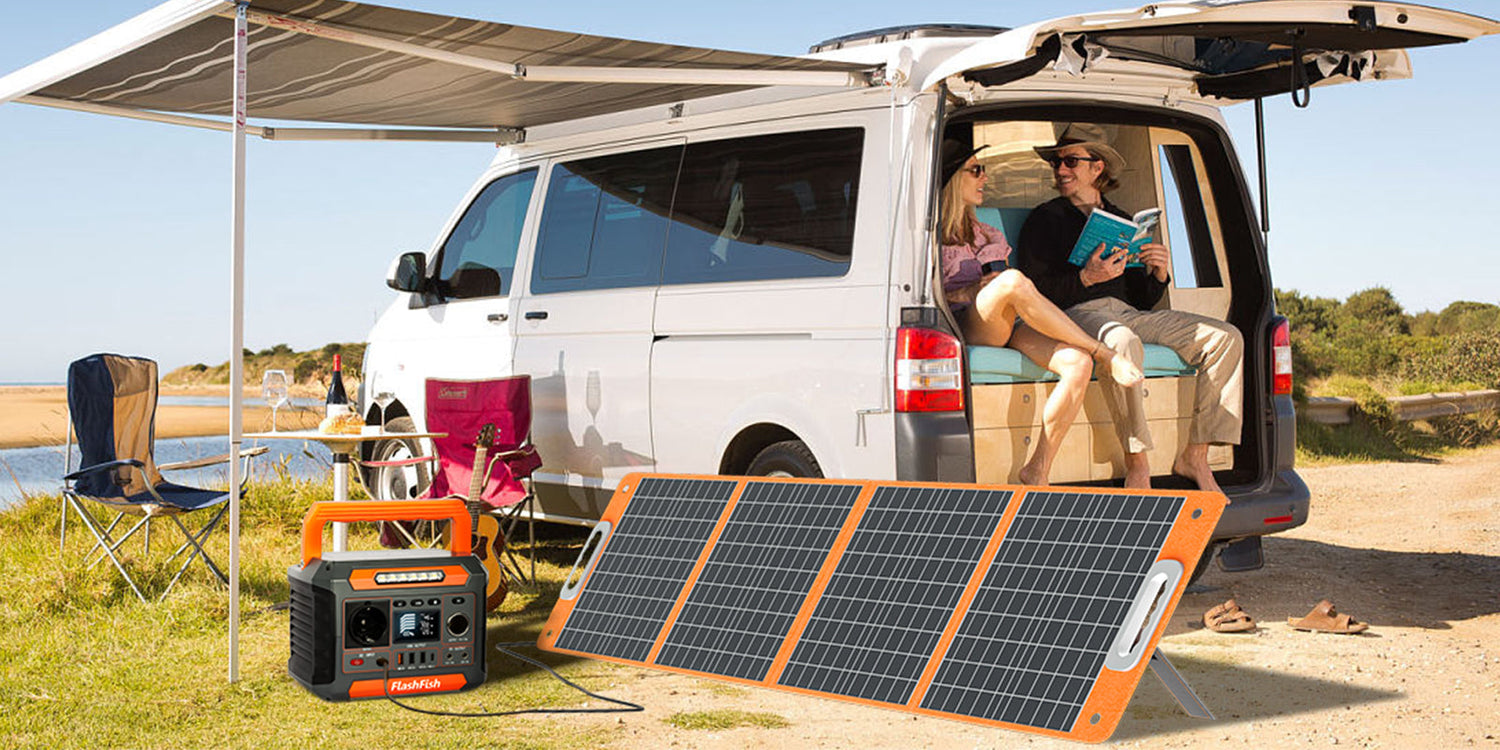
FlashFish solar generators are worth considering for beginners when your devices fit the station's documented output, the battery capacity fits the trip or backup plan, and the panel can be used in direct sun with compatible inputs. They are not worth choosing if you expect guaranteed solar recharge time, whole-home backup, high-draw appliance support, or universal device compatibility.
What "solar generator" means for beginners
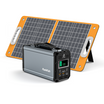
A solar generator kit pairs a portable power station with a solar panel charging path. The station stores energy. The panel converts sunlight into charging input. The panel does not store power by itself, and its field output changes with sunlight, angle, shade, temperature, and setup.
That means the buying decision should start with the devices you need to support, not with panel wattage alone.
Start with the devices, not the panel wattage
Before choosing any kit, list the devices you want to charge or run. For each one, check the official label or adapter for watts, volts, amps, and connector type. Then decide which devices are essential and which are optional.
This avoids two common beginner mistakes: buying a kit because the panel wattage sounds impressive, or assuming a solar panel will replace careful load planning. Battery capacity, output watts, ports, and input limits all matter.
Choose the station size first
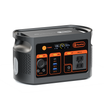
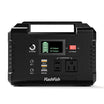
The station is the storage and output center of the kit. Current FlashFish product data supports several planning classes:
- A101 class: compact 97.68Wh storage with 120W continuous AC output and USB-C/USB-A outputs up to 18W.
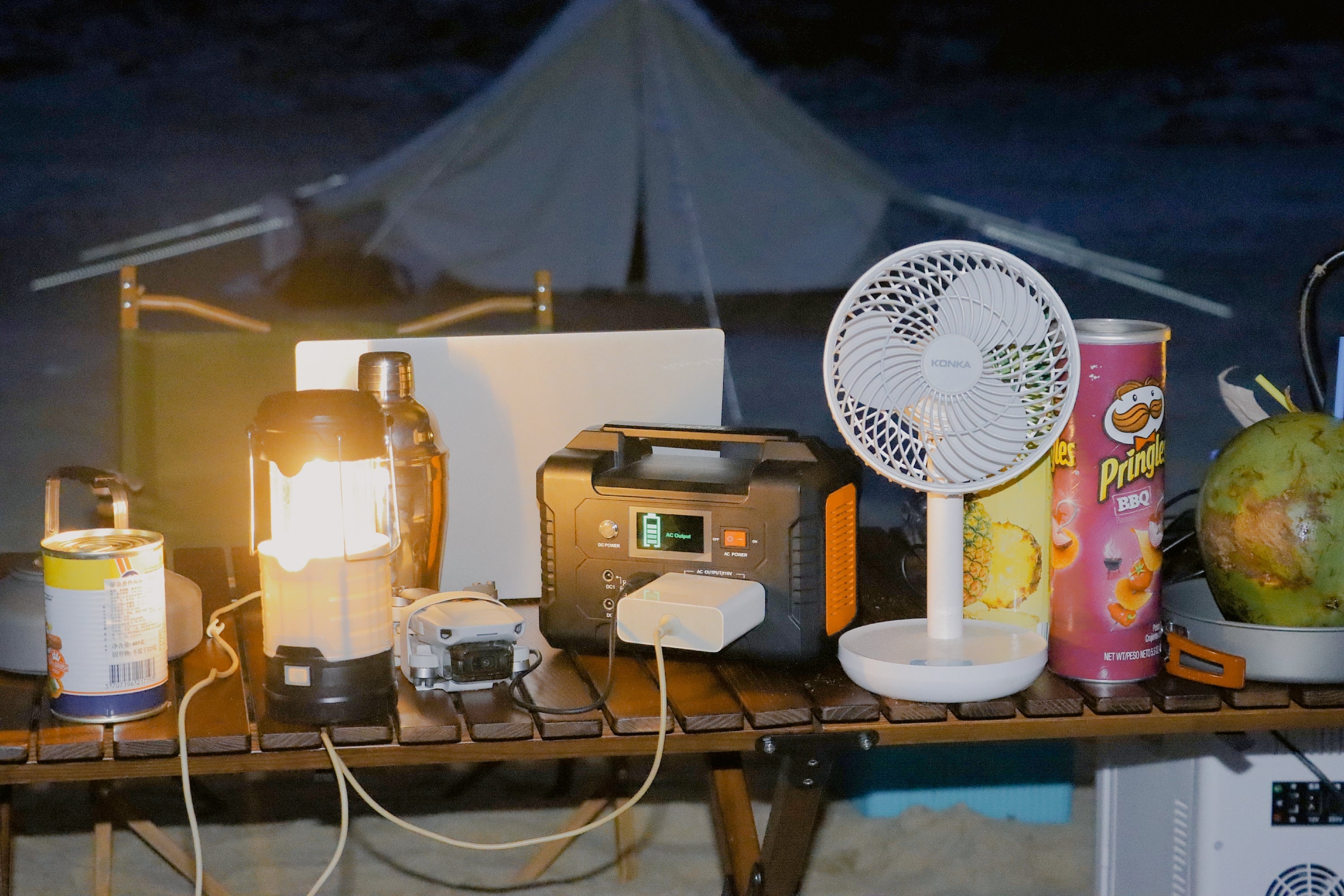
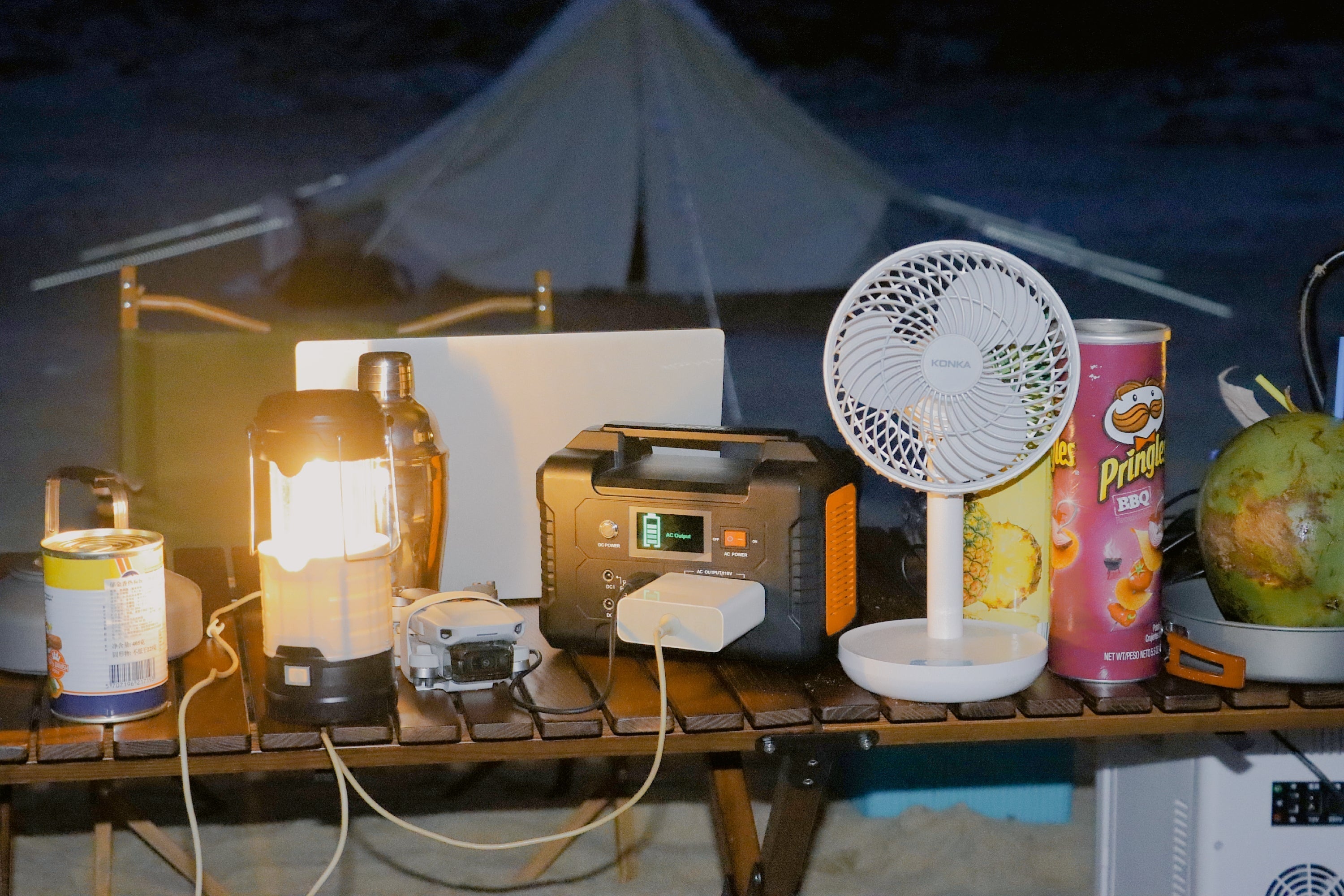
- E200 class: compact 151Wh storage with 200W continuous AC output, 400W peak output, USB-A output, and 40W max solar/DC charging.
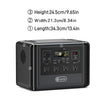
- T1200S class: 768Wh LiFePO4 storage with 1200W continuous AC output and 400W max solar/DC input.
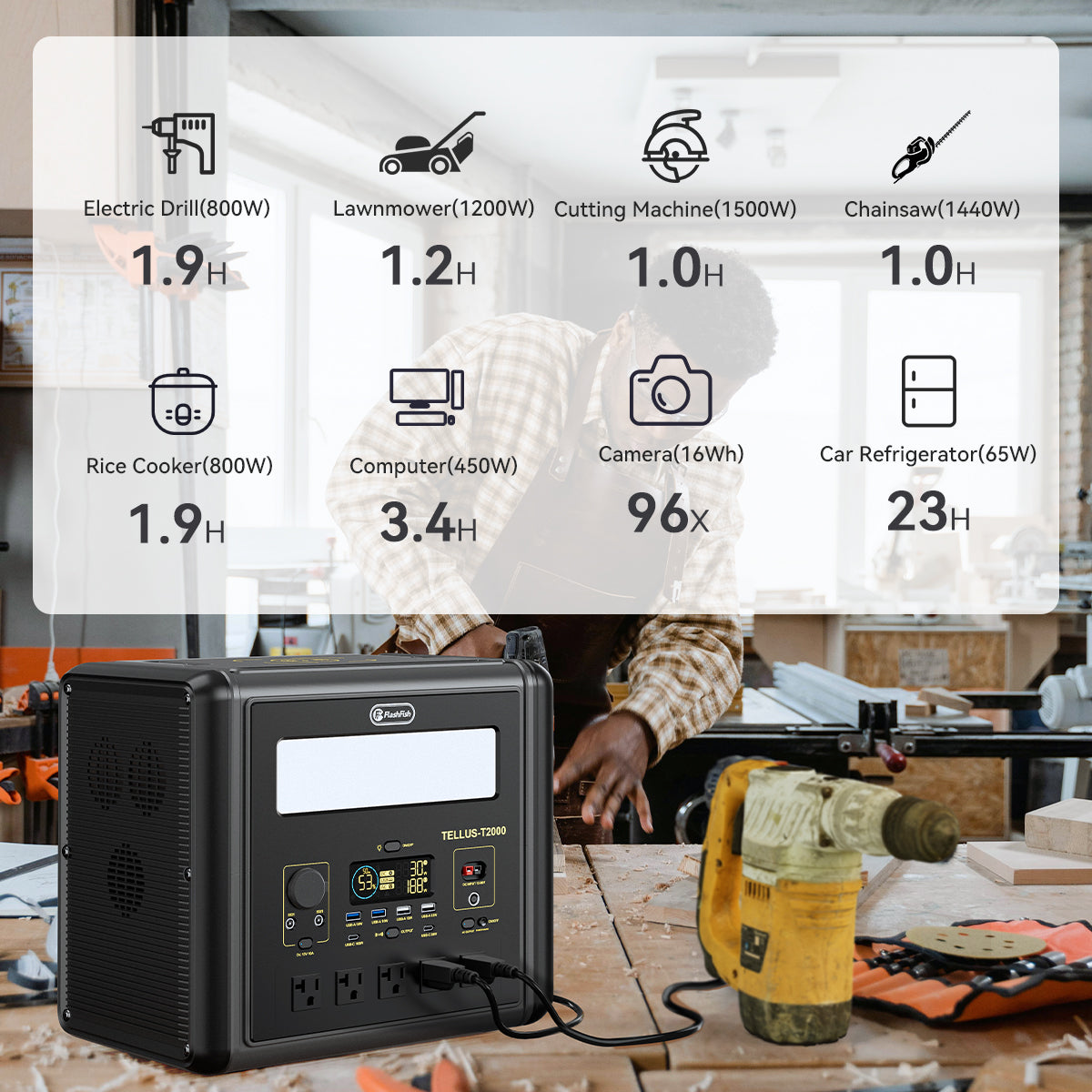
- T2000 class: 1536Wh LiFePO4 storage with 2000W continuous AC output and 600W max solar/DC input.
Smaller stations are easier to carry and plan around light loads. Larger stations add more output and capacity, but they also require more careful device checks and carry planning.
Choose the solar panel path second
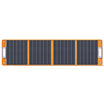
After choosing the station class, match the solar panel path to the station input and the way you will use it. TSP60 is a 60W foldable solar panel with 18V DC output, 45W USB-C output, 18W USB-A output, and 1.9kg weight. TSP100 is a 100W foldable solar panel with 18V DC output, 65W USB-C output, 18W USB-A output, and 2.8kg weight.
Use the current FlashFish solar generator kits collection to see active station-plus-panel combinations, and use the portable solar panels collection when comparing panel paths.
Beginner solar generator checklist
| Beginner decision | What to verify | FlashFish kit fit | Boundary |
|---|---|---|---|
| Small USB and light loads | Device cables and low-watt needs | A101/E200 kit class | No exact charge count |
| Laptop or mixed AC loads | Charger wattage and AC/USB-C path | T200/T300PRO station class or larger where appropriate | No universal laptop claim |
| Outage essentials | Prioritized device list | E200, T300PRO, T1200S, or T2000 by load class | No whole-home promise |
| Solar top-up | Sunlight, input limit, panel placement | TSP60/TSP100 paths where active | No guaranteed recharge time |
| Larger backup | Continuous watts, stored Wh, carry weight | T1200S/T2000 kit class | No appliance guarantee |
Compact kit examples and larger kit examples
For small charging plans, current U.S. product pages include active compact kit pages such as E200 + TSP60 and A101 + TSP60. These fit beginner plans built around smaller devices and light loads.
For larger planning, current U.S. discovery shows active pages for T1200S + TSP100 and T2000 + TSP100. These are not automatic appliance solutions. They are higher-capacity options to evaluate after checking continuous watts, surge behavior, port paths, and carry context.
When buying station-only may be better
A station-only purchase may fit better if you mostly recharge from the wall, do not have reliable direct-sun setup space, want to add a panel later, or still need to clarify your load list. You can compare stations in the portable power stations collection before committing to a kit.
When FlashFish fits
FlashFish fits beginners who can define their device list, accept documented output limits, want a portable station-plus-panel path, and understand that solar charging is variable. It also fits shoppers who want a compact kit for lighter loads or a larger kit class for carefully checked backup plans.
When FlashFish may not fit
Do not choose a FlashFish solar generator kit if you need guaranteed recharge time, whole-home backup, hardwired backup, medical-device support, public-safety guarantees, high-draw appliances, refrigerator food-safety planning, waterproof operation, or compatibility with a named device that has not been checked against official specs.
Related beginner guides
- Portable Power Station or Solar Generator Kit First?
- Best Solar Generator Under $500 for Beginners
- How to Pair a FlashFish Solar Panel With a Power Station
- 60W vs 100W Portable Solar Panel for a Power Station
FAQ
Are FlashFish solar generators worth it for beginners?
They are worth considering when your device list, battery-capacity needs, continuous-output needs, panel path, and sunlight setup all fit a documented kit. They are not a blanket solution for every backup or appliance need.
What is included in a solar generator kit?
A kit generally pairs a portable power station with a solar panel path, but exact contents must come from the current Shopify product listing and verified packaging evidence. Do not assume accessories that are not listed.
Should I buy the power station or solar panel first?
Choose the station first if you are still defining devices, ports, and capacity. Add the panel path once you know the station input limit and how you will use direct sunlight.
Can a FlashFish solar generator run appliances?
Only if the appliance label, startup behavior, waveform needs, and station output all fit. Do not assume appliance compatibility or exact runtime without device-specific verification.
How should I choose between E200, T1200S, and T2000 kits?
Use E200 for compact loads, T1200S for higher continuous-output and capacity planning, and T2000 for the largest documented capacity and output class in this group. Make the final choice by capacity, continuous watts, ports, solar input, and carry context.

Leave a comment
This site is protected by hCaptcha and the hCaptcha Privacy Policy and Terms of Service apply.