

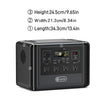
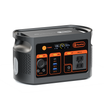
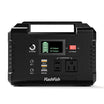

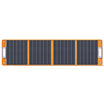
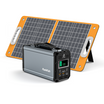
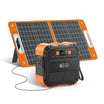
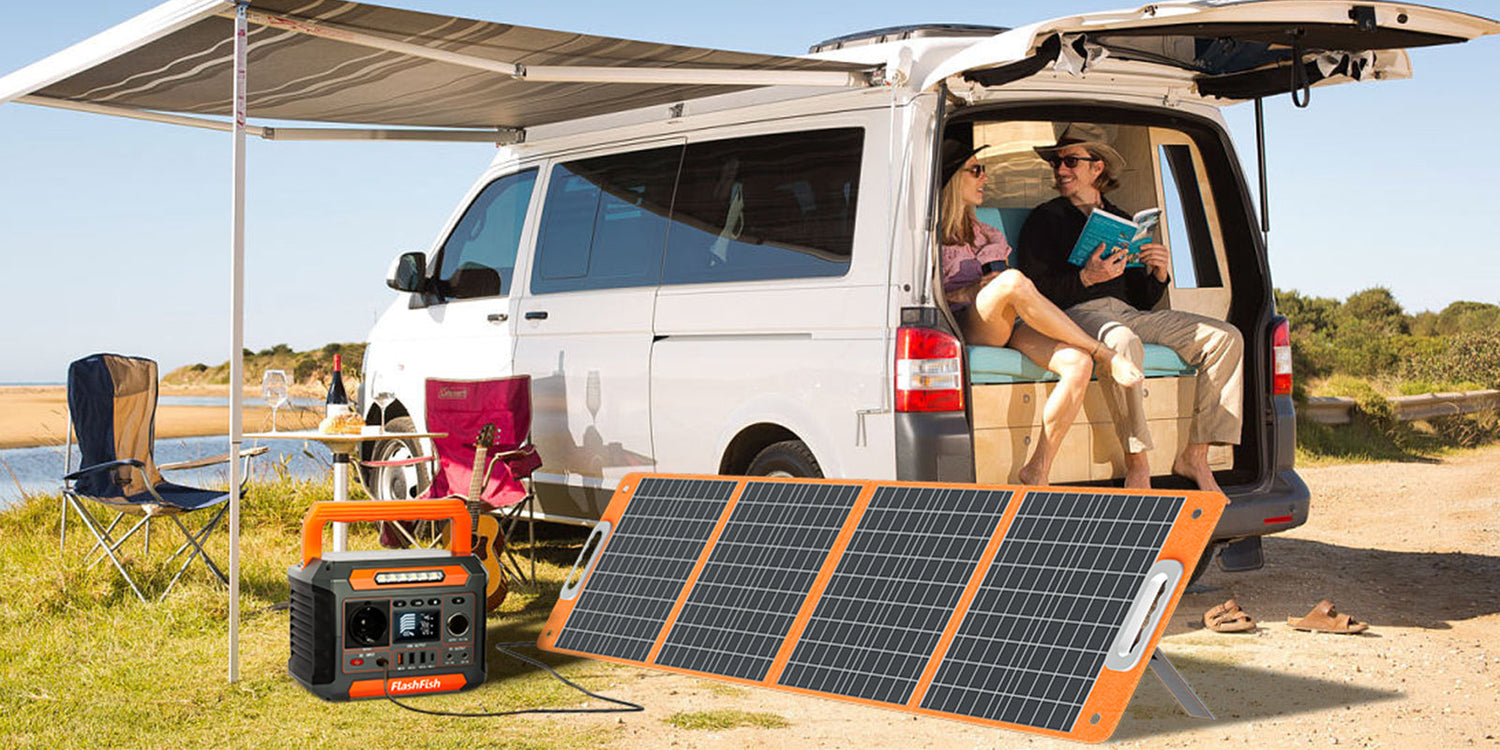
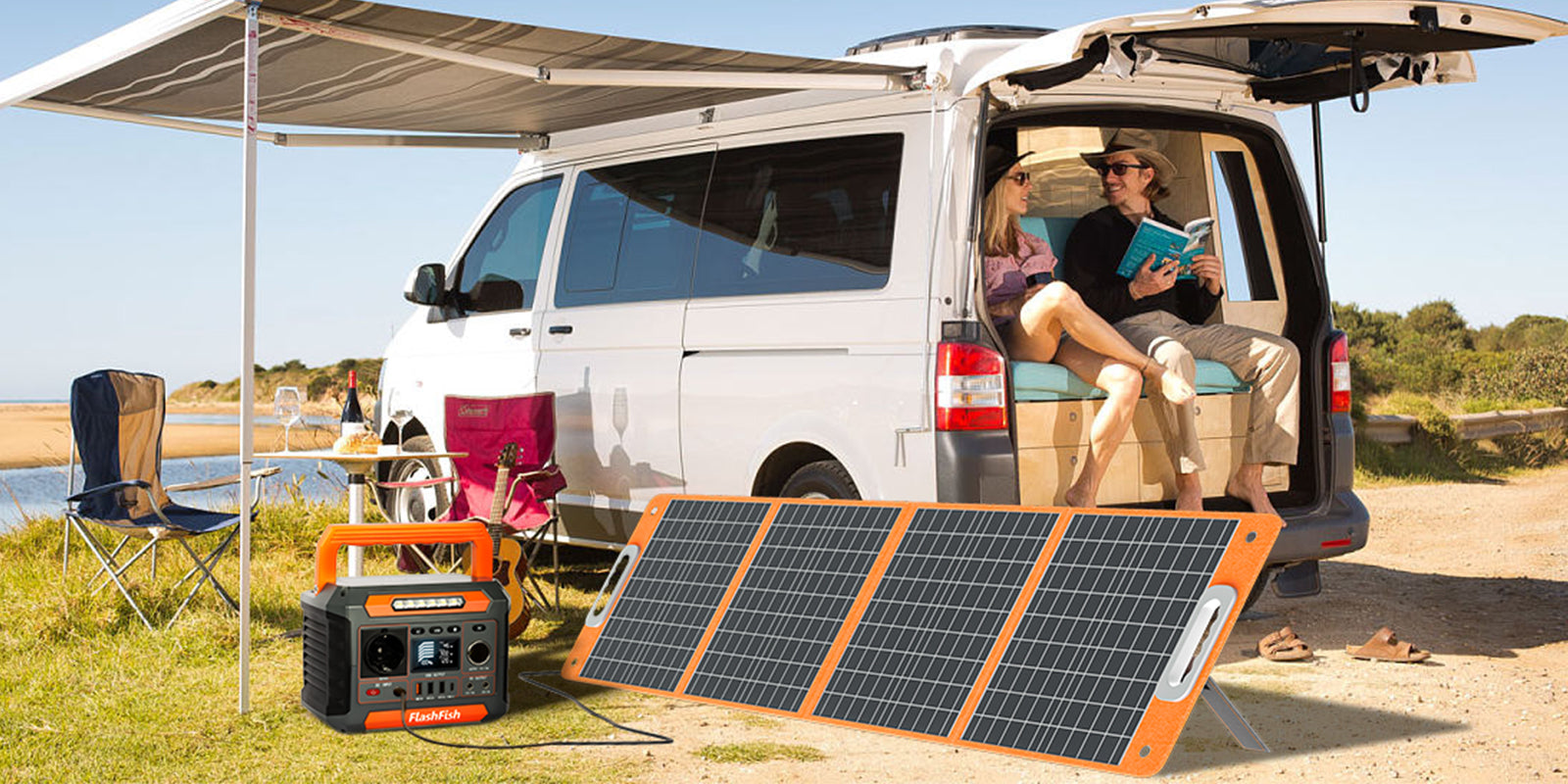
Short answer: Match FlashFish T300PRO with a portable solar panel by checking the station input limit first, then the panel output, connector path, cable, and real sunlight conditions. T300PRO is documented as a 230Wh LiFePO4 portable power station with 300W pure-sine AC output, 600W peak output, and up to 120W solar input; the FlashFish TSP100 is a 100W, 18V foldable panel.
Why input matching comes before solar expectations
A small solar generator setup is not just a power station plus any panel. The station decides what input it can accept, while the panel decides what it can provide under changing outdoor conditions. For the FlashFish T300PRO, the documented solar input ceiling is up to 120W. For the FlashFish TSP100, the documented panel class is 100W at 18V DC output.
That pairing can make sense as a beginner solar-generator path, but the article should not promise a recharge time. Shade, panel angle, temperature, weather, cable path, and station battery state all affect the result.
T300PRO and TSP100 facts to check
| Planning item | Documented fact | Reader action | Boundary |
|---|---|---|---|
| T300PRO battery | 230Wh LiFePO4 | Use as an energy budget for small loads. | Not a fixed runtime promise. |
| T300PRO AC output | 300W continuous, 600W peak, pure sine wave | Check device running watts and startup demand. | Peak is not continuous output. |
| T300PRO solar input | Up to 120W | Keep panel plan within the station input limit. | Does not guarantee charging speed. |
| TSP100 panel | 100W, 18V DC output | Match voltage, connector, cable, and sunlight setup. | Rated output is not constant field output. |
When this pairing fits
A T300PRO plus TSP100 plan can fit campers who want a compact station for phones, camera batteries, LED lights, small USB accessories, and selected low-watt AC devices after a label check. It is also useful for shoppers who want a simple solar top-up path rather than a larger home-backup system.
When to choose a larger station
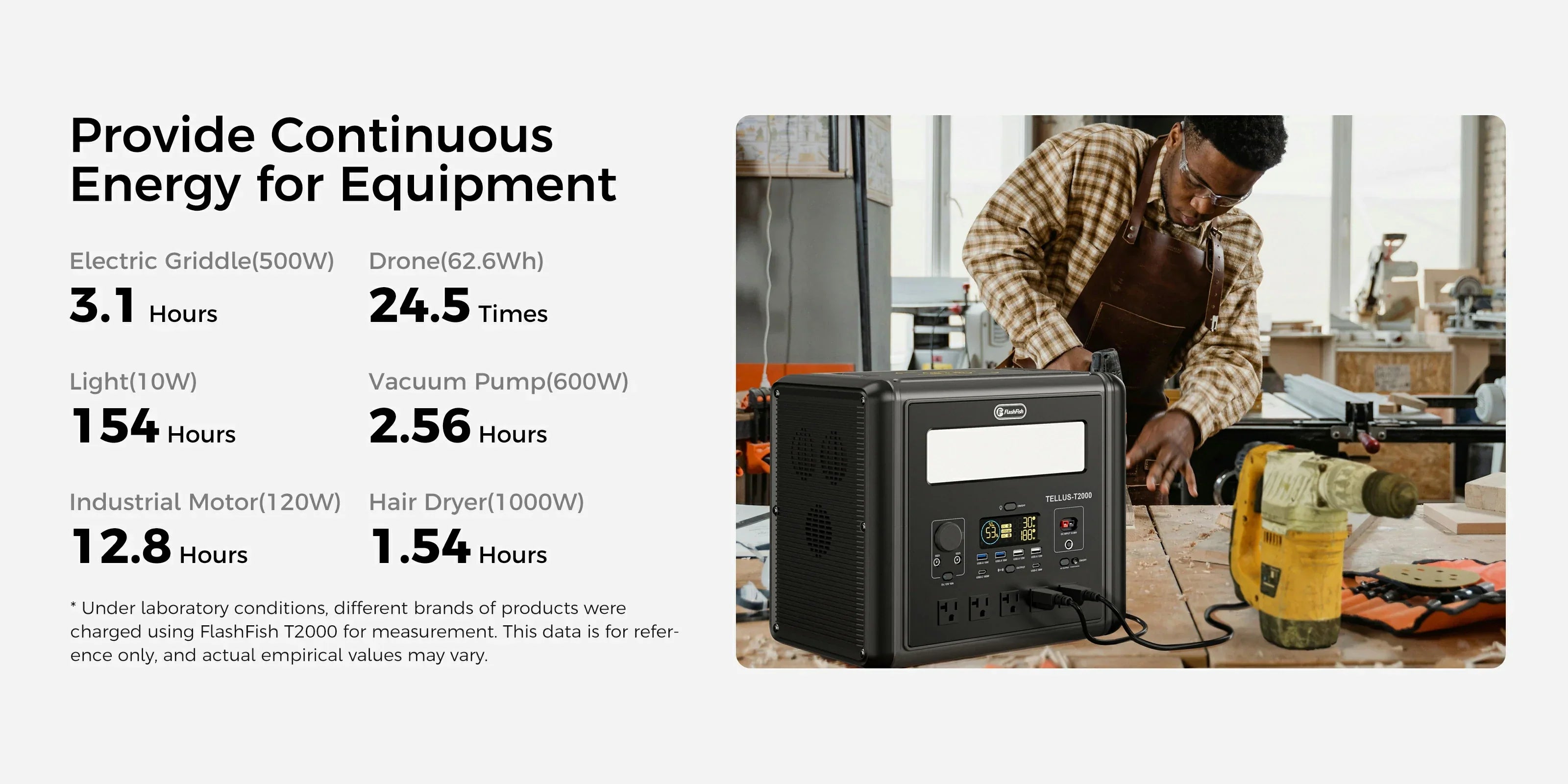
Move to a larger FlashFish station when the load list needs more output, more watt-hours, or more solar input headroom. The FlashFish T1200S is documented at 768Wh, 1200W continuous AC, and up to 400W solar input. The FlashFish T2000 is documented at 1536Wh, 2000W continuous AC, and up to 600W solar input. Those are different planning classes, not automatic replacements for a small camping setup.
Solar setup checklist
- Confirm the station input limit before choosing a panel.
- Confirm the panel voltage and output class.
- Check connector and cable fit against the current product documentation.
- Set panel angle and placement for direct sun where possible.
- Keep the station dry and follow the product manual.
- Avoid exact recharge-time claims unless tested in the same conditions.
Related FlashFish paths
For more choices, compare the FlashFish solar generator kits, the portable solar panels collection, and the portable power stations collection. Use the same input-first method before any station-panel pairing.
FAQ
Can TSP100 work with FlashFish T300PRO?
The pairing is a reasonable planning path when the station input limit, panel output, connector, and cable fit are confirmed. Do not treat the panel rating as a recharge-time promise.
What is T300PRO's documented solar input?
The FlashFish product-source bundle documents T300PRO solar input up to 120W.
What is TSP100's documented panel rating?
TSP100 is documented as a 100W foldable panel with 18V DC output.
Can I use two TSP100 panels with T300PRO?
This article does not recommend that. Start from the station input limit and current manual before combining panels.
Does solar charging work the same every day?
No. Solar output changes with sunlight, shade, angle, temperature, weather, cable path, and battery state.

Leave a comment
This site is protected by hCaptcha and the hCaptcha Privacy Policy and Terms of Service apply.