

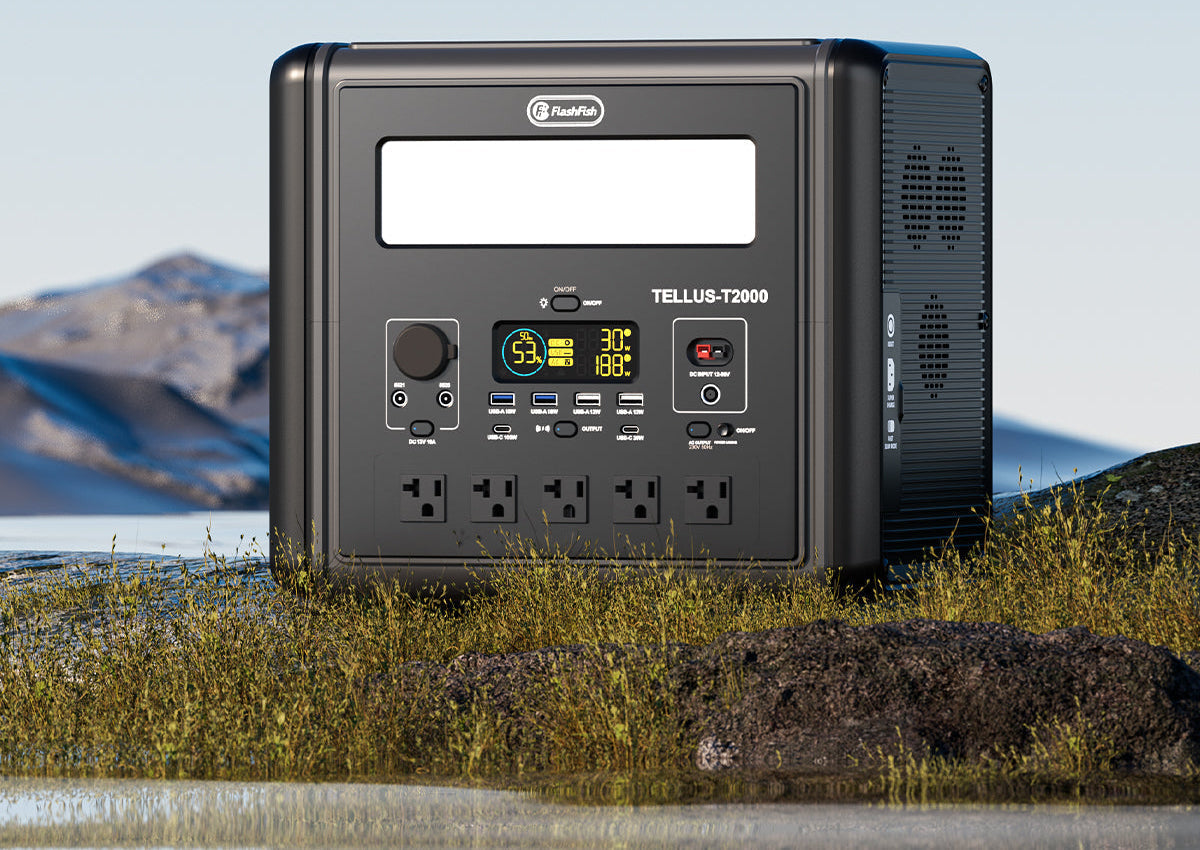
Can your TV and antenna receive the service you want at your tailgate spot? That remains unconfirmed until you check the exact equipment documentation and record what the setup actually receives at the permitted location. A power station's capacity does not establish reception or confirm that a particular program will air. Resolve the viewing path first, then evaluate the electrical requirements separately.
For U.S. tailgate viewers planning ordinary over-the-air television, this distinction can prevent a purchase that answers the wrong question. A TV that has power and a TV that shows the wanted broadcast are different outcomes. This guide helps you document the second outcome without treating an earlier observation as a promise for event day.
Define what you want to watch before choosing a battery
Write down the intended service in terms you can verify: the local station or service name, the program if one matters, the viewing date, and the location. “Watch television” is too broad if the group expects one particular broadcast. Receiving a service during setup does not, by itself, confirm its later program schedule.
Keep each source beside the question it answers. Your TV manual can explain that model's setup process; your own dated observation records what appeared at that place and time. If a named program is essential, check the broadcaster's current official schedule separately. No specific station, game, schedule, reception range, or local availability has been verified for this guide.
Use a reception record with a separate power column
Make one row for each intended service. Fill it using the exact TV and antenna manufacturer's instructions, in a position you have permission to use. This is a record of evidence, not an antenna installation guide. If access or permission is unresolved, leave the location check open rather than treating a nearby observation as equivalent.
| Item | What to record | What it establishes |
|---|---|---|
| Intended service | Service name, viewing date, and program if essential | The viewing requirement being evaluated |
| Equipment documentation | Exact TV and antenna models; relevant setup pages | Which manufacturer's setup instructions apply |
| Permitted position | Approved location and actual equipment position | Where the observation was made |
| Reception observation | Date, time, received services, and whether the wanted service appeared | Observed reception in that arrangement then |
| Power path | Separate status for TV input, supply, and equipment requirements | Whether electrical suitability still needs work |
| Unresolved content | Missing observation or unconfirmed program schedule | What prevents a viewing commitment |
A blank reception row means “not checked.” A completed row that does not show the wanted service means it was not observed during that check. Neither entry justifies promising future reception. Preserve those different outcomes so another person does not read a blank box as approval.
Keep the observation useful without overstating it
Follow the applicable TV and antenna setup instructions instead of borrowing menu steps from another model. Record the outcome with the equipment and position you actually used. If you change the equipment or move to another permitted position, document that as a different arrangement.
Also record whether the electrical arrangement during the observation matches the proposed event setup. If it does not, reception evidence and power evidence remain separate tasks. Do not convert an unsuccessful viewing check into an assumed battery problem or a recommendation for a larger station.
Three hypothetical decisions
These examples illustrate the worksheet; they are not reception tests or customer reports.
- The TV starts, but the wanted service is absent. The viewer records that result and leaves content availability unresolved. Buying more stored energy has no demonstrated connection to the missing service in this observation.
- The service appears during a permitted-location check. The viewer saves the date and arrangement. A particular program is still unconfirmed until its official schedule is checked; the reception record alone does not answer that question.
- The equipment has only been tried at home. The viewer labels that observation with its actual location. The tailgate-location row stays unverified, and the group avoids making a viewing commitment based on the home result.
Where FlashFish E103 and T300Pro fit
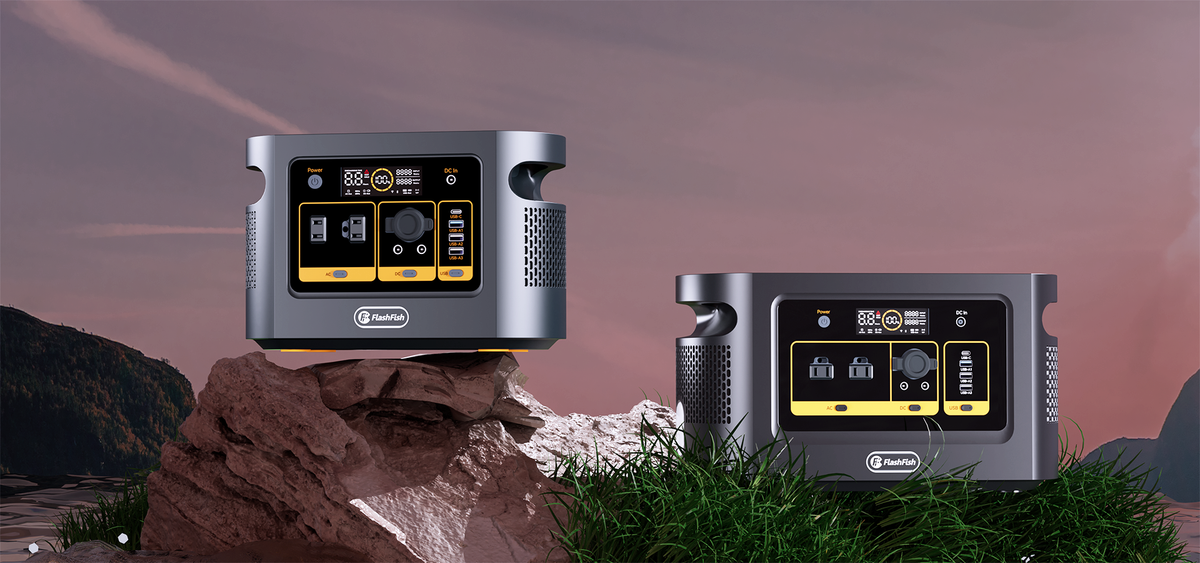
These models can be evaluated as power candidates after the viewing prerequisite is addressed. FlashFish E103 has a nominal capacity of 179.2Wh and T300Pro has a nominal capacity of 230Wh. Those are separate stored-energy specifications; neither value establishes channel reception, picture quality, a broadcaster's schedule, or TV compatibility.
For electrical evaluation, identify the actual U.S. unit and the exact TV's supply requirements. The reviewed E103 manual-derived AC specification is a 230V version, so it cannot confirm the AC variant for a U.S. TV. T300Pro has a documented 120V manual record, but its voltage alone does not establish suitability for a particular television or the viewing duration you need. This article makes no runtime estimate.
Frequently asked questions
Does a larger power station improve broadcast reception?
A larger capacity figure does not establish that an intended service can be received. Use the TV and antenna documentation and a dated observation to address reception. Evaluate power suitability as a separate question rather than using battery size as evidence about the viewing path.
Is receiving a channel enough to promise a particular program?
No. A reception observation records the service received at that time and location. A particular program requires its own schedule check with the official broadcaster. This guide does not verify any program, game, subscription entitlement, or future broadcast availability.
What if I cannot check the permitted location in advance?
Mark location reception as unverified and explain that limitation to the group. An observation somewhere else can be saved as background, but it does not complete the missing row. Avoid making the equipment purchase depend on a viewing outcome you have not established.
Your next step
Complete the reception worksheet and identify the unresolved viewing requirement first. If the documented result supports your plan, bring the separate TV power requirements to an E103 or T300Pro specification comparison. If content remains unconfirmed, settle that question before choosing a station for this particular outing.
The tailgating load checklist covers the separate electrical worksheet after the viewing prerequisite is addressed.
Next step: Compare FlashFish E103 specifications with your equipment list.

Laisser un commentaire
Ce site est protégé par hCaptcha, et la Politique de confidentialité et les Conditions de service de hCaptcha s’appliquent.