


A trailhead volunteer can plan power for a refill-log tablet and phone by reading the labels on the exact devices, separating essential recordkeeping from optional accessories, organizing the approved cables, and keeping a paper backup. Check the land manager's current rules and the device manuals before using any equipment at the site.
Define the minimum recordkeeping kit
A simple log station needs a clear purpose: record a refill observation, preserve contact information if authorized, and communicate with the volunteer lead. Put the tablet, phone, charger, cable, and paper log on one inventory list. Avoid assuming that a familiar device or connector can be powered just because it appears small.
Read labels before selecting an output
| Check | Why it matters |
|---|---|
| Device input label | It identifies the manufacturer's stated charging requirements. |
| Original adapter and cable | They provide the reference configuration to verify. |
| Station output documentation | It lets the volunteer compare the station's listed outputs with the device documentation. |
| Park or trailhead rules | They determine whether and where equipment may be used. |
Product-fit notes for light-duty recordkeeping
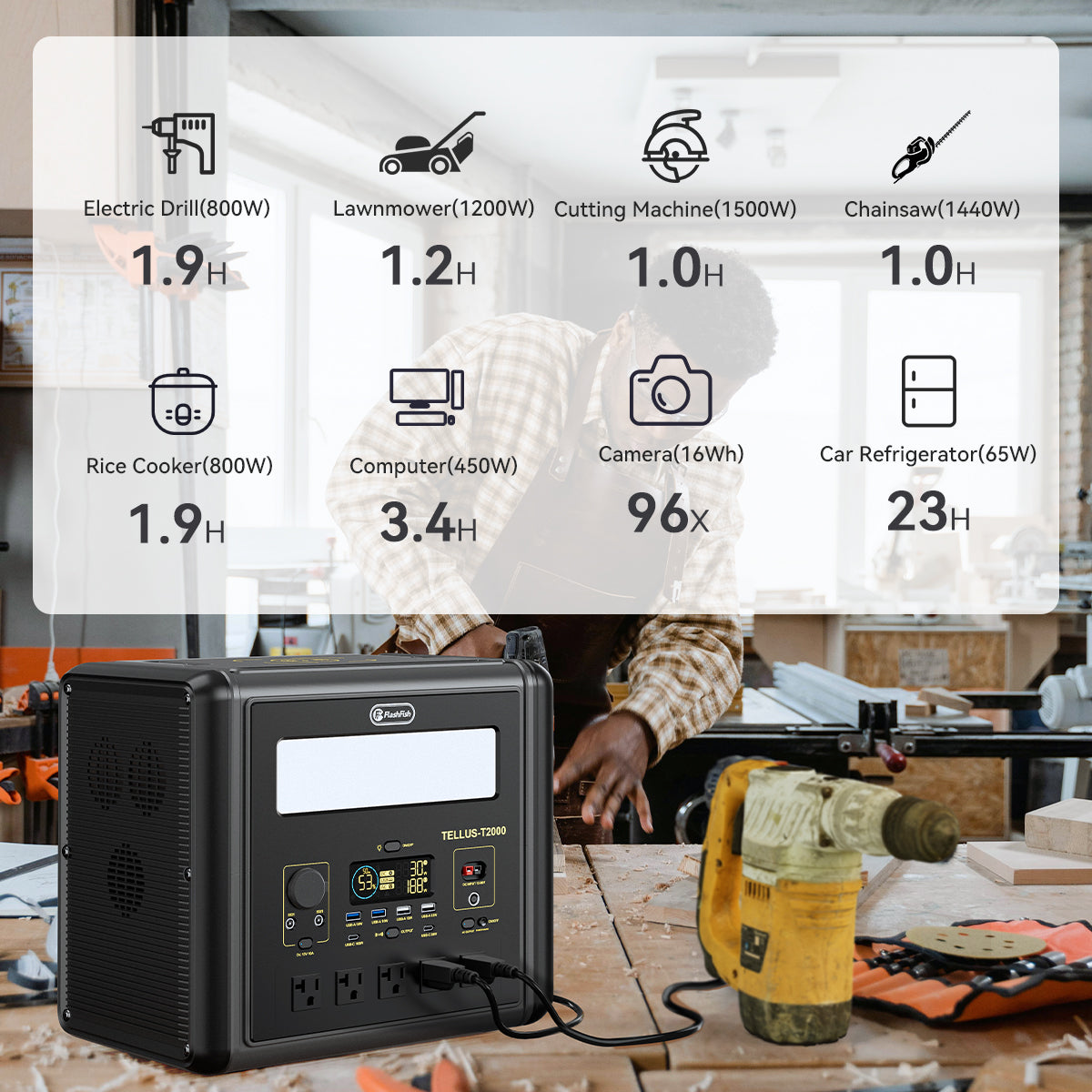
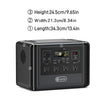
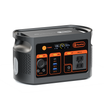
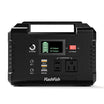
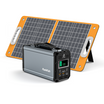
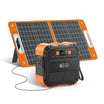
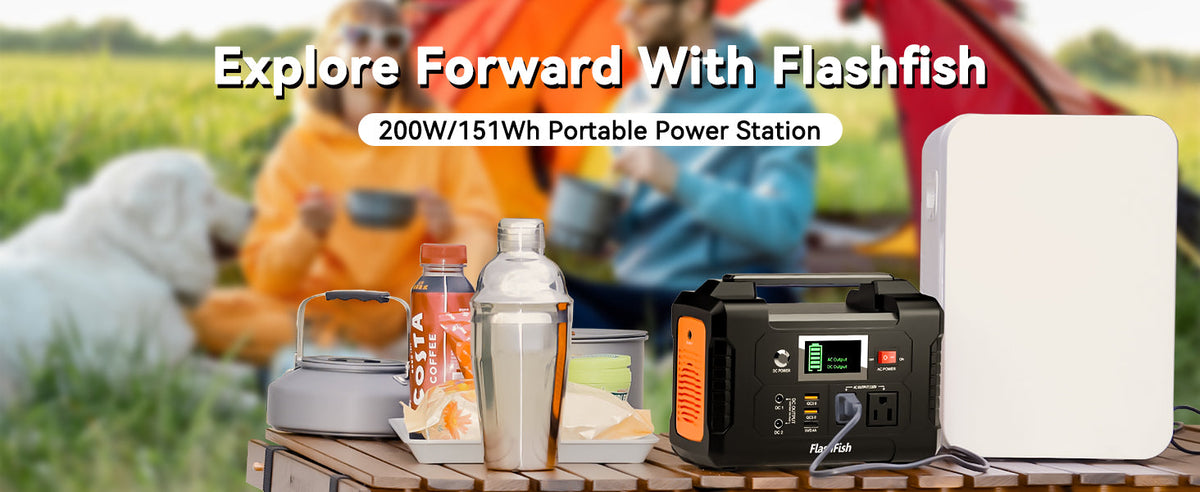
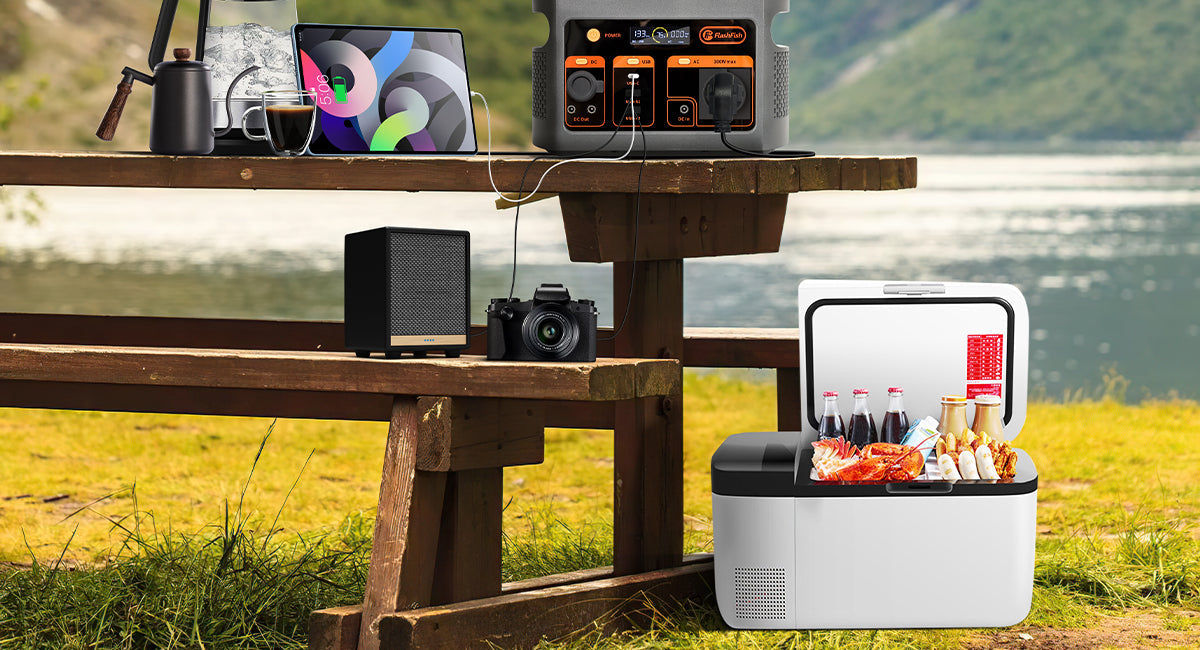
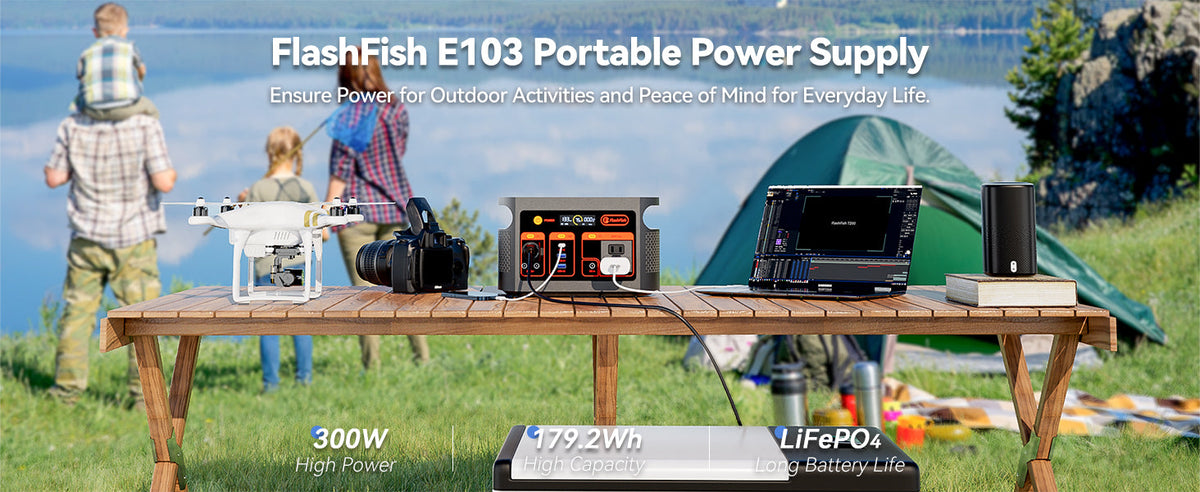
FlashFish E200 is documented as a 151Wh lithium-ion portable power station with 200W rated modified-sine AC output and USB-A outputs up to 18W. FlashFish T300Pro, recorded as TELLUS-T300Pro, is documented as a 230Wh LiFePO4 station with 300W rated pure-sine AC output and USB-C up to 100W. These are station specifications, not confirmation of suitability for a particular tablet, phone, charger, or combined load.
Set up for changing conditions
Use only a location and conditions allowed by the land manager and by each equipment manufacturer. Keep leads visible and managed so they are not a trip hazard, maintain clear space around the station, and do not rely on an unattended setup. If conditions change or the equipment no longer matches its instructions, stop and use the paper log.
Use a handoff-ready log routine
- Begin with the paper log available.
- Record only the information authorized for the volunteer role.
- Keep electronic and paper records aligned during a shift.
- Hand off the station, cables, and records according to the local program's procedure.
FAQ
Can a volunteer assume a portable power station will charge a trailhead tablet?
No. Compare the exact tablet, charger, cable, and station documentation before use.
Should a station be left running at a volunteer table?
Follow the land manager and equipment instructions; a volunteer should not improvise an unattended arrangement.
Why bring a paper log?
It preserves the recordkeeping process when electronics are unavailable or a setup must be paused.
Next step
Gather the exact device labels, the approved location rules, and the station specifications before deciding whether an outdoor recordkeeping setup is appropriate.
Next step: Compare FlashFish E200 specifications with your equipment list.

Leave a comment
Laman ini dilindungi oleh hCaptcha dan tertakluk pada Dasar Privasi dan Terma Perkhidmatan hCaptcha.