


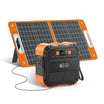
Short answer: Portable solar panels can still produce power on many cloudy days, but output drops because less direct sunlight reaches the panel. Expect slower charging, plan around solar noon, and keep shade off the panel whenever possible.
The U.S. Department of Energy explains that solar radiation changes with location, time of day, season, local landscape, and weather. It also notes that clouds can reduce direct beam radiation dramatically, so a portable solar setup should be planned with margin instead of assuming the panel will always reach its rated watts.
Why cloudy-day charging is slower
| Factor | What happens | How to respond |
|---|---|---|
| Cloud cover | More light becomes diffuse and less reaches the panel directly | Expect lower watts and longer recharge time |
| Time of day | Morning and late afternoon sun hits at a lower angle | Prioritize the brightest window around solar noon |
| Partial shade | A small shadow can reduce usable output | Move the panel away from trees, rails, vehicles, and tent lines |
| Panel angle | A flat panel may miss stronger direct light | Re-aim during the day when practical and safe |
| Input limit | The power station controls the maximum solar input it can accept | Match panel voltage and connector specs before pairing |
Use a realistic cloudy-day planning loop
- Charge the power station from the wall before leaving home when possible.
- Set the panel in open sky with no hard shadows across the cells.
- Watch the station's input-watt display for 5 to 10 minutes before moving on.
- Re-aim the panel when the sun angle changes.
- Reserve battery power for essentials first, then convenience devices.
Cloudy-day solar is useful for extending runtime, but it is not the same as a fast wall recharge. Treat solar as recovery power and plan your battery capacity around the most important loads.
Which FlashFish solar products fit the topic?
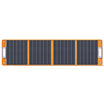
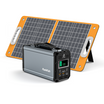
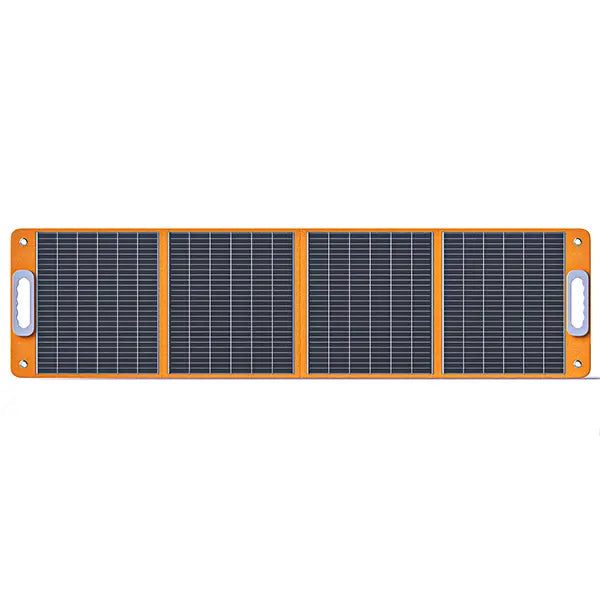
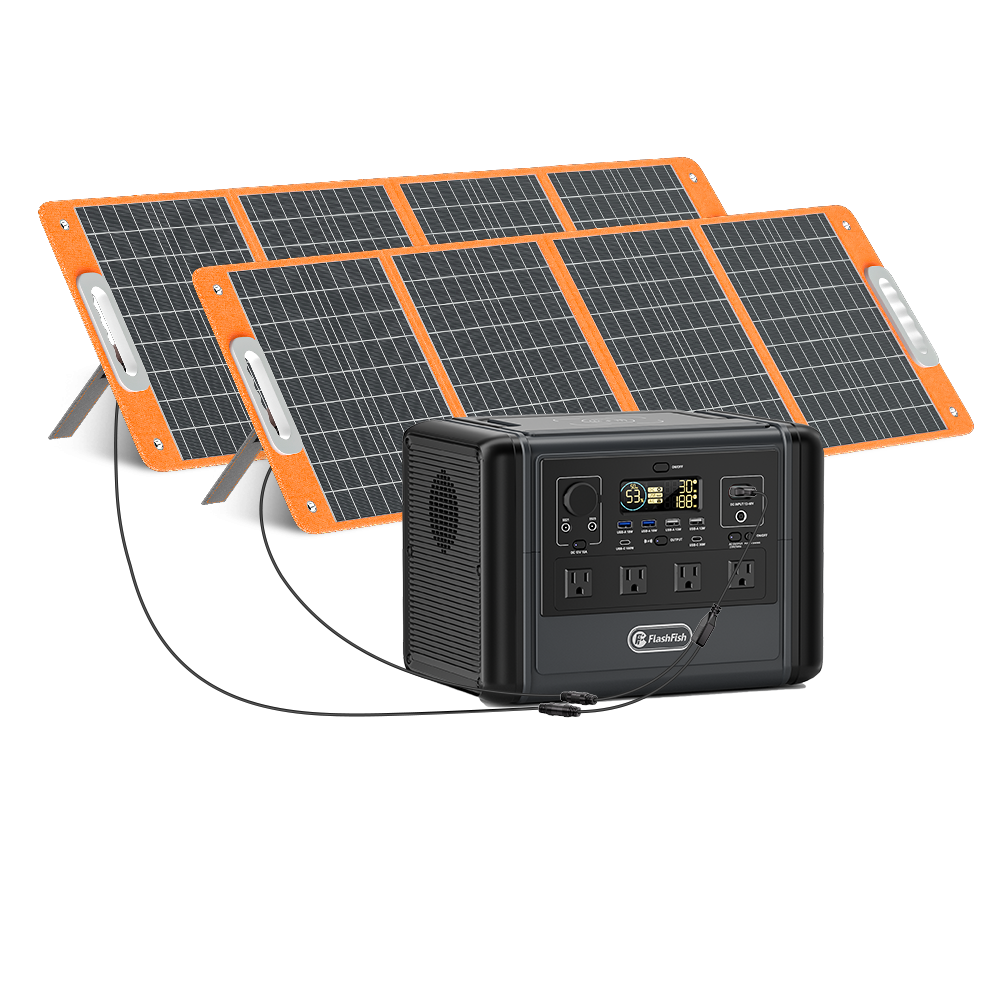
The FlashFish TSP100 Portable Solar Panel lists a 100W/18V foldable design for camping, RV travel, and compatible power station charging. The FlashFish TSP60 Portable Solar Panel lists a 60W/18V foldable charger for lighter setups. Pairing either panel with the FlashFish solar generator kits collection can make sense when the station input limit, cable, and connector match.
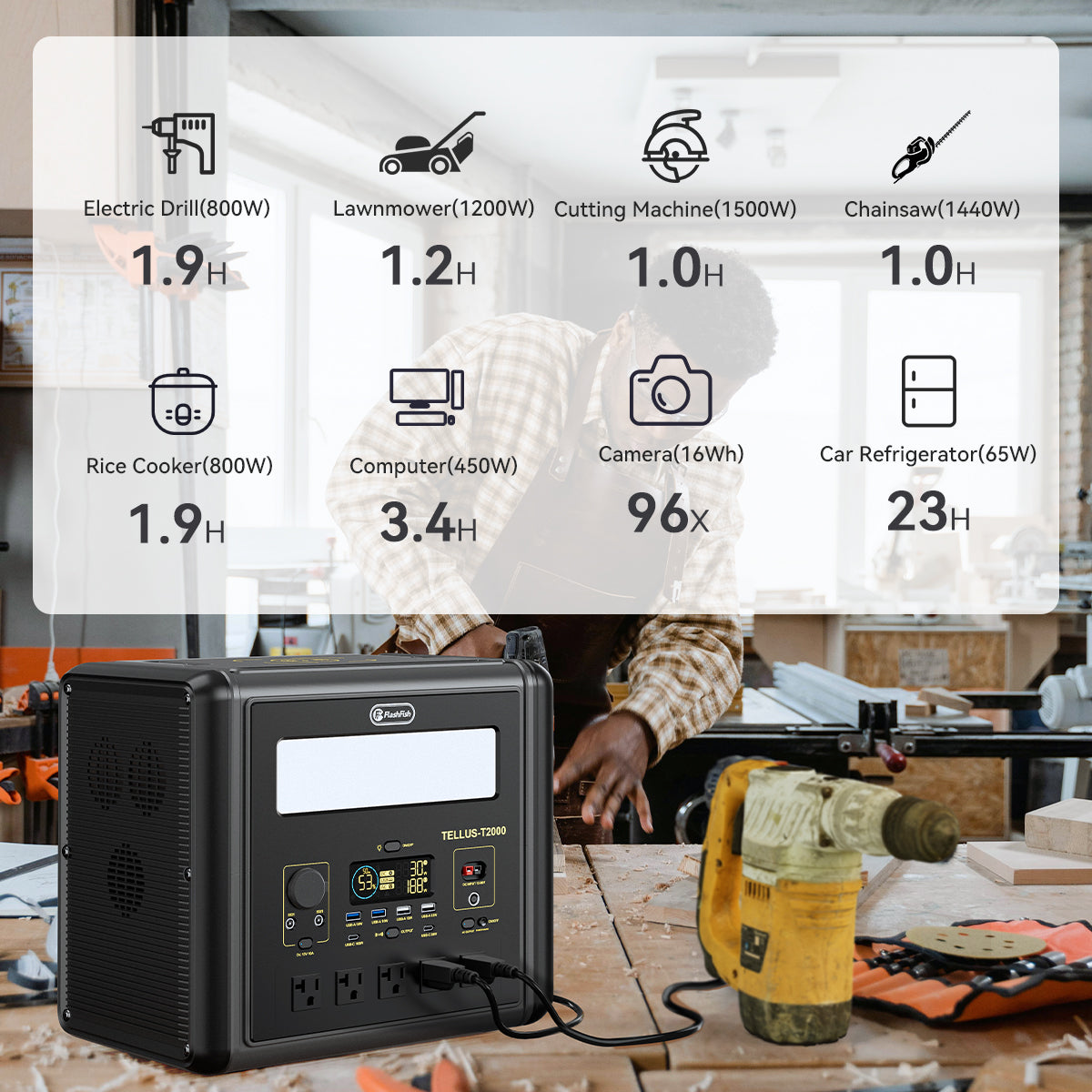
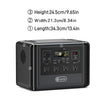
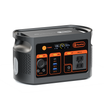
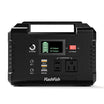
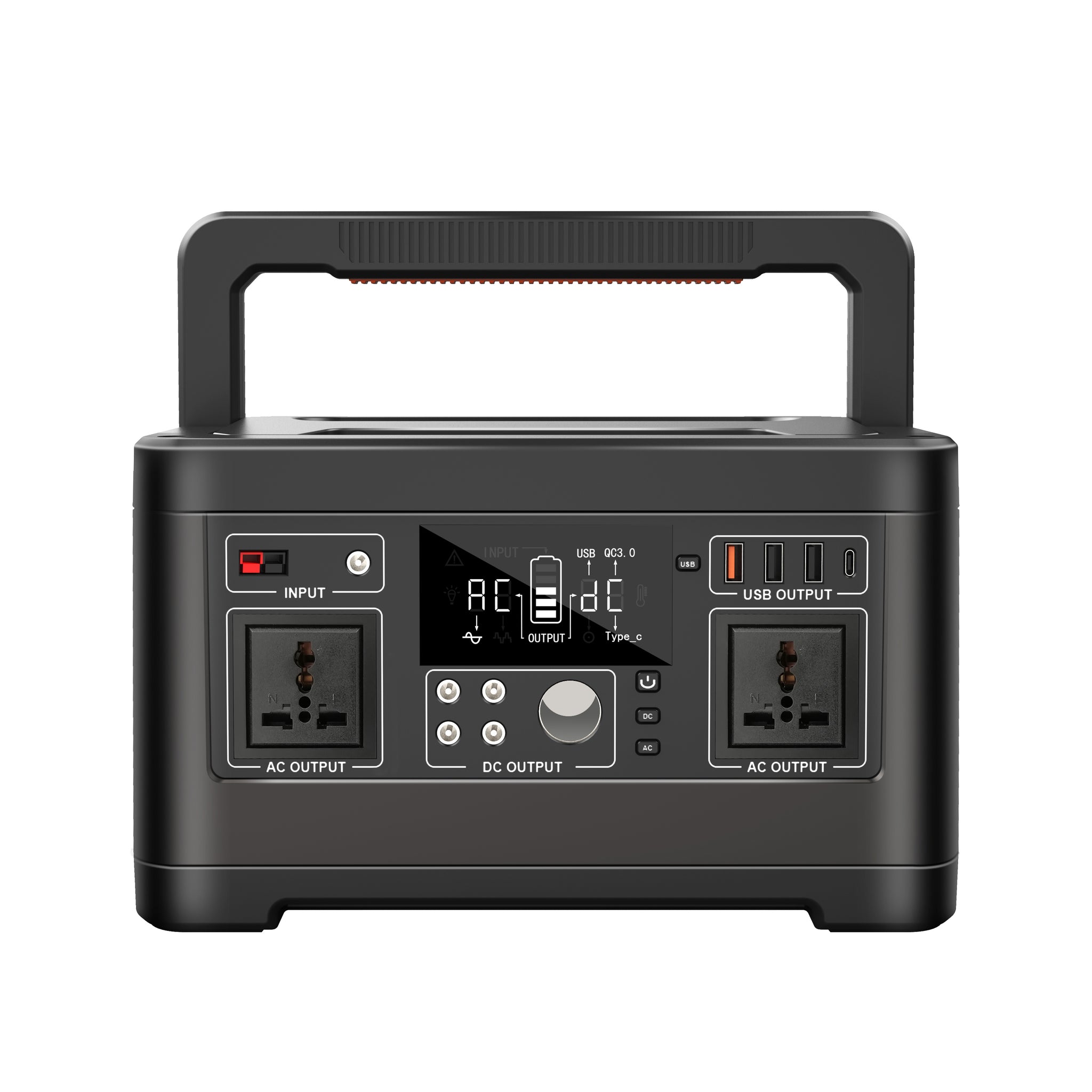
For larger stations such as the FlashFish T1200S Portable Power Station, solar charging is most useful when you start with a charged battery and use panels to refill part of the load during daylight. Check product specs before mixing panels and stations.
Cloudy-day solar checklist
- Bring a longer safe cable only if it is compatible and rated for the setup.
- Keep connectors dry and off wet ground.
- Do not cover the panel glass or cells with gear, towels, or tent fabric.
- Use low-draw DC or USB devices first when battery recovery is slow.
- Record typical input watts in sun, light clouds, and heavy clouds for future trips.
- Store the panel clean and dry after use.
FAQ
Will a 100W portable solar panel make 100W on a cloudy day?
Usually no. Rated watts are measured under ideal test conditions. Clouds, angle, shade, heat, and power station input limits can all reduce real charging watts.
Is shade worse than clouds for portable panels?
Hard shade across part of a panel can be especially disruptive. Move the panel into open sky whenever possible, even if the sky is overcast.
Can I charge a power station overnight with solar panels?
No. Solar panels need light. A power station stores energy collected earlier, so charge during daylight and reserve the battery for nighttime loads.
Sources and product links
- U.S. Department of Energy solar radiation basics
- U.S. Department of Energy cloudy-day solar discussion
- Competitor signal: EcoFlow cloudy-weather solar charging guide
- FlashFish portable solar panels collection
Human review checklist
- Confirm TSP100, TSP60, and T1200S links remain active.
- Keep output guidance conservative and weather-dependent.
- Confirm no unsupported recharge-time promise is included.
- Preview image, table, and FAQ on mobile before approval.

Leave a comment
Laman ini dilindungi oleh hCaptcha dan tertakluk pada Dasar Privasi dan Terma Perkhidmatan hCaptcha.