

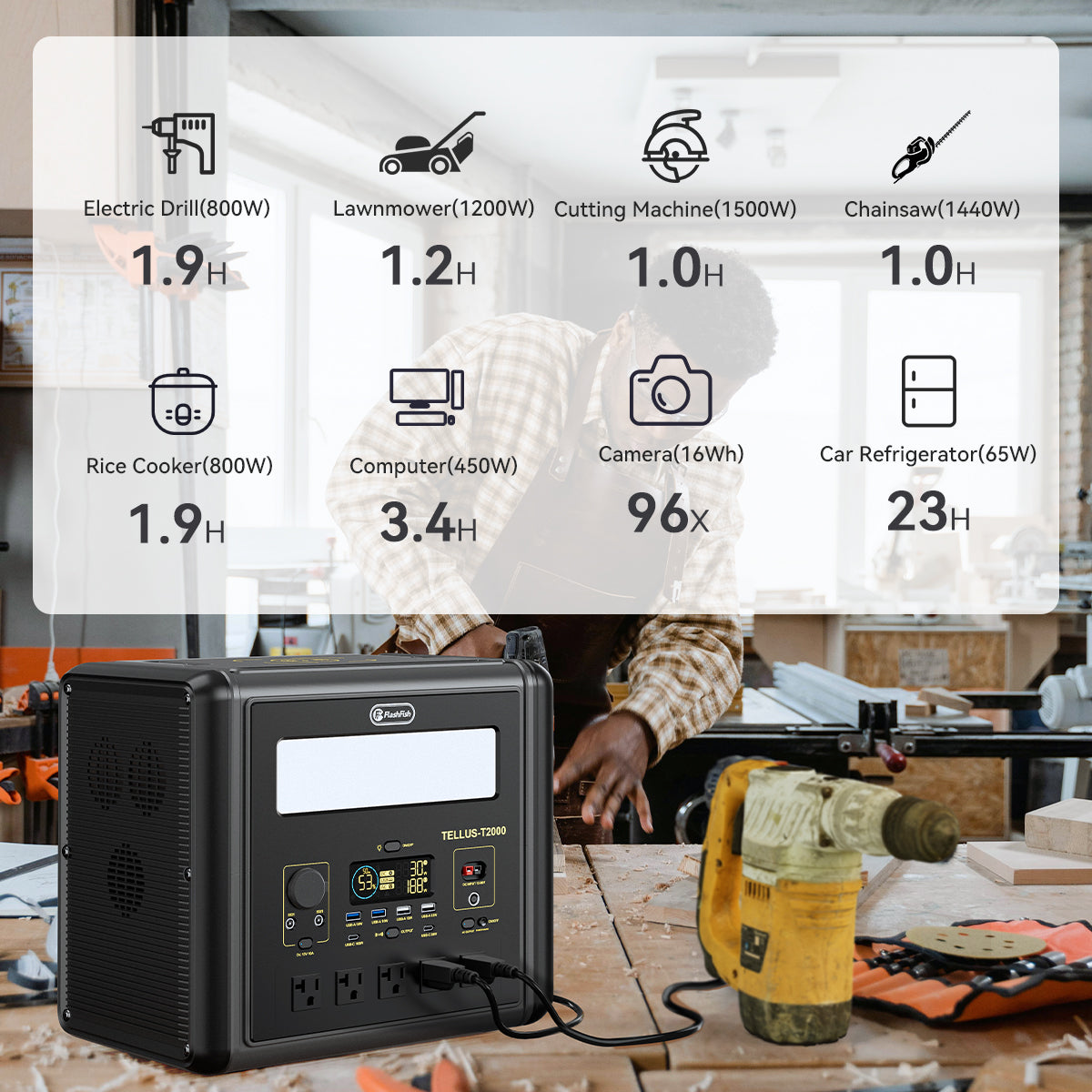
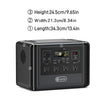

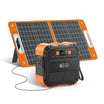
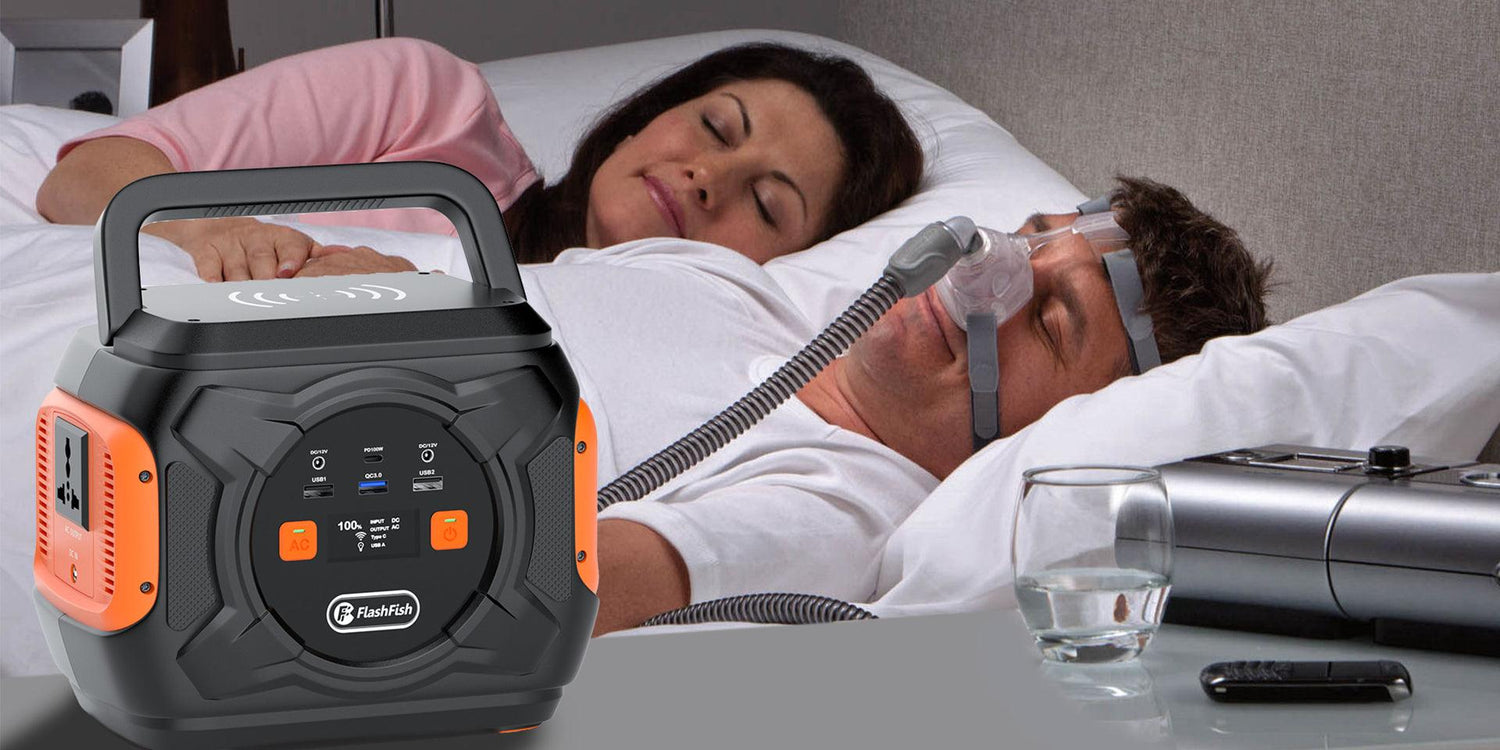
Short answer: Do not assume that a portable power station, battery, or generator is suitable for a medical device. Start with the exact medical-device model, its Instructions for Use, and written guidance from the device manufacturer or supplier. This guide does not verify compatibility, uninterrupted operation, or runtime for any medical device.
Emergency note: If loss of power creates an immediate health or safety risk, contact emergency services and follow the emergency plan provided by your healthcare team. The U.S. Food and Drug Administration (FDA) advises people who depend on a device for immediate safety to seek emergency help and to contact the device distributor or manufacturer when a backup device is needed.
Start with the medical device, not the backup battery
Record the exact manufacturer and model number before comparing any power source. Keep the device manual and emergency contact information where the user and caregivers can reach it during an outage. The FDA's home healthcare medical-device checklist recommends understanding what the device needs to operate, following its instructions, keeping supplier and manufacturer contacts available, and maintaining a backup plan.
Confirm these fields in the medical-device documentation:
- Required voltage, frequency, AC or DC input, plug type, grounding, and approved adapters.
- Running power, startup demand, charging requirements, and any internal-battery limits.
- Whether the manufacturer permits operation from an external battery, inverter, or generator.
- Power-quality, transfer-time, alarm, environmental, ventilation, and maintenance requirements.
- What to do if power is interrupted and which settings must be checked after power returns.
Build the outage plan before comparing equipment
- Contact the device manufacturer or supplier. Ask which backup methods are approved for the exact model and request the answer in writing when possible.
- Review the plan with the healthcare team. Confirm what to do if the device stops, when to relocate, and when to call emergency services.
- List emergency contacts. Include the healthcare provider, equipment supplier, device manufacturer, utility, local emergency management office, and a nearby support person.
- Prepare a second route. A single battery should not be the entire plan. Consider an approved internal battery, spare equipment, a location with reliable power, and an evacuation route as directed by the care team.
- Practice the plan. Caregivers should know how to recognize alarms, switch to an approved backup, and check the device after an interruption.
Compare a power source without declaring compatibility
A product page can provide one side of a comparison. It cannot establish medical suitability. Use the exact documented values from both products and stop if any required field is missing.
| Check | Medical-device record | Power-source record |
|---|---|---|
| Connection | Approved input, plug, adapter, and grounding | Exact outlet type, voltage, frequency, and waveform |
| Power demand | Running and startup requirements | Continuous and peak-output limits under stated conditions |
| Energy | Manufacturer-provided operating profile | Rated capacity and documented conversion limits |
| Environment | Temperature, humidity, ventilation, and storage limits | Operating and storage conditions in the product manual |
| Failure response | Alarm, interruption, and reset instructions | Shutdown behavior, protection behavior, and recharge instructions |
Watt-hours divided by watts is only a rough arithmetic estimate. It does not account for conversion losses, startup demand, changing load, heater or humidifier settings, battery condition, temperature, power-source shutdown behavior, or the medical device's own operating logic. Do not use that calculation as a medical runtime promise.
What FlashFish information can support
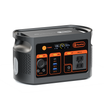
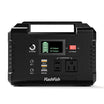
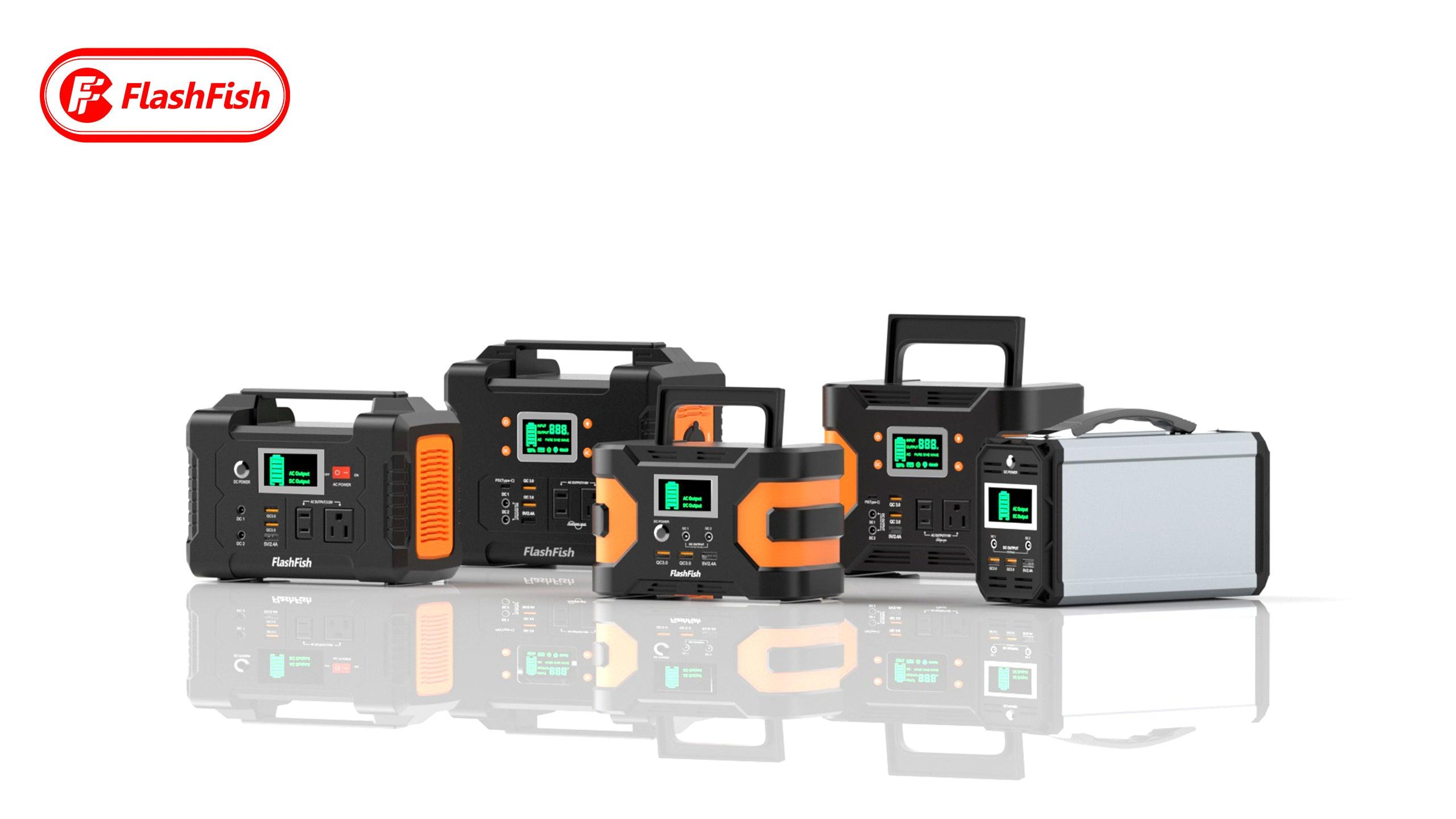
FlashFish product pages and manuals can document fields such as outlet type, voltage, frequency, continuous output, peak output, battery capacity, and operating notes for an exact product version. Those records do not certify compatibility with a medical device. No FlashFish model should be selected for this use unless the medical-device manufacturer or supplier confirms the connection method and operating requirements.
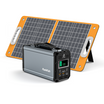
If you are comparing general-purpose portable power products, review the FlashFish portable power station collection only after collecting the medical-device requirements. Treat the collection as product information, not medical guidance.
During and after a power outage
The FDA's medical-device disaster guidance says to read the user instructions or contact the manufacturer or distributor to determine whether a device can use batteries or a generator. It also advises checking for water before connecting a device and checking device settings after utility power returns.
- Keep the medical device, power cords, batteries, and supplies clean and dry.
- Do not connect wet or damaged equipment.
- Follow all ventilation, oxygen, fire, and carbon-monoxide precautions in the applicable manuals and official emergency guidance.
- After power returns, inspect the device and confirm its settings and alarms as directed by the manufacturer.
Frequently asked questions
Can I choose backup power from the device's wattage alone?
No. Wattage does not confirm the connection type, startup behavior, waveform, grounding, transfer time, environmental limits, approved backup method, or safe operating time.
Does a larger battery guarantee longer safe operation?
No. Capacity is only one field. The exact device behavior, conversion losses, battery condition, environment, and power-source limits also matter, and medical suitability still requires manufacturer or supplier guidance.
What should I do first if an outage is expected?
Follow the care team's emergency plan, charge approved batteries, confirm emergency contacts, check the exact device instructions, and identify a safe location with reliable power. If the outage creates an immediate risk, contact emergency services.

1 comment
Michael David
Dear Sales,
We would like to know if you can source any of the Products listed below
!) 12V 200Ah up to 300Ah AGM, VRLA Battery
!!) 350Watt up to 800Watt Solar Panel System
!!!) 4KW up to 10KW Outdoor Gasoline Generator
Get back to us with the brand and price of the product
Thanks
Michael David | Chief Operating Officer | H&S BAKERY Inc.
t: 410-695-3940
e: mdavid@hsbakeryinc.com
a: 601 S Caroline St Baltimore, MD, 21231-2814
Leave a comment
Laman ini dilindungi oleh hCaptcha dan tertakluk pada Dasar Privasi dan Terma Perkhidmatan hCaptcha.