

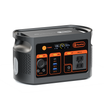
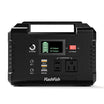

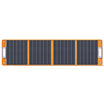
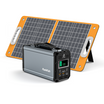
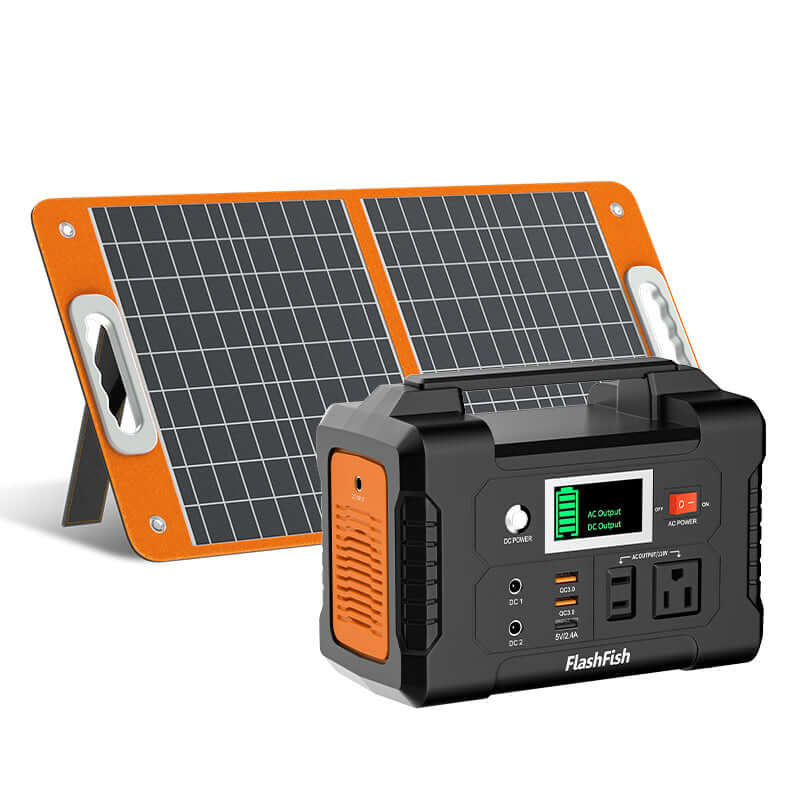
A portable power station is the battery and inverter. A solar generator kit adds a portable solar panel so the station can be recharged when outdoor sunlight, connector fit, and station input limits support it. Beginners should choose the station first when their device loads and battery-size needs are still unclear, and choose the kit first when they already know they need solar top-up for camping, apartment outage planning, or off-grid time outdoors. In the FlashFish lineup, the kit path can start with compact station-plus-panel bundles or step up to T1200S / T2000 kit options.
Station first vs kit first
The biggest beginner mistake is treating "solar generator" as a separate type of battery. In ordinary shopping language, a solar generator kit is usually a portable power station paired with a portable solar panel. The station stores energy and powers devices. The panel converts sunlight into electricity for charging. The panel itself does not store power.
That distinction changes the buying order. If you do not yet know your loads, start with the station. If you already know your load size, have outdoor sun access, and want a panel path from day one, a kit can be the cleaner purchase.
Decision table: which path fits your situation?
| Question | Buy the station first when... | Buy a kit first when... |
|---|---|---|
| Do you know the loads? | You are still deciding between phones, laptop, router, fan, lights, or larger devices. | You already know the device labels and expected use case. |
| Do you have outdoor sun access? | You mainly charge from a wall outlet or vehicle before use. | You camp outdoors or have a safe outdoor charging location. |
| Is this for an apartment? | Your balcony, window, shade, rules, or placement are uncertain. | You have a realistic outdoor setup and understand that window or shade charging may be limited. |
| Is portability the priority? | You want the smallest useful station first. | You are comfortable carrying both a station and a folded panel. |
| Is budget sequencing important? | You want to buy the core battery first and add solar later. | You want the panel path included from the start. |
FlashFish station-first path
A station-first path is the better fit for beginners who are still learning their load list. Start by choosing the output and capacity tier, then add solar only when the station's input limit and your sunlight conditions make sense.
For compact loads, the FlashFish E200 is a 151Wh portable power station with 200W modified sine AC output, 400W peak output, and 40W max solar/DC charging. The FlashFish T300PRO steps into the 300W class with 230Wh capacity, 300W continuous AC output, 600W peak output, LiFePO4 battery chemistry, pure sine AC output, and 120W max solar input.
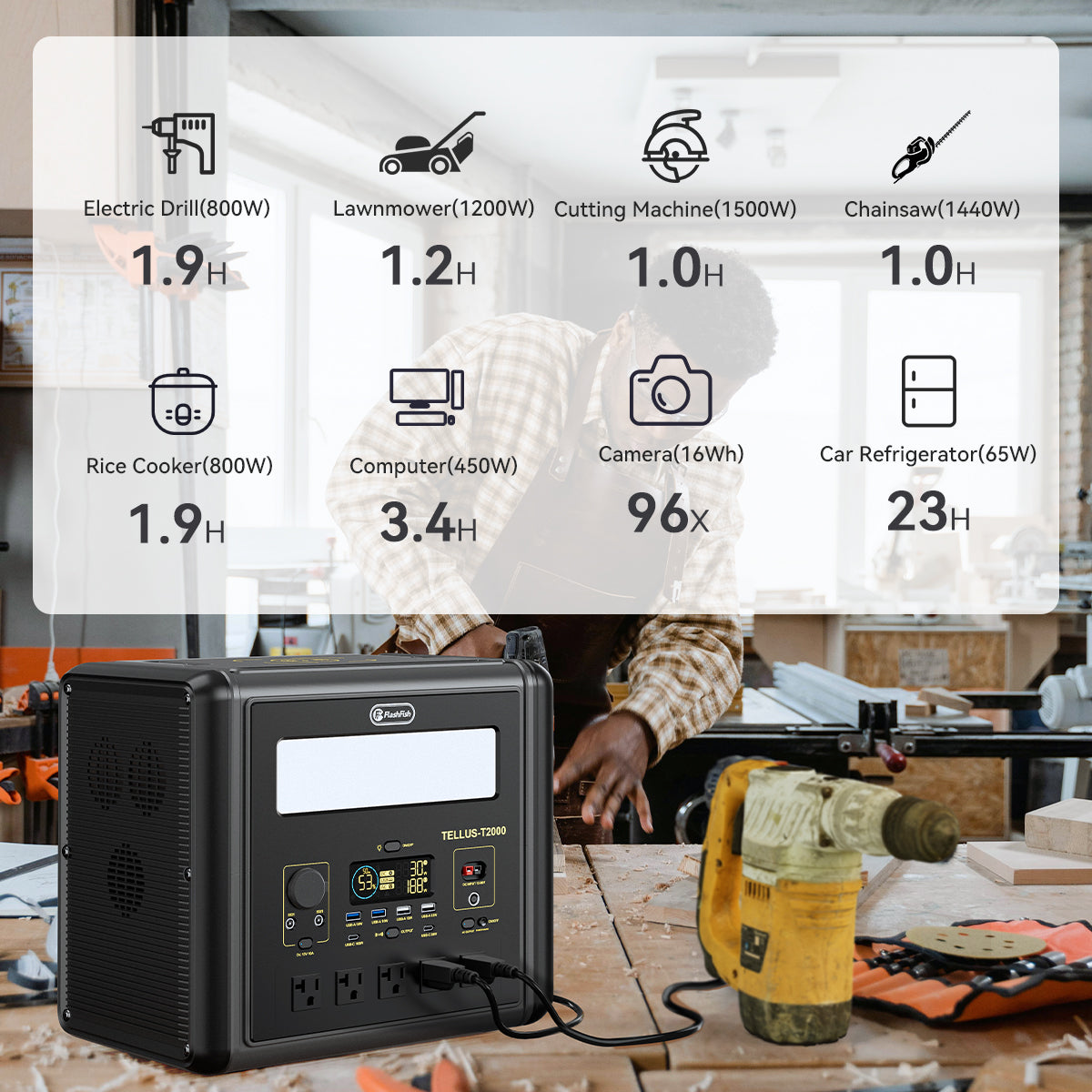
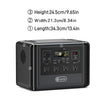
For a larger plan, the FlashFish T1200S is listed as 768Wh, 1200W continuous AC output, 2400W peak output, LiFePO4 battery chemistry, and 400W max solar input. The FlashFish T2000 is the larger 1536Wh / 2000W tier. These larger models should be matched to a real load list, not used as a generic upsell.
FlashFish kit-first path
A kit-first path makes sense when solar top-up is part of the main use case from the start. That usually means camping, outdoor work, RV-adjacent charging, or an outage plan with safe outdoor panel placement. It is less convincing when a buyer expects reliable indoor, window, shaded, or bad-weather charging.
The FlashFish solar generator kits collection is the best starting point for comparing station-and-panel combinations. Available kit options include compact E200 + TSP60 configurations and larger station-plus-TSP100 configurations; confirm the listed station model, panel, ports, and input limits before choosing.
For a compact starter kit, the active FlashFish E200 + TSP60 solar generator kit pairs the 151Wh / 200W E200 station with a 60W panel path. For a higher-capacity kit plan, the active FlashFish T1200s + TSP100 kit and FlashFish T2000 + TSP100 kit can be discussed as larger options without making recharge-time promises.
Portable solar panel facts to keep clear
The FlashFish TSP60 is a 60W foldable monocrystalline solar panel with 18V DC output, USB charging outputs, and a 1.9kg weight. The FlashFish TSP100 is a 100W foldable monocrystalline solar panel with 18V DC output, USB charging outputs, and a 2.8kg weight.
These ratings do not guarantee a full recharge time or daily solar yield. Solar production depends on sunlight, angle, weather, shade, temperature, setup, and the receiving station's input limit.
Input-limit checklist before buying a kit
- Check the station's supported solar or DC input before choosing a panel.
- Check connector compatibility and manual instructions.
- Decide whether you can place the panel outdoors in direct sun.
- Do not assume a window, shaded balcony, or indoor setup will perform like open outdoor sun.
- Choose the station size first if the panel choice is distracting from your actual load list.
When station first is the better choice
Buy the station first when your main question is "What can I run?" rather than "How will I recharge outdoors?" This path is especially reasonable for apartment users, new campers, home-office outage planning, and buyers who want to understand output tiers before adding accessories.
The FlashFish portable power stations collection is the natural link for that path.
When kit first is the better choice
Buy the kit first when you already know the station tier you need and solar top-up is part of the core use case. This is common for campers who expect outdoor sun exposure, users who want an included panel for occasional outage preparation, or buyers comparing small solar generator kits rather than standalone batteries.
The kit-first path should still stay conditional. A solar panel helps when the sunlight and input conditions are right; it does not remove the need to size the battery and inverter correctly.
FAQ
Is a solar generator kit the same as a portable power station?
No. The portable power station is the battery and inverter. A solar generator kit adds a solar panel so the station has a solar charging path.
Should I buy the battery first or the solar panel first?
Buy the battery first if your device loads are unclear. Buy the kit first if you already know your station size and have realistic outdoor sunlight for panel charging.
Does a portable solar panel store power?
No. A portable solar panel converts sunlight into electricity. The power station stores energy.
What should apartment users check before buying a solar kit?
Apartment users should check safe outdoor placement, balcony rules, shade, window limitations, cable routing, and whether the station's solar input matches the panel.
Which FlashFish kit size fits a beginner?
A beginner should match the kit to the load list first. E200 + TSP60 is a compact starter-kit context, while T1200S/T2000 kit paths fit larger plans after output, capacity, and portability checks.

Leave a comment
Laman ini dilindungi oleh hCaptcha dan tertakluk pada Dasar Privasi dan Terma Perkhidmatan hCaptcha.