


No. A battery cycle-life statement describes a stated cycling and capacity-retention endpoint; it does not establish warranty duration, covered faults, or your eligibility for service. Read the battery statement and the applicable warranty as separate evidence. Do not convert a cycle count into covered years or assume that a capacity percentage is a warranty replacement threshold.
For U.S. portable-power-station buyers, this distinction matters when comparing durability language with an order's actual service terms. A useful comparison records what each statement says, where it came from, and what remains unknown. It avoids predicting either the battery's remaining life or a future claim decision.
Keep two records with different questions
The battery record asks: what capacity-retention statement accompanies the cycle figure, and under what test conditions? The warranty record asks: what period and conditions apply to this exact model, seller, regional version, and purchase? Evidence answering one question cannot fill a blank in the other.
A cycle figure without a complete test protocol leaves questions about charge and discharge conditions, temperature, and the definition of a counted cycle. A warranty duration without the applicable terms leaves questions about the start date, covered events, exclusions, and the remedy. Keep those blanks visible instead of treating a familiar number as a complete promise.
This guide compares statement types. It does not interpret statutory rights or determine contractual coverage for a particular purchase. Your order, seller agreement, unit history and the applicable service terms remain necessary for a purchase-specific answer.
Read the exact E103 and T200 statements
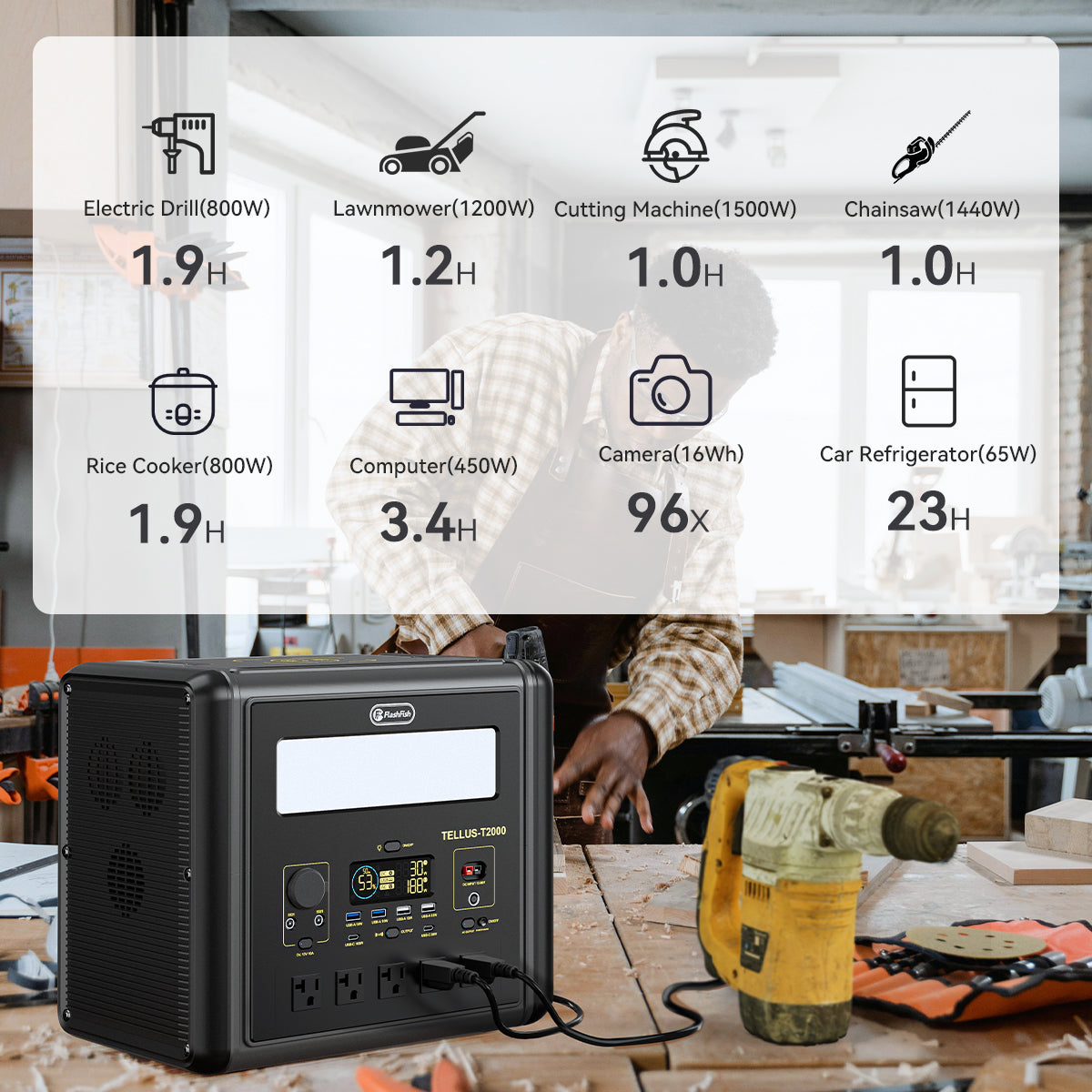
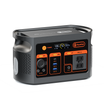
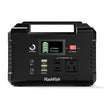
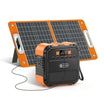
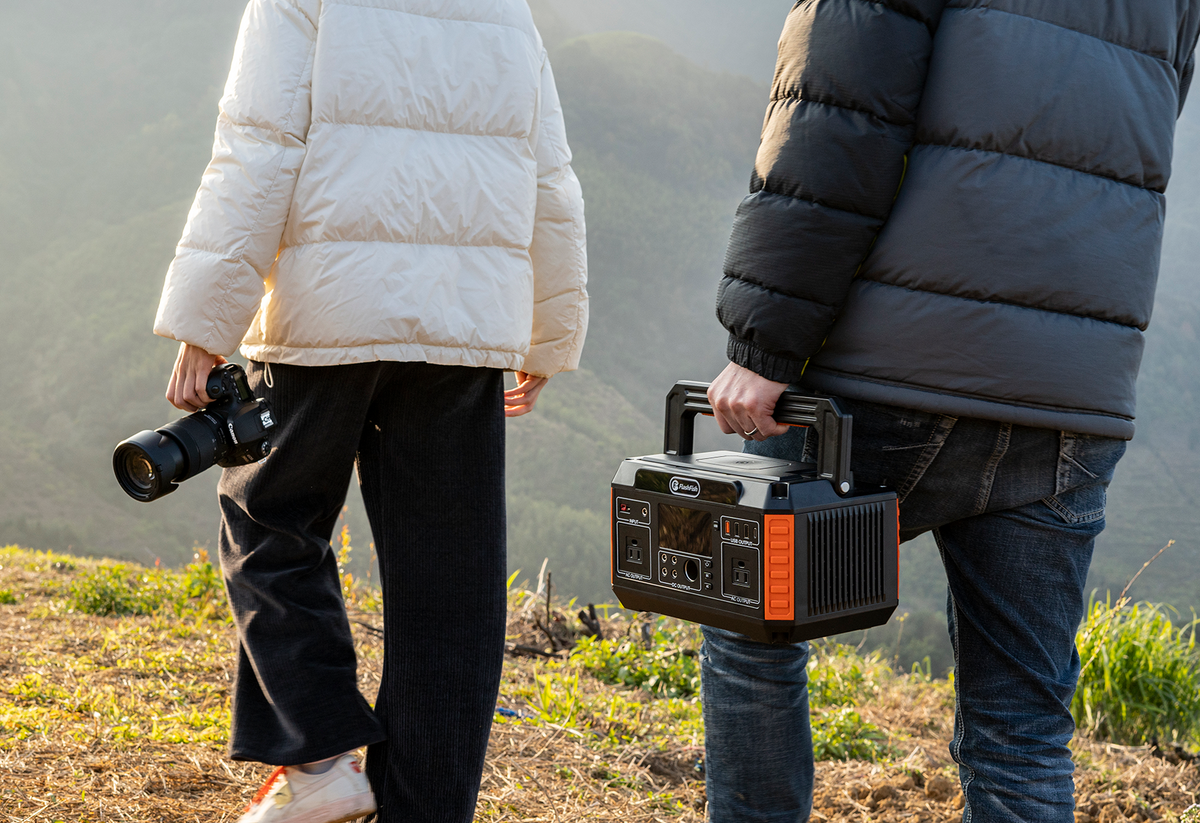
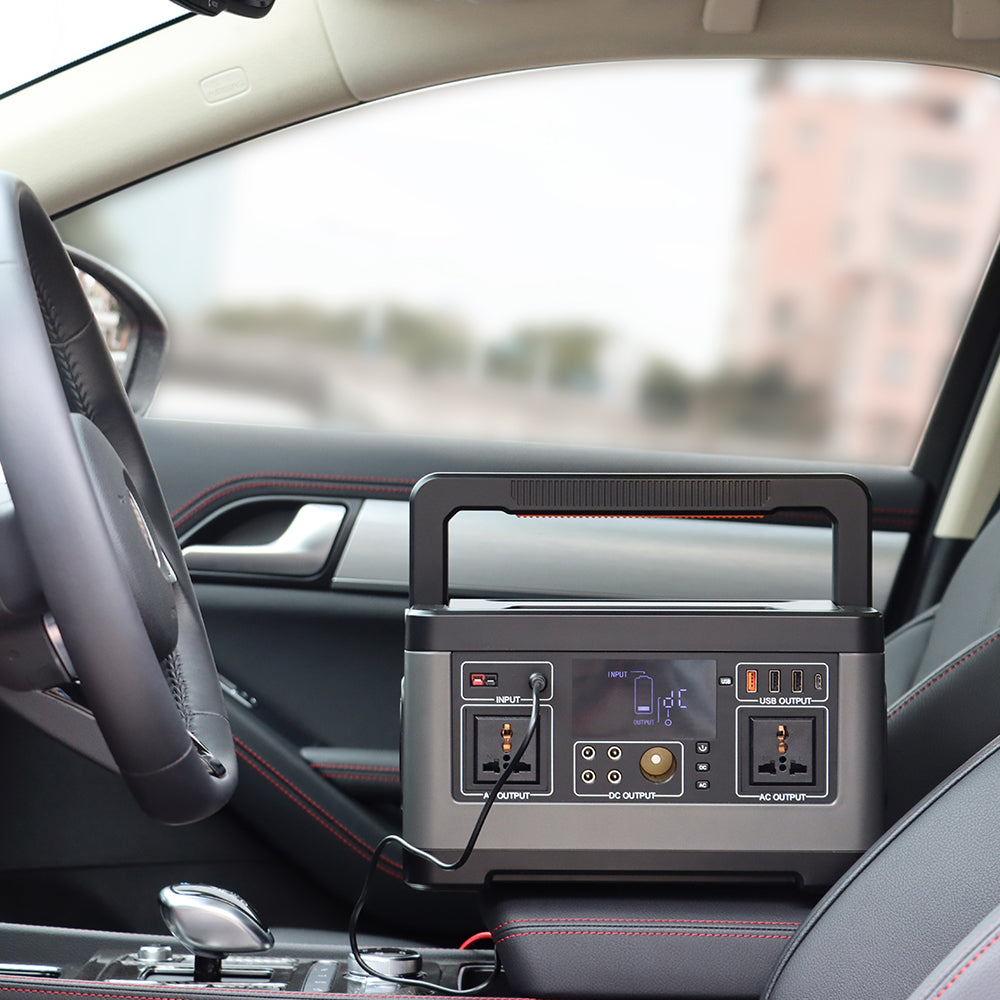
The FlashFish E103 manual states “3000+ cycles to 80%+ capacity.” It identifies LiFePO4 battery chemistry. The T200 manual, also named TELLUS-T200, states “>3500 cycles with remaining capacity >80%.” Preserve the different wording rather than turning both into the same exact cutoff.
Neither quoted statement supplies a complete cycling test protocol for this comparison. They do not establish how a specific unit was used, its current capacity, or its future service life. The E103 source manual is a 230V version; confirm the documentation for the actual U.S. unit before applying model-specific claims to a purchase.
The E103 and T200 manuals each state a 12-month warranty. The T200 manual warranty text also excludes accessories. A stated duration does not decide whether an order or issue qualifies. Check the original manual and purchase-specific terms before relying on coverage wording.
Use a two-record evidence matrix
| Model | Cycle statement and source | Retention endpoint | Test-condition gaps | Warranty source | Coverage still unresolved |
|---|---|---|---|---|---|
| E103 | E103 manual record: 3000+ cycles | 80%+ capacity in the stated wording | Complete cycling protocol and individual-unit applicability | Manual: 12 months; official U.S. model reference checked October 16, 2026, Asia/Shanghai | Order-specific start date, covered event, remedy and eligibility |
| T200 / TELLUS-T200 | T200 manual record: more than 3500 cycles | More than 80% remaining capacity | Complete cycling protocol and individual-unit applicability | Manual: 12 months, accessories excluded in manual text; official U.S. model reference checked October 16, 2026, Asia/Shanghai | Applicable seller terms, issue classification, remedy and eligibility |
The table does not rank the models by expected lifespan. Different statement wording and missing test details prevent a controlled durability comparison. It also does not treat accessory wording in one source as a complete description of another model's warranty.
What the official U.S. warranty page currently confirms
FlashFish's Warranty & Claim Support page was checked on October 16, 2026, Asia/Shanghai, corresponding to October 15 UTC. Its model reference lists E103 and T200 among portable power stations with 12-month warranty durations. The page asks readers to match the exact model and consult their order documentation.
For a request, it asks for purchase evidence, seller or purchase channel, purchase date, exact model, and issue details, with regional and serial information when available. It also instructs customers to obtain support instructions before shipping a unit. This page-level observation does not establish an individual order's coverage or a capacity-retention remedy.
Build a purchase-specific evidence packet
Save the dated seller terms associated with the purchase, the order receipt, and the exact model information. Copy the battery statement into a separate field with its source. Add the missing protocol details as questions rather than silently supplying values from a different model or a general battery article.
If your question concerns a reported drop in capacity, describe the observation and the method used to obtain it. Do not translate a display reading, elapsed ownership time, or remembered charge count into a laboratory capacity result. The specifications discussed here do not provide a procedure for measuring your unit's remaining capacity.
Ask support which terms apply to the order, what information they need to assess the issue, and what next step they authorize. A written answer can resolve a specific uncertainty. A model-reference duration alone cannot answer every question about cause, eligibility, or service arrangements.
Three hypothetical reading mistakes to avoid
1. Turning cycle count into covered years
A buyer sees the T200 cycle statement and divides it by an assumed daily use pattern to claim a multi-year warranty. The conclusion is unsupported. Record the cycle wording in the battery field and the separately sourced 12-month duration in the warranty field. Do not produce a lifetime or coverage projection.
2. Treating the retention endpoint as a replacement trigger
An E103 owner sees the 80%+ wording and assumes a lower observed reading automatically qualifies for replacement. The battery statement does not establish that remedy, and the observation may not be a comparable capacity measurement. Preserve the issue evidence and request the applicable assessment requirements.
3. Extending station coverage to an accessory
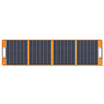
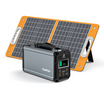
A T200 buyer assumes its station warranty field automatically covers a charging accessory. The manual explicitly excludes accessories, while the purchase-specific documents still need to be checked for the exact item. Identify the accessory and seller terms before drawing a service conclusion.
Frequently asked questions
Does 3000+ cycles mean the battery stops at that count?
The E103 manual states a cycle and retention claim. It does not establish a stop date, a remaining-life estimate, or the condition of your unit. The full test protocol is not provided in the available manual statement.
Is a higher cycle number always the better purchase?
The numbers alone do not resolve the comparison. Keep their exact retention wording and test-condition gaps visible, then assess the product against your documented device requirements and applicable purchase terms. This guide supplies no controlled longevity comparison.
Can the warranty page tell me whether my claim will pass?
Its model reference provides duration information and a request route. A specific decision still requires the applicable order terms and issue evidence. Do not infer approval from a cycle count or model name alone.
Compare the right evidence before choosing
Create separate battery-statement and warranty fields in your shortlist. For E103 or T200, retain the source wording above, resolve the actual U.S. version, and collect the seller's purchase-specific terms. Then evaluate the exact model's documented capabilities alongside the service information you have confirmed.
Next step: View the current FlashFish E103 product details.

Leave a comment
Laman ini dilindungi oleh hCaptcha dan tertakluk pada Dasar Privasi dan Terma Perkhidmatan hCaptcha.