


Before packing a temporary charging station, identify who controls the site, who runs the event, and who can resolve applicable official requirements. Ask for a dated record covering your actual location, activity and equipment. If a required permission is unresolved, keep that setup out of the packing plan and choose an unpowered alternative. A small battery or a quiet device does not establish permission.
This guide helps U.S. adult organizers document a non-critical charging proposal. It does not grant a permit, interpret local law or approve an electrical arrangement. Permission and electrical suitability are separate questions; both need an answer before use.
Assign the decision to someone with authority
Start with the property operator rather than assuming a volunteer, vendor or equipment owner can approve the setup. Ask the event organizer who handles site restrictions and whether another official decision is required. Request the applicable published policy or written direction for the exact activity. Do not treat a friendly informal response as proof that every relevant authority has agreed.
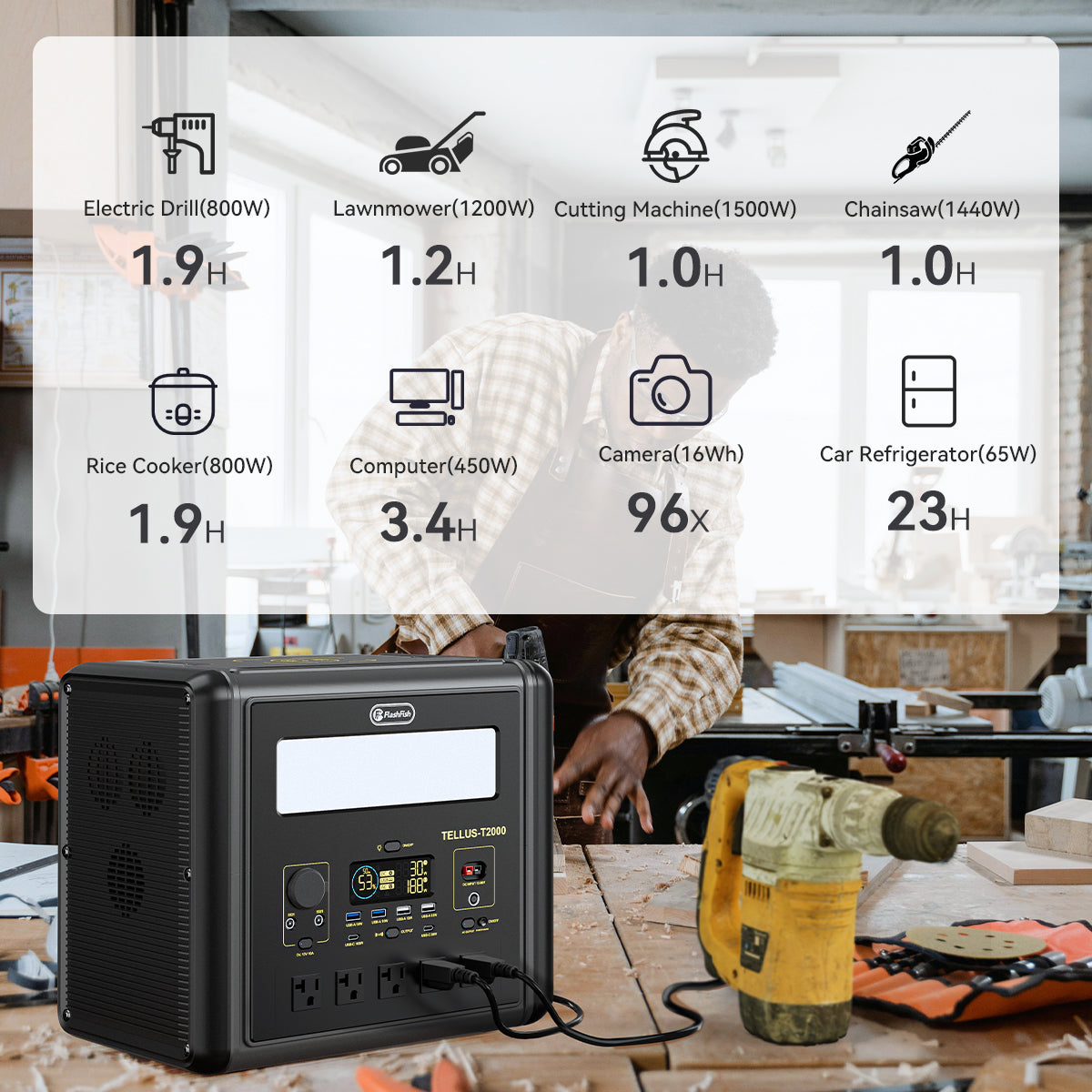
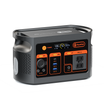
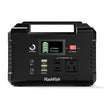
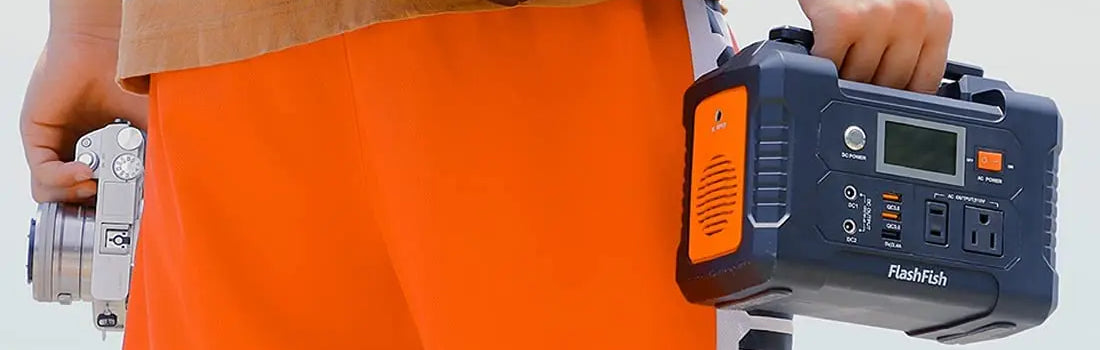
Describe what you intend to do in plain language: charge personal phones at one table, for example, rather than simply “bring a battery.” Include the proposed location, hours, responsible adult and equipment identities. A101 and E200 identify different FlashFish stations; neither model name alone describes the whole arrangement. Include the connected device and charger identities when seeking direction.
A documented example: National Mall events
The National Park Service National Mall event planning guide, checked November 13, 2026, places battery or solar equipment within its permitted-event guidance. Sections 2.3 and 2.4 address site-plan approval and coordination with the permit specialist; section 4.7.4 mentions battery-powered equipment. Read the full applicable requirements rather than treating that mention as blanket permission.
This is a specific federal event example, not a rule for every campground, city park or private venue. Do not transfer its procedures or deadlines to your own site. Its practical lesson for planning is to locate the actual authority and the actual permitted scope before selecting equipment.
Make a permission record you can act on
| Activity | Responsible authority | Policy and date | Permitted scope | Unresolved issue and owner |
|---|---|---|---|---|
| Use a charging table at the proposed site | Named property operator or authorized representative | Exact policy locator and written response date | Location, hours and activity actually covered | Who must clarify any missing approval |
| Operate within an organized event | Organizer's designated decision maker | Event rules and any relevant permit reference | Equipment and responsibility accepted for this event | Who records a go/no-go decision |
| Meet additional official requirements | Authority identified for this site and proposal | Applicable official direction, if required | Only the scope actually confirmed | Pending questions remain pending |
Save a copy with the proposal it answers. Record restrictions beside the approval, not in a separate note that can be lost. If the table location, activity or equipment changes, ask whether the earlier direction still covers the revised proposal. An approval for a different booth is not evidence for yours.
Three hypothetical outcomes
Confirmed scope: the authorized operator's dated reply covers the described table and hours, and the organizer has resolved the other required decisions. Retain those conditions and proceed to the separate equipment checks.
Partial scope: an organizer welcomes phone charging but has not established the property operator's permission. Mark the site decision pending; do not turn the welcome into authorization.
No usable permission: nobody can identify the responsible decision maker before packing. Plan an information-only table without powered charging. These examples are fictional planning decisions, not approvals obtained from any venue.
Keep equipment checks in their own record
After permission is resolved, match the exact station version and connected equipment to their instructions. Use the FlashFish model-specific user-guide directory to locate applicable documents. Do not substitute an event approval for the manufacturer instructions or a load calculation for site permission. This article has not tested a charging setup or obtained permission for the reader.
FAQ
Does approval for a table include charging equipment?
Only if the permission actually covers the charging activity and its conditions. Send the complete proposal to the responsible decision maker when the wording is unclear.
Who should keep the permission record?
Assign a named organizer to retain the dated proposal, response and restrictions together so the person on site can identify what was agreed.
What if the planned location changes?
Identify the change and seek confirmation that the existing direction covers it. Keep the revised arrangement pending until that question is resolved.
Next step: Review the FlashFish A101 product details.

Deixar comentário
Este site é protegido por hCaptcha e a Política de privacidade e os Termos de serviço do hCaptcha se aplicam.