



Quick answer: Early electric telegraphs needed a dependable current to energize electromagnets over long wires. Daniell cells became important because their output was steadier than many earlier cells, while Grove cells supplied another high-current option and were used on the early Baltimore-Washington telegraph line. These were maintained wet-cell systems, not sealed modern battery packs.
Why the telegraph needed batteries
A telegraph key opened and closed an electrical circuit. At the receiving end, current energized an electromagnet that moved a sounder, relay, or recording mechanism. The source had to support repeated signals through wire and equipment resistance. A cell that changed rapidly during use could make communication less consistent.
What the Daniell cell changed
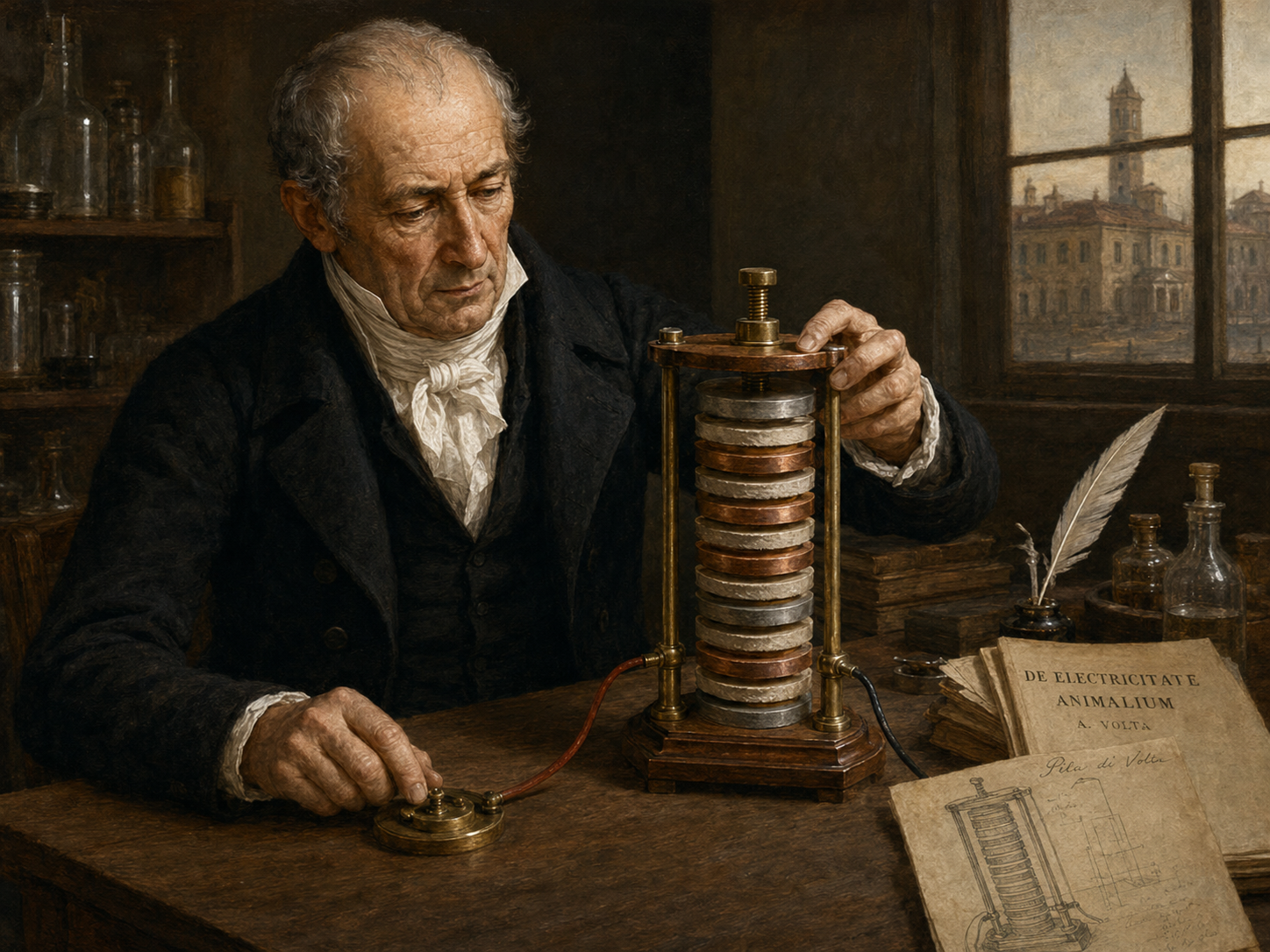
John Frederic Daniell developed his cell in 1836 using separate electrolytes and zinc and copper electrodes. The arrangement reduced polarization, a process that could interfere with output in earlier cells. Its relatively steady voltage made the Daniell cell useful in measurement and communications.
The Smithsonian National Museum of American History Daniell-cell record explains the design and notes that its reliable voltage served as a standard into the 1870s.
Where Grove cells fit
William Grove's cell used a different chemical arrangement and could deliver a stronger current, but it also required corrosive materials and careful operation. The Smithsonian record notes that Grove cells used on Samuel Morse's Baltimore-Washington telegraph line were a refined version of Daniell's work.
Telegraph batteries required routine work
Operators had to inspect electrolyte levels, electrode condition, corrosion, connections, leakage, and output. Batteries occupied physical space and their materials needed handling. The history of telegraph power is therefore also a history of maintenance, not just invention.
What changed after wet cells
Later battery designs improved portability, sealing, manufacturing, and application fit. Generators and centralized electrical systems also changed how communications equipment received power. No single historical cell maps directly to a modern power station because modern systems combine battery cells with charging, controls, protection circuits, outputs, and an enclosure.
How to compare a modern power source
| Question | Current evidence to check |
|---|---|
| How much energy is stored? | Model-specific watt-hour capacity |
| Can it support the load? | Continuous output, peak record, voltage, frequency, and waveform |
| How is it charged? | Input voltage, current, wattage, connector, and approved source |
| How should it be used? | Manual limits for temperature, moisture, ventilation, storage, and maintenance |
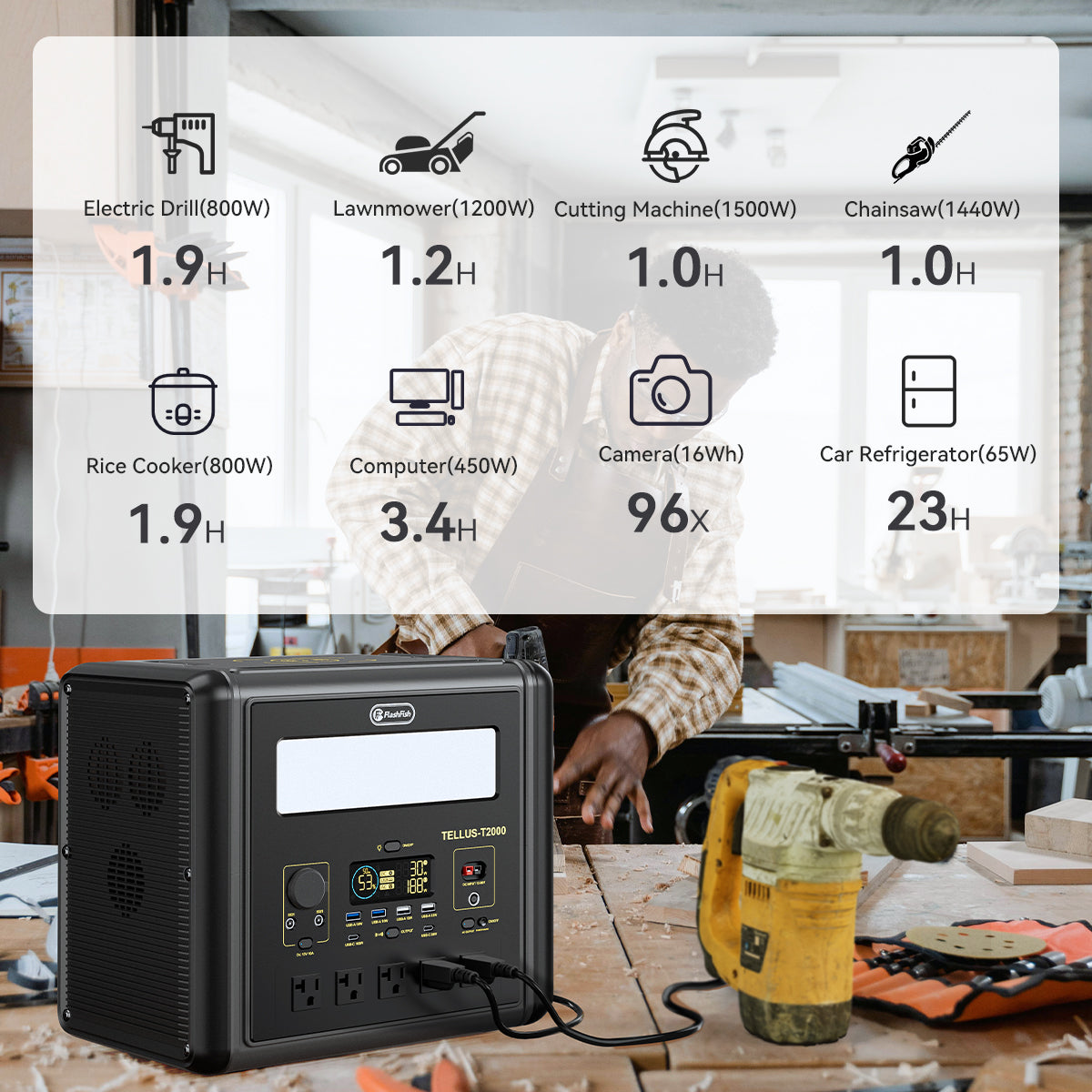
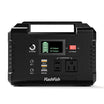
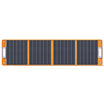
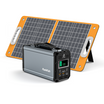
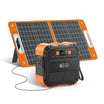
For current FlashFish products, compare exact model records on the FlashFish comparison page and the corresponding product manual.
Frequently asked questions
Why were Daniell cells useful for telegraphy?
Their output was comparatively steady, which supported repeated electrical signaling and made them useful as a voltage reference.
Did the first telegraphs use household wall power?
No. Early systems predated modern electrical distribution and used electrochemical cells arranged for the circuit.
Are Daniell and Grove cells rechargeable batteries?
They were maintained primary wet cells, not rechargeable packs in the modern consumer sense.


Deixar comentário
Este site é protegido por hCaptcha e a Política de privacidade e os Termos de serviço do hCaptcha se aplicam.