


Quick answer: Prepare for a winter storm before warnings become urgent. Confirm local alerts, build a household supply kit, plan where you will stay warm, charge communication devices, and decide which small loads matter most during an outage. Treat portable backup power as one part of the plan, not as a substitute for emergency services, safe heating, or evacuation instructions.
1. Follow local alerts and make a communication plan
Check forecasts and warnings from your local National Weather Service office, then sign up for community emergency alerts. Decide how household members will contact one another, where you will meet, and where you can go if your home becomes unsafe or too cold.
The Ready.gov winter weather guide is a useful starting point for a household plan.
2. Build a winter emergency supply kit
Gather supplies before travel becomes difficult. Your kit should reflect the people, pets, medications, and accessibility needs in your household.
- Water and food that can be used without extensive cooking
- Prescription medicines and essential personal supplies
- Flashlights, spare batteries, and a battery-powered or hand-crank radio
- Phone charging cables and charged backup batteries
- Warm layers, blankets, first-aid supplies, and copies of important contacts
Review the official Ready.gov emergency kit checklist and adapt it to your household.
3. Plan how you will stay warm
Identify a safe heated location you can use if your home loses heat. Check doors and windows for obvious drafts, keep warm clothing accessible, and know when local officials recommend leaving. Never use a gas stovetop, oven, grill, or other combustion appliance to heat an indoor space.
4. Make a label-first backup power plan
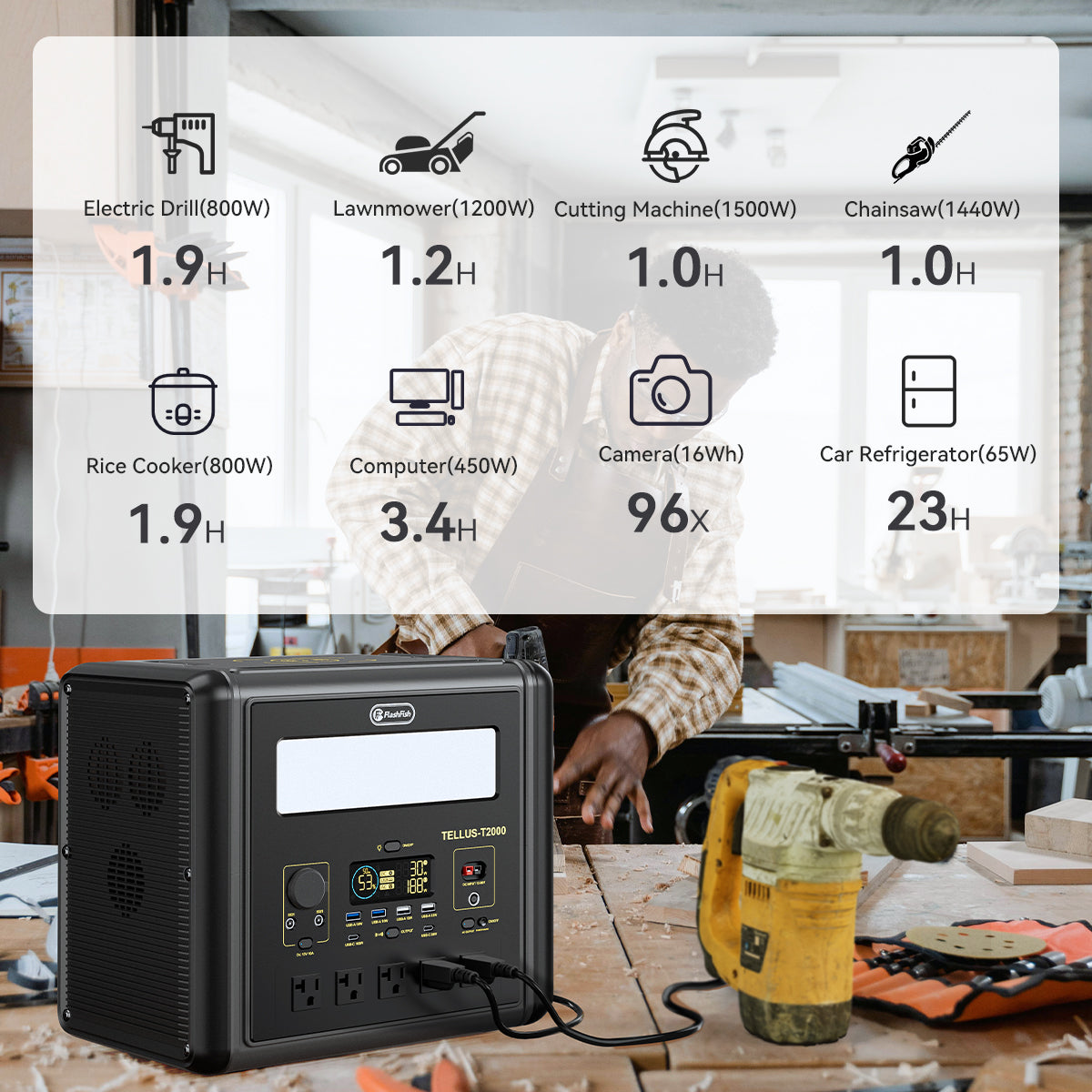
List only the devices you may need for communication, lighting, or another essential household task. Read each device label and manual for its input, starting demand, approved connection method, and operating limits. Then compare those requirements with the exact output and capacity records for the power source you plan to use.
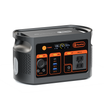
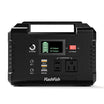
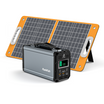
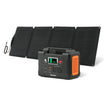
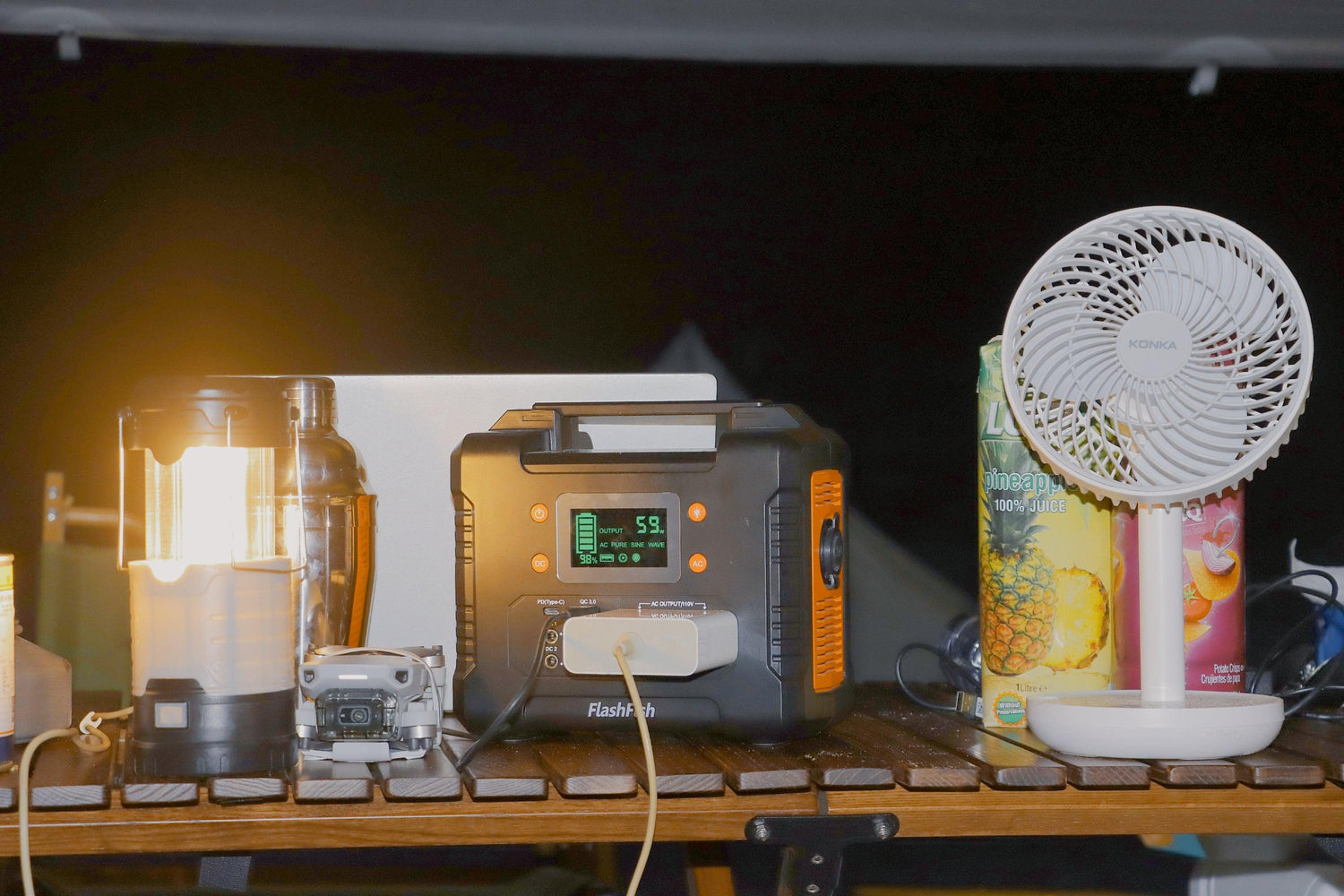
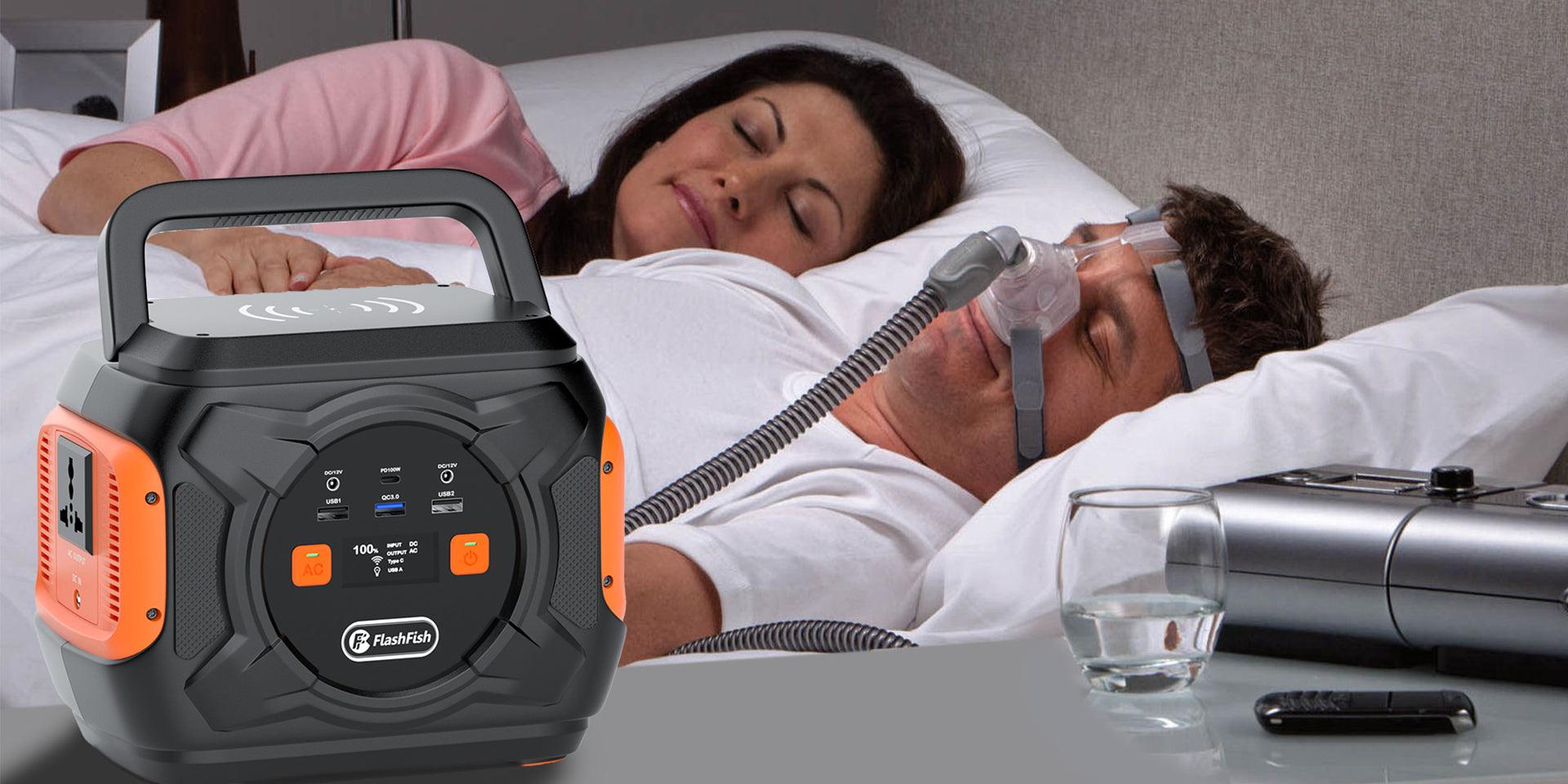
A portable power station can support compatible devices only within its documented limits. Capacity is not a runtime promise, and a unit should not be described as powering an entire home without a verified load plan and an approved electrical setup. Charge equipment before the storm, keep it dry, and follow its manual for storage and operation.
To compare currently listed options, review the FlashFish portable power station collection and the exact product manual. Contact FlashFish Support when a required specification is not shown.
5. Separate battery power from fuel-generator safety
Battery power stations and fuel-burning generators are different products. Ready.gov says fuel generators, camp stoves, and charcoal grills must be used outdoors and at least 20 feet from windows, doors, and garages. Keep working smoke and carbon monoxide alarms with battery backup in the home.
See the official Ready.gov power outage guidance for current safety steps.
6. Know when cold exposure is a medical emergency
Cold exposure can cause frostbite and hypothermia. Confusion, slurred speech, drowsiness, fumbling hands, or severe shivering can be warning signs of hypothermia. Do not rely on a shopping guide for diagnosis or treatment. Seek emergency medical help and follow current public-health instructions.
Review the CDC hypothermia guidance and CDC frostbite guidance before winter weather arrives.
Frequently asked questions
When should I charge backup power before a winter storm?
Charge it before severe weather reaches your area, then confirm the display, cables, and the exact device plan. Follow the storage and charging instructions in the product manual.
Can a portable power station heat my whole home?
Do not assume that it can. Space-heating loads can be high, and whole-home use requires a separate, verified electrical plan. Compare every load with the exact power-source record and use a safe heated location when the home cannot remain warm.
Does solar charging guarantee power during a storm?
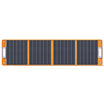
No. Solar input varies with weather, light, orientation, panel compatibility, and the receiving device's limits. Treat solar charging as a possible replenishment path, not guaranteed emergency capacity.


Deixar comentário
Este site é protegido por hCaptcha e a Política de privacidade e os Termos de serviço do hCaptcha se aplicam.