

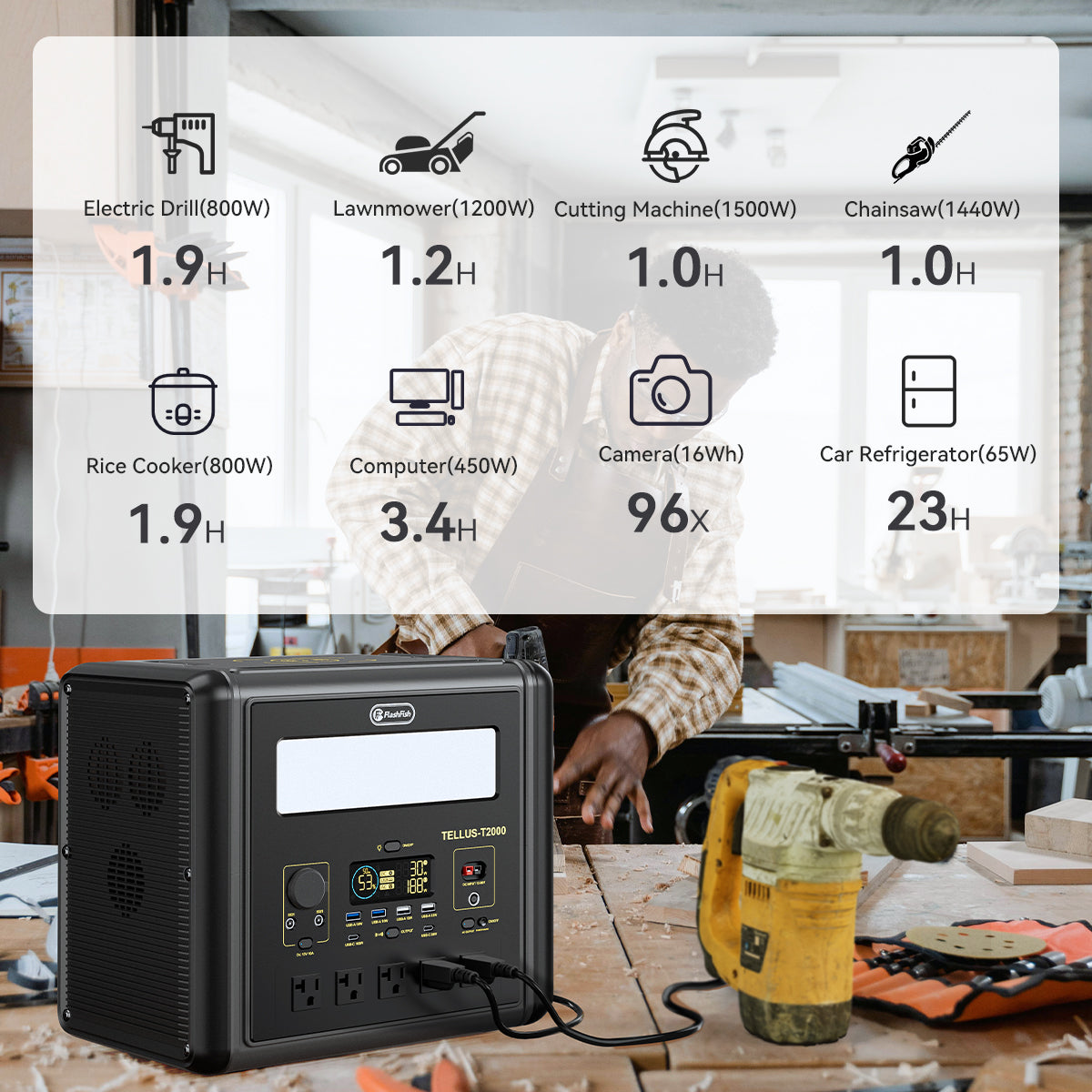

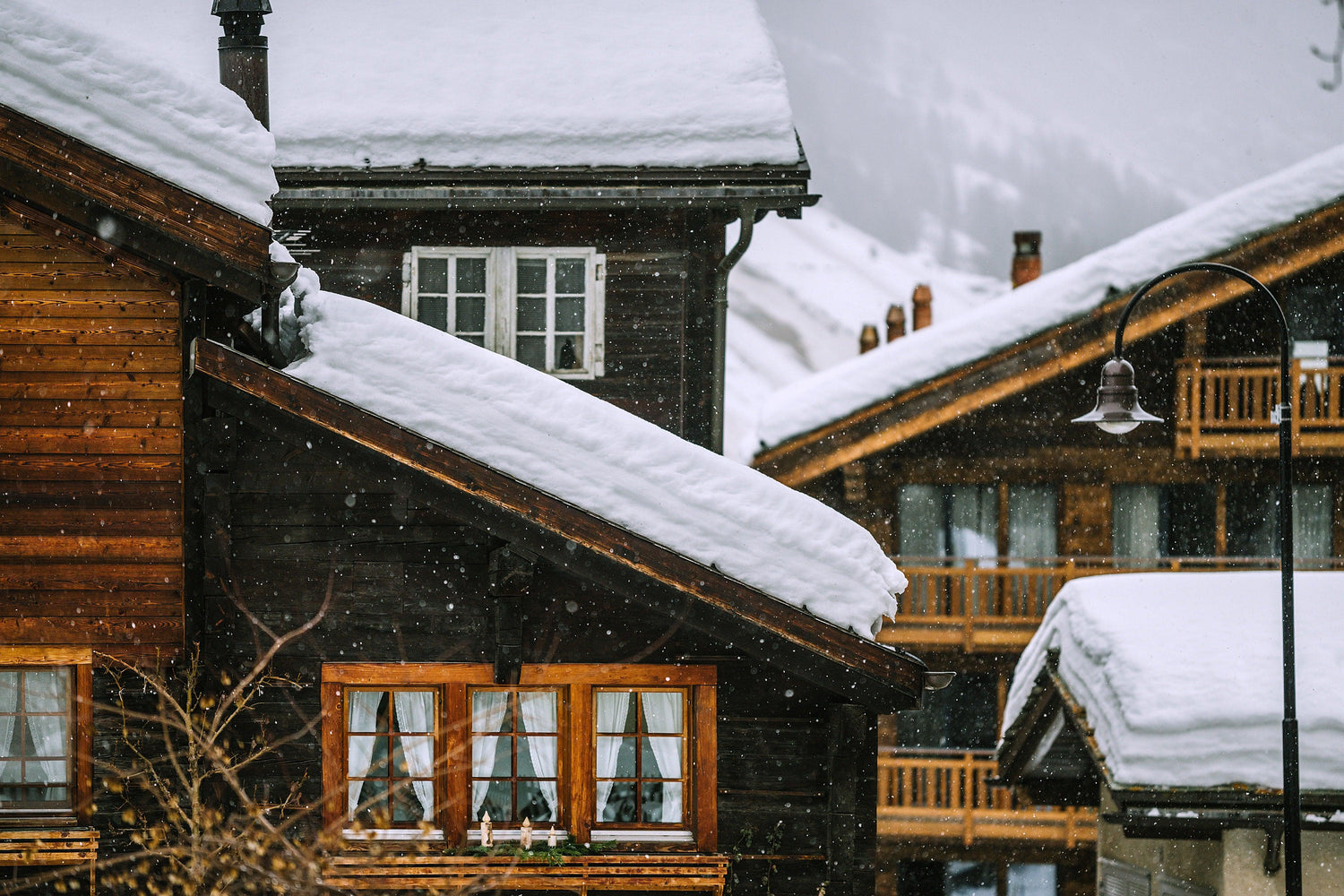
Quick answer: Prepare for a blizzard before travel becomes difficult. Follow local alerts, assemble supplies, identify a safe heated destination, charge communication devices, protect people and pets from cold, and test only the backup loads whose labels and connections have been verified.
Follow forecasts and local instructions
Monitor the National Weather Service and local emergency alerts. Know the difference between a watch and a warning, and follow evacuation or travel restrictions from local authorities.
Review the official Ready.gov winter weather guidance before conditions deteriorate.
Prepare food, water, medicines, and light
Build a household kit around the number of people, pets, medicines, accessibility needs, and likely local hazards. Keep flashlights and battery-powered lighting available instead of relying on candles.
Use the Ready.gov emergency supply checklist as the baseline.
Plan a safe way to stay warm
Identify where the household can go if the home cannot remain warm. Never use an oven, grill, camp stove, or other combustion appliance to heat an indoor space. Fuel-burning generators must remain outdoors and away from building openings according to official instructions.
Make a label-first backup power list
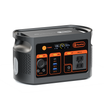
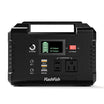
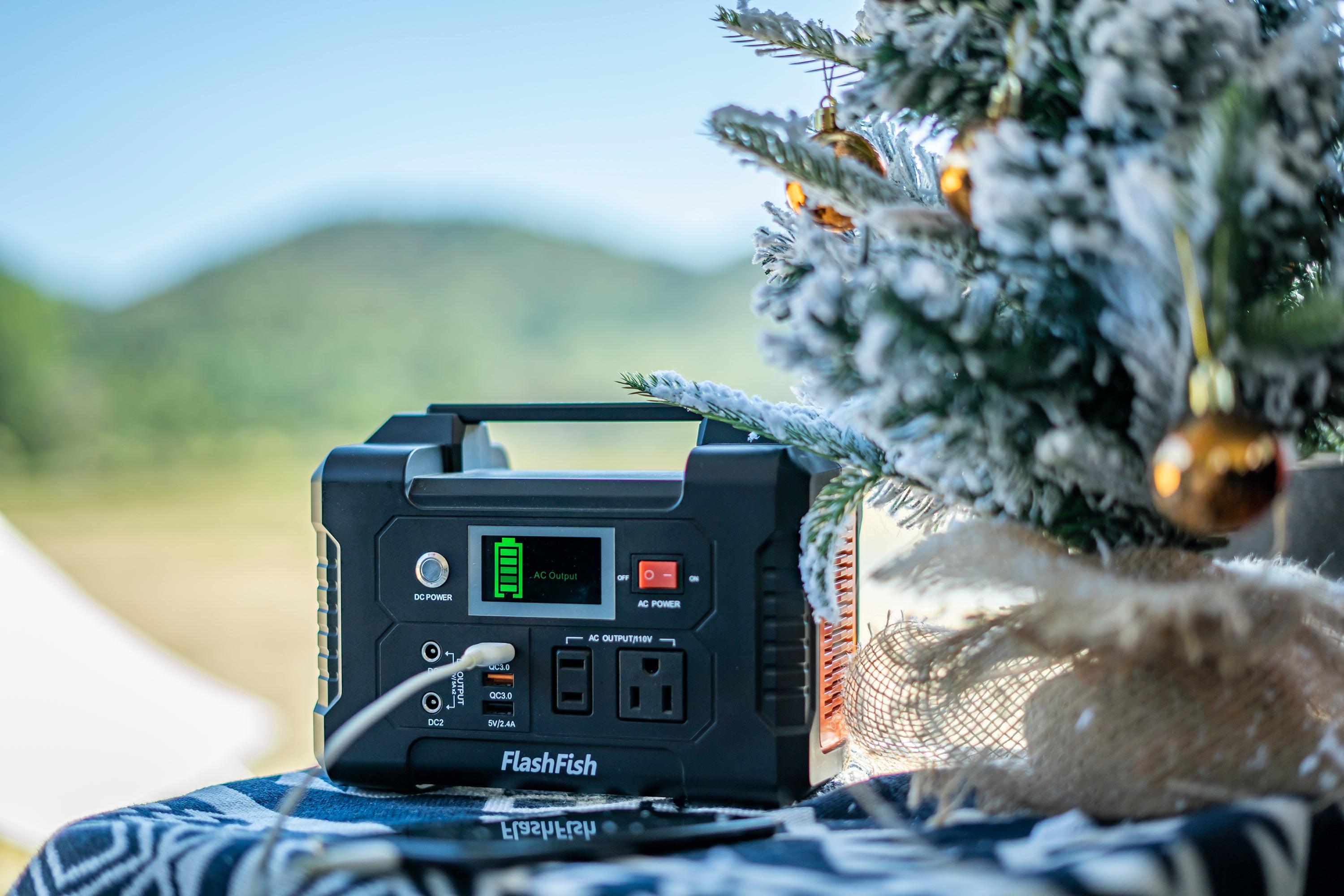
Prioritize communication, task lighting, and another small device only after checking its label and manual. Compare voltage, continuous demand, startup behavior, connector, and required hours with the power source's documented output, ports, and capacity. A portable power station is not automatically a heating or whole-home solution.
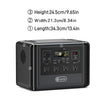
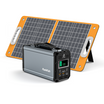
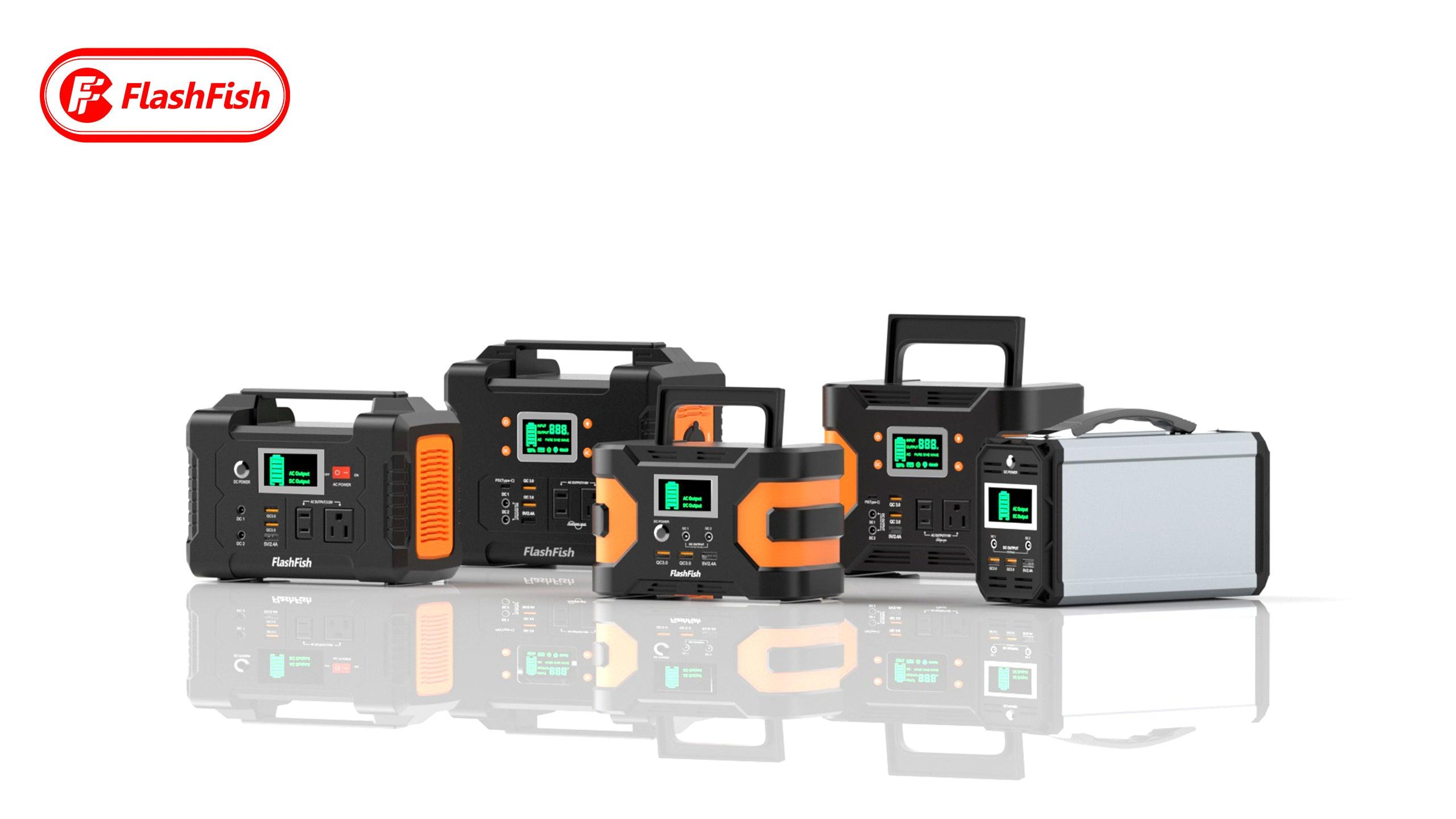
Browse the FlashFish portable power station collection and verify the exact model manual. Contact FlashFish Support when a required specification is missing.
Prepare transportation without unnecessary travel
Check tires, battery condition, lights, fluids, fuel or charge level, and an emergency kit before the storm. Avoid travel when authorities advise staying off the roads, and never remain in a vehicle in a location where snow can block the exhaust.
Include pets and neighbors in the plan
Bring pets indoors, include food and medicines in the supply kit, and identify a pet-friendly destination. Check on neighbors who may need help only when conditions allow safe contact.
Know the signs that require emergency help
Cold exposure can cause frostbite and hypothermia. Use current public-health guidance and seek emergency medical help when warning signs appear; do not rely on a retail guide for diagnosis or treatment.
See the CDC winter weather safety guidance.
Frequently asked questions
Can a portable power station heat a home during a blizzard?
Do not assume that it can. Heating loads can be high, and whole-home use requires a separate verified electrical and safety plan.
When should backup power be charged?
Charge it before the storm reaches the area, then inspect the station, cables, and intended devices. Follow the exact manual for charging and storage.
Will a solar panel recharge normally during snow or heavy cloud?
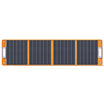
Not necessarily. Snow, cloud, shade, short daylight, panel angle, temperature, and input limits can reduce charging. Treat solar as a conditional option.

Deixar comentário
Este site é protegido por hCaptcha e a Política de privacidade e os Termos de serviço do hCaptcha se aplicam.