





Compare an official service option with a replacement by adding the confirmed cash expenses for each, after manufacturer diagnosis has established the supported choices. Keep warranty eligibility, shipping, taxes, required accessories, and unresolved charges visible. Choose on cost only when both options meet your needs and their totals are documented.
This guide is for a U.S. owner who already has written service information. It does not diagnose a fault, recommend opening a station, or decide whether a damaged unit can be used. If the technical options are still unknown, finish that process before treating a repair estimate as a purchase alternative.
Separate the diagnosis from the price decision
A low quoted charge is useful only when you understand what work it covers and what the returned unit is expected to provide. Record the exact model and regional version, the diagnosis reference, the proposed service, and any conditions attached to it. A replacement must also have a documented fit for the devices and task you intend to support.
Do not assume a battery problem from short runtime, or assume service will restore a particular remaining lifespan. Likewise, a new model's larger capacity does not establish compatibility. This comparison begins with supported options rather than using price to settle an unresolved technical question.
Build two complete cash totals
For service, add the owner's confirmed charge for diagnosis, work, parts, authorized outbound shipping, return shipping, and applicable tax. Avoid double counting charges already included in the quote. If the diagnosis fee is credited toward service, use that credit only when its conditions are documented.
For replacement, use a same-day exact-model U.S. checkout total, including required accessories, shipping, and tax. Record the observation date and which items are included. A headline product price can leave the two columns on different terms.
| Field | Supported service | Replacement purchase |
|---|---|---|
| Diagnosis and technical fit | Written diagnosis and proposed work | Exact model and documented task fit |
| Covered charge | Amount explicitly covered for this order | Do not transfer the old order's coverage |
| Owner-paid expense | Uncovered work, parts, and diagnosis | Exact purchase and required accessories |
| Shipping and tax | Confirmed amounts for both directions and tax | Checkout shipping and tax |
| Total confirmed cost | Sum of nonoverlapping owner-paid amounts | Full documented checkout total |
| Unknowns | Additional work, coverage, or other unsettled charges | Unconfirmed accessory or checkout expense |
Confirmed cost difference = replacement total − service total. A positive difference means service requires less confirmed cash. It does not measure value over the next several years. If a required amount is unknown, label the total incomplete rather than entering zero.
Check coverage for your order
FlashFish's U.S. warranty support page asks owners to identify the exact model and provide order information. A published warranty duration alone does not decide your claim or confirm which charges will be covered. Use the written response for your order to fill the coverage column.
The same page instructs owners to wait for support's shipping instructions before sending a product. A shipping amount in this worksheet is a cost field, not permission to pack or dispatch the station. This article provides no handling, repair, or shipping procedure.
Three hypothetical cost decisions
All dollar amounts below are invented arithmetic examples. They are not FlashFish prices, service offers, shipping rates, or coverage promises.
Example 1: Service has the lower confirmed total
A written supported service option costs $45 for work, $18 for authorized shipping, and $7 for tax and other confirmed charges: $70 total. A suitable replacement's complete checkout total is $165. The difference is $95, so service requires $95 less cash. Any documented differences in timing or service scope still belong beside the totals.
Example 2: Replacement fits the cash budget better
Suppose confirmed service costs $155 for work plus $25 for shipping, with tax already included: $180 total. A suitable replacement totals $170 at checkout. Replacement requires $10 less cash. That arithmetic supports a lower initial outlay, without predicting reliability, future maintenance, or battery life.
Example 3: A missing charge prevents a decision
A quote lists $50 for work, but return shipping and coverage are unresolved. A replacement totals $160. Record service as “$50 plus unknown charges.” Do not report a $110 saving: that difference assumes the missing charges are zero.
Keep noncash differences beside the calculation
Record any confirmed turnaround estimate and whether the proposed outcome meets your actual need. If you require the station for a particular trip, an unresolved completion date can matter even when service appears less expensive. Do not turn an estimate into a guaranteed return date.
Keep the original purchase price separate from the new outlay comparison: it has already been paid. Do not subtract an imagined resale value, assume disposal costs, or invent a failure probability to make one option win. If a documented refund or credit actually applies, show it as a separate line with its conditions.
Where E200 and E103 enter the comparison
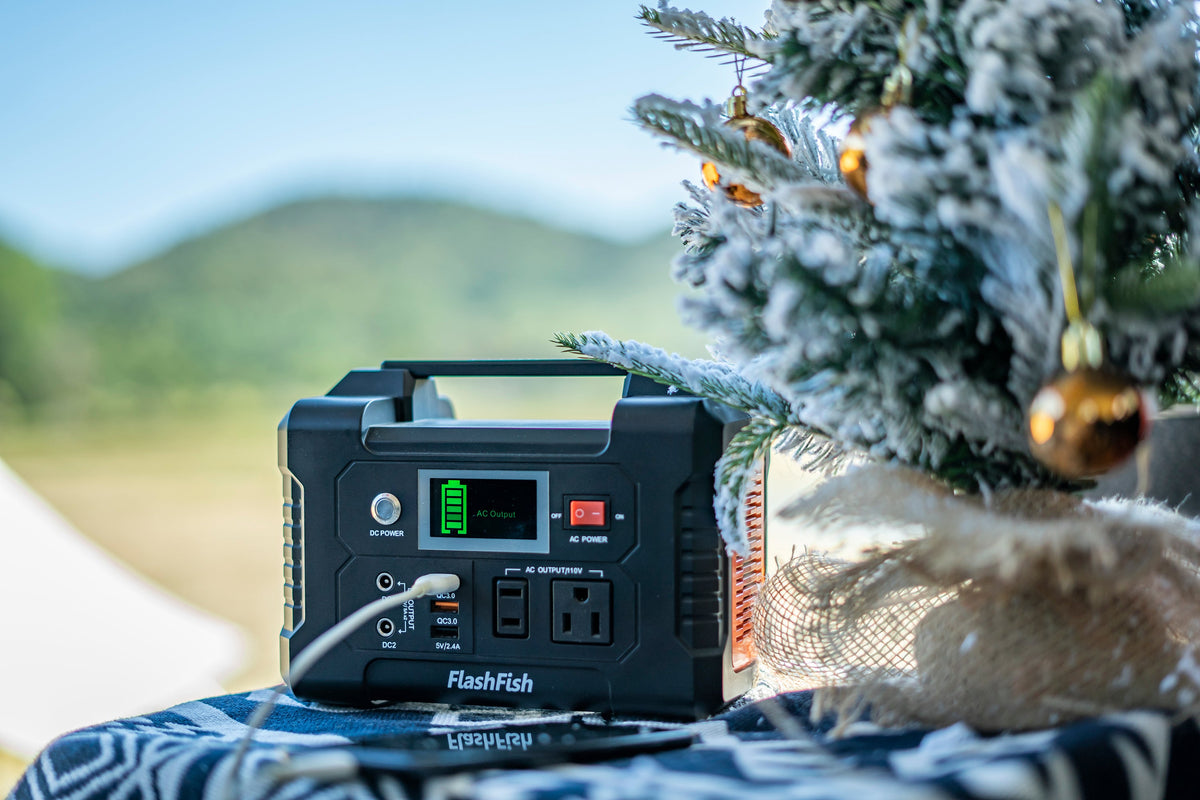
FlashFish E200 is specified at 151Wh and E103 at 179.2Wh. These capacities distinguish the models; they do not establish an automatic upgrade path. A replacement comparison still needs exact output, port, regional version, and device requirements.
The E103 manual-derived AC record is 230V; it cannot establish the specification of a particular U.S. unit. E200 also has regional variants. Neither model name nor capacity establishes that a proposed replacement will serve the existing equipment. No current model price, inventory status, or unit-specific service entitlement is asserted here.
Frequently asked questions
Is warranty service always free?
This worksheet makes no such assumption. Use the coverage decision for your exact order and itemize confirmed owner-paid charges. Until the relevant charges are resolved, keep the service total incomplete.
Should I repair whenever service costs less than replacement?
Lower confirmed cash cost is one factor. First establish the supported outcome and task fit, then consider documented timing and scope. The worksheet does not predict remaining battery life or future repair needs.
Can I use an old product price for the comparison?
Use a fresh exact-model checkout total when making the decision. An older price can illustrate a calculation, but it cannot establish what you would pay now.
Prepare the decision sheet
Put the written service option and current replacement checkout side by side. Fill every required charge, mark unknowns, and compare the complete totals only after confirming task fit. If the evidence supports neither option yet, the useful next step is to resolve the missing field before committing money.
Next step: Check the current FlashFish E200 product details and price.

Leave a comment
This site is protected by hCaptcha and the hCaptcha Privacy Policy and Terms of Service apply.