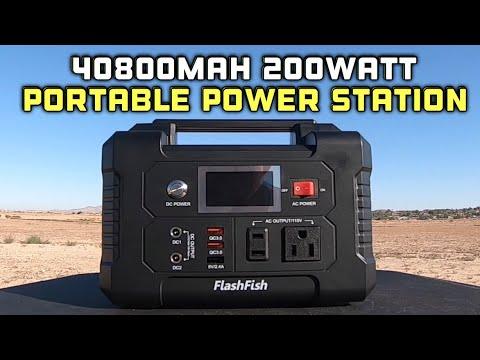

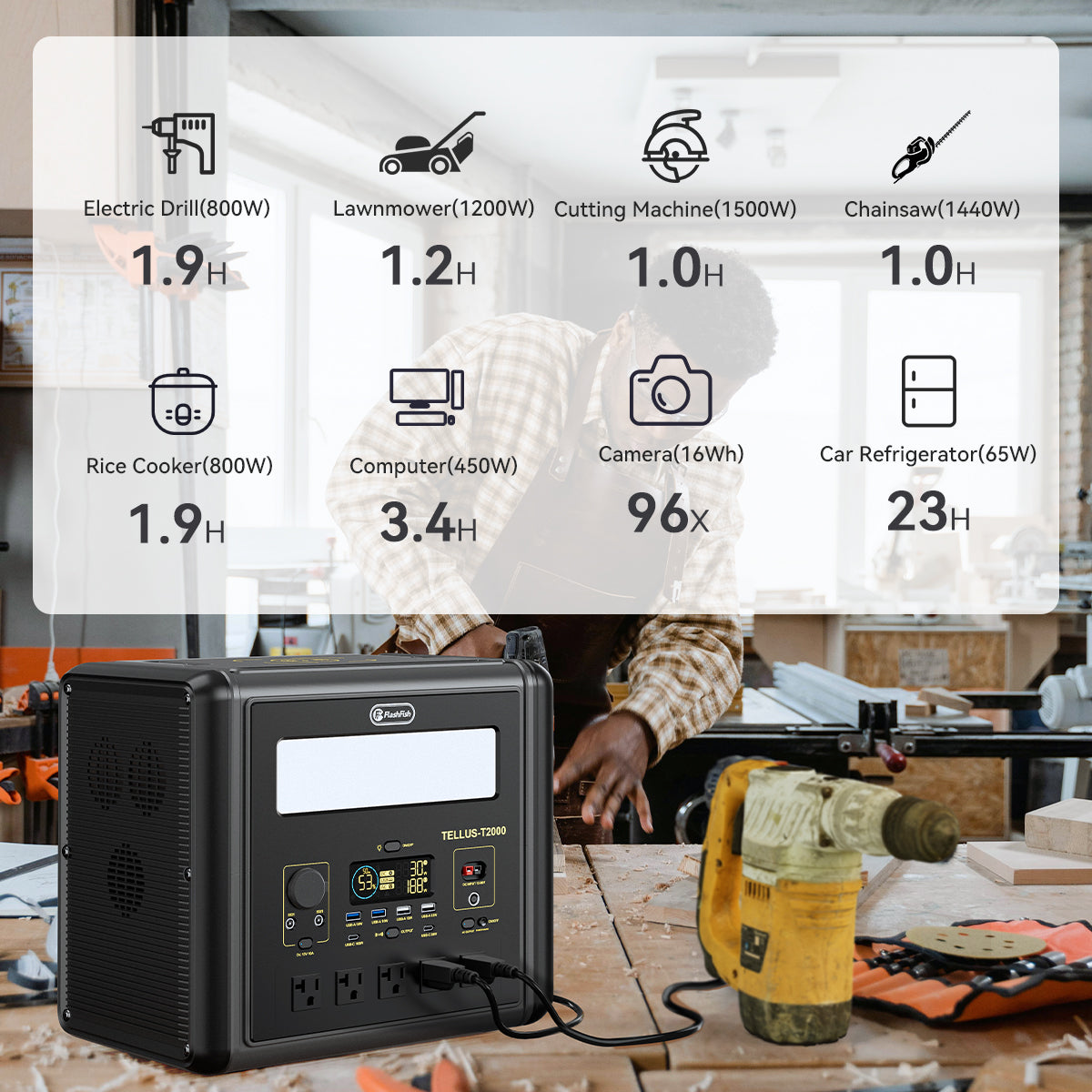
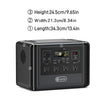
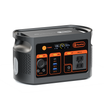
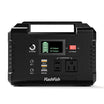

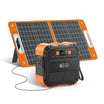

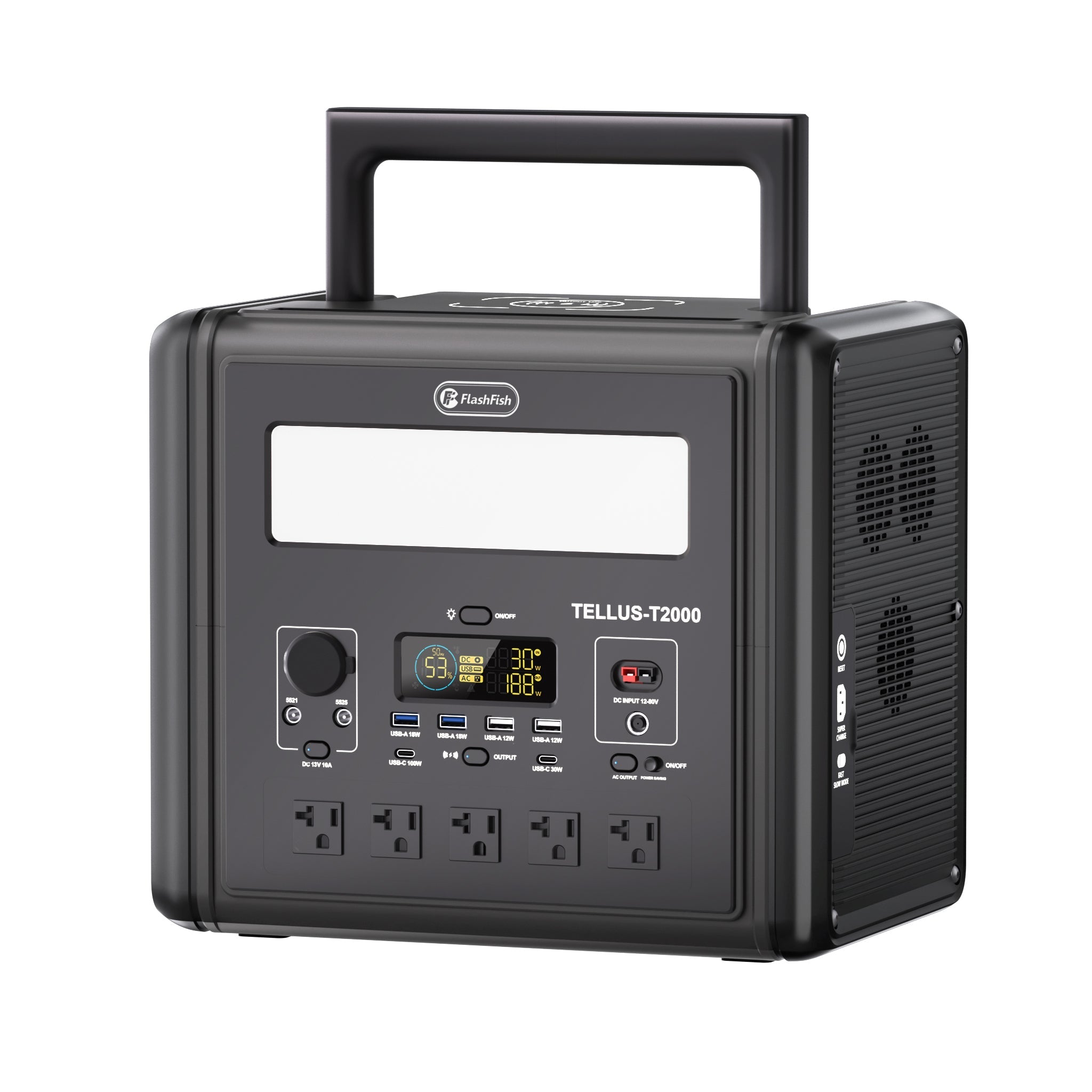
1536Wh LiFePO4 capacity | 2000W pure sine wave output
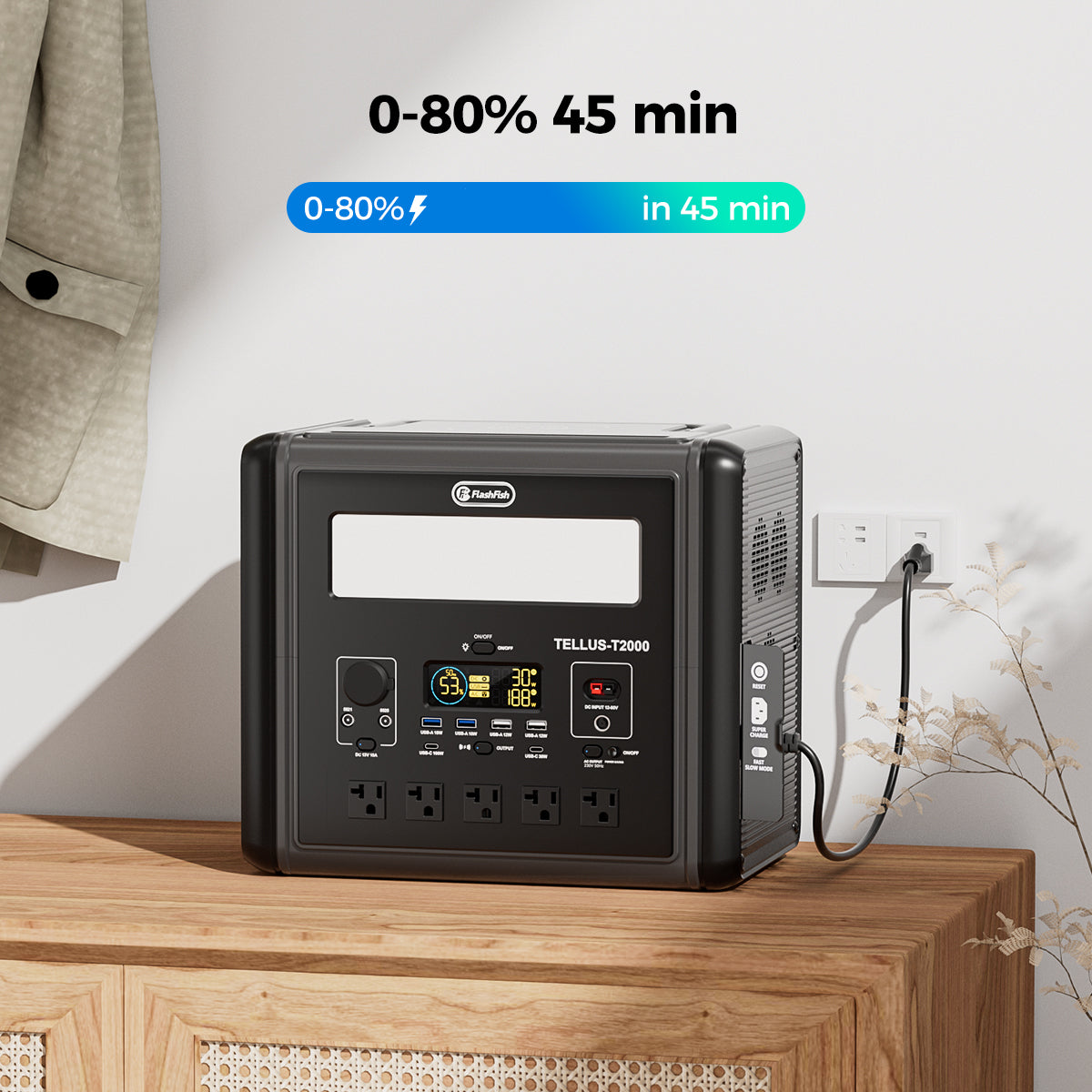
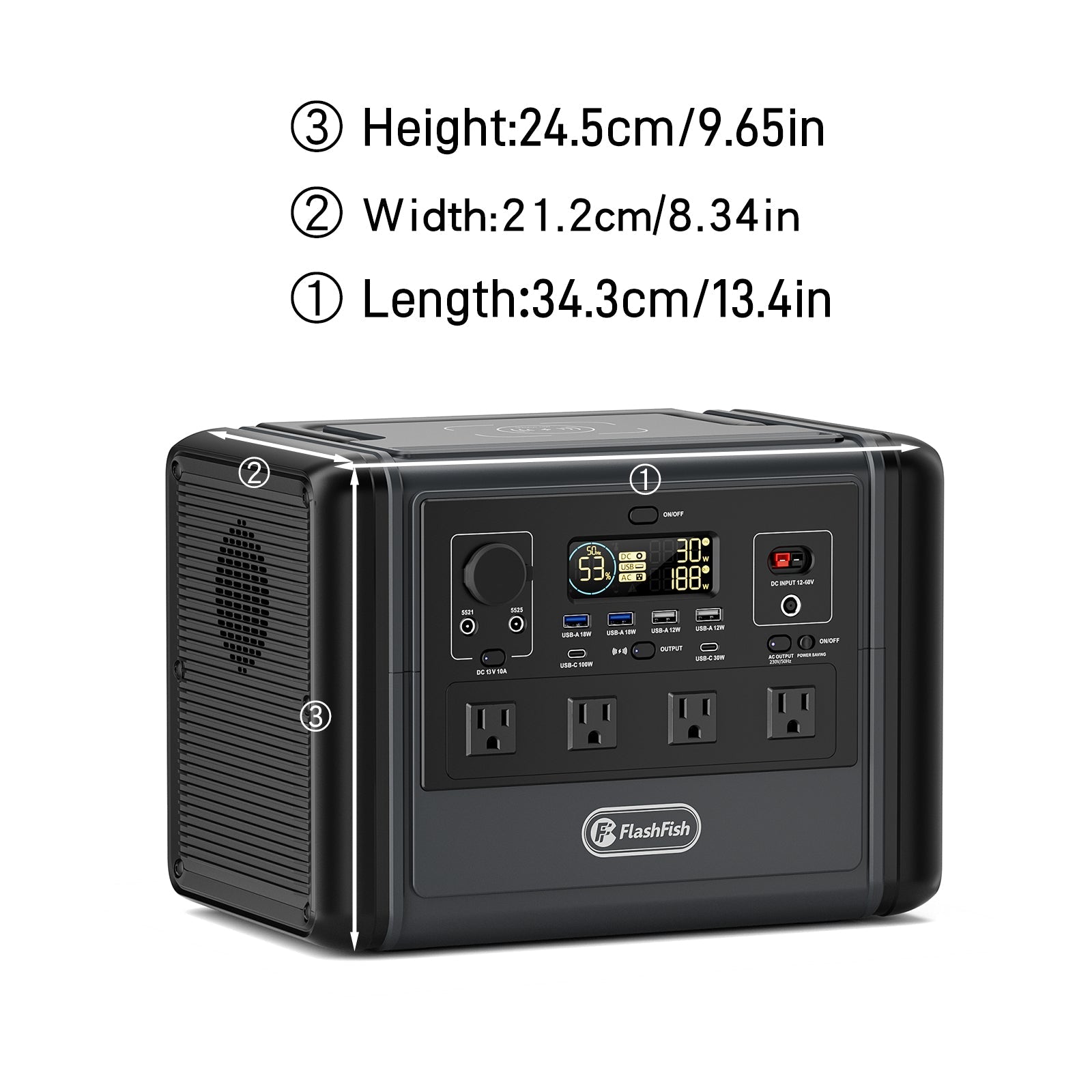
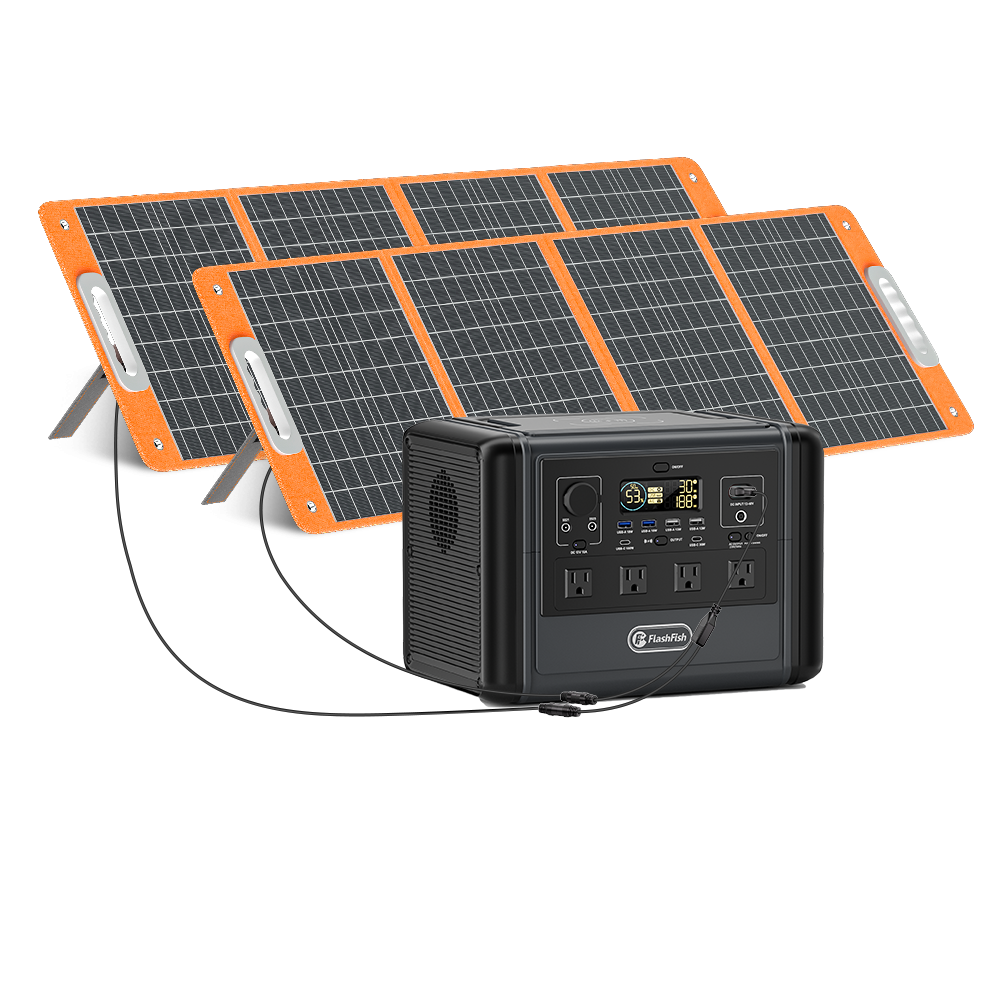
FlashFish T2000 Portable Power Station
Shop T2000
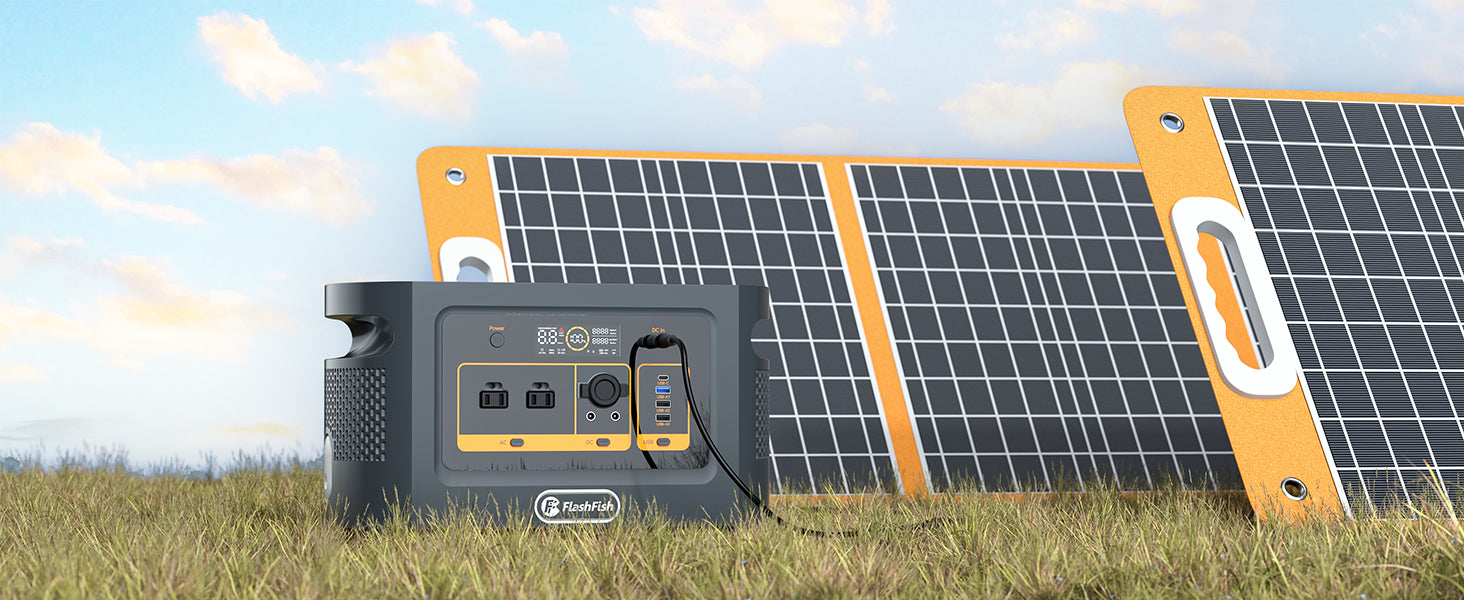
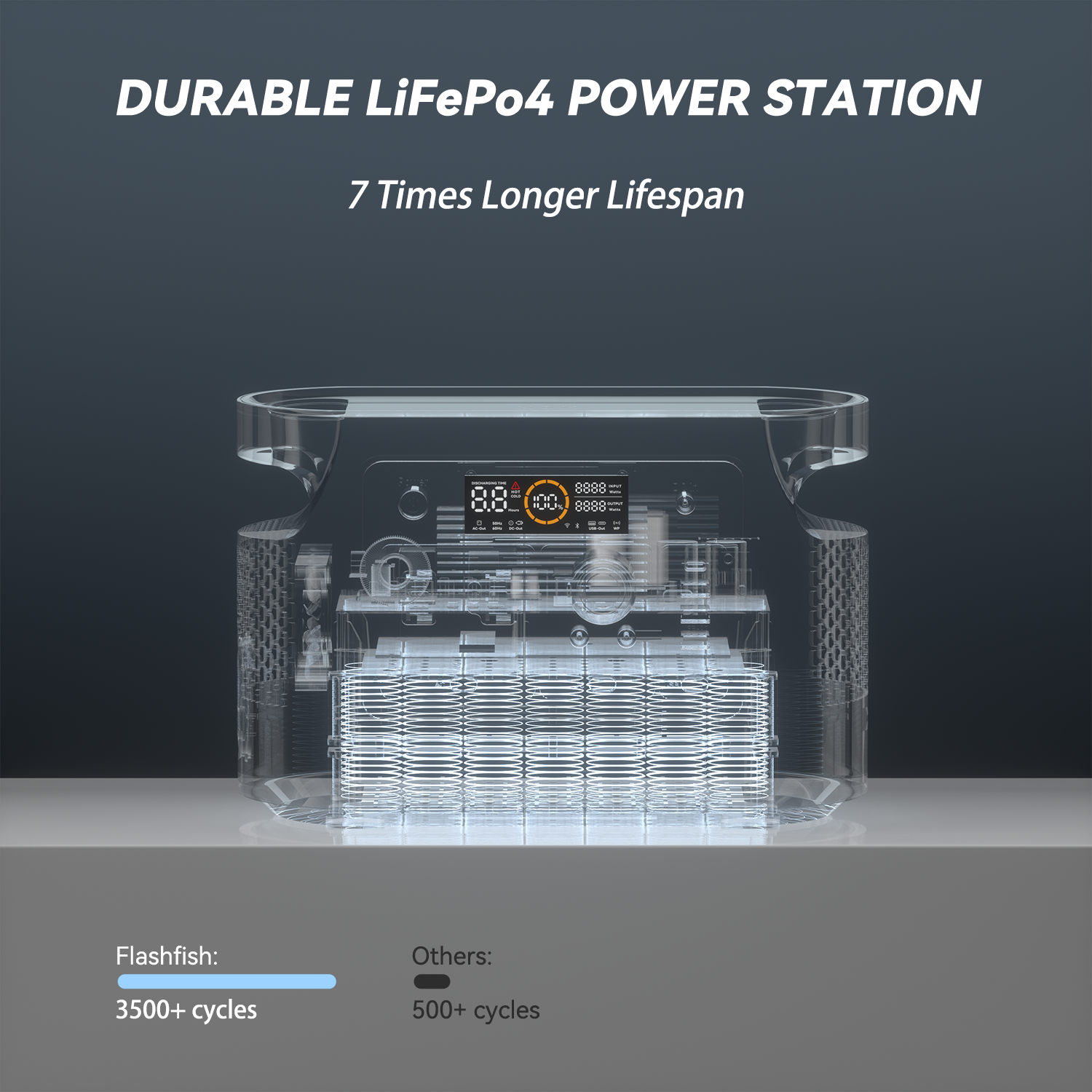
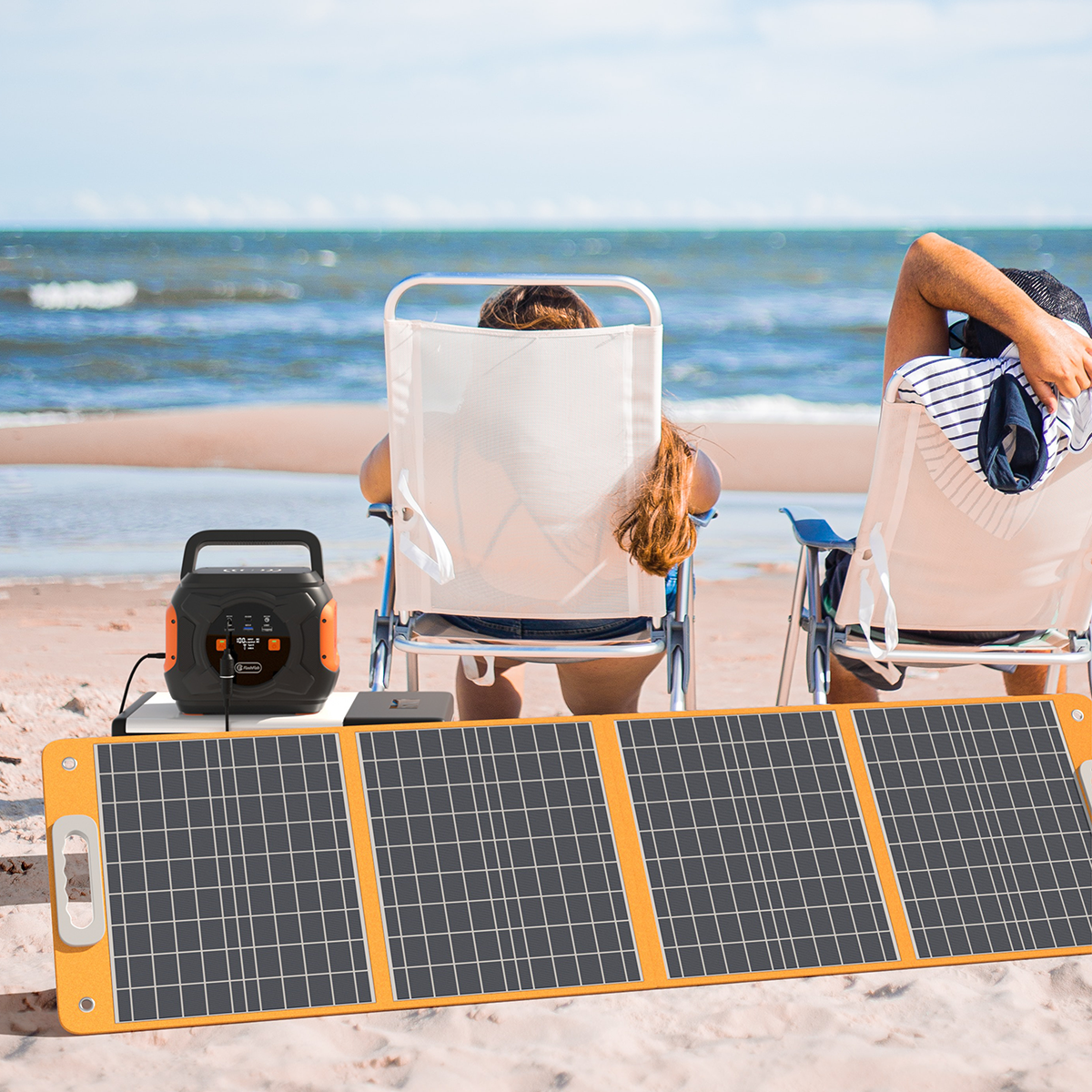
Compare Portable Power Stations by Model
Use the same measurable dimensions for every model: battery capacity (Wh), continuous AC output (W), weight, charging input, current price and the devices you need to run.
No single model fits every use. Prices, availability and supplied socket versions can change by market and date, so confirm the exact product page and manual before purchase.
If you have any questions, please click the button in the bottom right corner to contact our customer service team; we will provide recommendations based on your requirements in a straightforward and honest manner.
More FlashFish Power Solutions
Explore portable power stations, solar-ready kits, and current customer favorites.
Why Choose FlashFish?
Portable, solar-ready backup power for camping, RV travel, CPAP planning, and home outages.
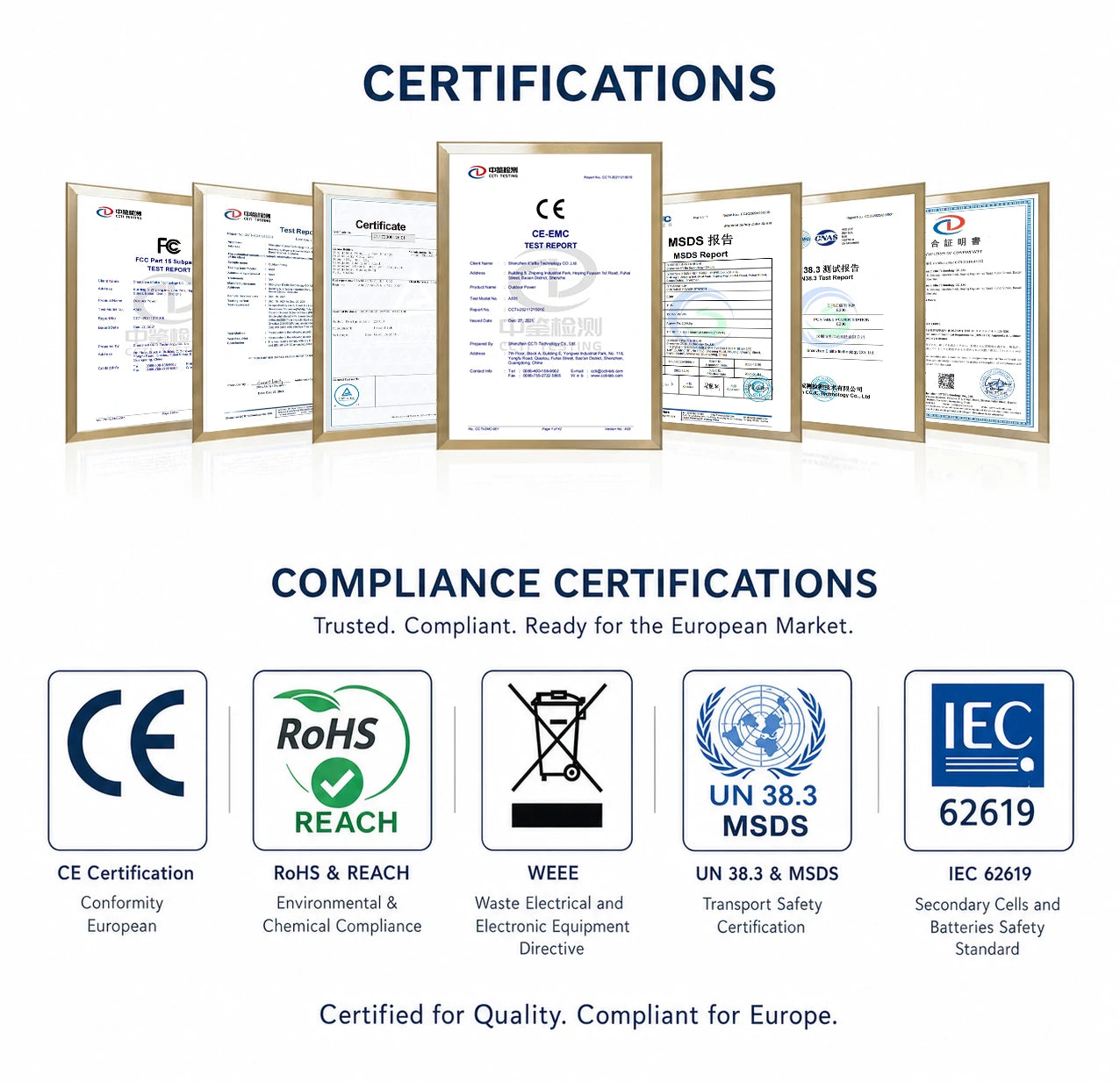
Check Compliance by Product Model
Certification and regional requirements vary by model. Before purchase, check the exact product page, certificate and manual for the model you are considering. A certification listed for one FlashFish model should not be assumed to apply to every portable power station, solar panel or storage system.
Blog Posts
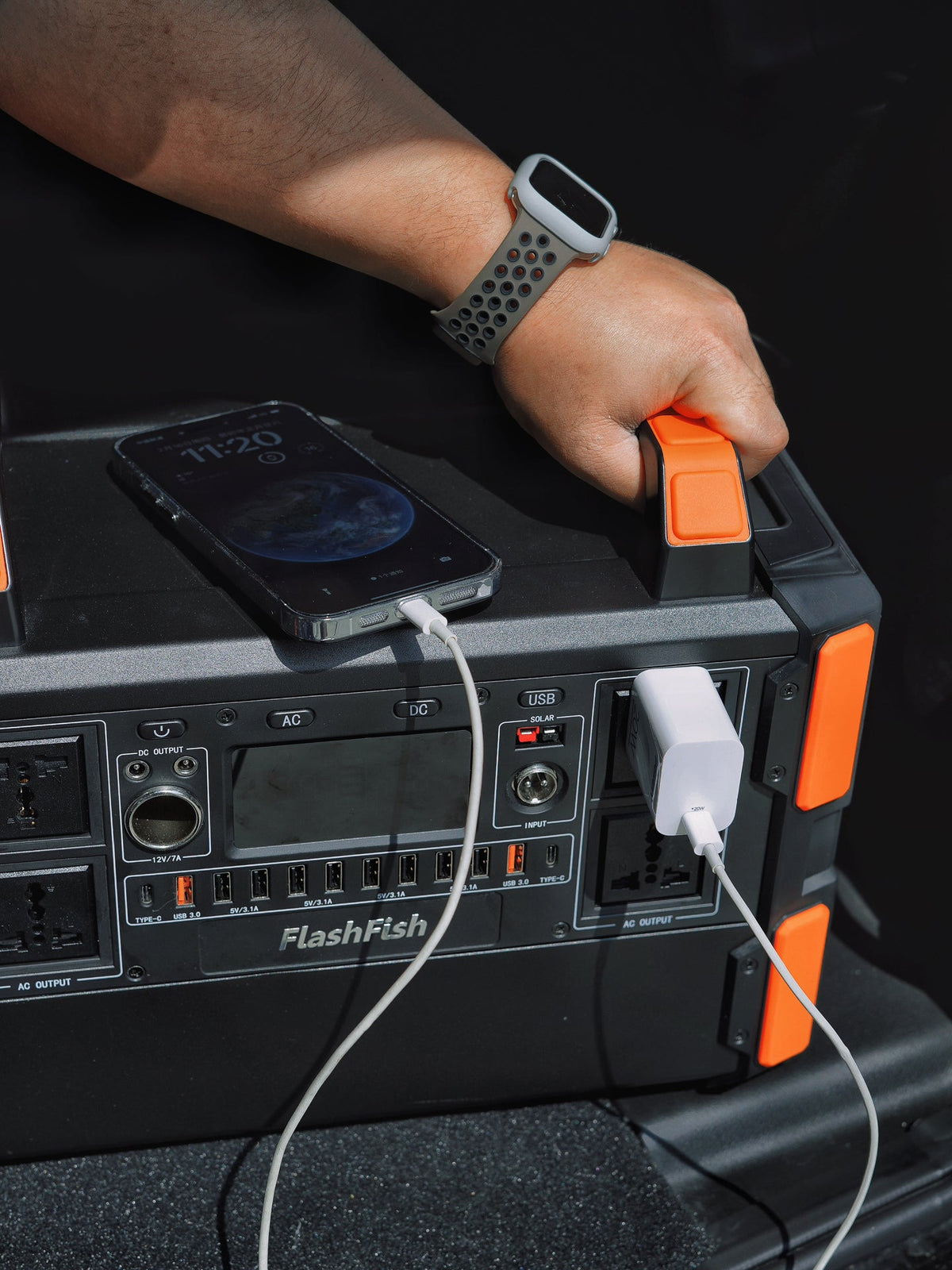
What Is the Price Premium for a Lighter Verified Power Kit?
Calculate the extra quoted cost and kilograms avoided for two complete kits that meet the same task. Include required accessories, show missing inputs and compare the result with your own spending ...

Used Power Station Asking Prices: Keep Unknown Battery Condition Visible
Keep a used station asking price separate from its unknown battery condition. Record the exact model, dated comparator, seller evidence and service terms before pursuing an offer.
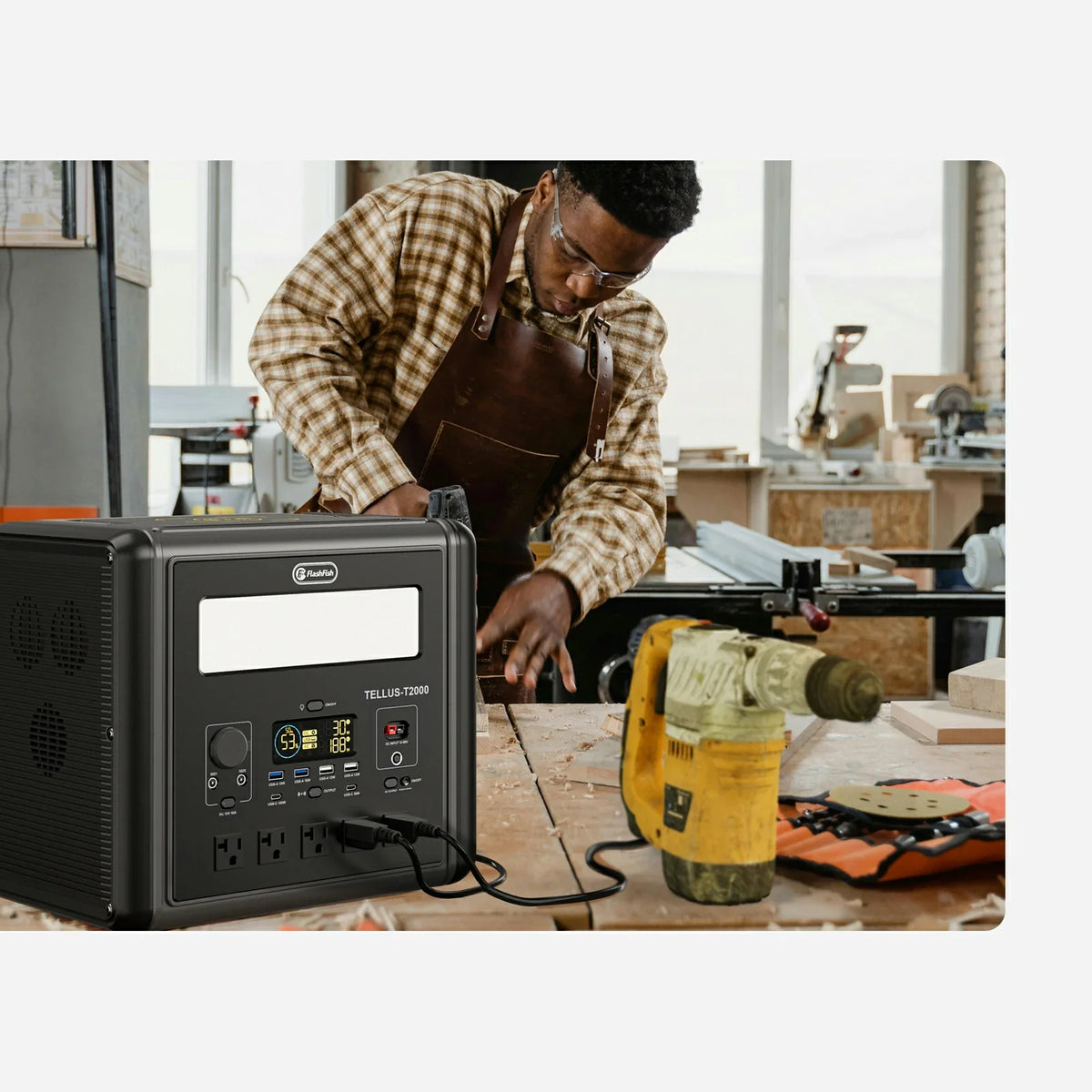
Spare Power Station vs Expansion Battery: Verify the Architecture
A second standalone station is not automatically an expansion battery. Require documentation for the exact host, approved battery, interface and system limits; leave missing compatibility unresolved.