

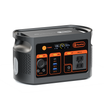
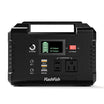

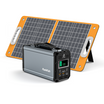
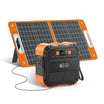
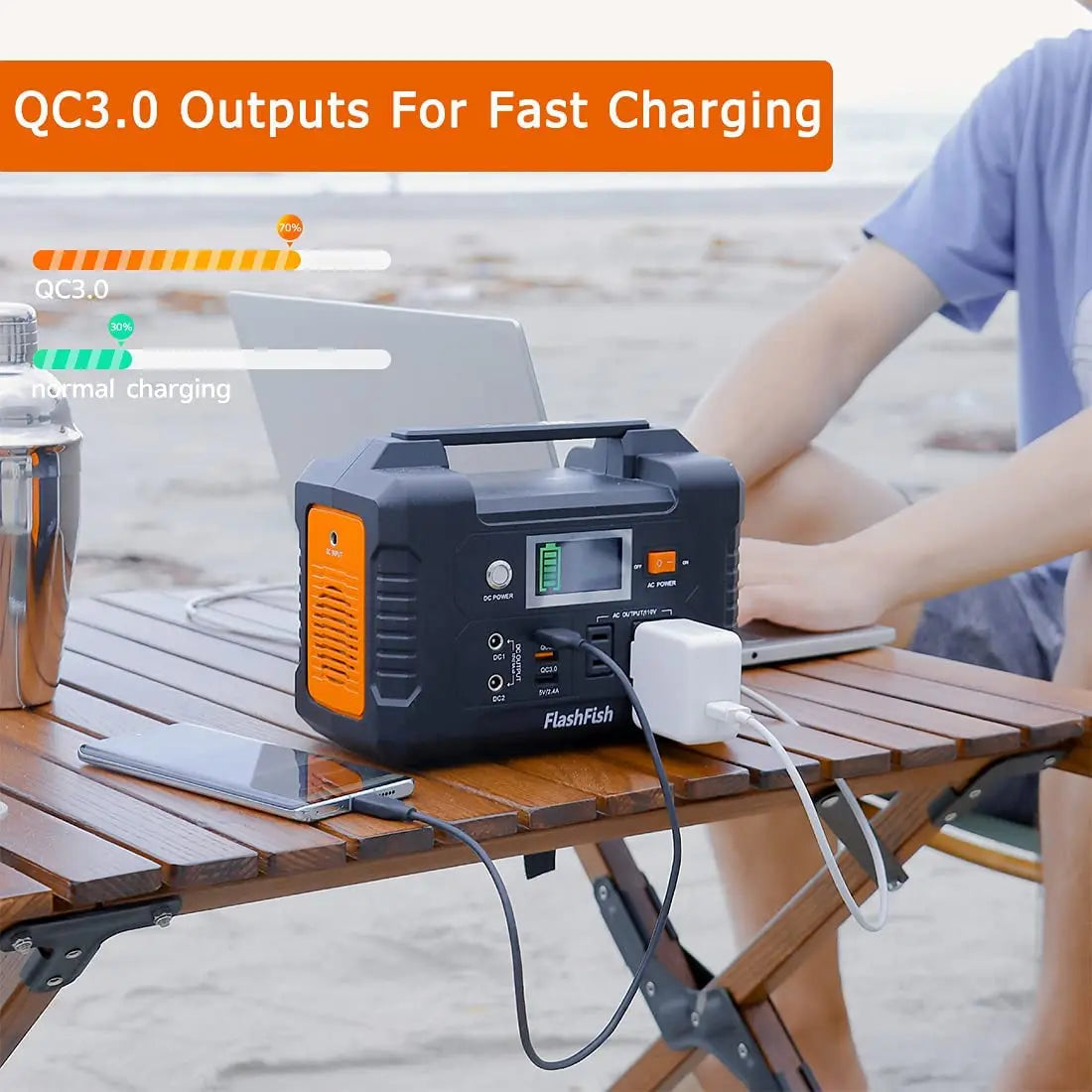
Short answer: for phones, LED lights, and a small fan, choose a budget camping power station by checking both watt-hours and output watts. Watt-hours tell you how much stored energy you have, while output watts tell you whether the station can safely power the device at that moment. A compact FlashFish station can fit light campsite loads when your total device wattage stays within the station limit and you leave a reserve for longer evenings.
The goal is not to buy the biggest battery you can carry. For weekend camping, the better starting point is a realistic device list: phones, a lantern or string light, a compact USB fan, a camera battery, and maybe a tablet. Once those loads are clear, a smaller station can make more sense than a heavy unit built for appliances you will not use at camp.
Quick Device-Load Checklist
- Phones: usually small, repeatable charging loads.
- LED lanterns or string lights: good fit when their wattage is low and they are used for evening hours.
- Small USB fan: possible, but check the fan's rated watts and planned hours before assuming overnight use.
- Camera batteries and action cameras: usually better handled through USB or small chargers.
- Tablet or e-reader: practical when you preserve enough battery reserve for lights and phones.
Use Simple Watt-Hour Math
Use this planning rule: device watts multiplied by hours equals watt-hours used. If a fan draws 10 watts and you plan to use it for 6 hours, that load is 60 watt-hours before conversion losses. Real-world runtime varies because inverters, cables, device chargers, temperature, and power-saving behavior all affect usable energy.
Keep a buffer instead of planning to drain the station completely. That buffer matters when the night is warmer than expected, a phone needs another charge, or clouds reduce solar top-up during the day.
Capacity Tiers for Light Camping
| Capacity tier | What it usually fits | What to watch |
|---|---|---|
| About 150Wh | Phones, lights, camera batteries, and short fan use | Limited reserve for overnight fan use or multiple people |
| About 200-300Wh | More comfortable light-duty weekend use | Still not a heater, cooker, or large cooler solution |
| 500Wh and above | More reserve for groups or longer trips | More cost, size, and weight than many light campers need |
FlashFish Product Fit for Phones, Lights, and Fans
| FlashFish option | Verified body facts | Camping fit |
|---|---|---|
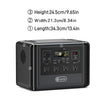
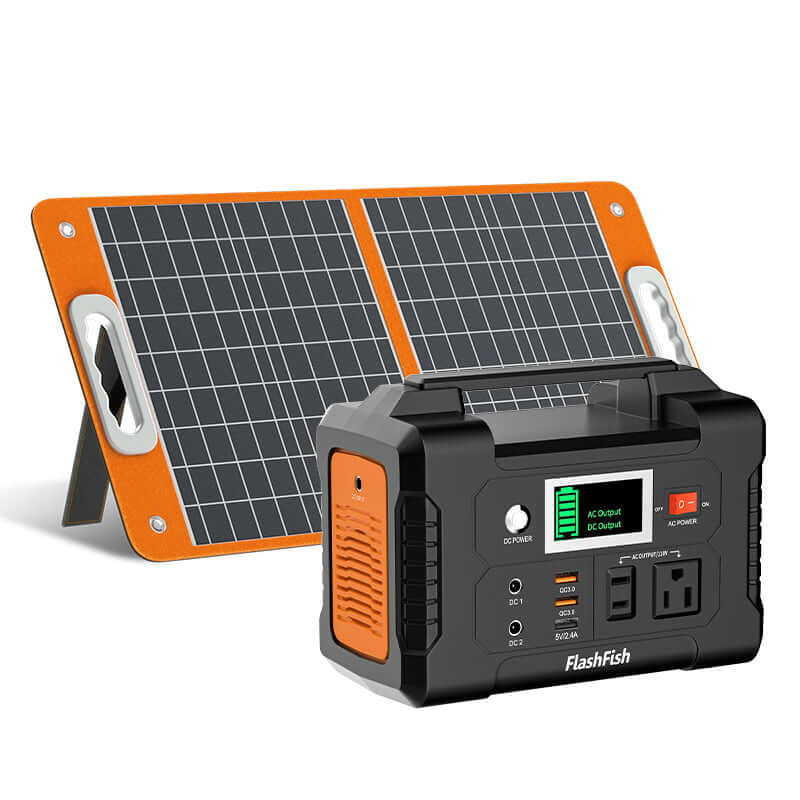
| FlashFish E200 | 151Wh capacity, 200W AC continuous output, 400W peak output, 40W max solar/DC charging, about 1.85kg, modified sine AC output. | Compact option for phones, LED lights, camera batteries, and small electronics. Check device compatibility before using sensitive AC chargers. |
| FlashFish T200 | 153.6Wh LiFePO4 battery, 200W pure sine AC output, 400W peak output, 60W solar input, 60W max USB-C. | Similar capacity class to E200 with LiFePO4 chemistry and USB-C support from the product database. |
| FlashFish T300PRO | 230Wh LiFePO4 battery, 300W pure sine AC output, 600W peak output, 120W solar input, 100W max USB-C. | Stronger light-duty camping fit when you want more reserve and output headroom. |
When FlashFish Fits the Trip
A compact FlashFish power station fits best when your campsite power plan is built around small electronics: phones, lights, a fan with modest wattage, camera batteries, and occasional tablet charging. It is also useful when campground noise rules or personal comfort make a battery station preferable to running a fuel generator for small loads.
Battery stations do not create engine exhaust like gas generators, but they still require careful use. Keep the unit dry, avoid heat, do not overload it, use compatible chargers and cords, and follow the product manual.
When a Budget Station May Not Fit
- Electric heaters, kettles, hot plates, and cooking appliances usually draw too much power for compact camping stations.
- Large coolers, compressors, and motor loads can have startup surge requirements that exceed a small station's output.
- Medical-device backup should not be promised from this article; it requires device-specific review and a safer backup plan.
- Multi-day heavy use may require a larger station, a recharge plan, or a different power setup.
Solar Top-Up Notes
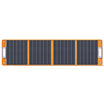
Solar can help on a weekend camping trip, but it should be treated as a top-up plan, not a guaranteed refill. Sun angle, shade, weather, temperature, panel placement, cable compatibility, and the station's input limit all affect charging. The FlashFish TSP60 is a 60W foldable panel and the TSP100 is a 100W foldable panel, but the station input limit still controls how much power it can accept.
For example, the E200 product data lists a 40W max solar/DC charging limit, so pairing it with a larger panel does not mean the station can accept the panel's full rated wattage. The T200 lists 60W solar input, while the T300PRO lists 120W solar input.
FAQ
What size portable power station do I need for phones, lights, and a fan?
Start with the wattage of each device and the number of hours you plan to use it. A 150Wh-class station can be enough for light phone and lighting use, while a 200-300Wh class station gives more reserve for fan time and multiple devices.
Can a budget camping power station run a fan overnight?
It depends on the fan's actual watts, fan speed, runtime target, and the station's usable battery reserve. Use watts multiplied by hours, then add a buffer. Do not treat any single fan runtime as guaranteed.
Is a battery power station quieter than a gas generator at a campground?
For small electronics, a battery station avoids engine noise and fuel exhaust. Campground rules still matter, and users should follow all product safety instructions.
Does a solar panel help on a weekend camping trip?
Yes, it can help maintain charge during daylight, but solar output depends on sunlight, weather, angle, panel placement, and the power station's input limit.
Should I choose E200, T200, or T300PRO for light camping loads?
Choose E200 for a compact 151Wh station, T200 when you want a similar compact LiFePO4 option with verified USB-C support, and T300PRO when you want more capacity and output headroom for light-duty camping.


Hinterlasse einen Kommentar
Diese Website ist durch hCaptcha geschützt und es gelten die allgemeinen Geschäftsbedingungen und Datenschutzbestimmungen von hCaptcha.