


Quick answer: Consider a portable power station for a CPAP camping setup only after the device manufacturer or equipment supplier confirms the exact power source, adapter, voltage, and operating requirements. A retail article cannot verify compatibility, uninterrupted operation, or overnight runtime for a medical device.
Safety boundary: Keep prescribed therapy settings unchanged. If loss of power creates an immediate health risk, follow the emergency plan from your healthcare team and use the contact instructions in the device documentation.
Start with the exact CPAP device
Record the manufacturer, model number, power-supply label, approved adapter, and every accessory used at night. A humidifier or heated tube can change the power requirement. Ask the manufacturer or supplier whether the complete setup may be used with a third-party battery source and whether an approved DC adapter exists.
The FDA home-use medical device resources are a starting point for device-specific planning. The FDA also publishes emergency guidance for medical devices.
Information to confirm before comparing batteries
| Check | Why it matters | Who should confirm it |
|---|---|---|
| Device and power-supply model | Similar-looking devices can have different electrical requirements. | Device label and manufacturer |
| Approved AC or DC adapter | The connector alone does not establish compatibility. | Manufacturer or equipment supplier |
| Operating watts | Power draw can change with settings and accessories. | Device documentation or measured test approved by the supplier |
| Required hours and reserve | Stored watt-hours are not the same as usable runtime. | User, caregiver, and healthcare team |
| Backup and evacuation plan | One consumer battery should not be the only response to a medical emergency. | Healthcare team and local emergency plan |
Estimate energy only after the load is verified
A basic starting calculation is device watts multiplied by planned operating hours. The result is a theoretical watt-hour requirement before conversion loss, temperature, battery condition, accessory use, and reserve. The FlashFish product database does not provide a universal conversion-efficiency value or a CPAP runtime for any model, so this article does not publish one.
Test the approved complete setup before travel under the same settings you plan to use. Record remaining battery level and any alarms. A successful test is useful evidence for that setup, but it is not a guarantee for every night or environment.
Where a FlashFish station may fit
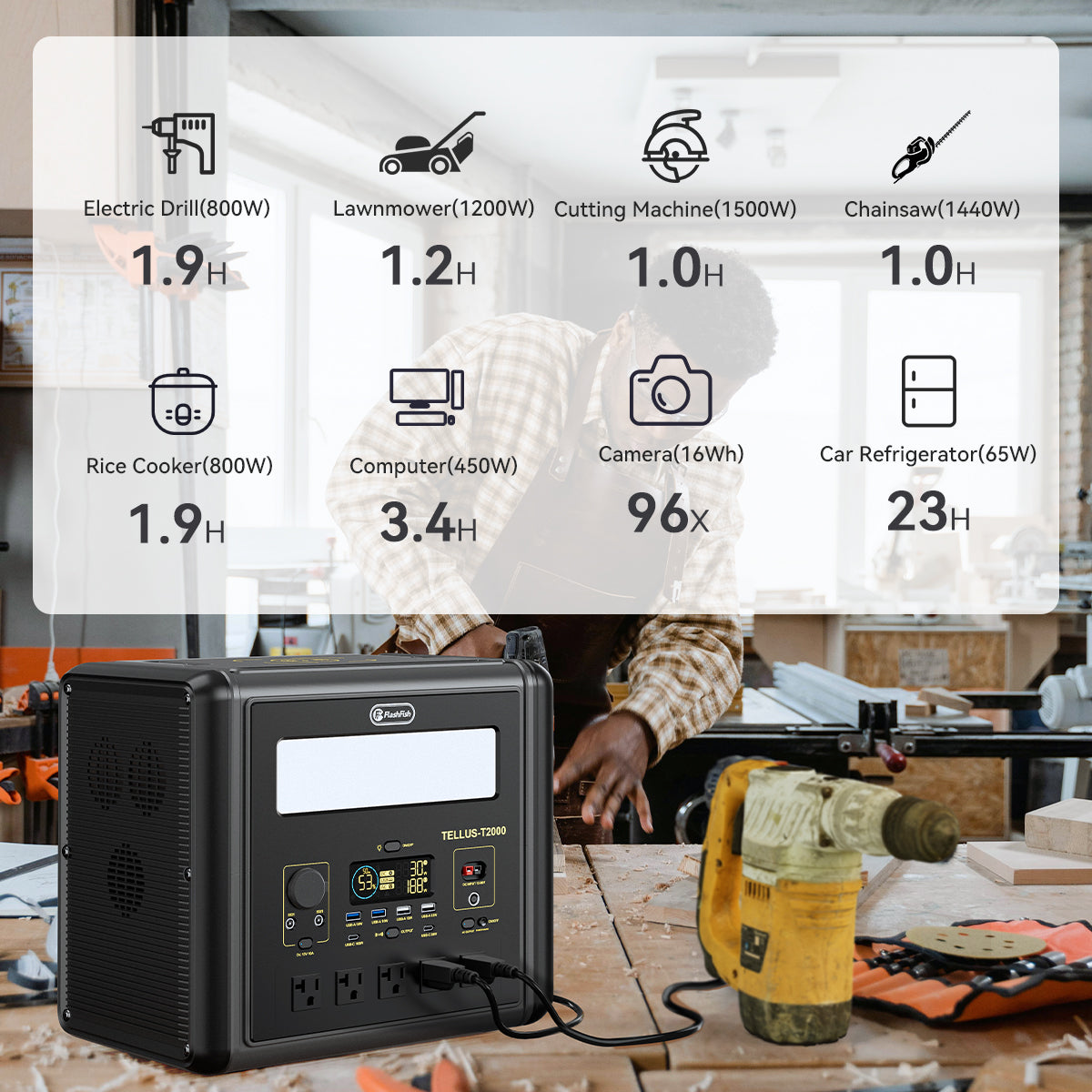
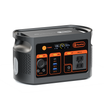
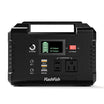
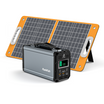
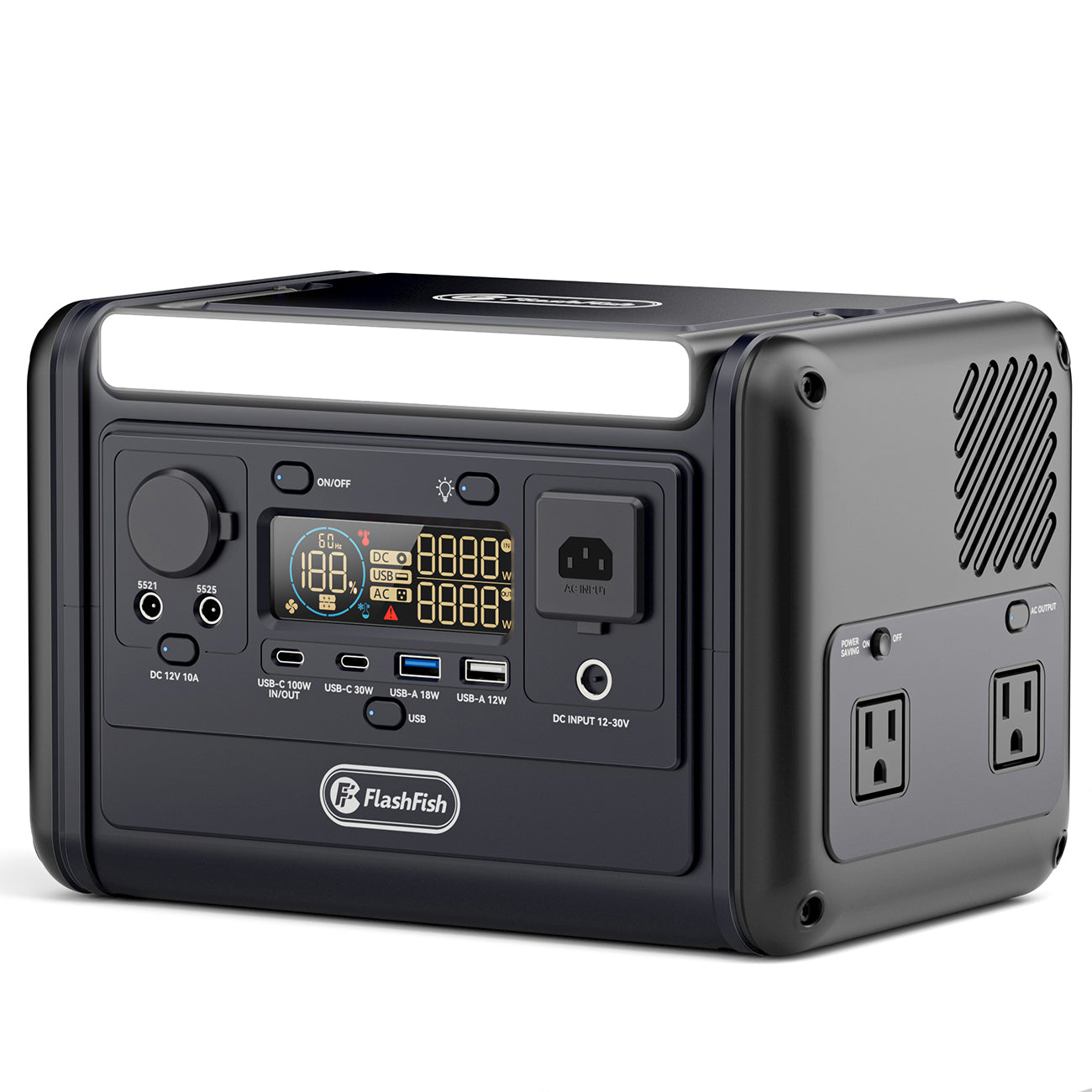
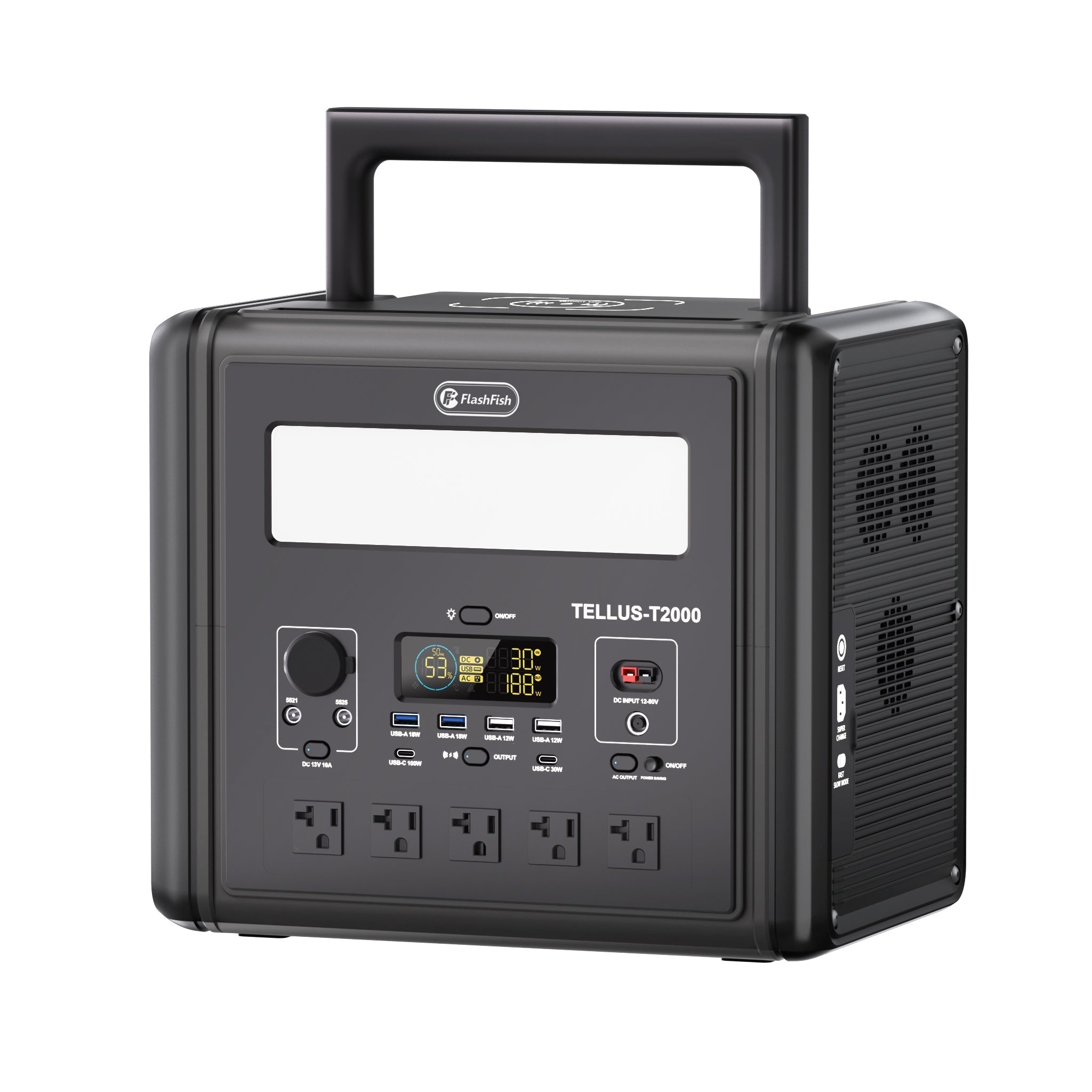
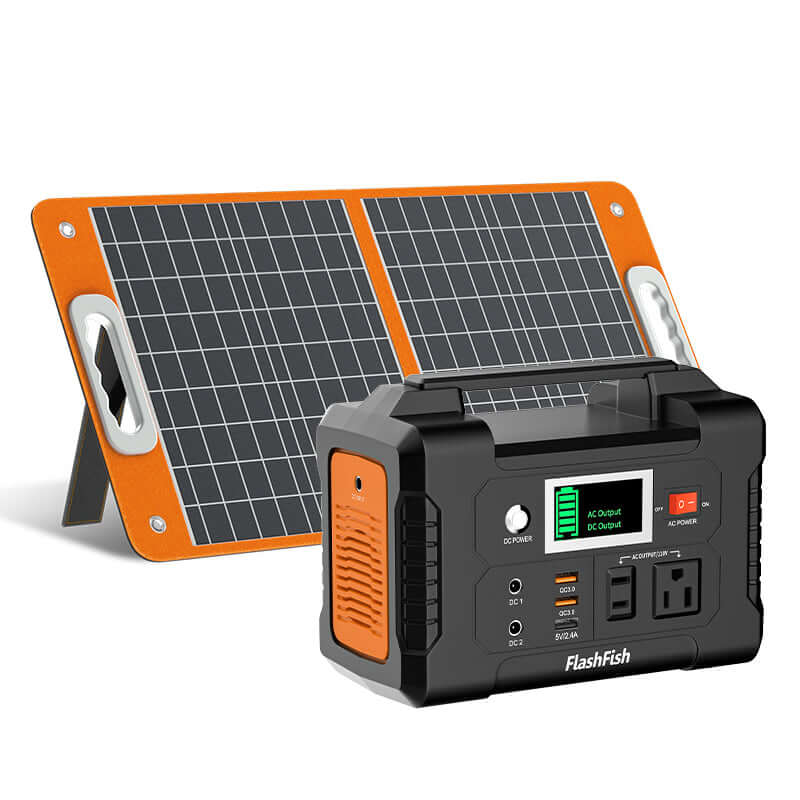
FlashFish portable power stations are consumer battery products, not medical devices. They can be compared by documented capacity, output, ports, waveform, weight, and charging input only after the CPAP manufacturer or supplier has approved the proposed connection. For ordinary campsite loads such as phones, lights, and cameras, browse the FlashFish portable power station collection.
Camping checklist
- Bring the device manual, approved adapter, and manufacturer contact details.
- Keep the device and power source dry, ventilated, and protected from damage.
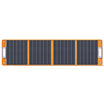
- Charge before departure and do not depend on uncertain solar conditions.
- Carry the non-battery backup plan recommended by the healthcare team.
- Know how to reach emergency services and where reliable power is available.
Frequently asked questions
Can FlashFish confirm that a station will run my CPAP?
No. Compatibility and required runtime depend on the exact device, adapter, settings, accessories, and medical plan. Obtain written guidance from the device manufacturer or supplier.
Should I turn off a humidifier to extend runtime?
Do not change prescribed settings based on a retail article. Ask the healthcare team and device manufacturer how accessories affect the approved setup.
Can solar charging be the only overnight plan?
No. Solar input varies with weather, shade, panel angle, temperature, and system limits. Begin with charged storage and a separate emergency plan.

Hinterlasse einen Kommentar
Diese Website ist durch hCaptcha geschützt und es gelten die allgemeinen Geschäftsbedingungen und Datenschutzbestimmungen von hCaptcha.