

Short answer: A small solar generator can run some mini fridges, but only if the power station can handle the fridge running watts, startup surge, and total watt-hours needed. Do not choose by battery size alone. Check the mini fridge label, compressor surge behavior, and the solar generator output rating before plugging it in.
This is a compatibility guide, not a runtime promise. Mini fridge energy use varies with temperature, door openings, insulation, thermostat settings, and how often the compressor cycles.
The Three Numbers To Check
| Number | Why it matters |
|---|---|
| Running watts | The power needed while the fridge is operating. |
| Startup surge | Compressor fridges can briefly draw more power when starting. |
| Watt-hours needed | The total battery energy needed across the hours you want backup. |
If the fridge startup surge is higher than the station can support, the setup may fail even if average running watts look low. If the fridge cycles often, the battery drains faster.
FlashFish Product Fit
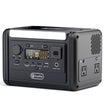
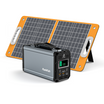
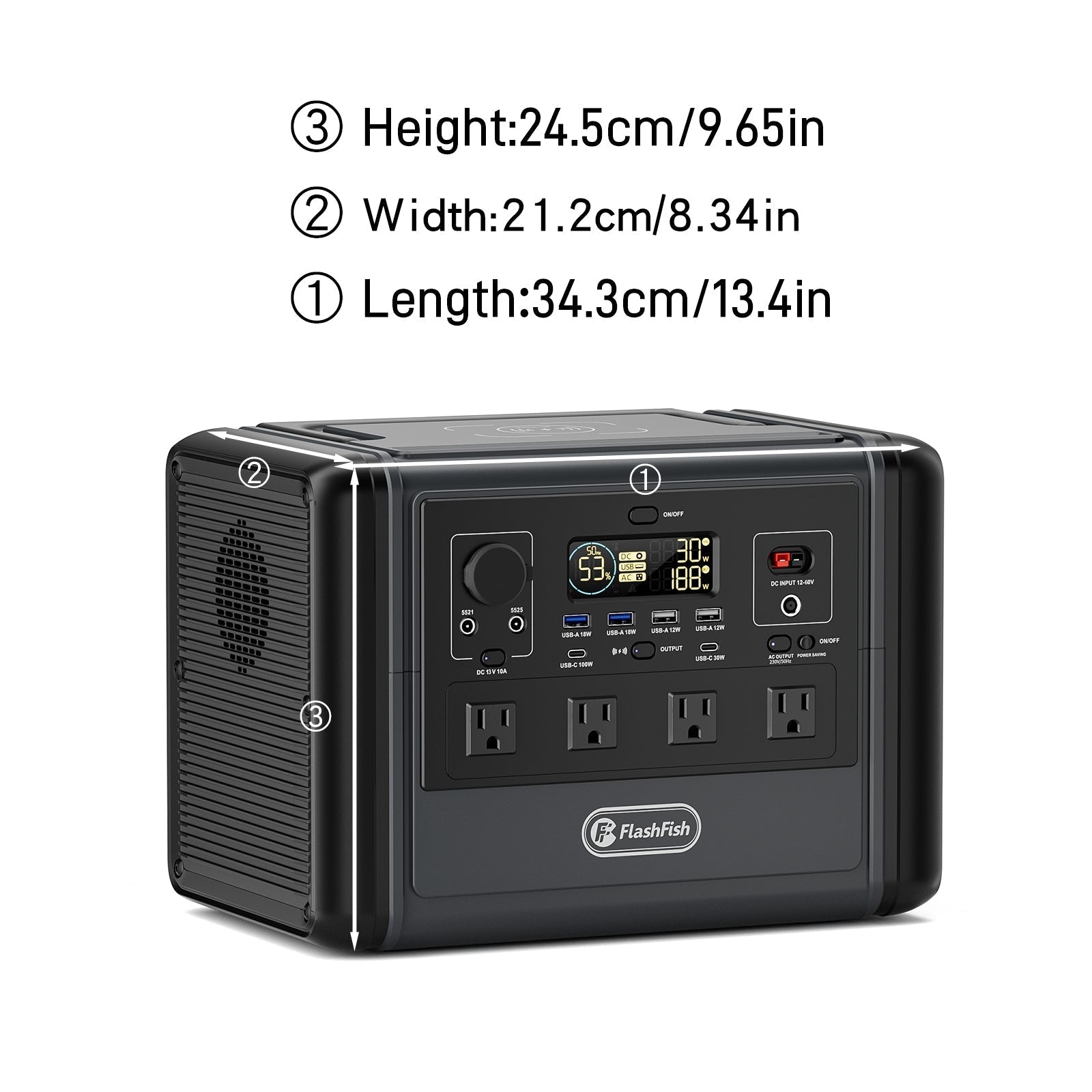
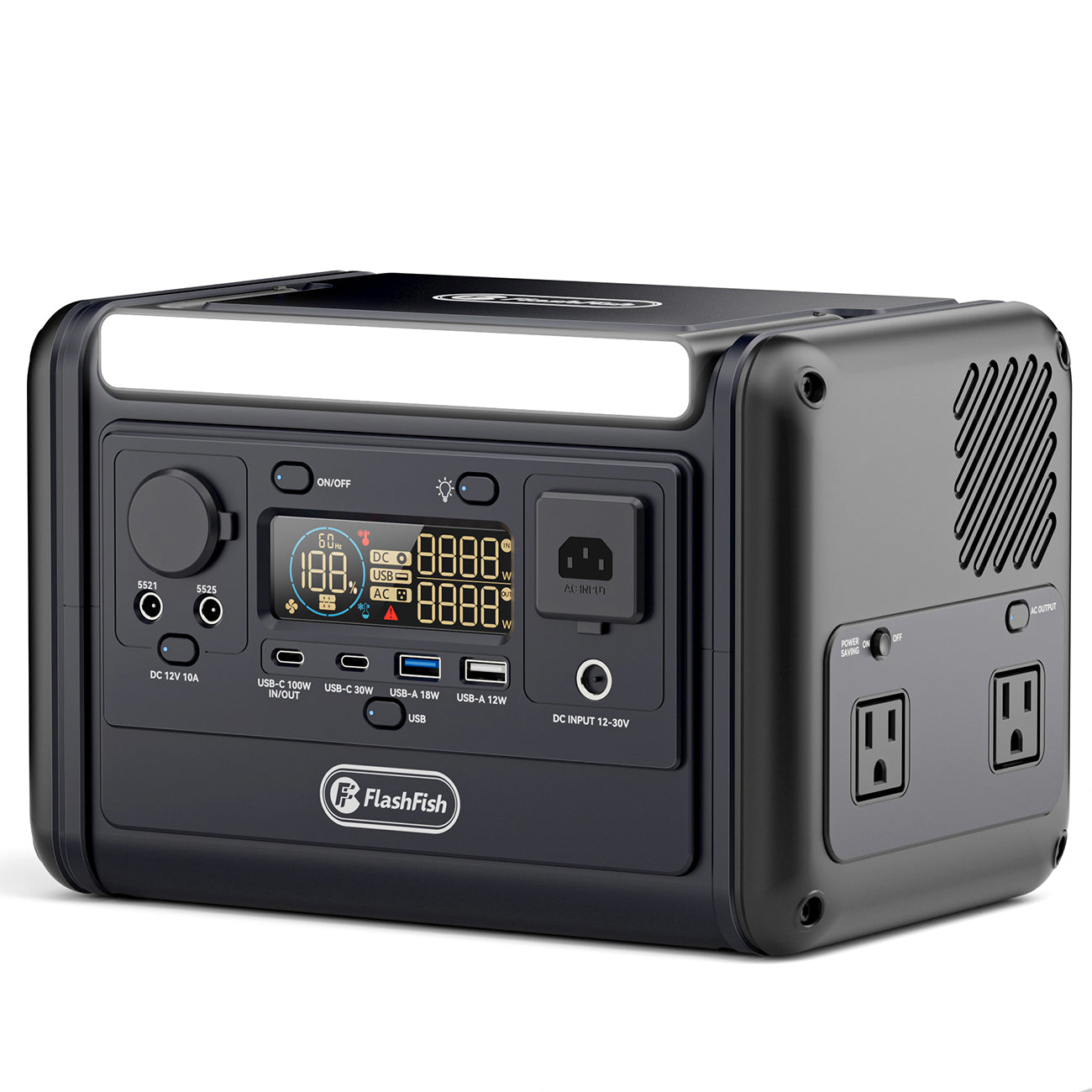
For mini fridge questions, start above the smallest camping batteries. The FlashFish P63 is listed with 520Wh and 500W output. It may fit smaller fridge scenarios if surge and runtime requirements stay within limits.
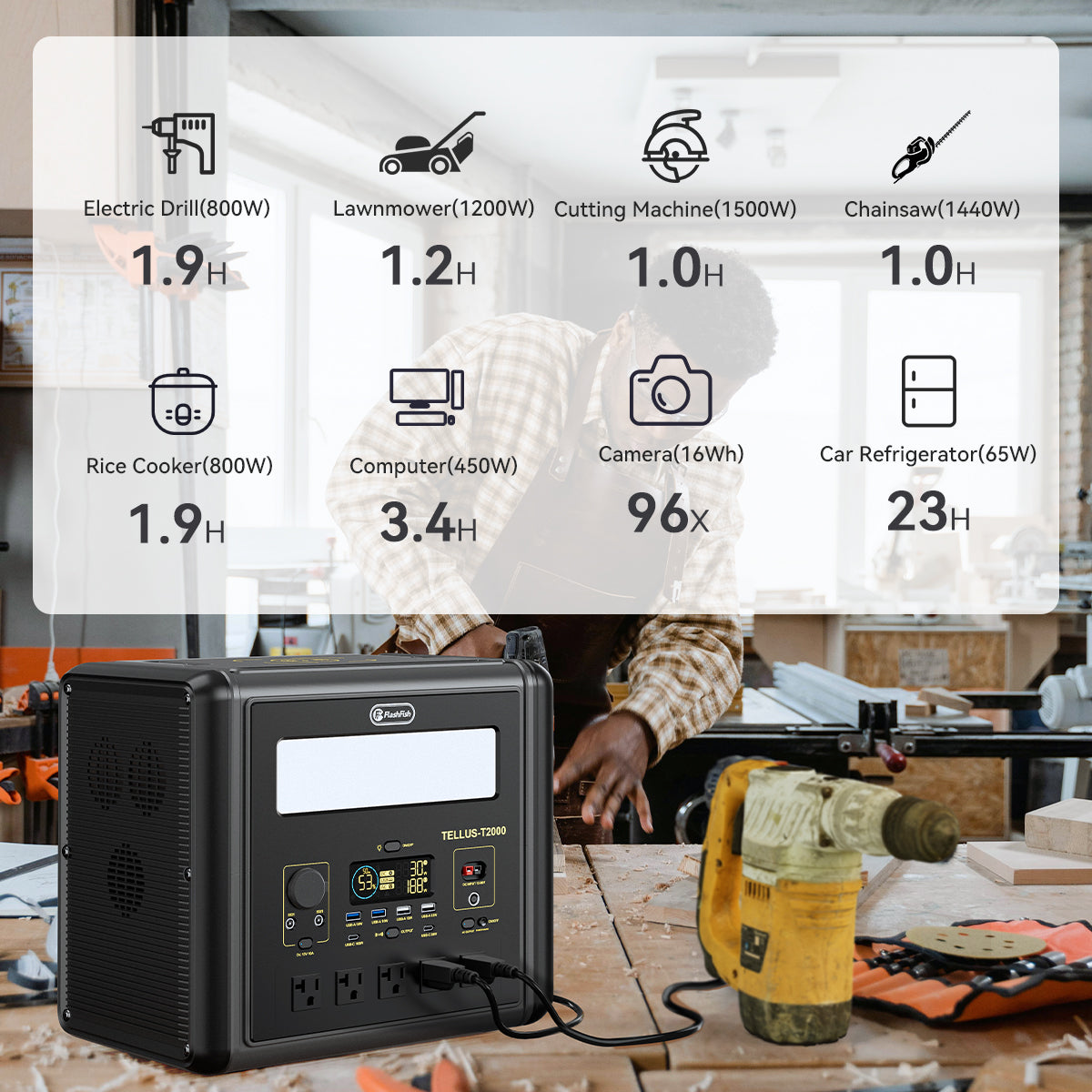
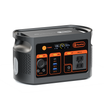
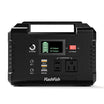
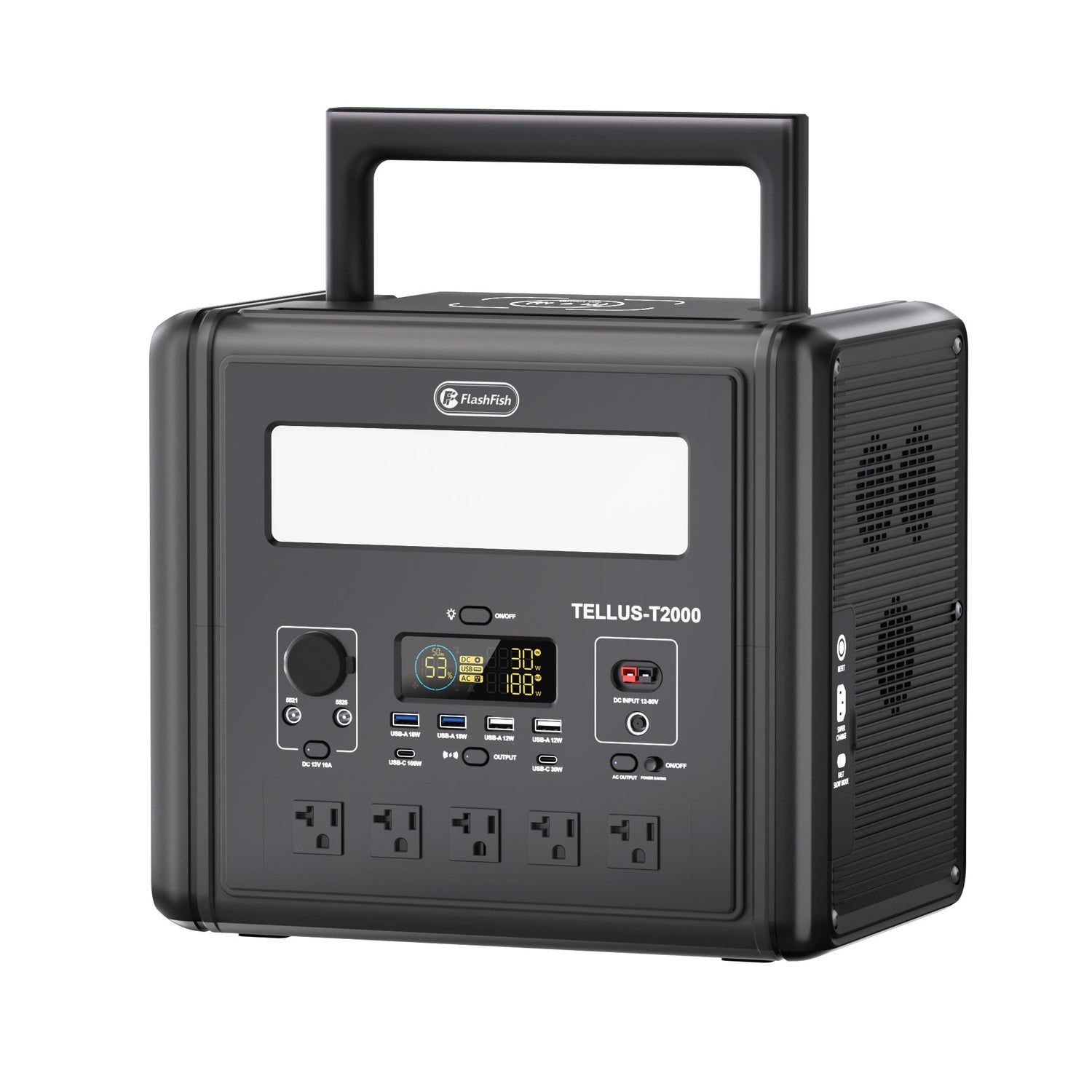
The FlashFish T1200S is listed with 768Wh and 1200W output, giving more output headroom. The FlashFish T2000 is listed with 1536Wh and 2000W output for larger backup needs.
Solar Charging Caveat
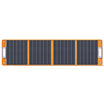
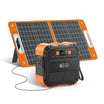
Adding a solar panel can help extend runtime, but it should not be treated as guaranteed fridge operation. Solar output changes with sun angle, clouds, shade, heat, panel placement, and station input limits. For fridge loads, battery capacity and output headroom matter first; solar is the extender.
When FlashFish Fits
- You have checked the mini fridge label and startup behavior.
- The fridge running watts and surge stay within the station limit.
- You need short-term backup or camping support, not guaranteed multi-day refrigeration.
- You can accept runtime variability and monitor battery level.
When FlashFish May Not Fit
- You need food-safety-critical refrigeration without interruption.
- The fridge has a high startup surge or unknown compressor behavior.
- You need guaranteed overnight or multi-day runtime without testing.
- You expect solar alone to keep the fridge running in cloudy or shaded conditions.
Simple Sizing Example
If a mini fridge averages 40W over time, 10 hours would require about 400Wh before losses and buffer. If the compressor cycles more often or the weather is hot, the number can be higher. A 520Wh station may be tight after conversion loss and reserve. A 768Wh or 1536Wh station gives more margin, but the surge rating still has to fit.
FAQ
Can the smallest solar generator run a mini fridge?
Usually only in limited cases. Very small stations are better for phones, lights, and small electronics. Fridge loads need more careful output and watt-hour planning.
Does solar make a mini fridge setup reliable?
Solar helps only when sunlight and input limits support it. It should not be the only plan for food-safety-critical cooling.
Which FlashFish model should I check first?
Start with P63 for small-fridge questions, then compare T1200S or T2000 if you need more capacity and output headroom.
Sources And Review Notes
FlashFish product facts and prices in this draft come from live U.S. Shopify product data checked on 2026-06-11. Any food-safety guidance should be verified against FDA or USDA sources before publication.

Hinterlasse einen Kommentar
Diese Website ist durch hCaptcha geschützt und es gelten die allgemeinen Geschäftsbedingungen und Datenschutzbestimmungen von hCaptcha.