


Portable Power Station vs Power Bank for Camping: Which Should You Bring?
Short answer: Bring a power bank if you only need USB charging for phones, earbuds, and small lights. Bring a portable power station if your camping setup includes AC outlets, a fan, a laptop, camera chargers, DC devices, or solar charging. The difference is not just size. It is output, watt-hours, ports, and what devices you can safely power.
The Practical Difference
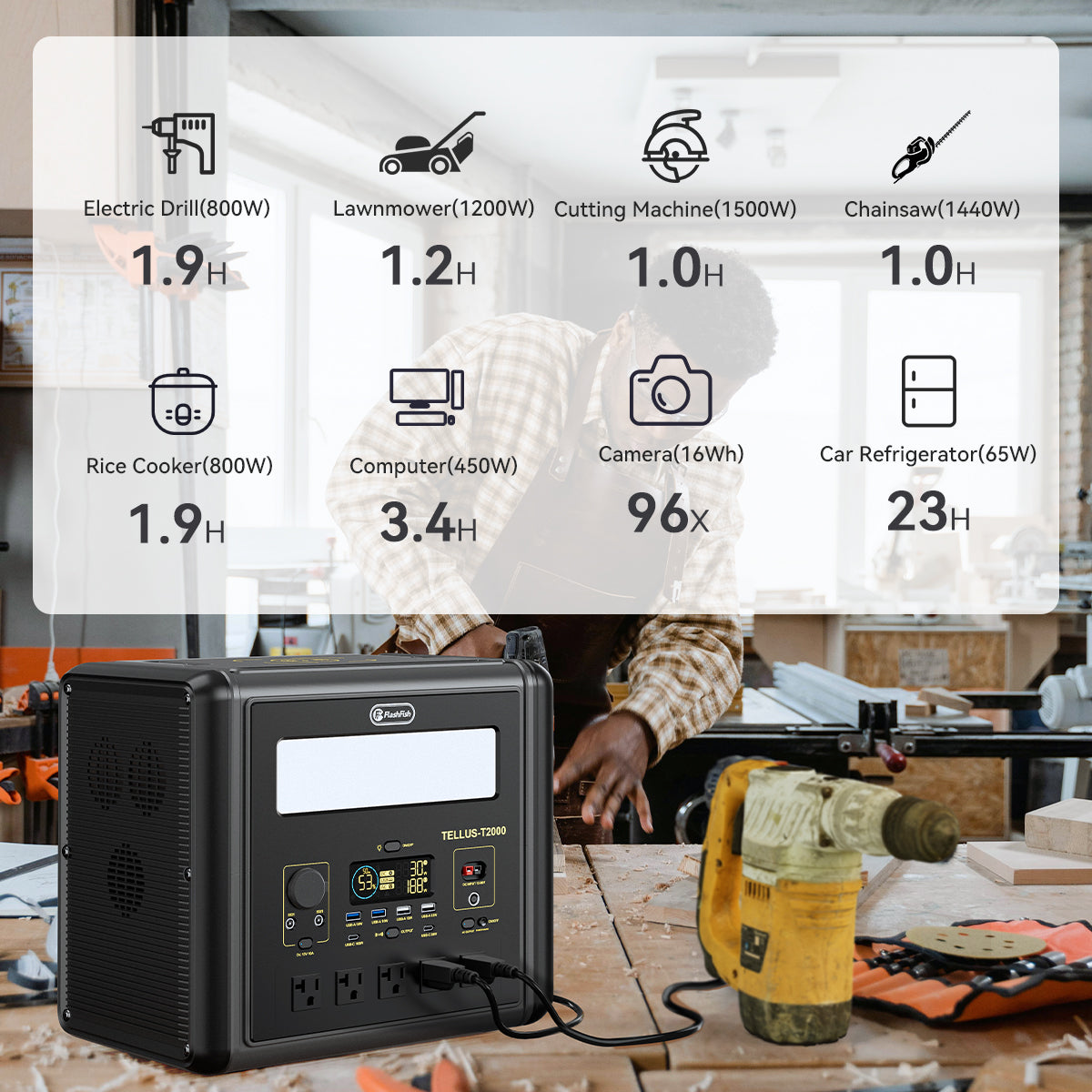
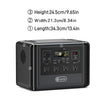
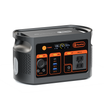
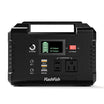
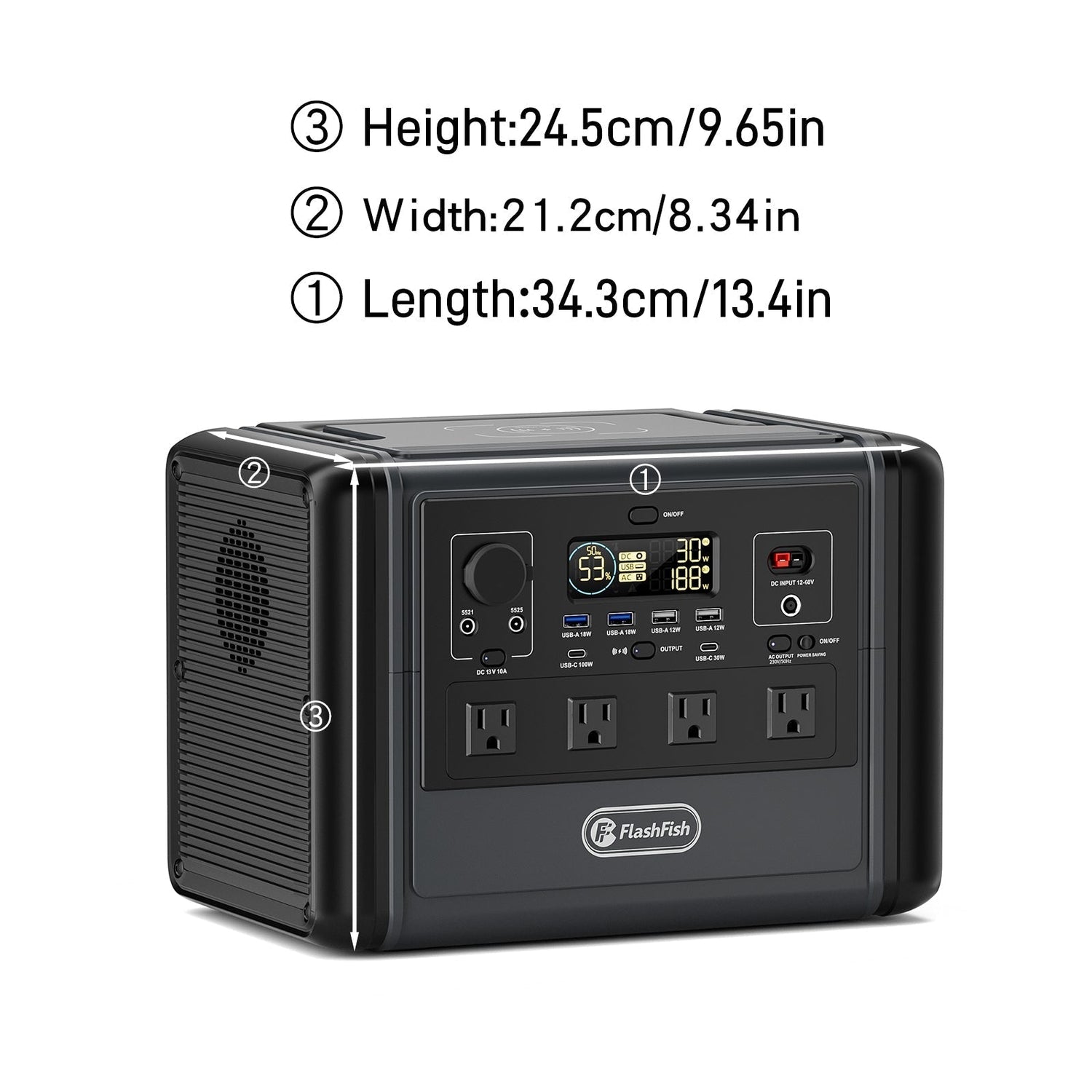
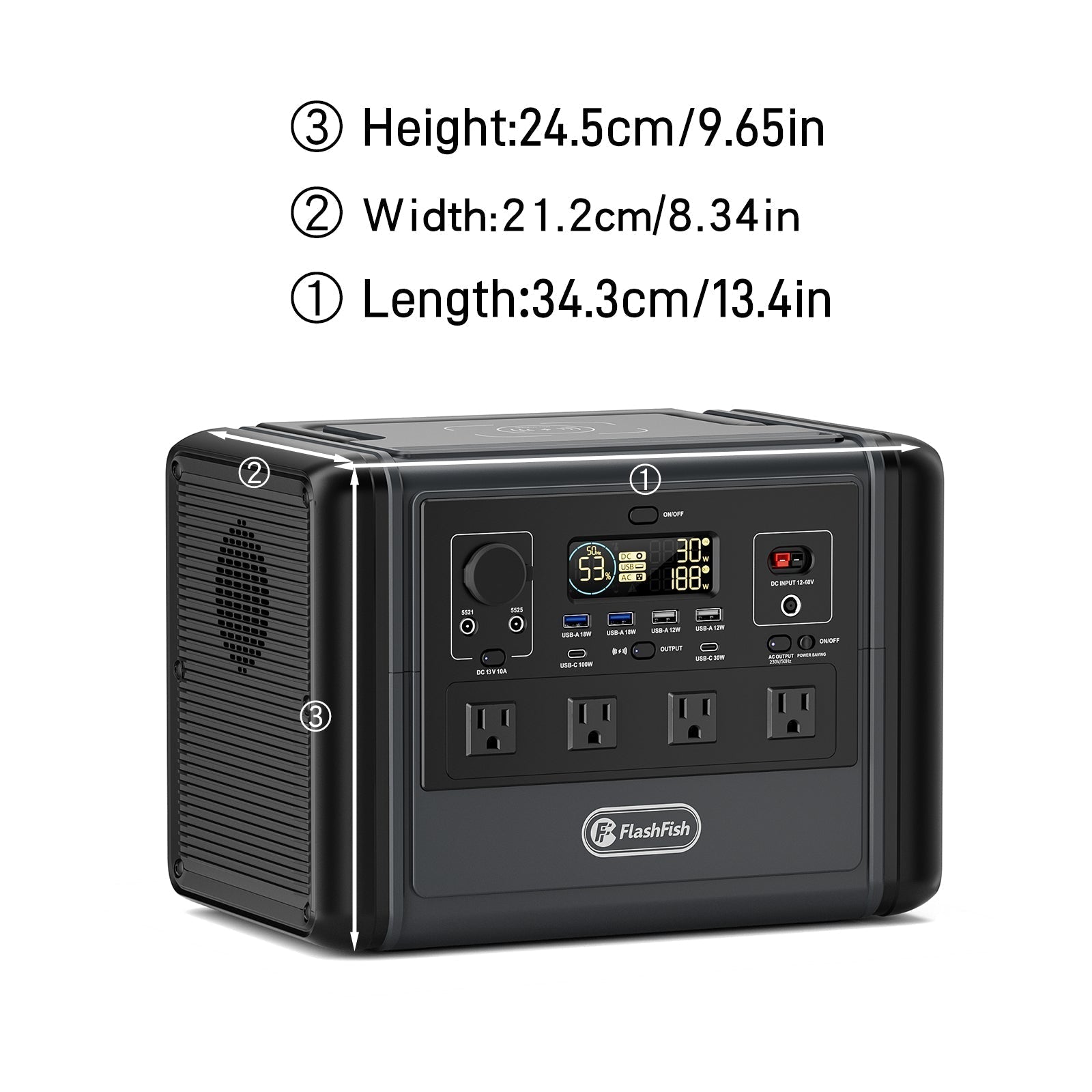
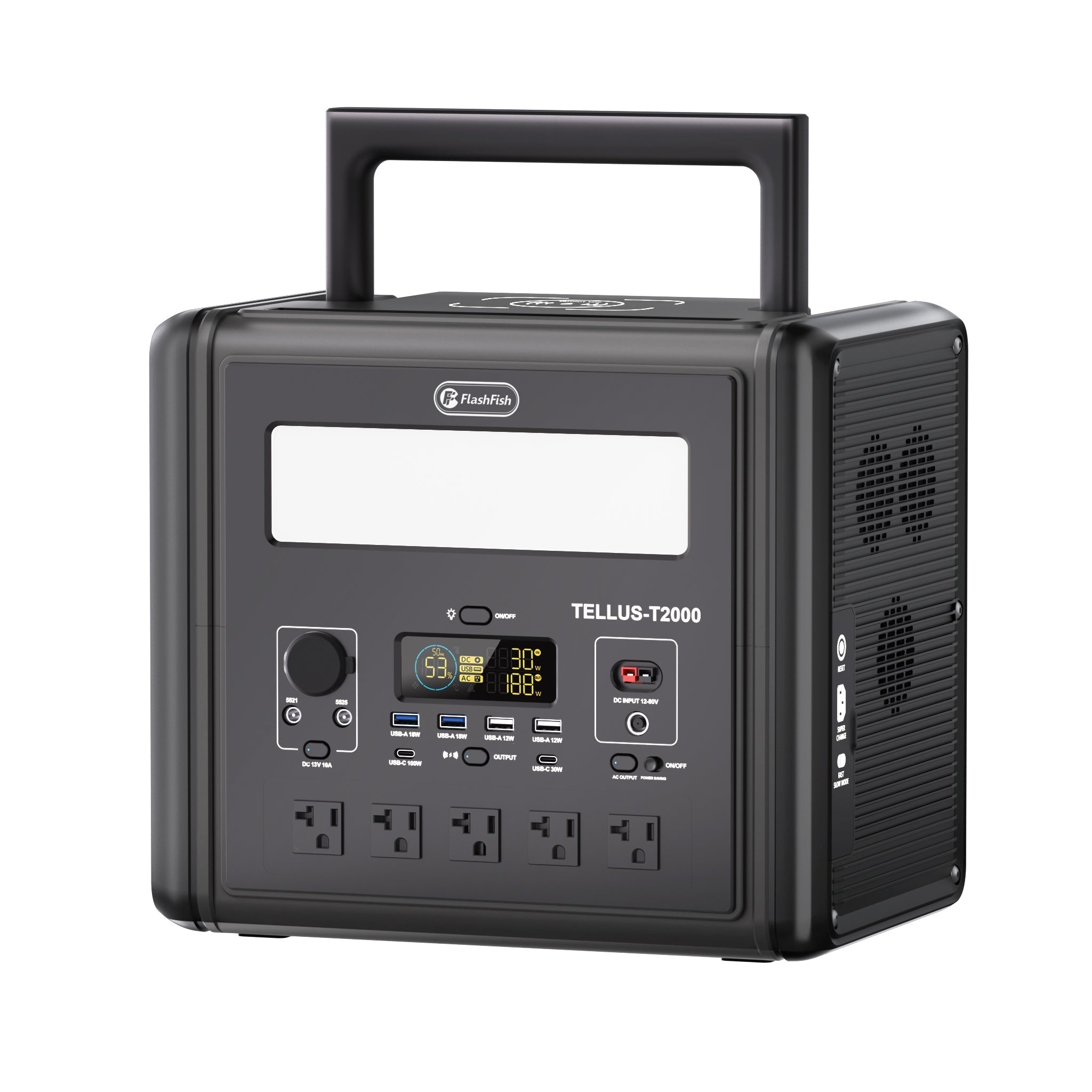
A USB power bank is usually built for small electronics. It is simple, light, and easy to pack. A portable power station is a larger battery system with more output options. It may include AC outlets, DC ports, USB ports, solar input, a display, and higher watt-hour capacity.
| Question | Power bank | Portable power station |
|---|---|---|
| Charging phones | Usually enough | Also works |
| Running LED camp lights | Works if USB-powered | Works with USB, DC, or AC options |
| Running a small fan | Only if fan is USB and low-power | Better fit for longer fan use |
| Charging a laptop | Only some USB-C power banks fit | Often easier if AC or suitable USB output is available |
| Using solar panels | Limited options | Designed for solar pairing on many models |
When a Power Bank Is Enough
A power bank is the right tool for minimalist trips. If your load list is one phone, a headlamp, and maybe earbuds, a power bank keeps things simple. It also makes sense for day hikes or overnight trips where you do not need AC power.
When a Portable Power Station Makes More Sense
A portable power station becomes more useful when you need flexible ports and more energy. If your camping list includes a small fan, laptop, camera charger, portable projector, router for a work trip, or solar panel, a station gives you more options.
FlashFish Fits By Need
| Need | FlashFish option | Live U.S. product facts checked 2026-06-10 |
|---|---|---|
| Small USB and AC backup | E200 | 151Wh, 200W, U.S. variant listed at $119.99 |
| More camping margin | P56 | 288Wh, 330W, U.S. variant listed at $189.99 |
| Fans and repeated charging | P63 | 520Wh, 500W, U.S. variant listed at $299.99 |
| Higher-capacity camping or outage crossover | T1200S | 768Wh, 1200W, U.S. variant listed at $389.99 |
When FlashFish Fits
- You want a step up from a phone power bank.
- You need AC outlets or higher output than a typical USB battery.
- You want a camping battery that can also help during short outages.
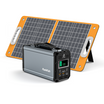
- You want solar-panel pairing for longer trips.
When FlashFish May Not Fit
- You only need one phone recharge and want the smallest possible pack.
- You are flying and need to follow airline lithium battery rules.
- You need to run high-wattage cooking or heating appliances.
- You need a whole-home backup system.
Solar Charging Changes The Decision
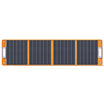
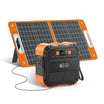
If you want solar, a portable power station is usually the cleaner path. FlashFish lists portable solar panels such as the TSP60 and TSP100. Before buying, match the panel voltage, connector, and station input limit.
FAQ
Is a portable power station just a big power bank?
Not exactly. Both store battery energy, but a portable power station usually adds higher capacity, AC output, DC ports, displays, and solar input.
Can a power bank run a fan?
Only if the fan is designed for USB power and stays within the power bank output. For longer fan runtime or AC fans, a portable power station is usually the better category.
Which is better for camping?
For phones and headlamps, a power bank is often enough. For fans, laptops, AC charging, and solar panels, choose a portable power station.
Sources And Review Notes
FlashFish product facts and prices in this draft come from live U.S. Shopify product data checked on 2026-06-10. If the article discusses air travel, review current FAA and TSA lithium battery rules before publishing because airline rules depend on watt-hour limits and whether the battery is carried on or checked.

Hinterlasse einen Kommentar
Diese Website ist durch hCaptcha geschützt und es gelten die allgemeinen Geschäftsbedingungen und Datenschutzbestimmungen von hCaptcha.