

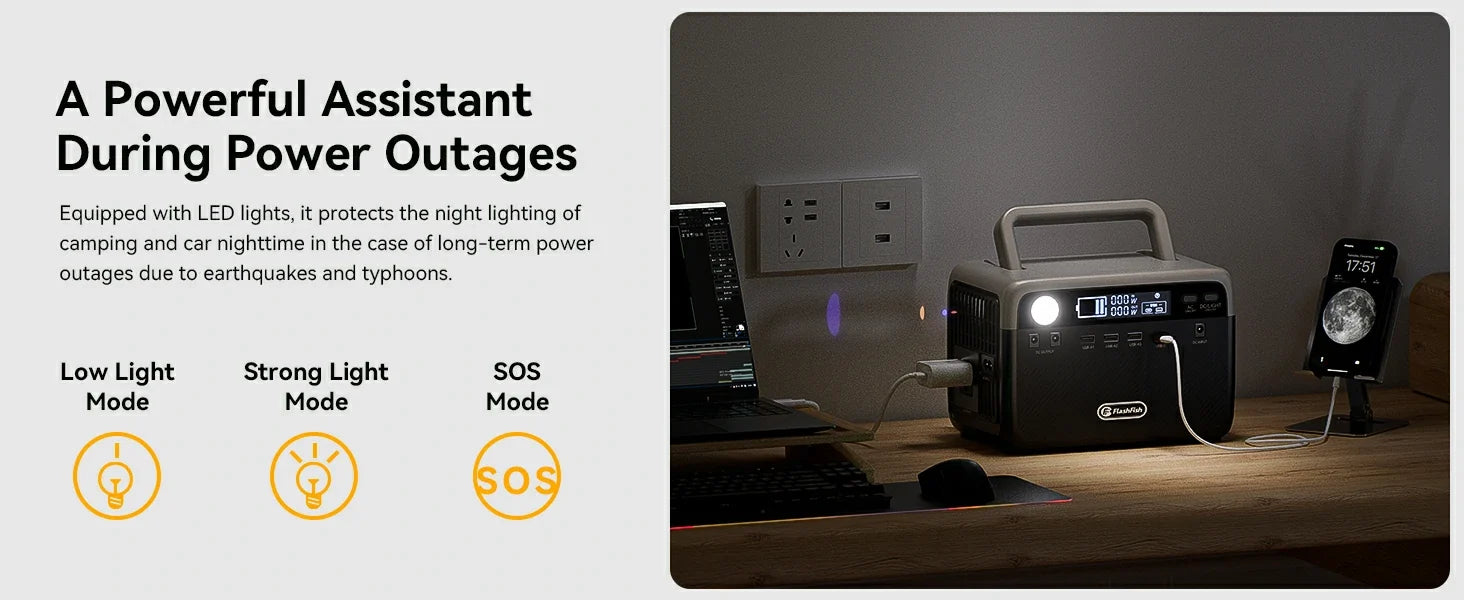
Quick answer: Build an astronomy power budget around verified equipment requirements before looking at a product price. Confirm the telescope mount’s manual, adapter label, connector, and output needs first; then compare current U.S. product details, capacity, output, carrying needs, and only then current price and availability.
A quiet observing setup can involve a telescope mount, phone, red-light accessory, and other low-draw gear. It is tempting to start with a single dollar amount, but the lowest advertised price is not a useful comparison if the connector, input requirement, or transport plan has not been checked. Treat a portable power purchase as a documented equipment decision, not as a guess based on a similar-looking telescope setup online.
Make the equipment list before the shopping list
Write down every item you expect to power. For each one, capture the exact model, its input label, connector type, supplied adapter, and whether it is needed for the full observing session or only briefly. The telescope mount manual is especially important: a mount may have a specific input requirement that cannot be inferred from its size, brand, or connector shape.
- Telescope mount: exact model, manual, adapter label, connector, and input requirement.
- Phone and small accessories: their own charging labels and cables.
- Light: its charging method and whether it is permitted at the observing location.
- Transport: the distance from parking to the viewing position and the case space available.
Separate price from the evidence that makes a product usable
Current price, sale terms, variant selection, and stock status change. Check them on the same day you are ready to buy, and record the exact U.S. listing and selected variant. Do not use an older screenshot, a social post, or a price from another market as a buying decision. If a current listing does not make the needed outlet or port details clear, pause and verify the manual or seller documentation rather than filling the gap with an assumption.
Use specifications as a screening step
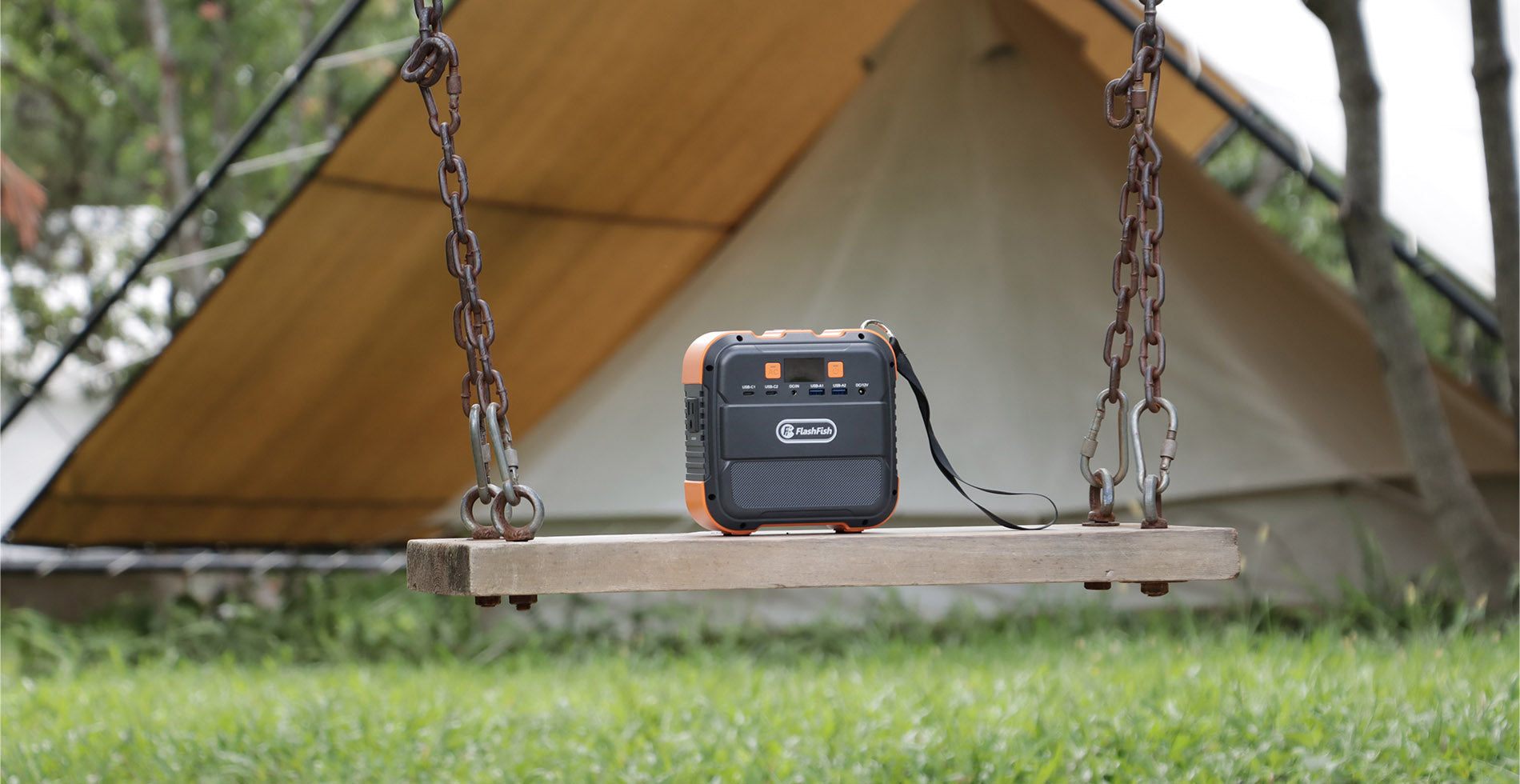
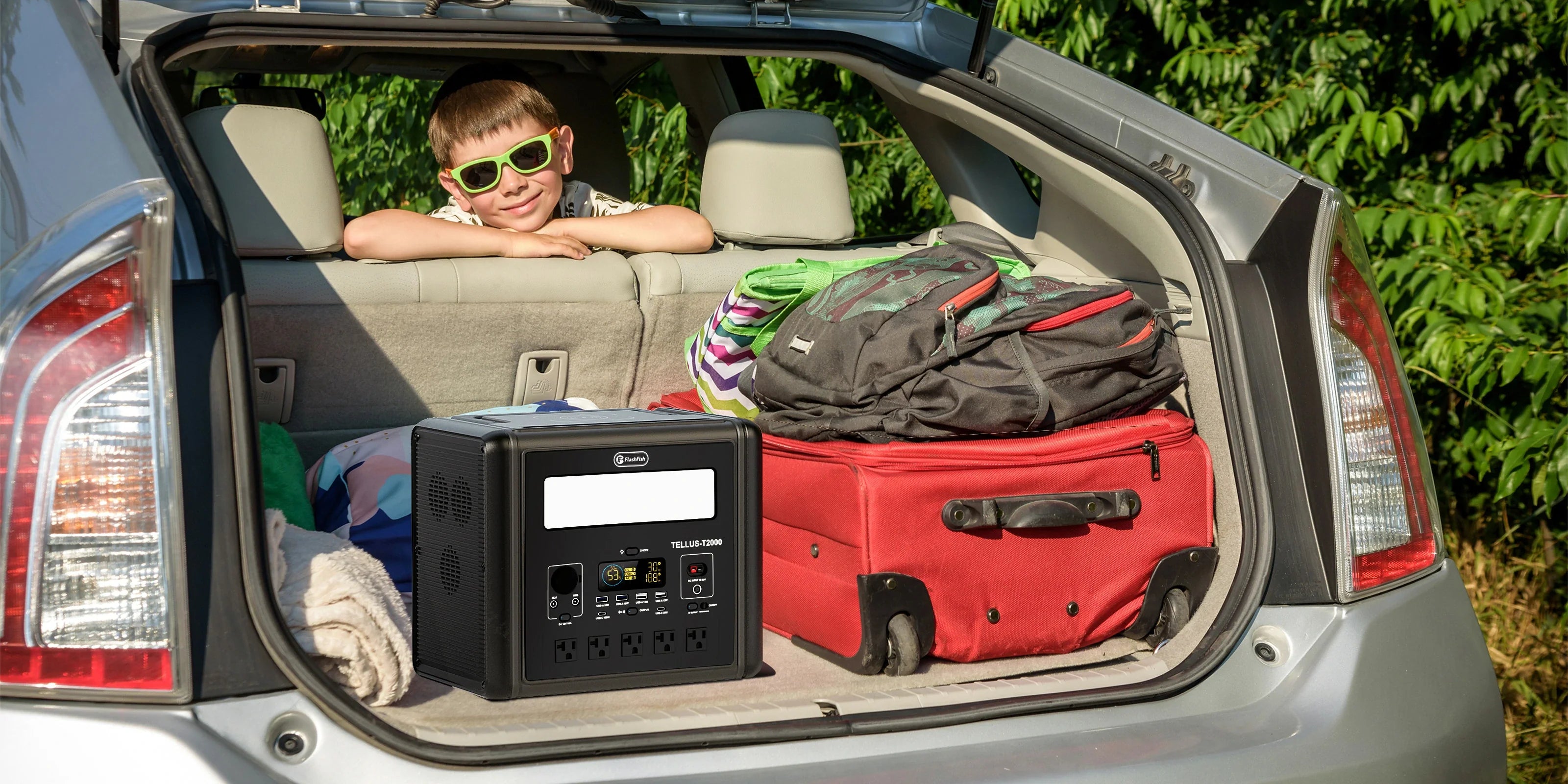
The FlashFish E103 product record lists 179.2Wh of capacity, LiFePO4 battery chemistry, 300W continuous pure-sine AC output, and a USB-C output rated up to 60W. The TELLUS-T300Pro record lists 230Wh, LiFePO4 battery chemistry, 300W continuous pure-sine AC output, two 120V/60Hz AC ports, and a USB-C output rated up to 100W. These numbers can help you build a shortlist, but they do not show that either model is compatible with a particular mount, cable, or adapter.
The two models also have different recorded carrying weights: approximately 3.0 kg for E103 and 4.5 kg for TELLUS-T300Pro. That can matter for a backyard setup carried a short distance as well as a field observation reached on foot. Compare the whole packed system, including cables and protective case, rather than comparing power-station figures alone.
A practical buying sequence
- Confirm the mount’s exact input requirement from its manual and label.
- Match that requirement against the exact U.S. model’s documented outlet or port configuration.
- Consider capacity, output, ports, weight, and the way you will carry the kit.
- Check the current U.S. product page for the selected variant, price, and availability on the day you are ready to purchase.
- Keep the invoice, manual, and model details together so future accessory decisions can be checked against them.
Budget for the complete setup
Reserve room in the budget for documented accessories, a protective way to carry the equipment, and any replacement cable that the original manuals specifically support. Do not assume a generic adapter, splitter, or extension will work because it physically connects. A small amount spent on confirming the correct connection can avoid a purchase that is unsuitable for the equipment you already own.
Frequently asked questions
What portable-power price should I plan for a telescope mount?
There is no dependable single price without the mount’s documented input requirements and a same-day check of the exact U.S. product and variant. Treat current price as the final comparison step, not the first.
Can I choose from capacity alone?
No. Capacity does not confirm connector fit, outlet configuration, adapter requirements, or the practical weight of your packed kit.
Will a 300W power station run my telescope mount?
Do not infer that from the 300W figure. Compare the mount’s label and manual with the exact power station documentation and the required cable or adapter before use.
Next step: Check the current FlashFish E103 product details and price.

Laisser un commentaire
Ce site est protégé par hCaptcha, et la Politique de confidentialité et les Conditions de service de hCaptcha s’appliquent.