

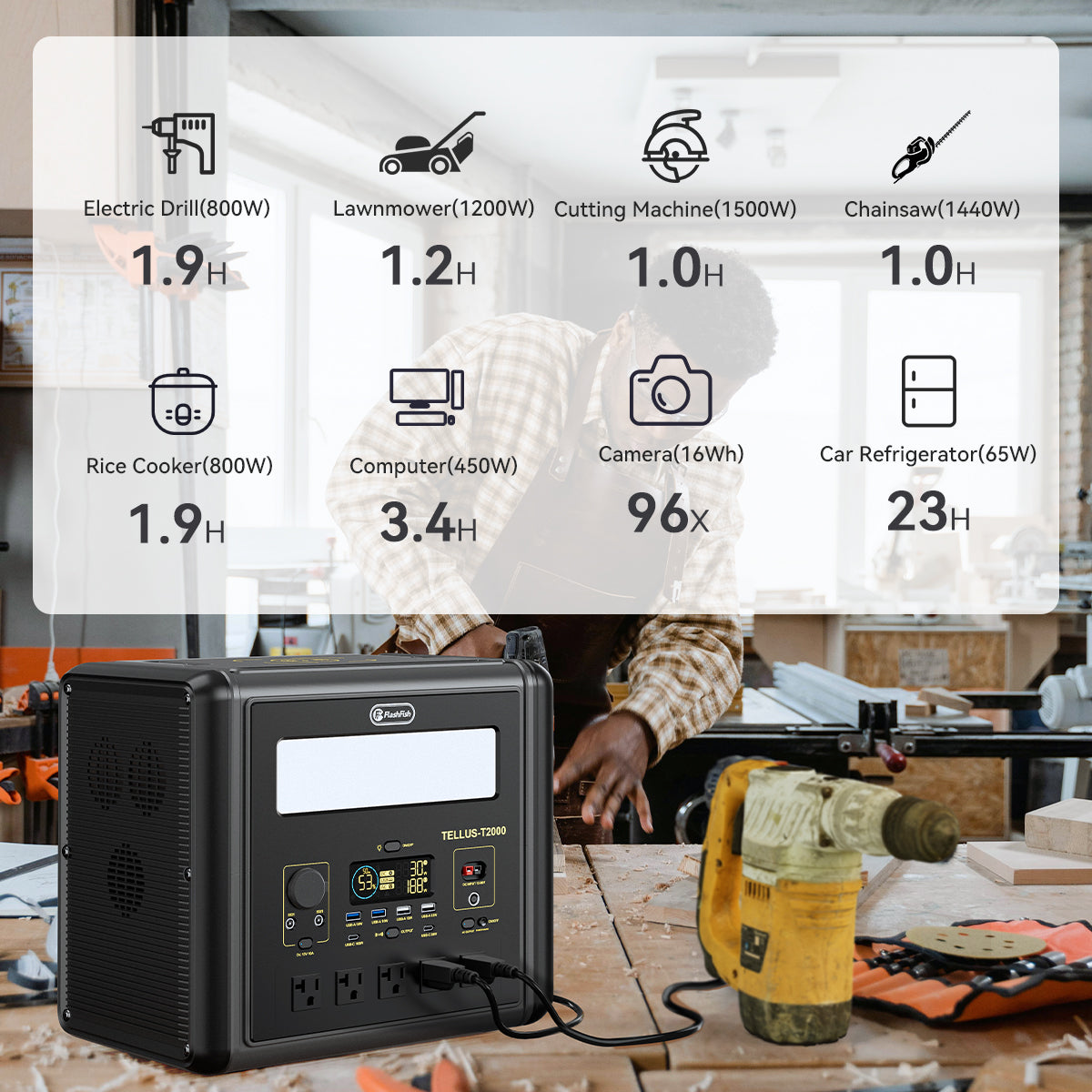
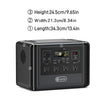

Short answer: Watt-hours, written as Wh, describe how much electrical energy a portable power station can store. Watts describe how much power a device needs at a moment. To estimate runtime, divide usable watt-hours by the watts your devices draw, then leave margin for conversion losses and real-world conditions.
The U.S. Department of Energy explains that 1,000 watt-hours equals 1 kilowatt-hour. The U.S. Energy Information Administration also separates watts as power from watt-hours as energy used over time. That distinction matters when comparing portable power stations: a large Wh number helps with runtime, while the output watt rating decides whether the station can run a specific device at all.
Watts vs watt-hours
| Term | What it means | Why shoppers confuse it |
|---|---|---|
| Watts (W) | Power draw or output at a moment | A device label may show watts, and a power station also lists output watts |
| Watt-hours (Wh) | Stored or used energy over time | Battery capacity is usually listed in Wh |
| Kilowatt-hour (kWh) | 1,000 Wh | Utility bills often use kWh instead of Wh |
A 60W device running for five hours uses about 300Wh before losses. A 600W appliance running for half an hour also uses about 300Wh before losses. Same energy budget, very different output demand.
The simple runtime formula
Use this planning formula: battery Wh x 0.85 / device watts = estimated runtime. The 0.85 factor is a practical allowance for inverter and conversion losses. Actual runtime can change with battery age, temperature, AC vs DC output, device cycling, and whether several devices run at once.
- Low-watt devices such as phones and LED lights stretch a battery further.
- Medium loads such as laptops, routers, fans, and TVs need a realistic hour-by-hour plan.
- High-watt appliances such as microwaves, heaters, and kettles may hit the inverter limit even before battery capacity becomes the issue.
How FlashFish models compare for Wh planning
| Active FlashFish product | Listed output and capacity | Best planning role |
|---|---|---|
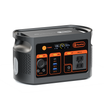
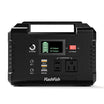
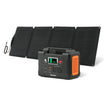
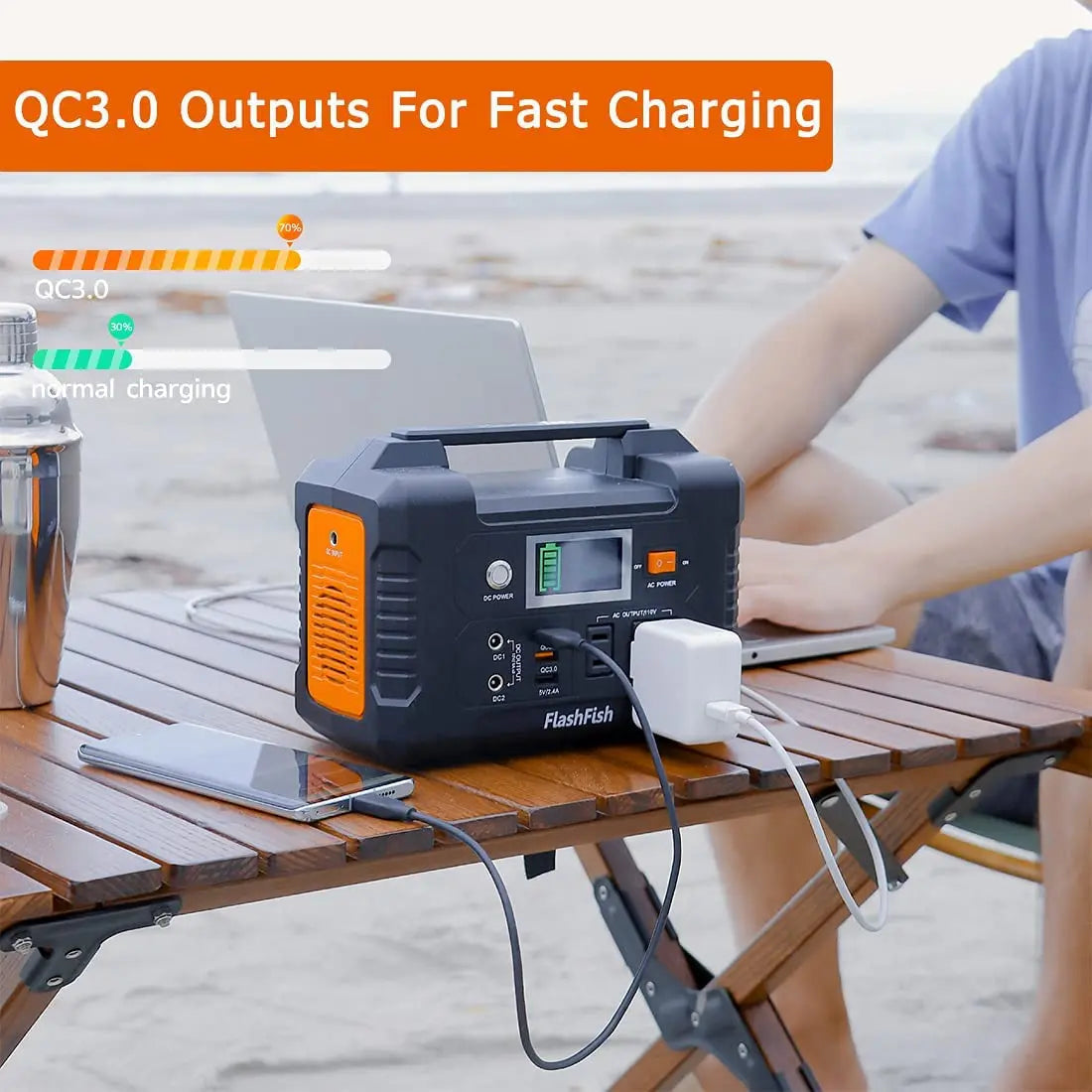
| FlashFish E200 | 200W + 151Wh | Phones, lamps, camera batteries, light laptop charging |
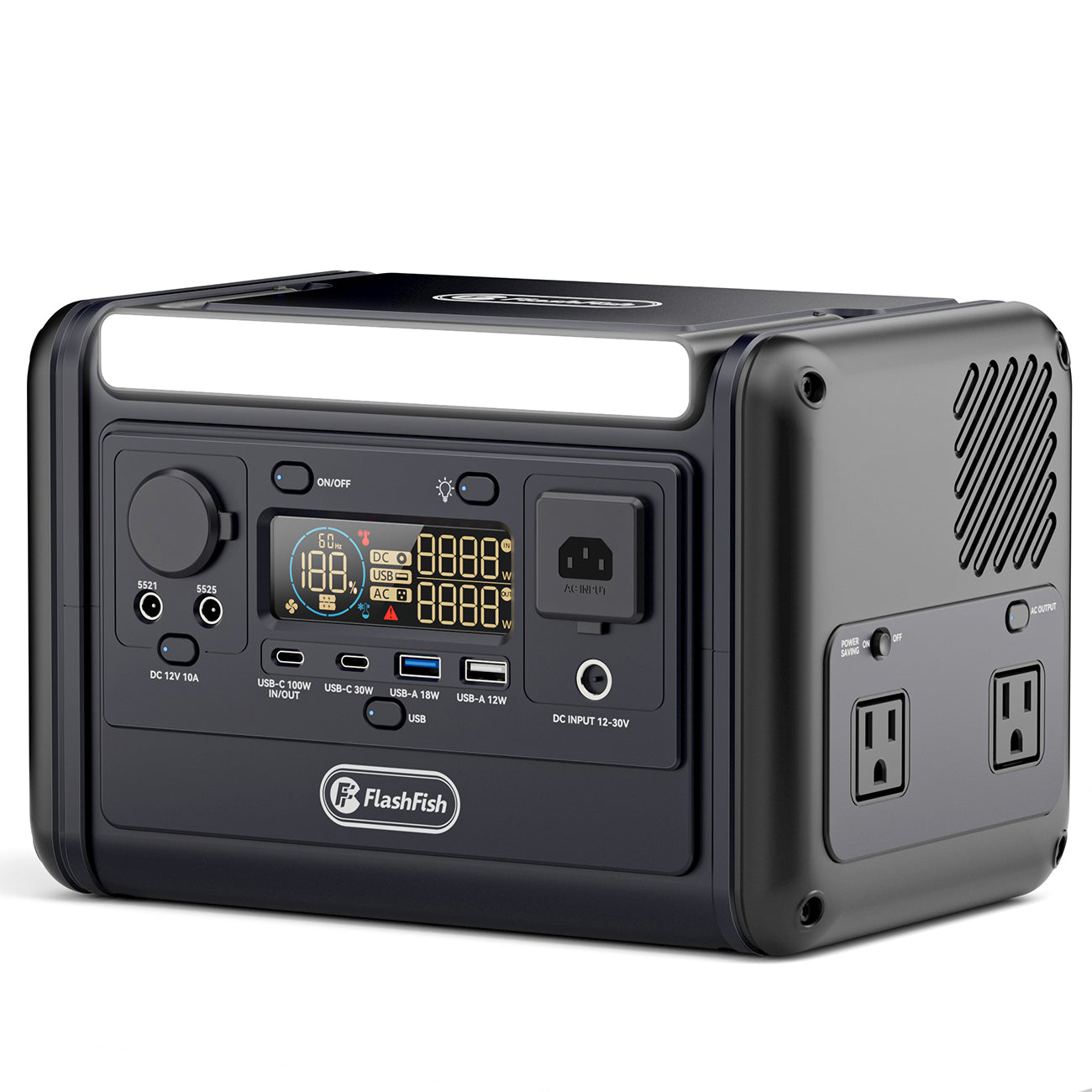
| FlashFish P63 | 500W + 520Wh | Router, laptop, lights, small-fan planning |
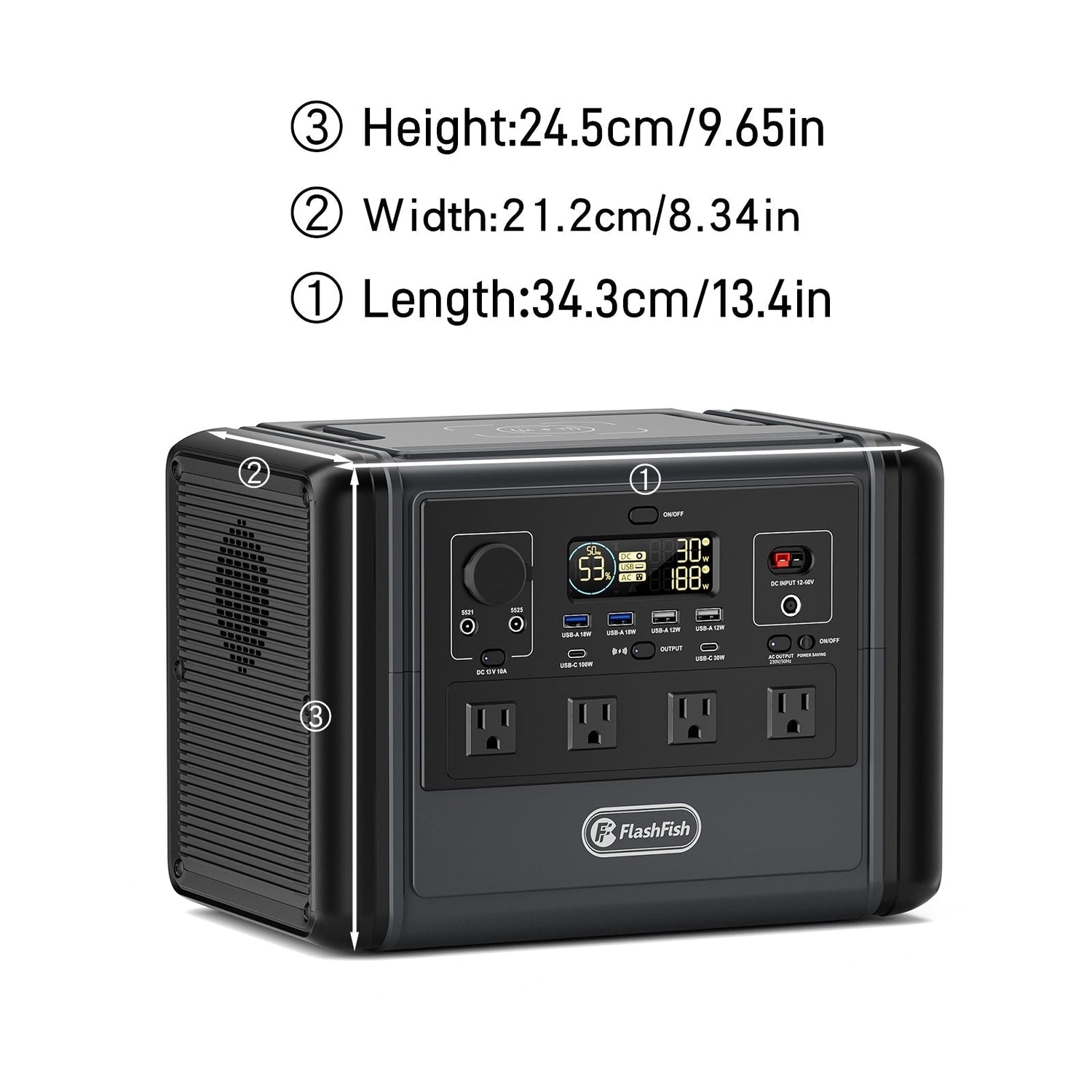
| FlashFish T1200S | 1200W + 768Wh | Higher output needs and longer backup margin |
| FlashFish T2000 | 2000W + 1536Wh | Large loads, RV/camping setups, and high-capacity outage planning |
These products were matched only after live Shopify discovery confirmed ACTIVE status and non-empty U.S. online store URLs. The table is for selection logic, not a promise that any appliance will run without checking its label.
Why output rating still matters
Wh tells you how long the battery might last. Output watts tell you whether the station can start and run a device. A 1536Wh battery with too small an inverter would still fail on an appliance that needs more watts than the inverter can supply. Always check the device input label and the power station's continuous output rating before plugging in higher-draw appliances.
Common planning mistakes
- Using cooking watts, cooling BTU, or marketing labels instead of electrical input watts.
- Adding several devices to one power strip without adding their watts.
- Assuming a battery will deliver 100% of its listed Wh through AC outlets.
- Choosing by capacity only and ignoring output limits, ports, recharge method, and portability.
FAQ
Does more Wh always mean a better portable power station?
No. More Wh usually means more stored energy, but the right choice also depends on output watts, ports, weight, recharge options, battery chemistry, and the devices you plan to run.
Is 500Wh enough for a blackout?
It can be enough for a focused plan with phones, lights, router, and a laptop. It is not a whole-home backup plan, and it should not be used for high-draw appliances unless the output rating and device label match.
Why do runtime estimates differ from real use?
Loads cycle on and off, inverters lose energy as heat, batteries perform differently in different temperatures, and users often add extra devices during an outage.
Sources and product links
- U.S. Energy Information Administration: measuring electricity
- Competitor signal: Anker SOLIX power station selection guide
- FlashFish portable power stations collection
Human review checklist
- Confirm product capacities and URLs against live Shopify before publishing.
- Keep formulas framed as estimates, not guaranteed runtimes.
- Check table formatting on mobile.
- Confirm the article has exactly one H1 and clear FAQ answers.

Leave a comment
Situs ini dilindungi oleh hCaptcha dan berlaku Kebijakan Privasi serta Ketentuan Layanan hCaptcha.