


Your energy records cover a planned camping task only to the extent that the documented task, settings, endpoint, and measurement boundary match. List the tasks first, then map each existing trial to its matching row. Leave unmatched tasks unmeasured. A result for one device state does not fill a different state's blank cell.
This worksheet audits the coverage of records you already have for non-critical camping devices. It supplies no electrical connection, meter installation, or testing procedure. No actual reader task list or trial log was provided, so the cases below are hypothetical. Their purpose is to show how to identify missing evidence before building an energy budget.
Define the rows before reading the results
Write one row for each distinct task and condition you plan to use. Name the device, the intended start and endpoint, relevant settings, duration or completion condition, and the measurement boundary used in the existing record. Give each trial an identifier so the worksheet can point back to its source.
A boundary describes what the record actually measures. For instance, a record labeled as energy at a device input should remain attached to that input. It cannot silently become a measurement of total energy removed from a station. If the record does not identify the boundary, mark it unknown rather than interpreting its Wh number as whichever quantity the budget needs.
Use the device, station, and meter documentation to interpret existing records. An unexplained display number is incomplete evidence. The objective here is to identify the missing field, not to reconstruct an undocumented measurement or start a new trial without the appropriate instructions.
| Planned task and state | Start and endpoint | Settings | Boundary | Matching trial IDs | Coverage and missing evidence |
|---|---|---|---|---|---|
| Lamp L1, low brightness for one hour | Switch-on to one hour in the fictional existing log | Low brightness in plan and log | Device input, identified in log L-01 | L-01 | Documented match for that row only; a higher-brightness row is unmeasured |
| Phone P1, a defined top-up while idle | Plan: 30% to 70%; log omits final indication | Planned idle state; log omits usage state | USB input identified in log P-01 | P-01 is potentially relevant | Partially documented: request final indication and usage state |
| Camera C1, one battery recharge | Planned start and completion need definition | No matching log supplied | Unknown | None | Unmeasured: define the row and obtain matching evidence before budgeting it |
Assign coverage labels consistently
Use documented match when the existing record identifies the planned task and required conditions at the stated boundary. Use partially documented when a potentially relevant record lacks one or more of those fields. Use unmeasured when no matching record exists. These labels describe evidence coverage, not predicted success or guaranteed energy demand.
Keep an explanation beside every partial label. “Endpoint missing” is actionable; “probably close enough” hides the question. If several trials disagree, first preserve their identities and conditions. This worksheet does not average them, choose a universal maximum, or calculate a new energy range.
You can count matched rows for bookkeeping, but the count is not a probability. Two documented rows out of three do not establish a two-thirds chance of completing a trip. The unmatched task might be central to the plan, and the rows need not represent equal amounts of energy.
Three hypothetical coverage decisions
Hypothetical example 1: a lamp setting changes
A camper's fictional lamp record identifies one hour at a particular brightness and a stated measurement boundary. The planned row uses that same device for one hour at a different brightness. Preserve the old record, but mark the new row unmeasured for the changed setting. Do not copy the Wh figure into the blank.
Hypothetical example 2: the trial ends early
A fictional phone record documents an initial charge indication and an energy reading, but omits the final charge indication and whether the phone was being used. The planned row specifies a defined start and finish with a particular usage state. Label the record partially documented and request those missing fields. Its existence alone does not cover the task.
Hypothetical example 3: two matches leave one gap
A fictional three-row plan has fully documented matching records for a lamp task and a phone task, but none for an additional camera task. The bookkeeping count is two matched rows and one unmeasured row. Keep the camera task unresolved; neither the lamp's result nor the count supplies its energy requirement.
Use station specifications for the separate product check
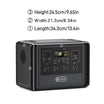
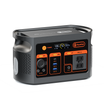
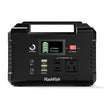
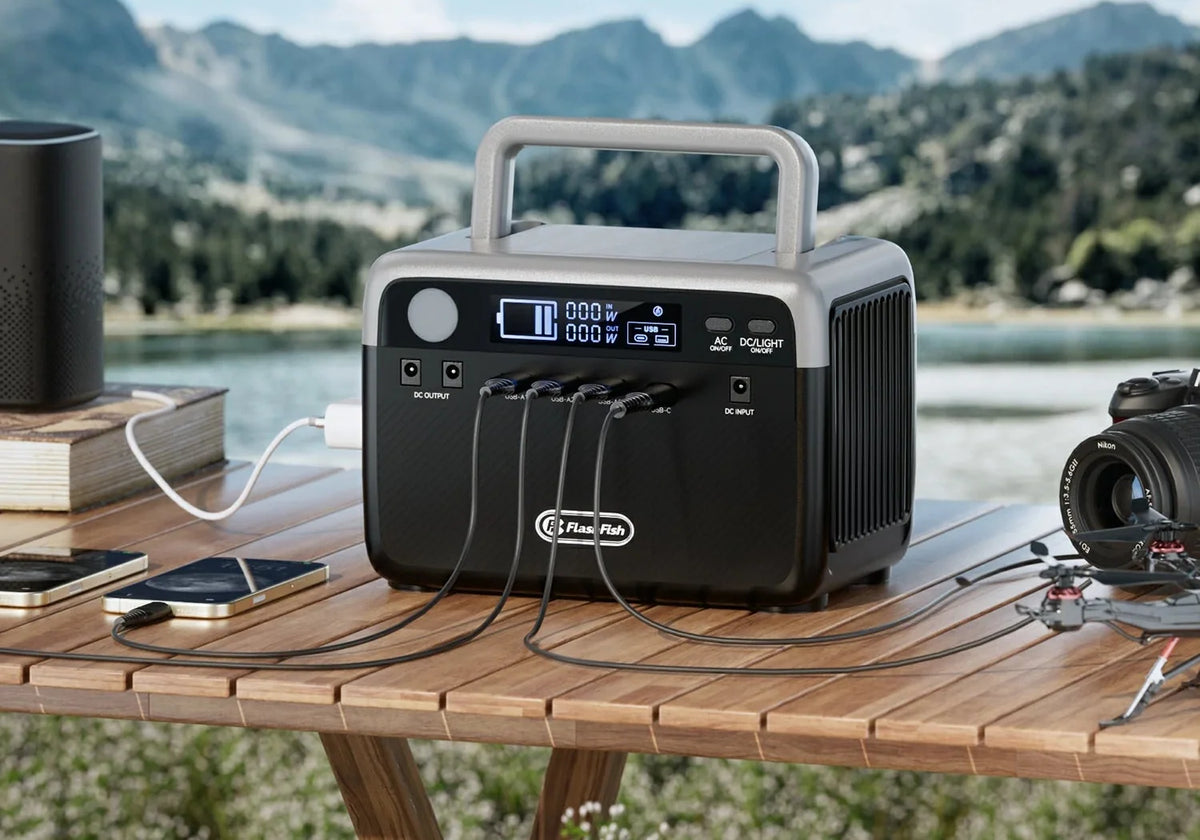
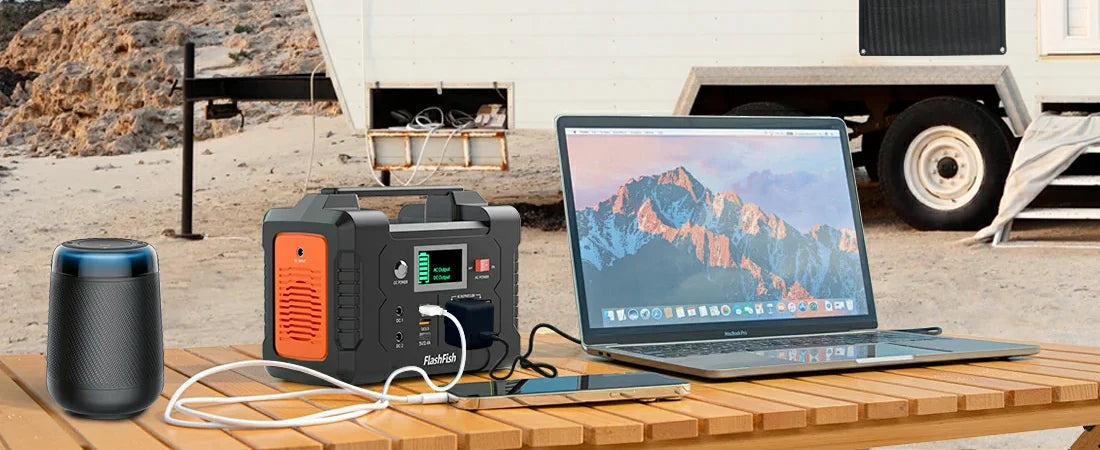
FlashFish E103 has a nominal capacity of 179.2Wh; T300Pro, also called TELLUS-T300Pro, has a nominal capacity of 230Wh. These capacity figures do not fill a missing task observation or convert a device-input record into station-side energy.
The available E103 reference manual describes a 230V AC configuration; it does not establish the AC version of a particular U.S. unit. Before selecting a station, confirm the actual regional variant and documented output requirements separately. No measured usable energy, combined-load outcome, compatible device pairing, or trip runtime is supplied here.
Frequently asked questions
Can I use the closest available trial?
Keep it as a reference with its differences identified. Do not label the planned task measured when the necessary conditions or boundary do not match.
Does one matching record prove every future use?
No. The label means a documented observation matches the defined row. It does not establish a universal demand, an upper bound, or a confidence level.
What if I have no trial records?
Complete the task definitions and mark the rows unmeasured. List the documentation and observation fields still needed. Do not invent readings to make the worksheet appear complete.
Identify the next missing piece
Build the matrix from your current trip list today. For each gap, write a precise request naming the device state, endpoint, settings, and boundary that are missing. Once the evidence supports the intended tasks, compare the exact FlashFish model's documented specifications in a separate power assessment.
For the separate station check, use FlashFish user guides to locate instructions matching the model and electrical version on your unit.
Next step: Compare FlashFish E103 specifications with your equipment list.

Leave a comment
Situs ini dilindungi oleh hCaptcha dan berlaku Kebijakan Privasi serta Ketentuan Layanan hCaptcha.