


Quick answer: A planned recharge stop can add travel, parking, access charges, and time beyond the electricity bill. Compare the same trip with and without the stop, count only the additional costs caused by the detour, and keep electricity on its own line. Record extra time separately unless you deliberately assign it a personal value. Unknown permission, fees, or charging duration stay unresolved; they are not zero-cost inputs.
This worksheet is for campers considering a permitted stop to recharge a portable station for non-critical use. It does not identify an available outlet or establish permission at any location. No route, official quote, fuel receipt, transit fare, or charging observation has been supplied. All numerical examples below are hypothetical budgeting exercises.
Start with the trip you would take anyway
Write a baseline itinerary using the same starting point, destination, and necessary errands as the recharge itinerary. Then add the proposed stop and compare complete routes, including the return to the original journey. Comparing a one-way detour with a complete baseline trip can hide part of the extra distance.
Costs already present in both trips cancel from the incremental comparison. A grocery visit you would make anyway does not become an additional charging expense simply because a permitted outlet is nearby. If the charging plan adds parking time, a separate access fee, or another visit, those added amounts belong in the stop budget.
Keep the comparison narrow. This is a budget for an extra journey, not a complete vehicle-ownership calculation. If you also want to account for wear or other costs, list your chosen method separately. Do not quietly replace your measured travel expenses with an unexplained mileage allowance.
Complete the stop worksheet
| Budget item | Baseline trip | Recharge trip | Additional amount | Evidence needed |
|---|---|---|---|---|
| Distance or transport fare | Full original route or fare | Full revised route or fare | Difference only | Route record and measured consumption, or actual fares |
| Parking and access | Charges already required | Charges with the stop | Added charges only | Dated location quote and conditions |
| Electricity | Any baseline charging expense | Confirmed billing basis for this stop | Separate energy or charging-fee line | Applicable tariff, flat fee, or receipt |
| Time | Original trip duration | Travel, waiting, charging, and return schedule | Extra minutes; money optional | Schedule and charging-duration evidence |
| Permission and equipment | Not a cost assumption | Exact permitted activity and matching charging setup | Unresolved until confirmed | Location authorization and exact charging instructions |
Record the date and scope of every quote. Permission to enter a parking lot is not evidence that charging is allowed. Ask the location operator about the intended activity, fees, access window, and any conditions, then retain that answer. A low numerical estimate cannot resolve an unanswered permission question.
Calculate travel and electricity on separate lines
For a fuel-powered vehicle, a simple incremental fuel budget uses extra miles divided by your applicable measured miles per gallon, multiplied by the actual fuel price you are using. Check that the consumption observation is relevant to the planned trip. This estimates fuel expense only and does not establish a complete cost per mile.
For transit, compare the actual fares required by both itineraries. Count an extra ticket or surcharge when it is caused by the stop. Do not add a car-fuel calculation to a transit journey. If the route requires several transport modes, keep each added fare or expense visible.
Electricity depends on the location's actual billing arrangement. Where a charge is based on measured billed kWh, use that quantity and its applicable rate. Where the operator quotes a flat charging fee, record the flat fee instead. A station's nominal battery capacity is not the measured electricity billed at the outlet and cannot establish that line item.
Three hypothetical recharge-stop budgets
Example 1: Driving farther to reach a permitted outlet
Assume the revised trip adds 12 miles, the reader uses a relevant measured 30mpg, and fuel is entered at a hypothetical $3.60 per gallon. Added fuel is 12 ÷ 30 × $3.60 = $1.44. Add hypothetical extra parking of $2.00 and electricity of $0.10: the included cash subtotal is $3.54. Record any extra time and unknown charges separately. None of these figures is a current market quote.
Example 2: Combining charging with an existing errand
Assume a stop adds no route distance because the reader would already visit the same location. Added fuel is $0 under that assumption. If the permitted charging activity adds a hypothetical $1.00 parking extension and a $0.50 flat charging fee, the included subtotal is $1.50. Time still belongs on its own line, and a zero-distance detour does not imply a zero-cost stop.
Example 3: A transit option with an unresolved charging fee
Assume the revised itinerary requires a hypothetical extra $4.00 ticket and adds 35 minutes. The charging fee has not been confirmed. Record $4.00 as known additional transport expense, 35 minutes as extra time, and charging cost as unknown. Do not report $4.00 as the completed total or invent an hourly value for the reader's time.
Keep charging feasibility outside the cost subtotal
Before relying on the stop, confirm the exact location permission, station identity, matching charger or cable, and original charging instructions. Establish a realistic schedule from applicable documentation and your relevant observations. This worksheet does not supply a charging duration or guarantee that the planned stop restores enough energy for a task.
A stop with a small confirmed cash subtotal can still be unsuitable if its access window conflicts with the trip or its charging requirements remain unresolved. An already documented alternative may be easier to evaluate, but compare its actual incremental expense and constraints rather than assuming it is cheaper.
Where E103 and T200 enter the budget
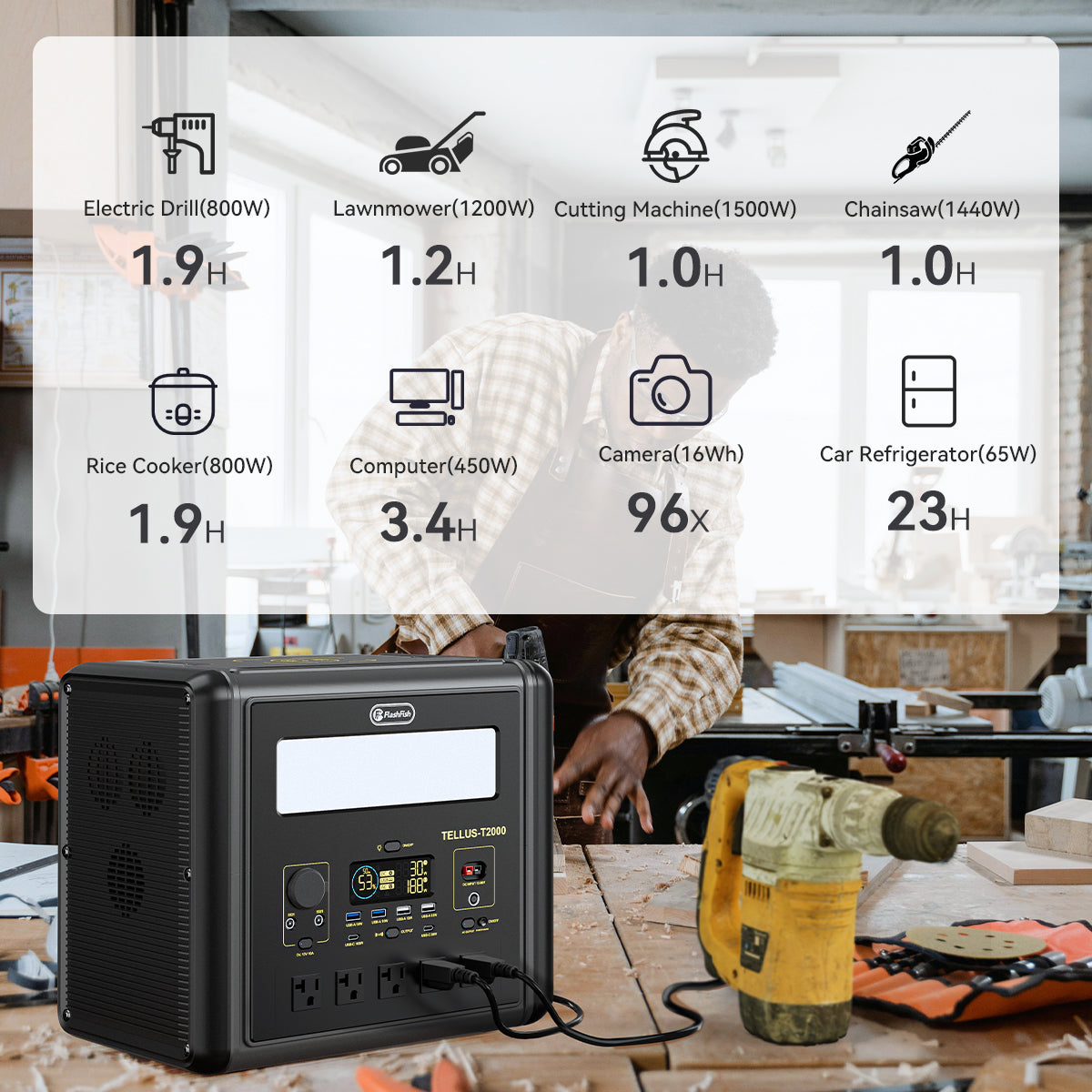
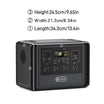
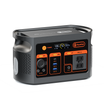
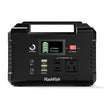
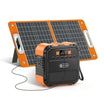
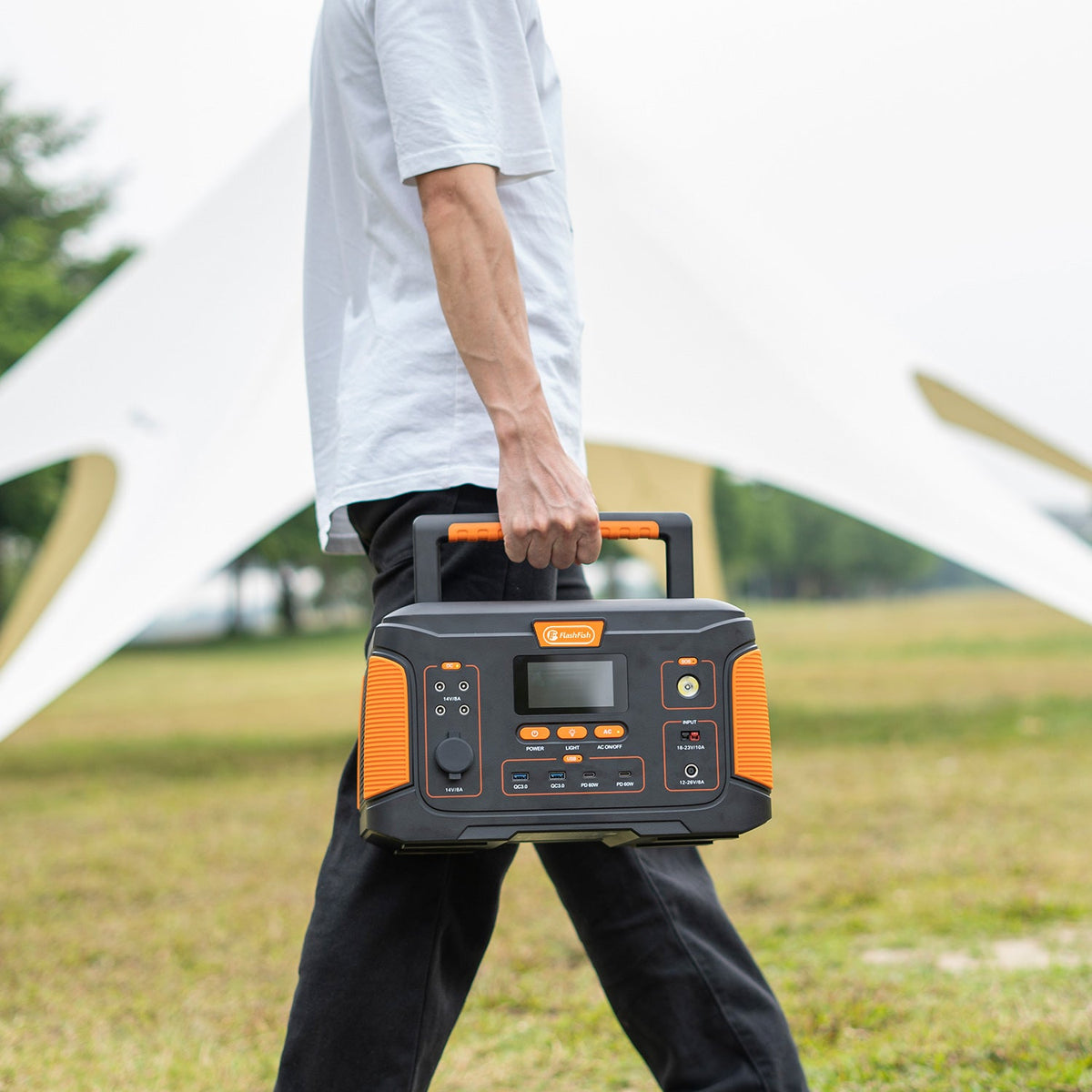
FlashFish E103 has a documented capacity of 179.2Wh; T200, also named TELLUS-T200, has 153.6Wh. Use these values to identify the models in your equipment list. They do not reveal the billed energy of a particular recharge, the time needed at a location, or the cost of reaching it.
The E103 manual referenced for these specifications describes a 230V version, so it cannot confirm the AC output of a U.S. unit. For either model, match the actual label, regional version, and original manual before selecting charging equipment. FlashFish's U.S. User Guides instructions also require checking exact charging limits and connectors; no location or charger pairing is approved here.
Frequently asked questions
Does free electricity make the stop free?
Only the electricity line becomes zero when the operator has actually confirmed that arrangement. Added travel, parking, access, and time can remain. Keep an unconfirmed electricity charge marked unknown, and obtain permission for the intended charging activity rather than inferring it from an accessible outlet.
Should I put a dollar value on extra time?
You can add a clearly labeled personal time value if it helps your decision. Keep the minutes visible and separate that optional amount from cash you expect to pay. Without your own chosen value, extra time remains an unpriced constraint rather than a fabricated fee.
Can I use the battery's Wh rating as the electricity bill?
No. Nominal Wh describes the battery's rated stored-energy capacity. Your bill depends on the location's billing arrangement and the quantity actually billed. Record the confirmed meter basis, receipt, or flat fee rather than presenting nominal Wh as a measured recharge purchase.
Make today's route decision
Write both itineraries, request the location's permission and fee terms, and separate additional travel, access, electricity, and time. Mark the budget incomplete wherever a material input is missing. If you are also choosing a station, resolve its exact charging requirements alongside the route budget before deciding which setup fits your trip.
Next step: Check the current FlashFish E103 product details and price.


Leave a comment
Situs ini dilindungi oleh hCaptcha dan berlaku Kebijakan Privasi serta Ketentuan Layanan hCaptcha.