


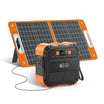
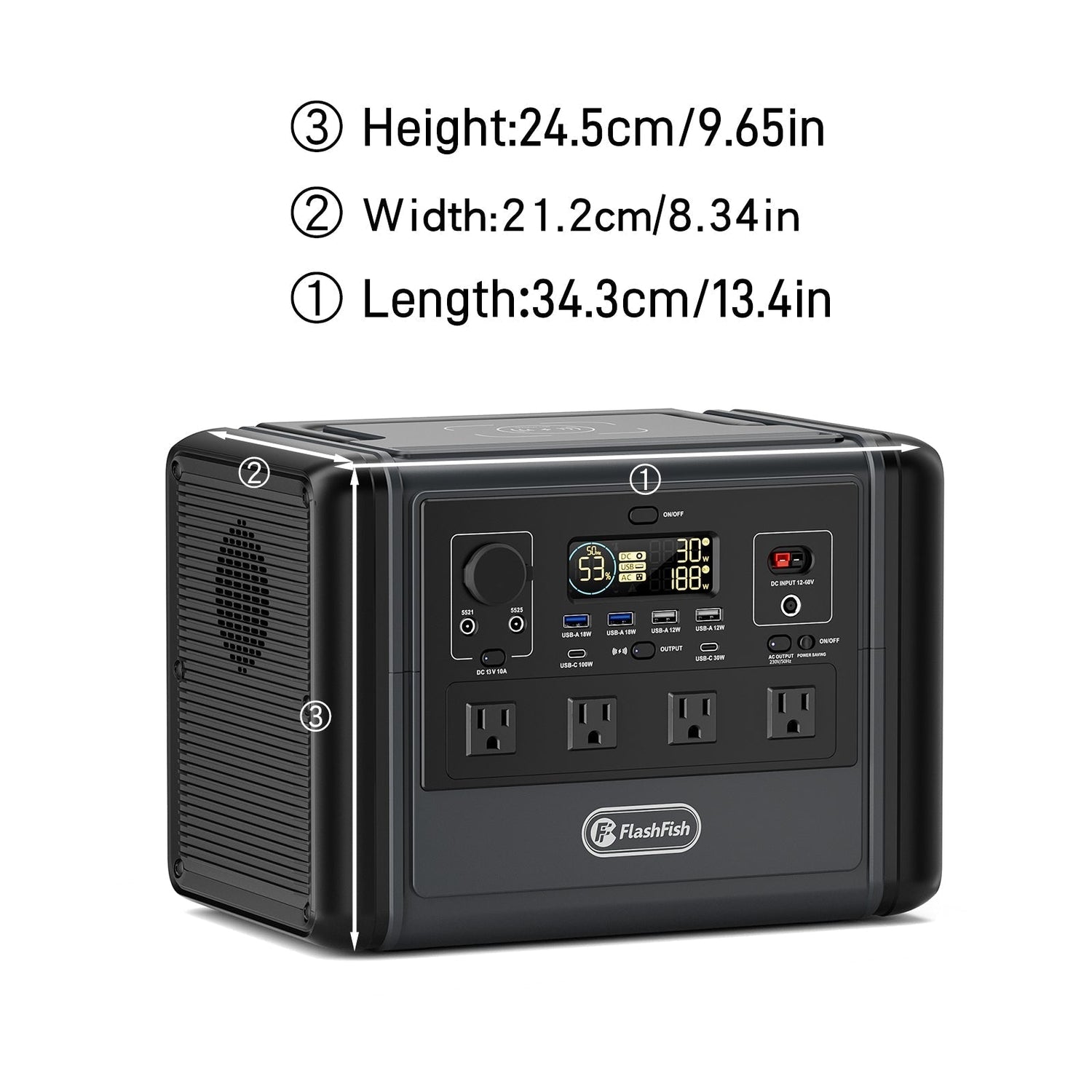
Short answer: Yes, some portable power stations can recharge from a vehicle's 12V outlet when the model supports car input and you use the correct cable. Car charging is usually slower than wall charging, and it should never be confused with jump-starting a vehicle.
This question matters for U.S. road trips, camping, RV travel, and outage errands because a car can be a backup charging source when wall power is not available. The safe answer depends on the power station manual, the vehicle outlet rating, the cable, and where the vehicle is running.
Three things to verify before car charging
| Check | What to confirm | Why it matters |
|---|---|---|
| Supported input | The power station manual lists car or DC input | Not every cable or voltage is interchangeable |
| Vehicle outlet rating | The 12V outlet fuse and current rating | Overloading the outlet can blow a fuse or stop charging |
| Correct cable | Use the cable specified by the station manufacturer | Wrong connectors or polarity can damage equipment |
Car charging is backup charging, not fast charging
A vehicle outlet normally provides much less power than a wall outlet. That makes car charging useful for topping off during travel, but not ideal when you need to refill a large battery quickly. If the station display shows low input watts, that may be normal for 12V charging.
Do not drain the car battery by charging with the vehicle off unless the vehicle manual says the outlet is designed for that use. Many road-trip users start the vehicle first and monitor both the vehicle and power station.
Do not treat a power station as a jump starter
Competitor education from Jackery shows a common confusion: charging a battery or recharging a portable power station is different from jump-starting a vehicle. A jump starter is designed for short, high-current starting bursts. A portable power station should only be used for vehicle battery work if the product and accessory documentation explicitly supports it.
FlashFish product fit
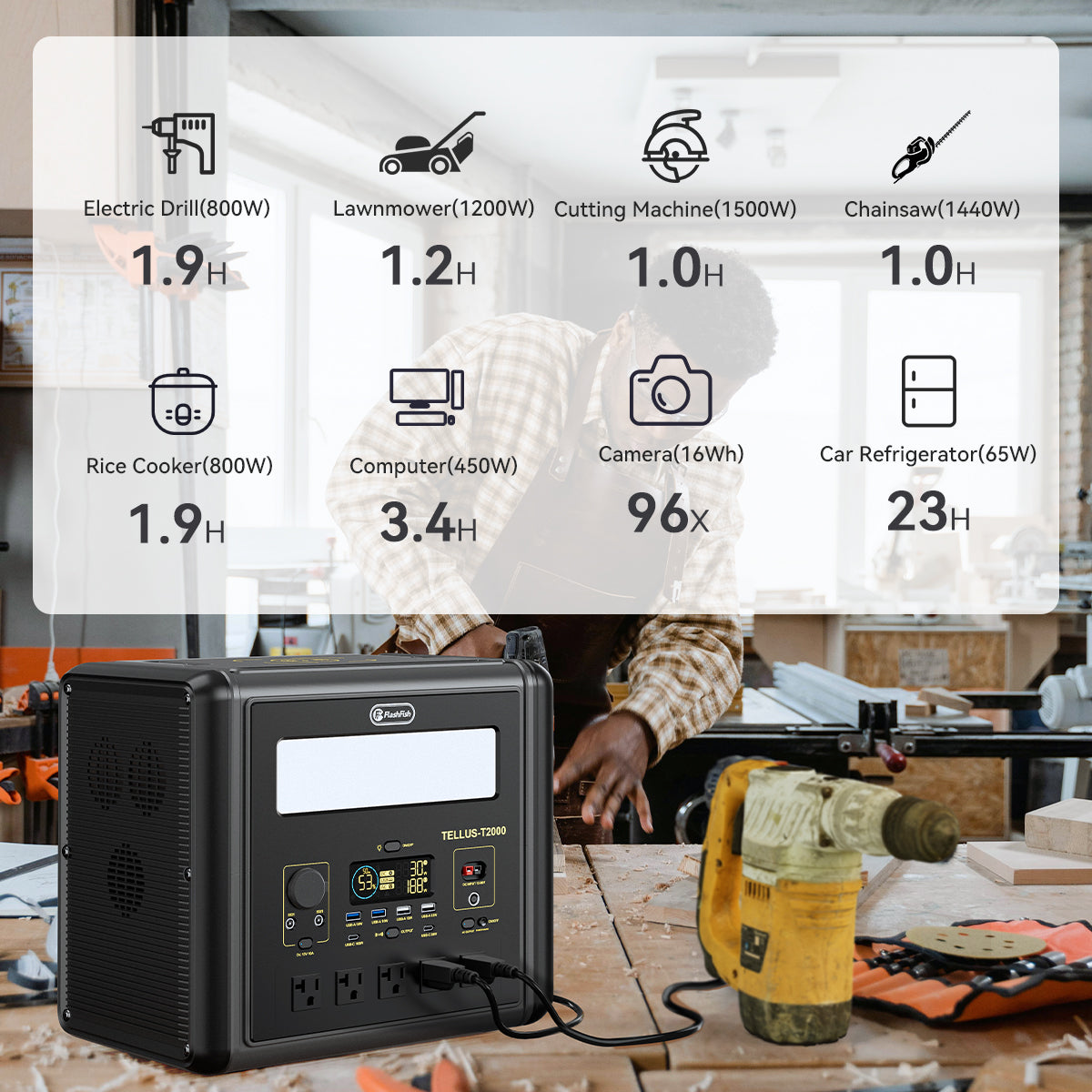
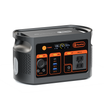
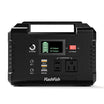
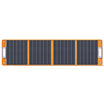
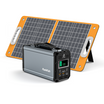
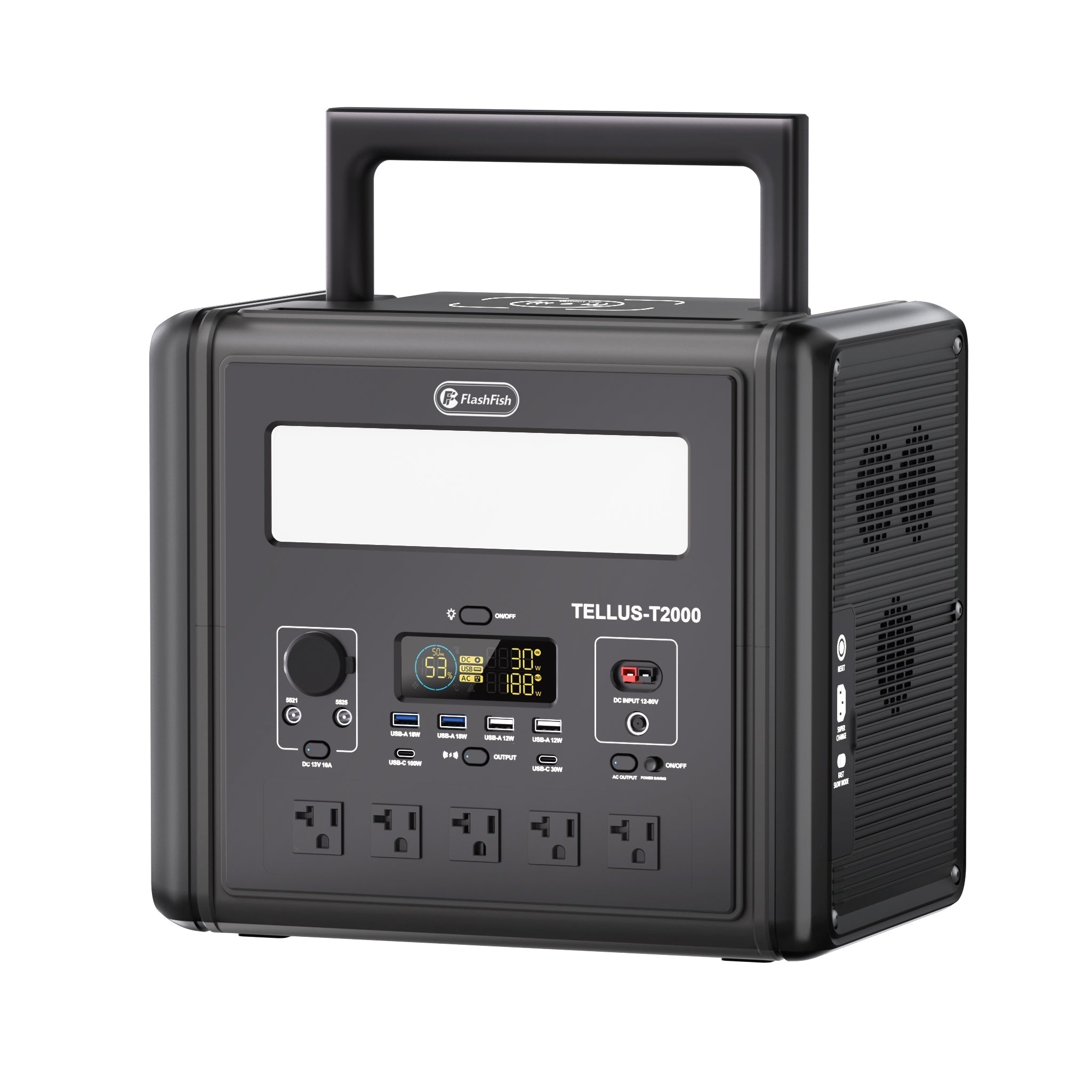
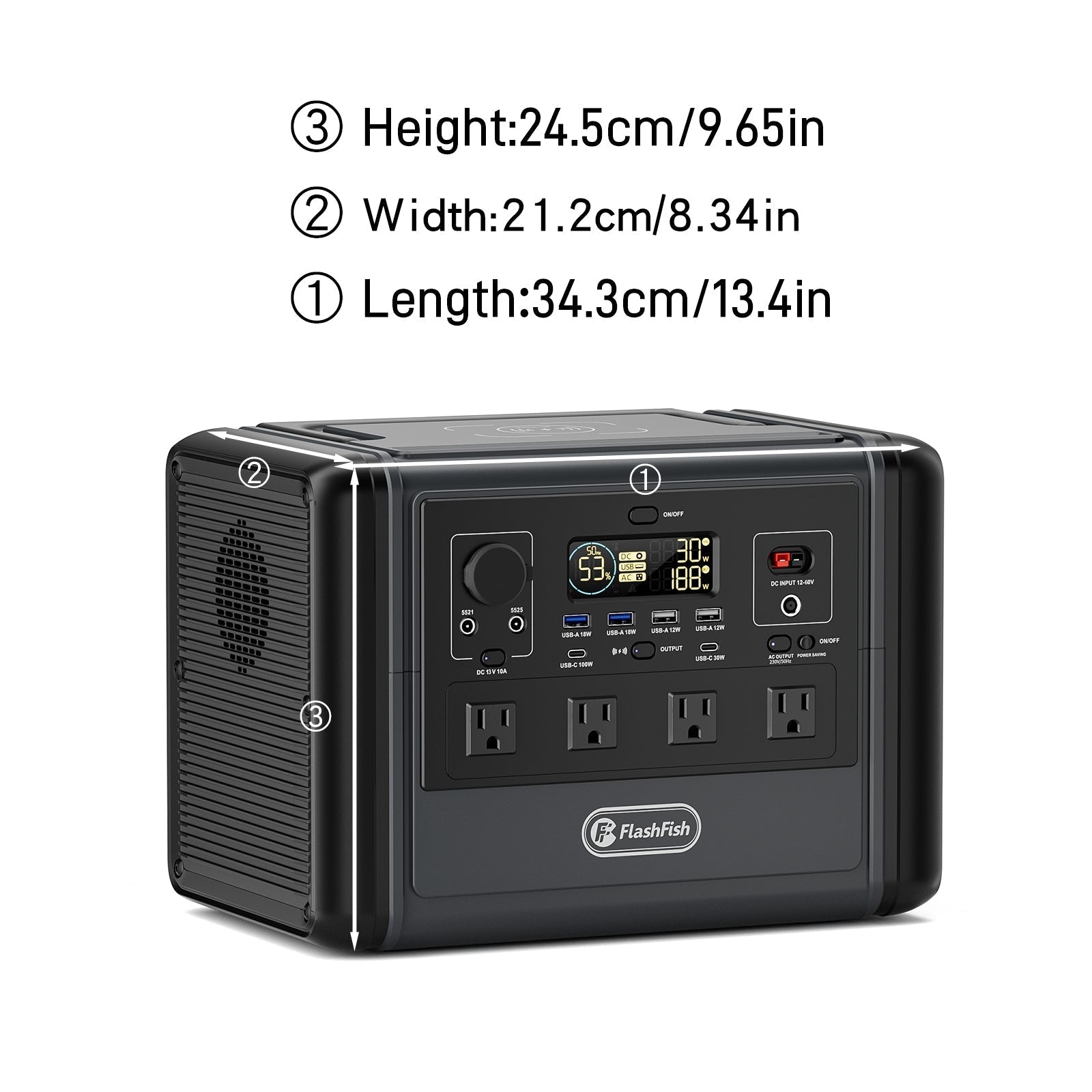
For compact road-trip power, the FlashFish E200 Portable Power Station lists 200W output and 151Wh capacity for phones, lights, and small electronics. For longer travel or backup planning, the FlashFish T1200S Portable Power Station lists 1200W output and 768Wh capacity. If daylight is available, compare compatible panel options such as the FlashFish TSP100 Portable Solar Panel rather than relying only on a vehicle outlet.
Safety checklist for vehicle charging
- Never idle a vehicle in a garage, carport, or enclosed area to charge a battery.
- Keep the power station dry, ventilated, and out of direct heat when possible.
- Use only compatible cables and avoid loose 12V connections.
- Stop charging if cables, plugs, or the outlet become hot.
- Do not assume car charging will refill a large station before your next stop.
- Keep a wall and solar charging plan when the trip depends on battery power.
FAQ
Can I charge a power station while driving?
Only if the power station supports car input and the cable is compatible with the vehicle outlet. Expect a slower charge than wall power.
Will car charging drain my vehicle battery?
It can if the outlet stays active while the vehicle is off. Check the vehicle manual and monitor charging instead of leaving it unattended.
Can a portable power station jump-start a car?
Do not assume that. Jump starting requires a device designed for high-current starting. Use a dedicated jump starter unless the power station documentation explicitly supports the job.
Sources and product links
- CDC carbon monoxide guidance
- CDC power outage safety guidance
- Competitor signal: Jackery car charging and jump-start guide
- FlashFish solar generator kits collection
Human review checklist
- Confirm FlashFish model manuals before making model-specific car-input claims.
- Keep car charging framed as slower backup charging.
- Confirm no jump-start support is implied.
- Preview image, links, and FAQ on mobile.

Leave a comment
Situs ini dilindungi oleh hCaptcha dan berlaku Kebijakan Privasi serta Ketentuan Layanan hCaptcha.