

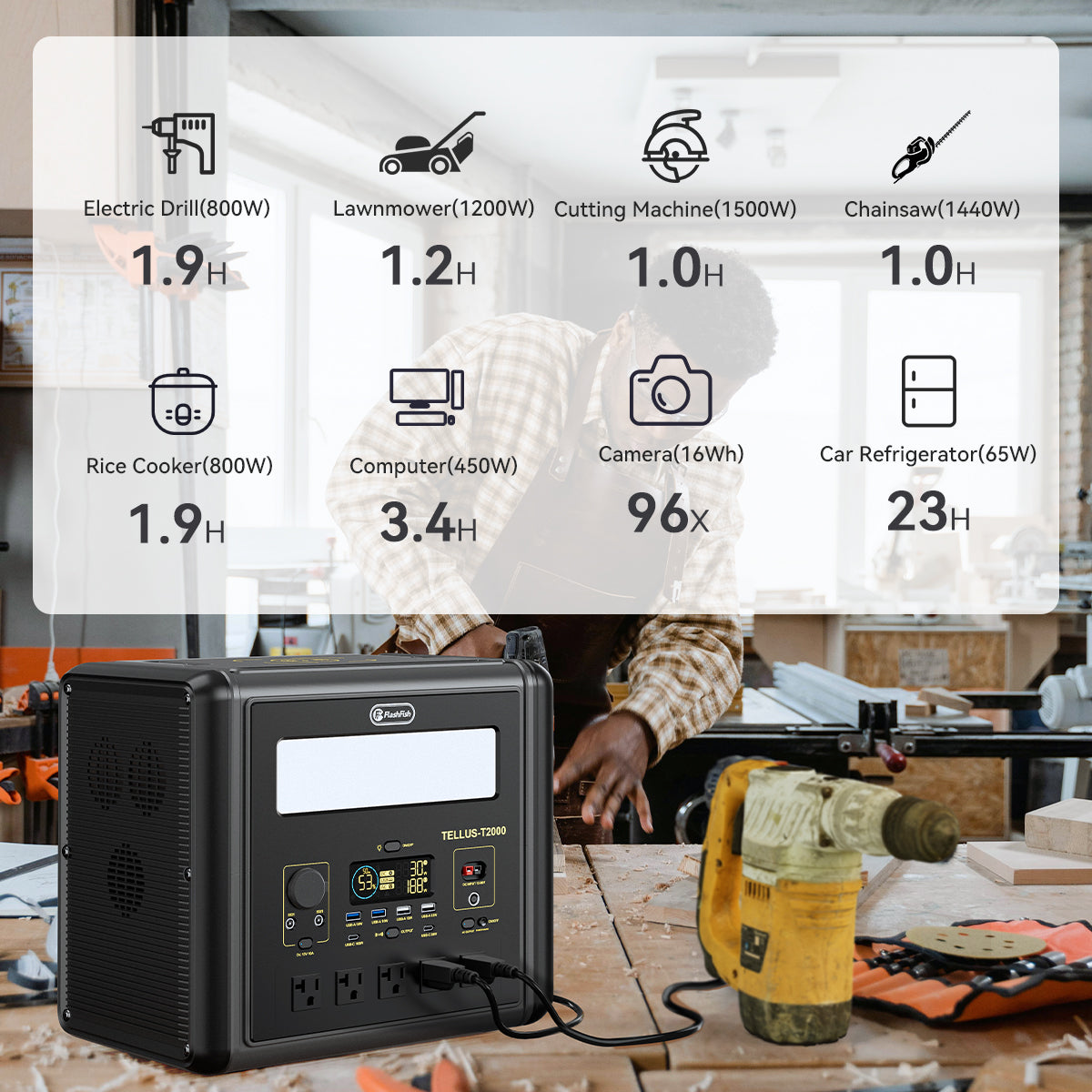
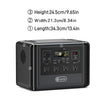
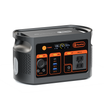
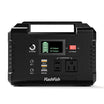

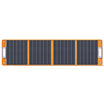
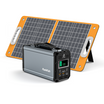
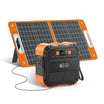
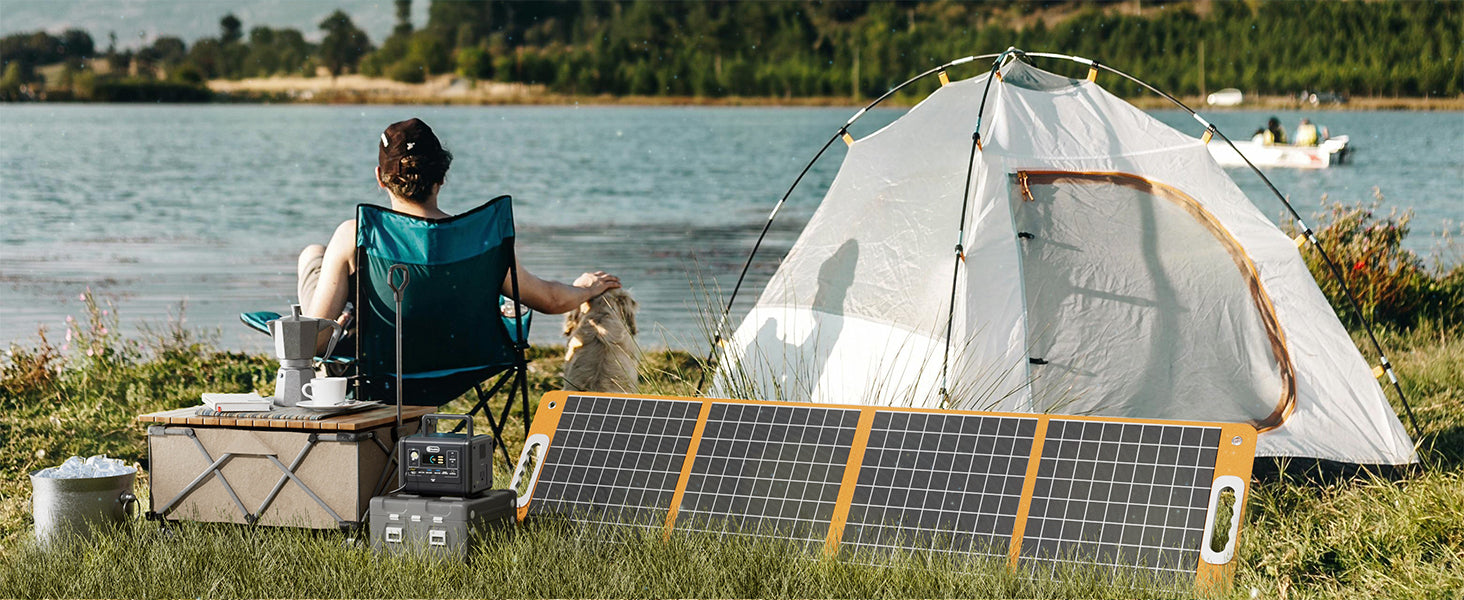
A portable power station is not a compatibility result. Before reaching any conclusion, compare the exact GPS's documented input and charging instructions, its supplied cable or adapter, and the station's documented output record. If any of those records is absent, there is no basis for a device-specific conclusion.
The decision starts with documented evidence
A USB-shaped port or a familiar cable does not identify every requirement in a charging path. Begin with the GPS manufacturer's model-specific material. Find the stated input or charging method, then identify the accessory the manufacturer specifies. Only then is it useful to look at a station's output labels.
| Question | Evidence to use | Do not substitute |
|---|---|---|
| Which GPS is this? | Exact model documentation | A similar-looking GPS |
| How is it charged or powered? | Manufacturer instructions | Connector appearance |
| What accessory is involved? | Supplied-cable or adapter documentation | An unverified replacement cable |
| What can the station provide? | Its output record | A general claim about USB ports |
Read the station label as a station record
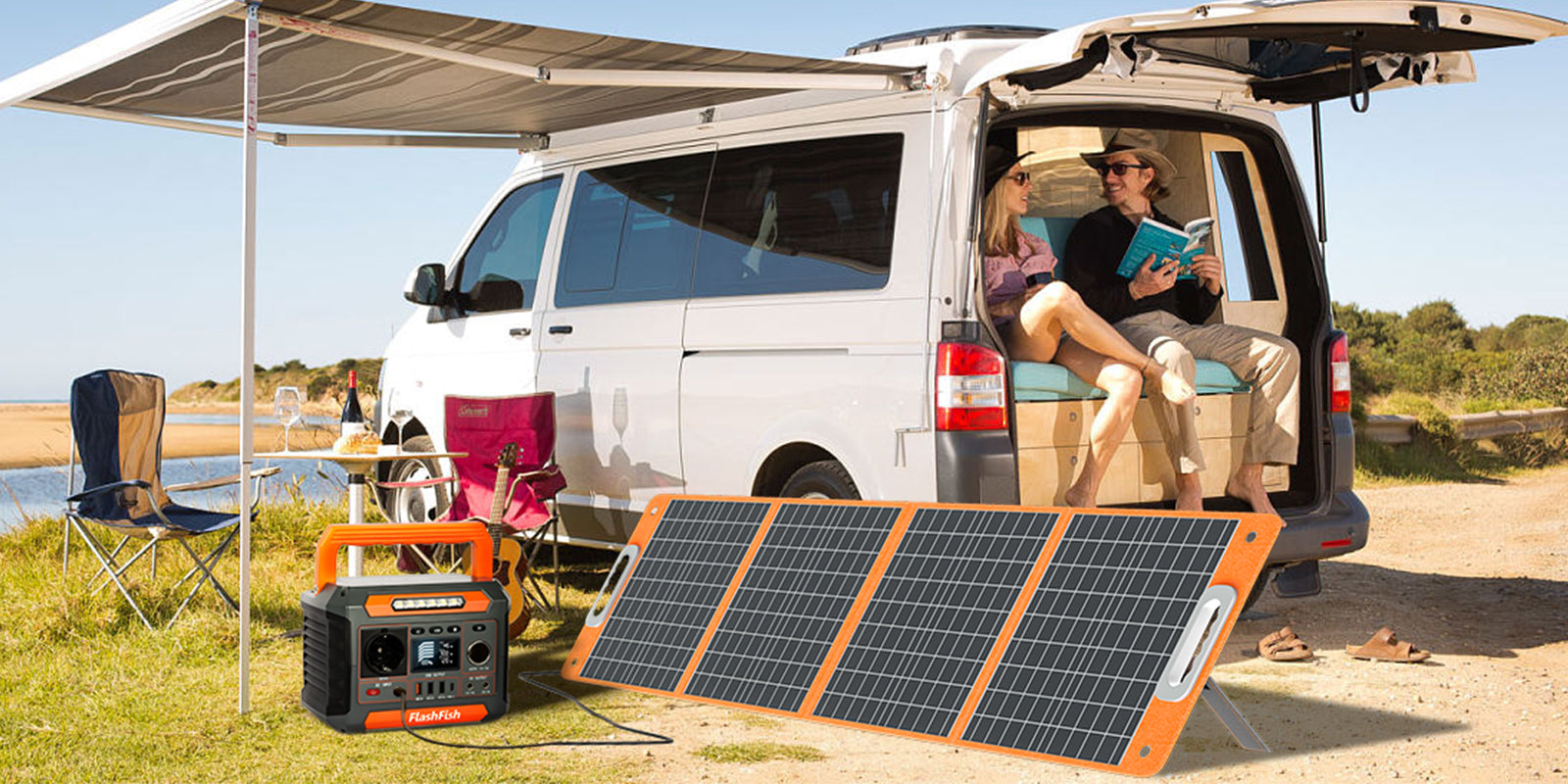
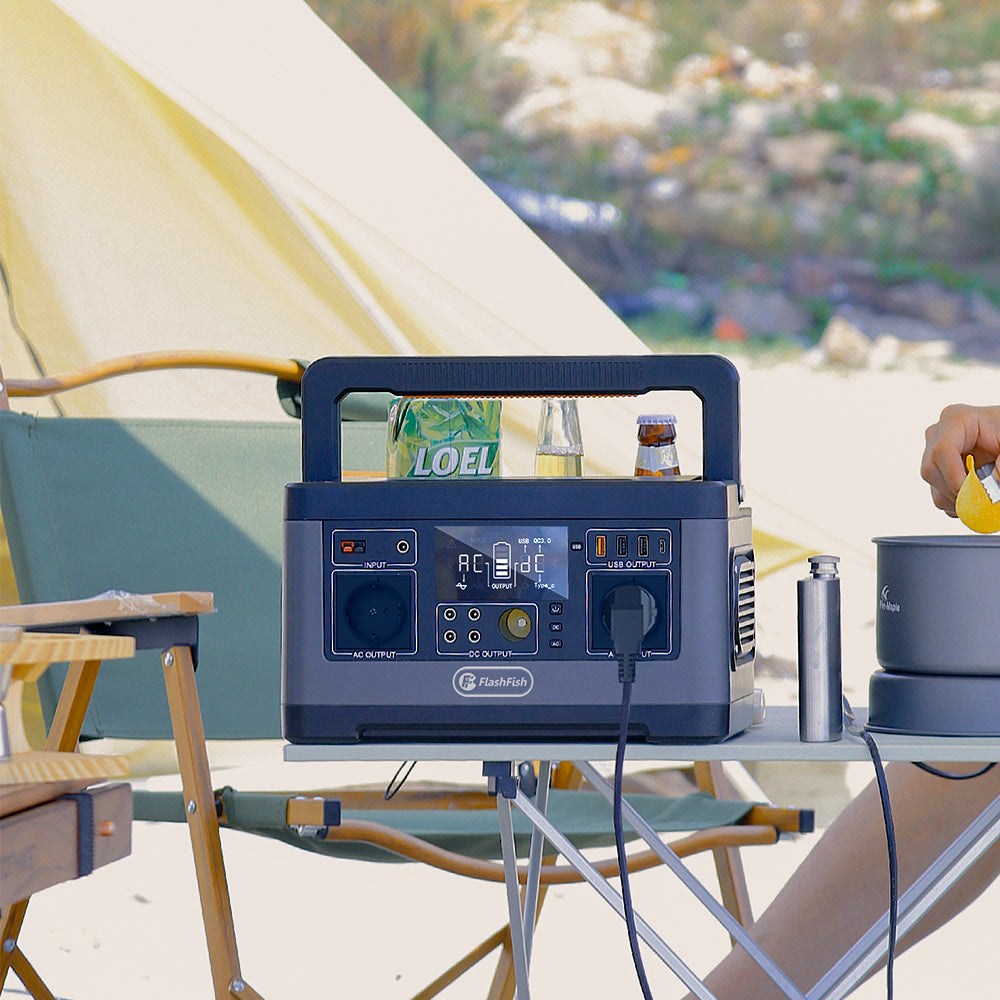
Station documentation can identify its available outputs and their stated limits. That information is useful for comparison, but it does not state what an unidentified GPS accepts. The practical question is not whether two connectors appear to match; it is whether the complete, documented records can be compared without filling gaps with assumptions.
Check the accessory path
Keep the cable, adapter, and manufacturer instructions together. An adapter may be part of the documented setup, or it may not be. When its role is unclear, the correct result is to stop and obtain model-specific guidance rather than test a connection based on guesswork.
When to stop
- The GPS model is unknown or its manual is unavailable.
- The manual does not describe the input or charging method.
- The supplied cable or adapter cannot be identified.
- The candidate station has no reliable output record for the port being considered.
For background on how station-side ports are described, read Portable Power Station Ports: AC, USB-C, USB-A, and DC. A model-specific station record is still separate from a device compatibility conclusion.
FAQ
Is a USB port alone proof of compatibility?
No. A port alone does not document the GPS's accepted input, its required accessory path, or a complete device-specific result.
Which GPS manual fields matter?
Use the exact model's charging or input instructions and any manufacturer guidance about the supplied cable or adapter.
When should a user stop instead of trying a connection?
Stop when any material device, accessory, or station-output record is missing or unclear.

Leave a comment
Situs ini dilindungi oleh hCaptcha dan berlaku Kebijakan Privasi serta Ketentuan Layanan hCaptcha.