

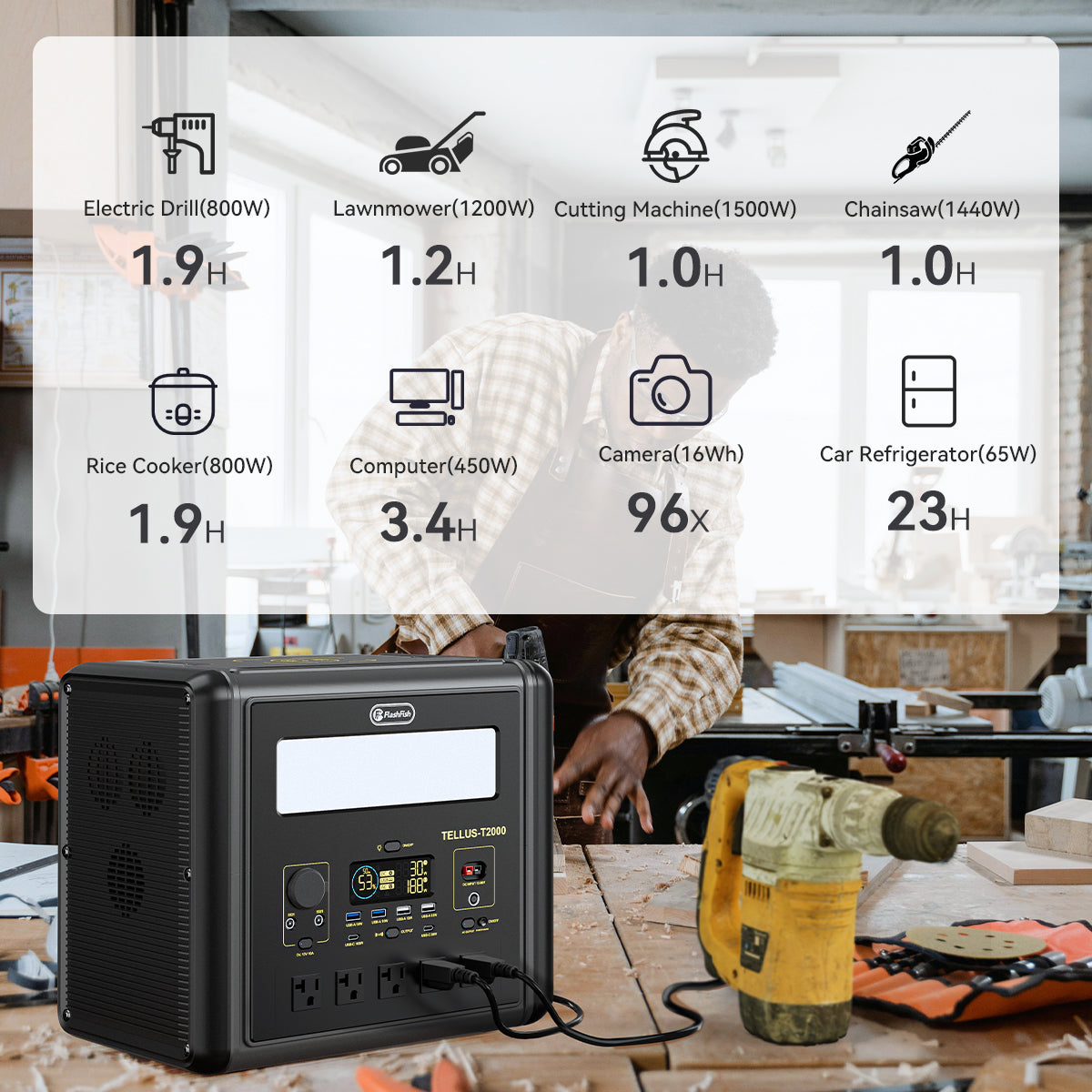
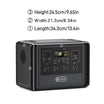



Price the extra written remedy, then compare it with coverage you already have. An optional protection-plan price alone does not reveal whether it adds useful coverage, and a battery capacity or cycle-life figure cannot supply a failure probability. Build an overlap-and-exclusion ledger before treating a paid plan as a saving.
No current paid protection-plan offer for FlashFish is verified here. The dollar examples below are fictional U.S. quotes, not prices, availability, claim approvals, or recommendations to buy a contract. This is a document-comparison method rather than an interpretation of your legal rights.
Identify the contract before comparing the price
Save the actual offer date, seller, provider responsible for the remedy, eligible station model, state and contract version. A checkout label such as “protection” does not answer those questions. Request the complete terms that would apply to your purchase and retain them with the quote.
The FTC guide to extended warranties and service contracts recommends checking extra benefits against existing coverage, plus deductibles, shipping costs, exclusions and the claims process. Apply those checks to the exact document rather than assuming that all similarly named plans work alike.
Use E200 and T200 as separate coverage records
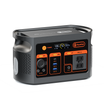
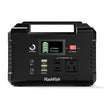
The FlashFish warranty and claim-support page lists a 12-month warranty duration for both E200 and T200. That duration is a starting reference, not a complete list of covered events or a guarantee about an individual claim. Keep the purchase documentation and applicable terms for your own model.
For an E200 quote, write E200 on the ledger; for a T200 quote, start a separate record. Do not transfer a remedy, exclusion, provider offer, or eligibility decision between them. Differences in battery specifications do not establish the likelihood of a covered failure.
| Term to record | Existing warranty | Optional contract | What is actually extra? |
|---|---|---|---|
| Covered event and exclusions | Exact event wording and document locator | Exact event wording and document locator | Additional event, overlap, or unresolved |
| Coverage dates | Applicable start and end rules | Start date, end date and any waiting period | Extra time only where the documents establish it |
| Remedy and cap | Repair/replacement/refund terms, if stated | Remedy, per-claim limit and aggregate cap | Compare the remedy, not just the headline limit |
| Known cash costs | Any applicable claim costs | Premium, deductible, shipping and fees | Write each separately; missing charges stay unknown |
| Claims route | Responsible party and required evidence | Administrator, authorization and reimbursement rules | Identify who must approve what before expenditure |
Calculate known costs without predicting a payout
For a specified hypothetical claim, add the purchase premium and the charges that the example expressly assigns to the customer. This is a cash-cost scenario, not an expected cost. Do not subtract the full remedy cap as though it were money you will receive.
Example 1: An overlapping first year
Suppose a fictional quote costs $24 and runs during the same twelve months as the warranty reference, with no additional event or remedy yet identified. The known extra purchase cost is $24. The comparison has not established an extra benefit; an identical calendar period alone cannot resolve the actual overlap.
Example 2: An approved-claim cost scenario
Suppose a different fictional contract has a $30 premium, $15 deductible and $12 customer-paid shipping for one expressly assumed approved claim. The listed customer cash costs total $57: $30 + $15 + $12. Whether a claim occurs, qualifies or produces a worthwhile remedy remains unknown.
Example 3: A missing shipping term
A third fictional quote lists a $20 premium and $10 deductible but gives no shipping amount. The known subtotal is $30, with shipping unresolved. Calling $30 the complete claim cost would turn missing information into a zero.
Make a decision the documents can support
Highlight any extra event, extra period or changed remedy that the contract expressly adds. Then ask whether that addition matters to you at the listed cost. If decisive terms are missing, request written clarification before purchasing. No failure rate, repair cost distribution or provider claim record has been established here, so expected savings remain unknown.
A plan may add a relevant documented remedy; it may also overlap coverage or exclude the event you care about. Keeping funds available for possible future costs is another budgeting option, but this article does not establish which choice is financially better for your situation.
FAQ
Does a longer battery cycle-life claim make a plan unnecessary?
It does not establish coverage or the probability of a covered event. Keep performance claims, contract terms and the decision to pay for extra remedies separate.
Is the maximum reimbursement the value of the plan?
No. A cap limits a possible remedy under its terms. It is not an expected payout, guaranteed payment or discount on the purchase premium.
What if I cannot identify the company handling claims?
Keep that field unresolved and obtain the full contract and responsible-party details before evaluating the offer. The product manufacturer and contract provider need not be the same entity.
Next step: Review the FlashFish E200 product details.


Commenta
Questo sito è protetto da hCaptcha e applica le Norme sulla privacy e i Termini di servizio di hCaptcha.