


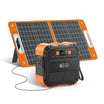

An outdoor movie setup should start with the labels on the projector, speaker, and any charging devices - not an assumed wattage. Record each device's stated power information, compare the combined requirement with a station's documented output, confirm the required connection path, and treat capacity as a separate planning question.
Make the device list before choosing a station
Write down every item you expect to power: the projector, the powered speaker or its adapter, and personal devices that will charge during the event. For each item, keep the label or manual nearby. A device category alone does not establish its electrical demand or whether it is a match for a particular power station.
Read the numbers in the right order
- Find the power information supplied by the device manufacturer.
- Note whether the information is for the device itself or for an external adapter.
- Check the station's documented output limit against the labeled load.
- Confirm that the needed outlet, port, cable, and adapter path are documented for both sides.
- Plan capacity only after the load and connection questions are clear.
If the label is unclear, a manual calls for a specific power source, or the equipment has a startup requirement you cannot verify, pause rather than guessing. A short at-home test with the actual equipment is a useful final check before an event.
Two compact FlashFish models to evaluate against your labels
| Model | Documented listing fields | How to use the information |
|---|---|---|
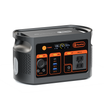
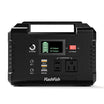
| FlashFish E103 | 300W; 179.2Wh | Compare the 300W figure and your verified connection needs with the actual device labels before treating it as a candidate. |
| FlashFish P56 | 330W; 288Wh | Use the listed output and capacity figures as a starting point, then verify the device-side requirements and the current product documentation. |
The table is a selection aid, not a compatibility promise. A higher number on a station does not replace checking the projector, speaker, and adapter documentation.
Keep the setup plan practical
Before leaving, confirm the station's charge state, inspect the cables you plan to use, and choose a stable location consistent with the product instructions. Keep the device labels or manuals accessible so the person setting up can recheck the information. For another event-oriented planning method, see the portable power station tailgating load checklist.
When a compact station is - and is not - a sensible option
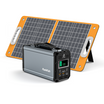
A compact station may be worth considering when every planned device has documented requirements that fit the selected model's documented limits and connection options. Choose a different plan when the labels cannot be confirmed, the combined load is uncertain, or the required connection is not documented. The FlashFish portable power stations collection can help you review the current range after you have a complete device list.
Frequently asked questions
What numbers should I find on a projector label?
Record the power information shown by the manufacturer and check the manual for any stated power-source requirements. Do not substitute a generic projector wattage for the label on your own unit.
Why can a speaker setup need more planning than phone charging?
A speaker, its adapter, and any other equipment in the setup can each have separate requirements. List every powered item and verify its information instead of treating the setup as one assumed load.
Should I test an outdoor movie setup before the event?
Yes. A pre-event test with the actual equipment can reveal missing cables, unclear label information, or an unsuitable connection path before the event.

Commenta
Questo sito è protetto da hCaptcha e applica le Norme sulla privacy e i Termini di servizio di hCaptcha.