
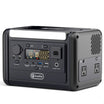
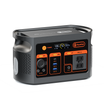
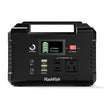

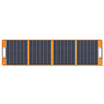
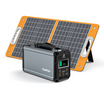
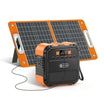
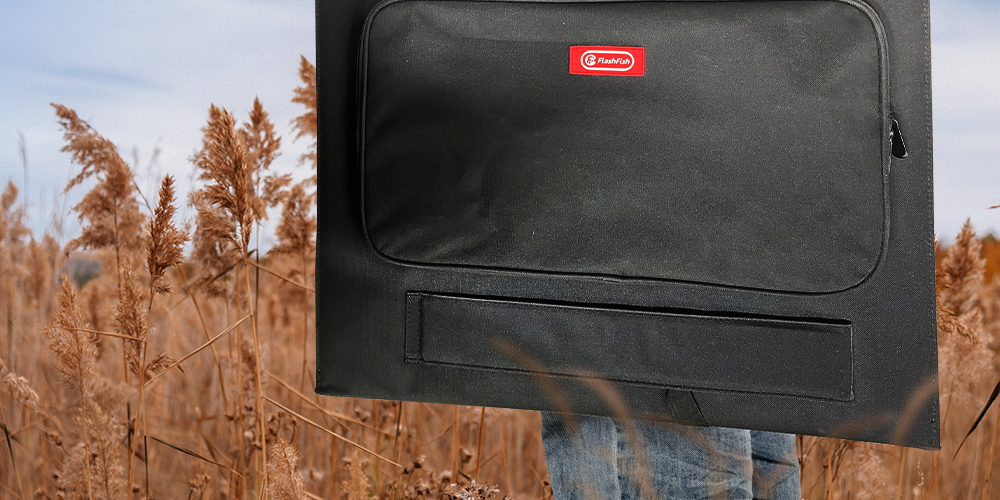
A documented panel enclosure rating does not, by itself, authorize exposing a separate power station, connectors or open ports to rain. Attach every environmental statement to its exact component and configuration, then follow the matching manufacturer instructions. For FlashFish TSP18V60W and TSP18V100W, the reviewed manual-derived specifications do not provide an IP rating. Do not fill that blank from a similarly named panel or treat it as permission to operate in rain.
For a beginner assembling a small solar kit, the useful comparison is between the scope of a claim and the scope of the proposed use. This guide helps you prepare a component-by-condition instruction map. It does not decode IP digits, certify a setup, or propose an exposure test.
Start with the exact manual and product label
Record the model printed on the panel, the receiving station model and regional version, and the identity of any separate adapter or cable. Compare those identities with the documents in hand. A short store label such as TSP60 needs an exact manual match before instructions are applied to a particular unit.
The FlashFish U.S. User Guides directory links separate TSP60 and TSP100 PDFs. Their technical specification pages identify TSP18V60W and TSP18V100W respectively. This makes them relevant documents to examine; it does not establish the revision of a reader's unit or add a rating absent from the reviewed specifications. Keep the file identity and page with any instruction you record.
Make a separate row for every exposed component
List the panel enclosure, its output area, the connection between cables, any adapter and the power station. Where a statement names only one item, leave the other rows unresolved. Do not copy one protection statement down the whole table simply because the components are sold together.
| Component | Supplied statement and source | Covered configuration | Unknown condition | Next documentation step |
|---|---|---|---|---|
| TSP18V60W panel | Reviewed manual-derived specifications: IP rating not provided | No rated configuration established by that field | Rain exposure and operation during rain | Match the original manual and request exact written instructions |
| TSP18V100W panel | Reviewed manual-derived specifications: IP rating not provided | No rated configuration established by that field | Rain exposure and operation during rain | Resolve the exact unit and manual revision |
| Panel output area or open port | No separate exposure permission established here | Unknown | Connected, disconnected and open conditions | Find instructions that explicitly cover the intended condition |
| Cable joint or adapter | Actual accessory not supplied for review | Unknown | Exposure while joined or uncapped | Identify the accessory and its manufacturer instructions |
| Receiving power station | No exact station selected for this comparison | Unknown | Station and input exposure while charging | Read that station's environmental and operating instructions separately |
Do not turn a missing instruction into an allowance
An unavailable specification leaves the answer unresolved; it establishes no operating permission. It does not establish either a tested capability or a particular failure outcome. Mark the intended exposure as unverified and exclude it from your operating plan until exact manufacturer guidance resolves it.
The reviewed manual-derived TSP information includes restrictions on immersion and cleaning with water. Those restrictions are not a positive authorization for rain charging. The linked U.S. PDFs also contain handling text, but the English immersion line has ambiguous wording in the retrieved document. That is a reason to seek clarification for the exact unit, rather than turn an uncertain sentence into a new operating rule.
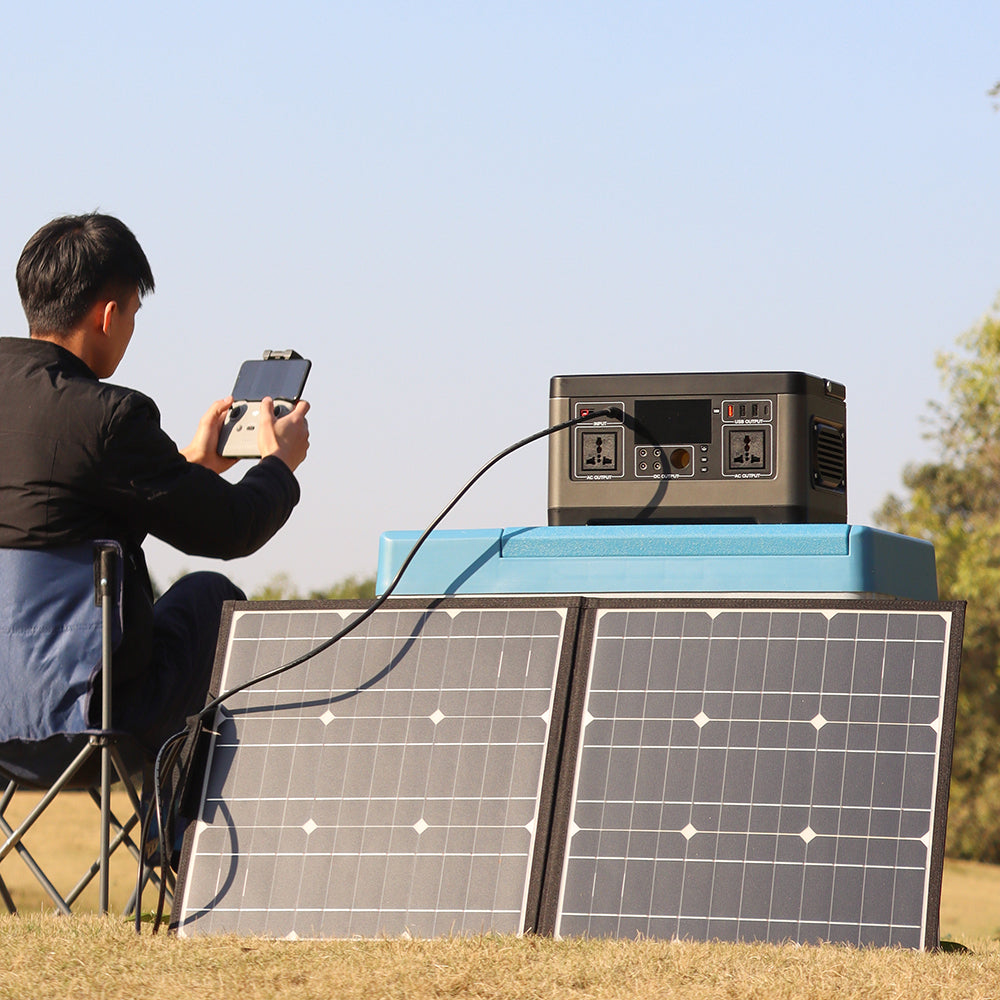
Keep cleaning, storage, transport and active charging as separate conditions. Permission concerning one condition cannot establish another. Likewise, a photograph of outdoor use is not the missing instruction for an open connector in wet weather.
Compare TSP18V60W and TSP18V100W for the right reason
The reviewed specifications identify these as 60W and 100W panels respectively, with 18V DC output records. Those electrical specifications can help identify the products, but they do not rank their rain suitability. Neither model's reviewed specifications provide the IP rating needed to make a model-specific rating comparison.
If either panel belongs in your proposed kit, make two independent checks: whether the electrical pairing is documented and whether the intended environmental conditions are authorized for every component. The reviewed panel specifications do not provide open-circuit voltage, and no exact receiving station is selected here. This article therefore approves no panel-to-station connection. Choosing the higher wattage does not resolve either evidence gap.
Three hypothetical scope mistakes
Example 1: A label names only a panel enclosure. A reader has a hypothetical enclosure statement but no matching statement for a separate station. They attach the statement only to the named enclosure. The station row remains unknown; the label is not copied to it.
Example 2: The documented condition differs. A hypothetical instruction describes a component with its protective cover closed, while the proposed charging arrangement requires that cover open. The reader records the mismatch and seeks guidance for the open condition. They do not run a rain test to settle it.
Example 3: A similar model has a stronger claim. A reader finds an environmental claim for another 60W panel. Their own unit is TSP18V60W. They leave its rating field unknown because similar wattage and a similar name do not establish the same product or instruction.
Ask a question the manufacturer can answer precisely
Prepare a request with the exact model and revision, the relevant manual page, the named accessory and the proposed condition. Ask which component the statement covers and whether the intended connected configuration is included. Keep the response with your instruction map; do not broaden its scope when you summarize it.
If the documents disagree, preserve both statements and their identities. An instruction for a different revision does not silently supersede the one supplied with your unit. Until the discrepancy is resolved, the proposed exposure remains outside the documented plan.
FAQ
Can I assume TSP18V60W or TSP18V100W has an IP rating?
No rating is provided in the manual-derived specifications reviewed for this article. Use the exact unit's original documentation and manufacturer clarification. A rating attached to another panel is not evidence for these models.
Can an IP label tell me how many minutes I can charge in rain?
This guide derives no exposure duration or charging permission from a label. The required evidence is the manufacturer's instruction for the actual component and operating configuration. No whole-kit rain duration is established here.
Should I splash the setup to see whether it works?
No exposure test is part of this method. Resolve the documentation before planning the use. An improvised test would not supply the manufacturer's missing instruction or establish a tested rating for the kit.
Finish the map before making the purchase decision
Gather the exact panel, station and accessory instructions today and mark each proposed condition as documented, prohibited or unresolved. Shortlist TSP18V60W or TSP18V100W only after both the electrical pairing and the component-specific operating conditions are supported. Leave unresolved exposure out of the plan.
Use the panel-to-station pairing guide for the separate electrical connection review; it cannot replace environmental instructions for each component.
Next step: Compare FlashFish TSP18V60W specifications with your requirements.

Deixar comentário
Este site é protegido por hCaptcha e a Política de privacidade e os Termos de serviço do hCaptcha se aplicam.