


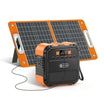


Battery mAh vs Wh: Compare Only at a Documented Voltage Basis
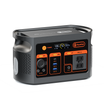
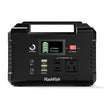
Compare nominal battery energy using documented Wh or charge and voltage on the same basis. The A101 and E200 examples show why an output voltage or a larger mAh number cannot fill missing capacity...
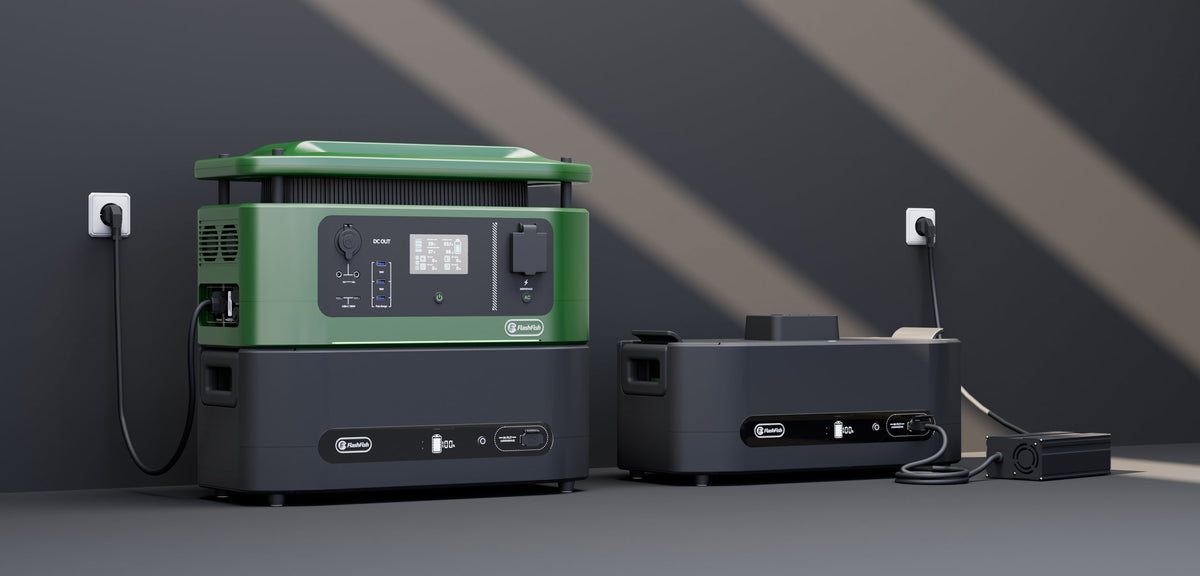
Self-Discharge vs Standby Use: What a Falling Charge Display Cannot Prove
A lower charge indication after storage does not identify its cause. Review the exact unit, documented state, endpoint readings and elapsed interval; preserve missing evidence rather than calculati...

Phone Light Readings vs Solar Irradiance: Keep Lux Separate From Watts
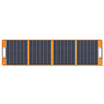
Separate phone lux, solar irradiance, and electrical input watts using a documented measurement chain. Compare TSP60 and TSP100 ratings without predicting yield.

USB-C Dock Power vs Data: Check Both Paths Before Working Off-Grid
A charging path does not establish a dock's data or display connections. Map each route independently, identify the exact ports and cables, and leave missing equipment evidence unresolved.
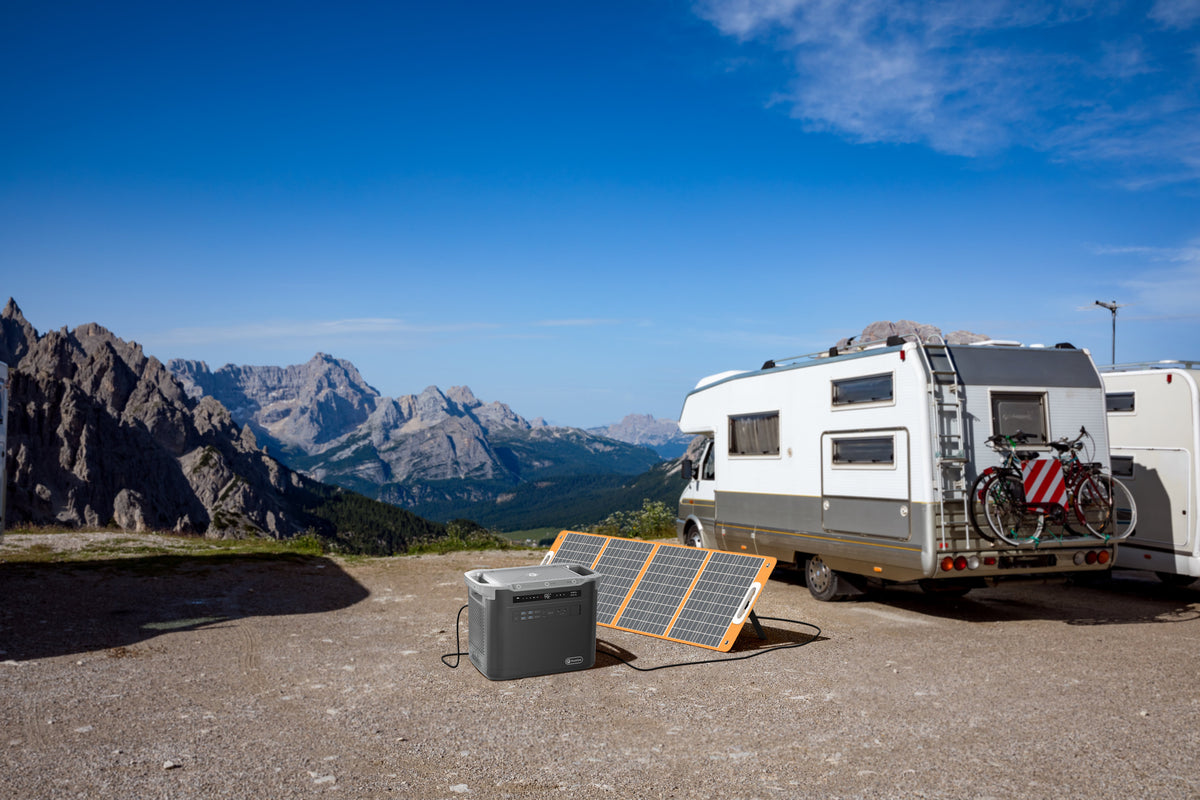
Battery Capacity Retention vs Round-Trip Efficiency: Different Tests
Capacity retention and round-trip energy efficiency answer different questions. Identify the baseline, input and output boundaries, and missing test conditions before comparing any percentage.
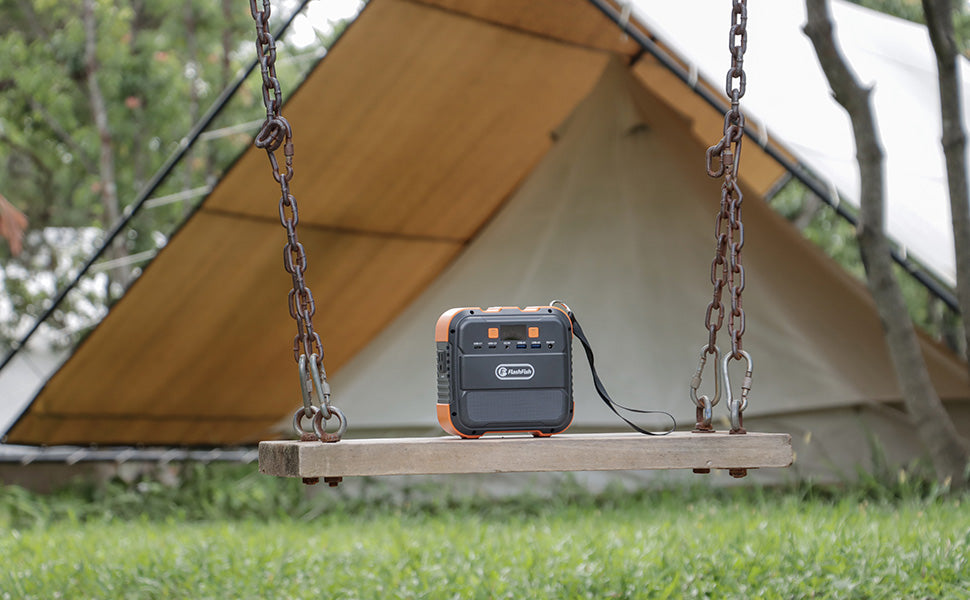
AC Frequency vs Voltage: Check the Two Ratings Separately
Matching AC voltage is only one document check. Compare frequency separately, retain missing values as unknown, and resolve the remaining manufacturer requirements before connection.

Charging Temperature vs Storage Temperature: Compare the Exact Modes
Storage and general operating ranges do not establish charging limits. Compare the documented mode, model and source, then obtain exact-unit instructions for any missing range.

Watts vs Volt-Amps on AC Charger Labels: What Can You Compare?
An AC adapter VA rating is not measured real-watt consumption. Keep rated and measured values separate, then resolve power factor, source limits and the exact equipment requirements.

Solar Panel IP Rating vs Rain Permission: Read the Scope
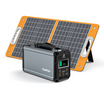
A panel enclosure statement does not authorize rain exposure for the whole kit. Map each component and configuration to its exact instructions, leaving unsupported exposure unresolved.
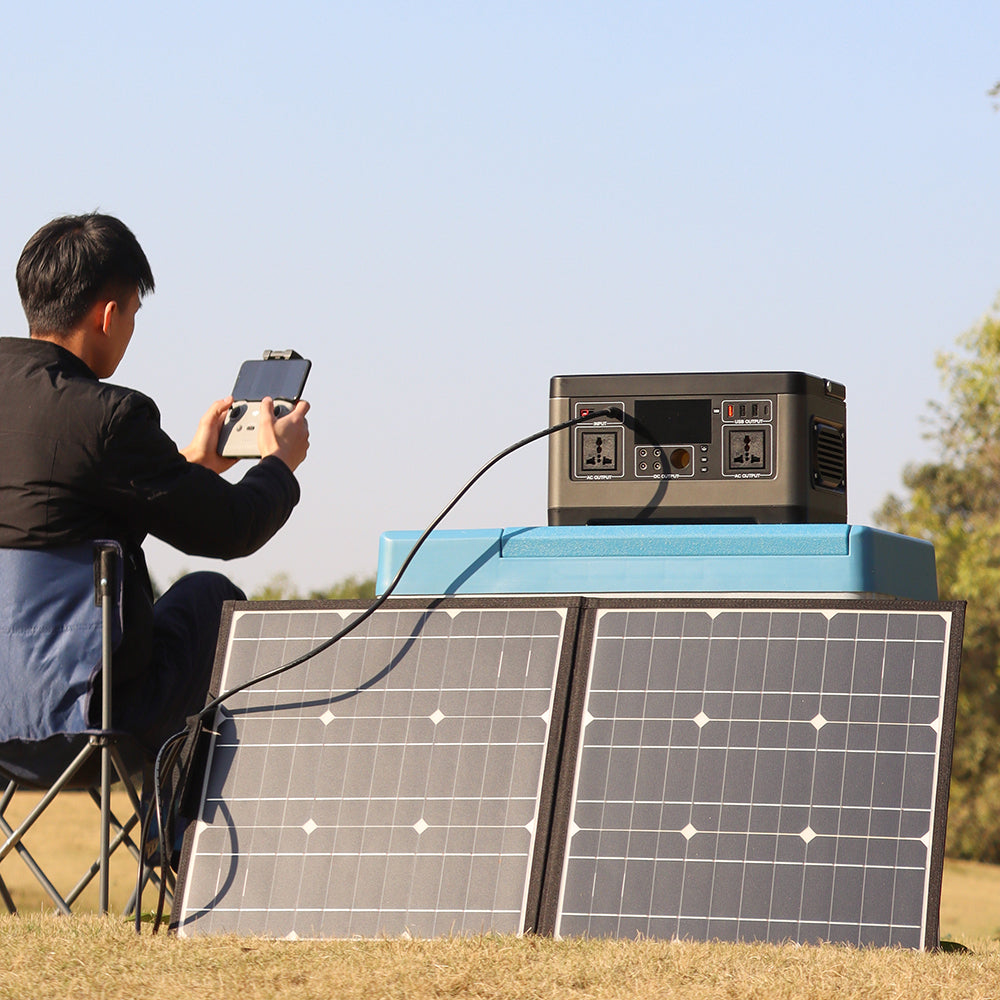
Battery Nominal Voltage vs DC Port Voltage: Keep the Ratings Separate
Battery nominal voltage describes the internal pack; it does not replace a named DC output rating. Compare E200 and T200 fields separately, then resolve connector, polarity, cable and device requir...

USB-A QC vs USB-C PD: Compare the Device Profile Before the Port
Choose USB-A QC or USB-C PD by matching the source, device and cable documentation. Connector shape and maximum watts do not establish the supported charging profile. Leave missing profile evidence...
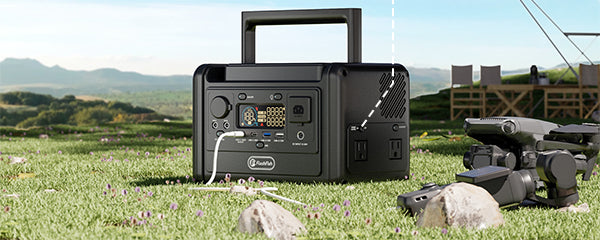
Peak-Hold Meter vs Sampled Power Log: What Startup Evidence Is Missing?
Compare peak-hold readings with sampled power logs by checking the measured quantity, acquisition timing, recording mode, and event documentation. Neither a mode label nor a saved maximum proves th...

Brightness vs Watts: Compare Camping Light Coverage and Battery Demand
Compare camping lights on two separate questions: visibility at the task and electrical energy demand. Watts alone do not establish brightness, and lower Wh is useful only if the light meets the ta...