



For optional outdoor charging, agree on the stop decision before setup: identify the exact equipment instructions, name an adult observer, and record the observation that will end the session before a documented limit is reached. If the applicable limit or manufacturer-authorized shutdown procedure is missing, mark the session unresolved and use a nonpowered alternative. A forecast, a panel wattage label, or a dry-looking connector cannot fill that gap.
This worksheet is for an attended, non-critical charging task. It is not an emergency plan or permission to operate through adverse weather. No task in this plan should depend on completing the charge outdoors.
Start with the instructions, then choose the observation
Write down the panel model, receiving station, cable, adapter, and manual revision. Each component needs its own applicable instructions. A statement about the panel does not establish the station's exposure limits, and a station operating-temperature range does not establish a charging-temperature limit.
For each relevant instruction, copy its source page and scope onto the card. Distinguish charging, operation, storage, placement, and moisture restrictions. If the wording is unclear, request clarification before making the optional outdoor plan. Do not translate a vague restriction into a numerical threshold of your own.
The useful question is: “What will we observe, who will notice it, and what already documented action follows?” That produces a decision you can use. “Keep an eye on the weather” leaves both responsibility and the stopping point undefined.
Build a go, stop, or unresolved card
| Card field | What to record before setup | Decision boundary |
|---|---|---|
| Instruction and page | Exact moisture, charging-temperature, and placement instructions for every component | A missing applicable instruction means unresolved |
| Observed condition | What the named observer can actually identify using the documented method | Do not substitute an unrelated reading or forecast |
| Pre-session stop trigger | A trigger tied to the instruction that allows the authorized procedure before its limit is exceeded | No invented rain, wind, or temperature allowance |
| Shutdown action | The matching manufacturer procedure and page | No improvised disconnect sequence or energized relocation |
| Dry destination | A location that meets the applicable equipment instructions | Naming a destination does not authorize moving operating equipment |
| Task fallback | A paper task, postponed charge, or other nonpowered option | The activity can continue or end without the charging session |
| Unresolved item | Missing manual, unclear instruction, or absent observer | Resolve before choosing go |
On this worksheet, go means only that the planning fields have been completed against applicable instructions; the card itself grants no operating or weather clearance. Stop identifies the pre-agreed end condition and its already documented action. Unresolved means an essential field is missing. If an observer cannot identify the trigger or follow the matching procedure, postpone the optional session rather than guess.
Product fit: TSP18V100W and E200
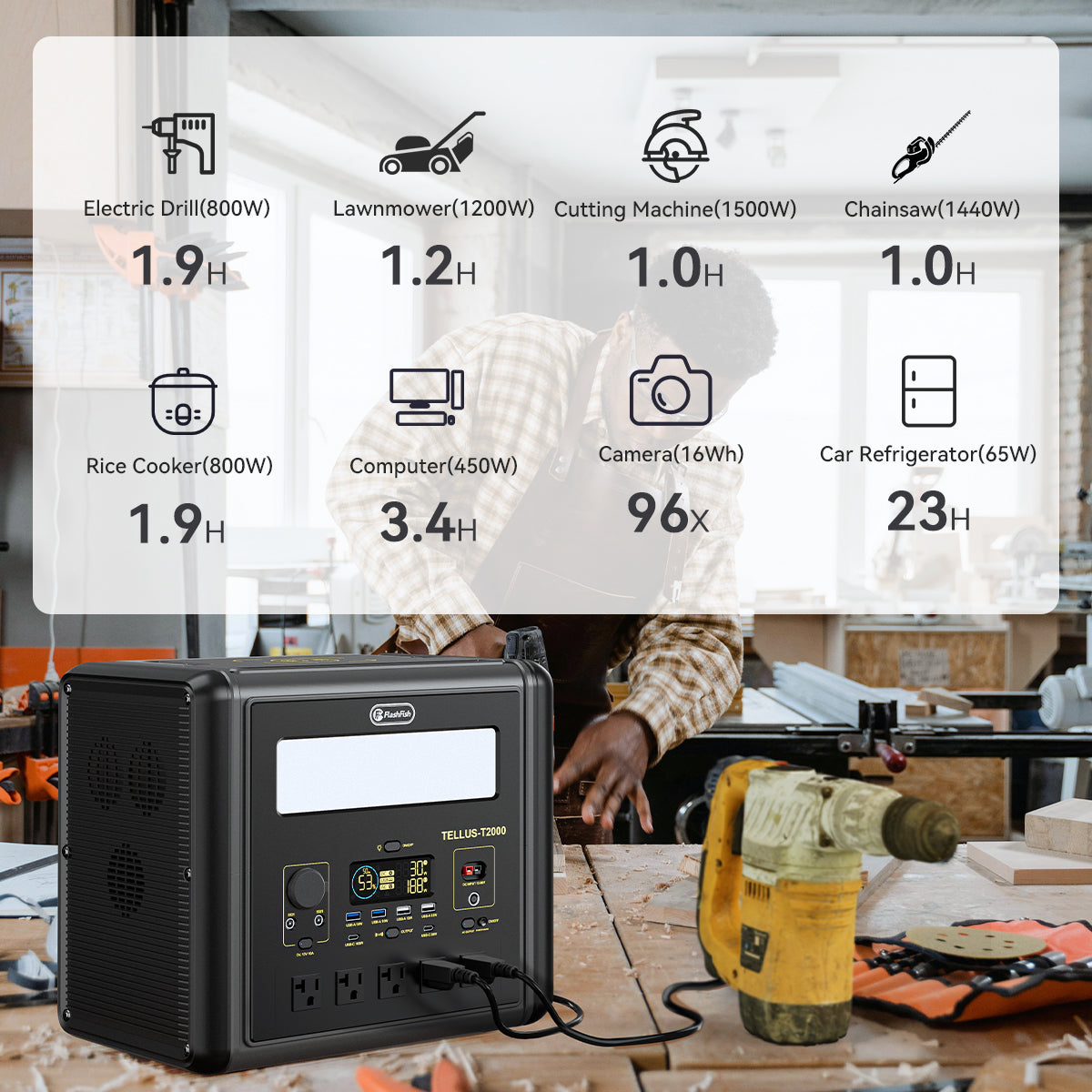
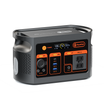
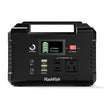
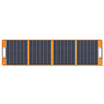
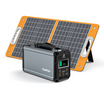
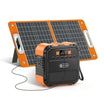
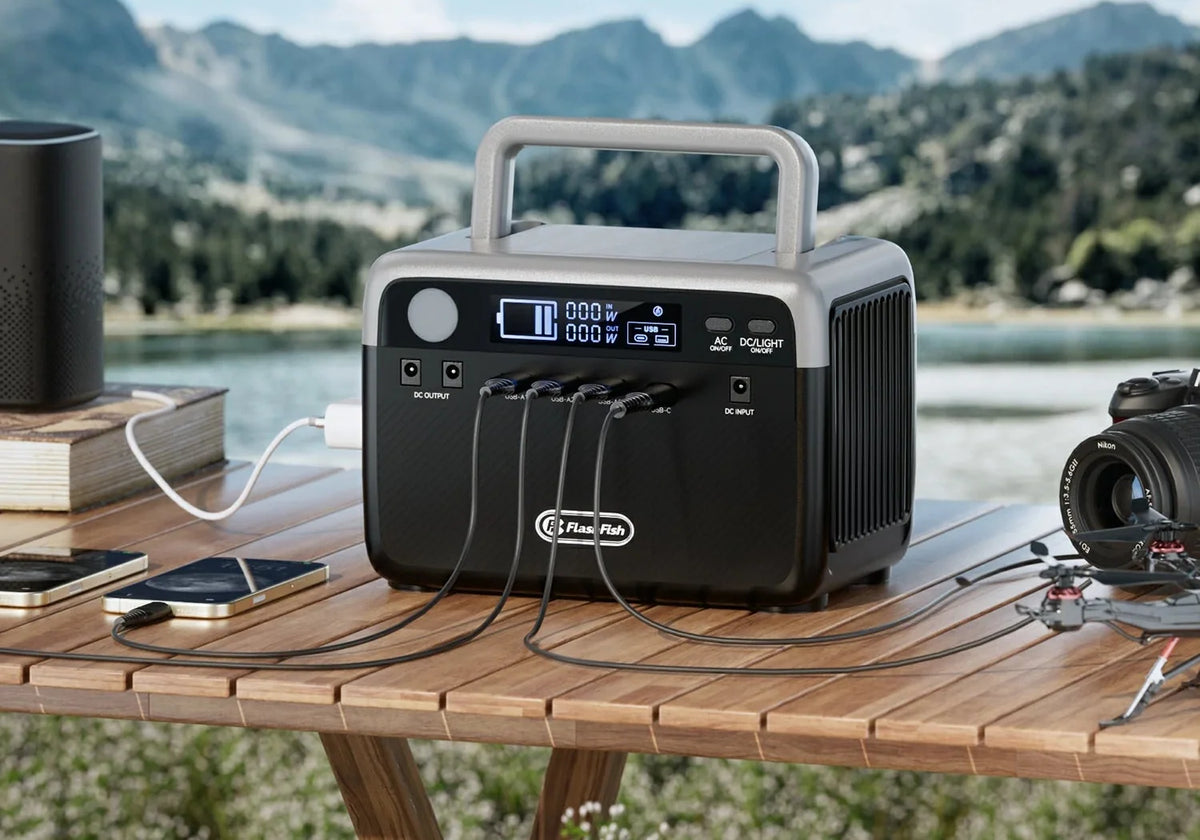
FlashFish TSP18V100W is specified as a 100W panel; E200 has a 151Wh battery capacity and a documented DC/solar input range of 11–24V, with a 40W maximum. The TSP18V100W manual, specification page 1 identifies the panel rating. These figures describe different parts of the system: the panel nameplate does not promise 100W of charging into E200.
Those specifications do not verify the panel, cable, adapter, and station as a particular combination. No complete set of moisture, charging-temperature, placement, shutdown, or restart instructions for your actual equipment is supplied here. The linked panel manual's English immersion wording is unclear; ask FlashFish to clarify it for your exact unit rather than treating it as an exposure allowance. Keep those card fields unresolved until matching instructions answer them.
The FlashFish U.S. User Guides directory advises matching the product label, electrical version, and manual revision. Start there to find the documents, then confirm their instructions apply to every component and the intended connected configuration.
Three hypothetical planning cases
Example 1: The manual folder is incomplete
A camper has the station manual but only a retail description for the panel. The moisture and shutdown fields remain blank. The card reads unresolved; the camper postpones charging and uses a paper reading list. No exposure allowance is inferred from a product photo.
Example 2: The observer leaves
Two adults planned an attended session, but the named observer needs to leave. Their card treats loss of attendance as an end condition. They use the already verified manufacturer procedure rather than hand responsibility to someone who has not reviewed the card.
Example 3: The fallback removes pressure to continue
A group can finish its activity with printed instructions. Before setup, it records a stop trigger tied to its exact manual and agrees to switch to paper when that trigger occurs. There is no need to extend charging to finish the activity. This is a fictional planning example, not a weather test.
FAQ
Can I choose a stopping point from a weather app alone?
A forecast does not supply missing equipment instructions or an authorized shutdown method. This worksheet does not evaluate a local hazard or provide a weather clearance.
What if I do not know the correct disconnect order?
Leave the procedure unresolved and obtain the matching instructions before setup. Do not use this article to improvise a sequence, handle wet connections, or relocate energized equipment.
Does ending the session mean it can restart immediately?
No restart permission follows from the card. Any later session needs the applicable manufacturer conditions and procedure to be satisfied again.
Complete the card before selecting the setup
Gather the exact manuals, fill the unresolved fields, name the observer, and choose the nonpowered fallback. Then compare the intended FlashFish equipment against those documented requirements. If the evidence remains incomplete, postpone the optional charging session.
Next step: Compare FlashFish TSP18V100W specifications with your equipment list.

Leave a comment
This site is protected by hCaptcha and the hCaptcha Privacy Policy and Terms of Service apply.