

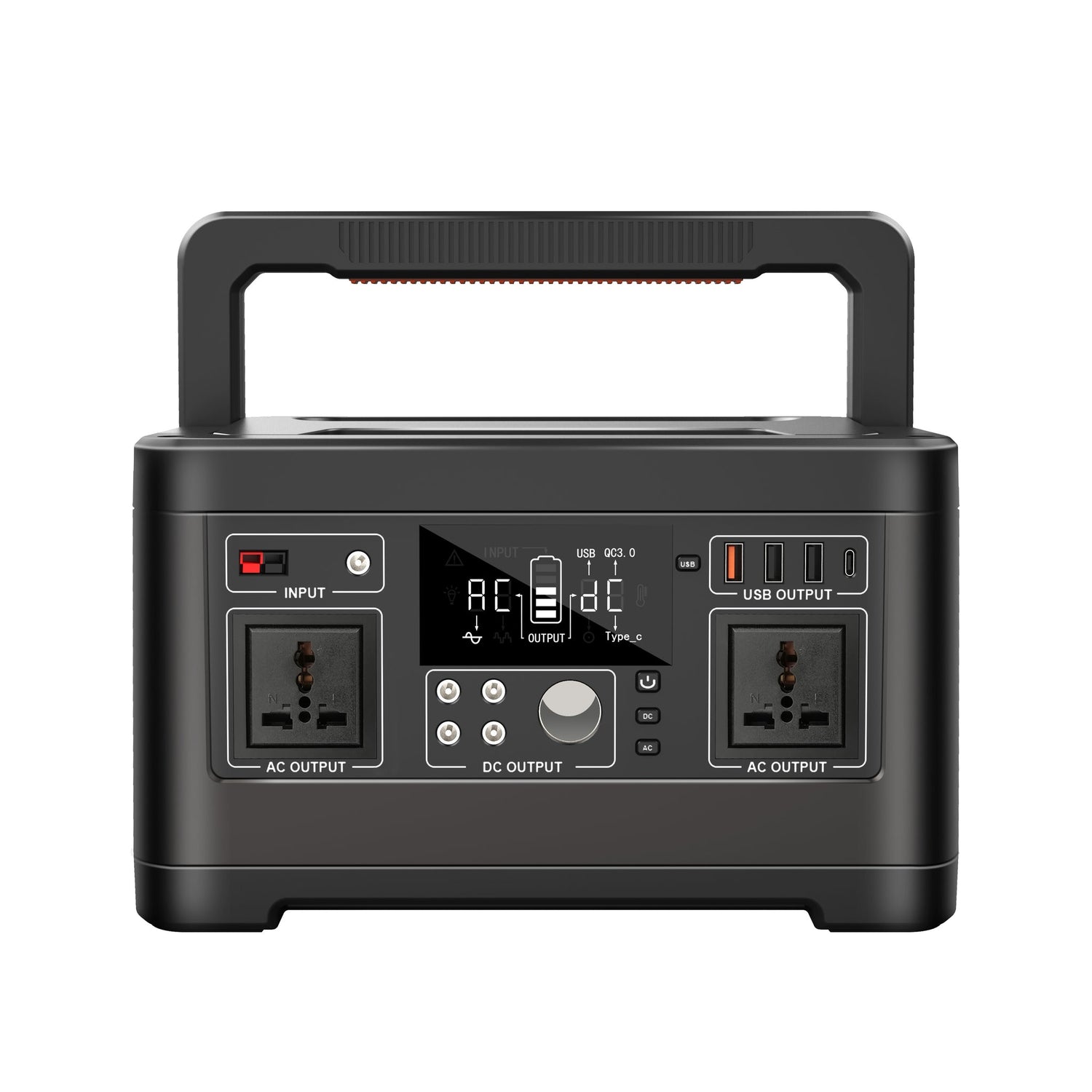
Campground Quiet Hours: Power Without Running a Generator
Short answer: If your campsite has quiet hours or generator limits, a charged portable power station can run small electronics, lights, fans, cameras, and other modest loads silently. The key is to size the battery to the campsite routine first, then add solar only when sun and rules allow.
This topic starts with the camping experience: less noise, fewer fumes, and a calmer site. Product matching comes after that. A power station should support the quiet-hours plan instead of becoming the whole point of the article.
Why quiet power matters
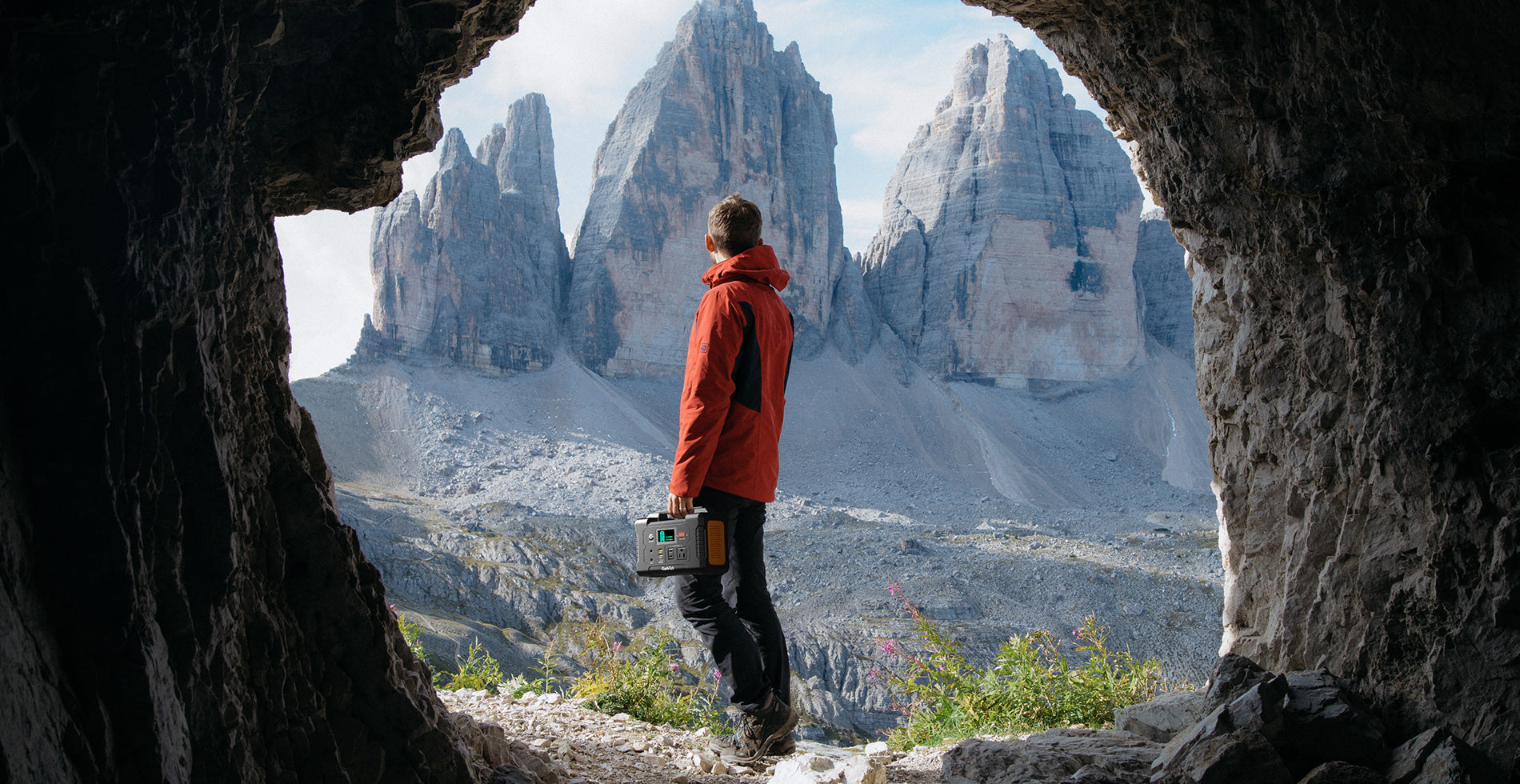
Campgrounds often ask visitors to reduce noise, respect neighbors, and follow local rules. Fuel generators can be useful in some settings, but they add noise and exhaust concerns. A battery power station runs quietly while discharging, so it is a practical fit for evening lights, phone charging, camera batteries, a laptop, or a small fan.
Start with a campsite load list
| Use case | Typical device | Planning note |
|---|---|---|
| Lighting | LED lantern or string light | Low draw, high comfort |
| Communication | Phones, radio, GPS | Keep these first in the battery plan |
| Camp media | Camera batteries, laptop, speaker at low volume | Check campground etiquette and rules |
| Comfort | Small fan | Useful in warm weather but budget watt-hours |
Natural FlashFish product matches
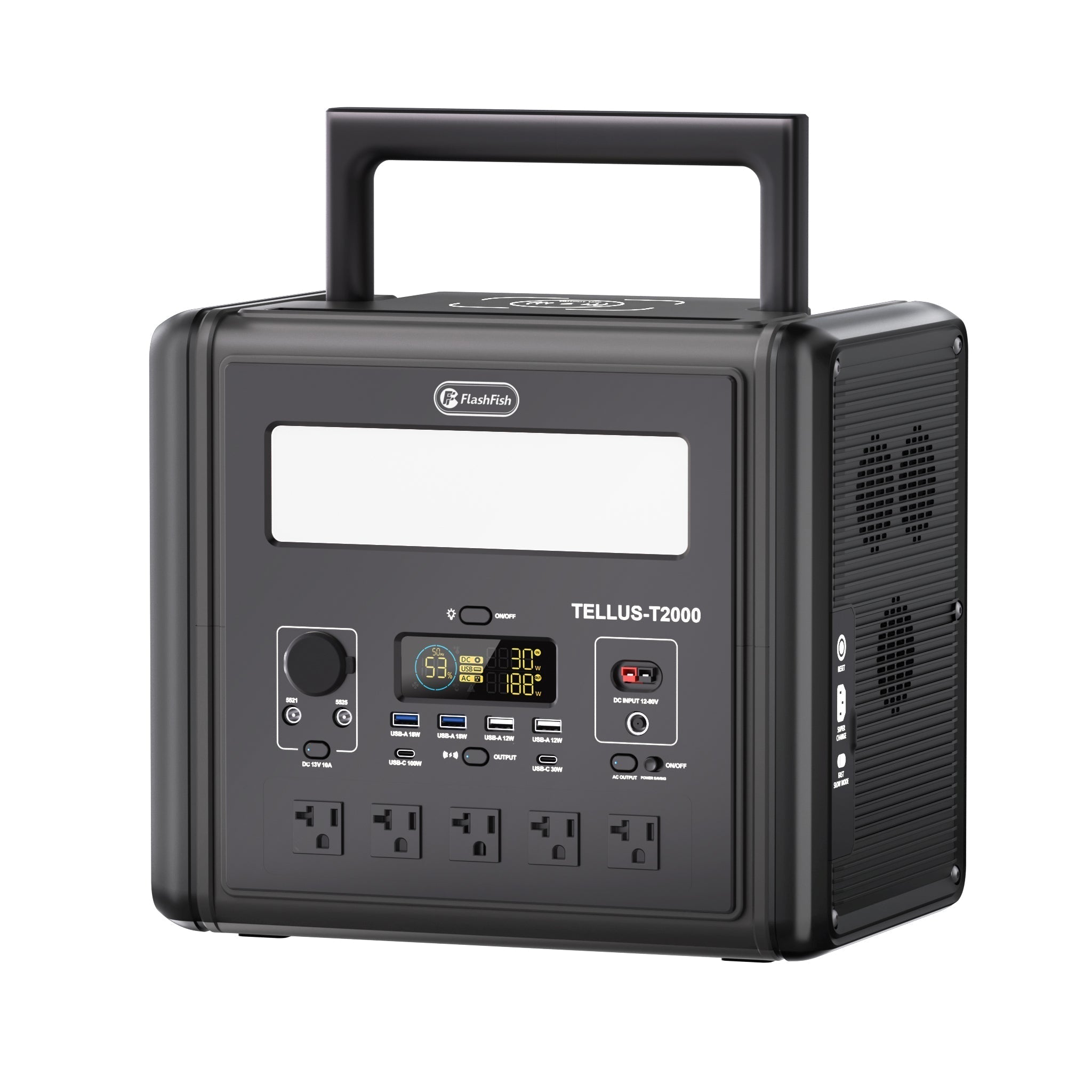
For a light weekend load, the FlashFish E200 is a compact match for phones, lights, and small electronics. For a larger camp kit, the FlashFish P63 gives more battery capacity for longer evenings or extra devices.
If your campsite has sun exposure and allows panel setup, the FlashFish TSP60 or FlashFish TSP100 can help recover battery during the day. Solar output varies, so it should be treated as a recharge helper, not a promise.
Battery power station vs fuel generator at camp
A fuel generator may be useful for some high-draw jobs, but it must follow campground rules and safety guidance. A portable power station is better suited to quiet electronics and moderate loads. For quiet hours, the goal is not to run every appliance. The goal is to keep the essentials comfortable without disturbing the campsite.
Simple quiet-hours setup
- Charge the power station before leaving home.
- Pack the charging cables you actually need.
- Use LED lighting instead of high-watt lamps.
- Turn off nonessential devices before quiet hours.
- Recharge by solar during the day only if the site conditions fit.
- Keep the unit dry, ventilated, and away from blocked vents.
FAQ
Can a power station replace a campground generator?
For small electronics and quiet-hours comfort, often yes. For high-draw appliances, not always. Match the load list to the power station output and capacity.
Should I choose a bigger battery or a solar panel first?
Choose the battery size from your overnight needs first. Add solar if daytime recharge is realistic.
Can I use solar panels in every campground?
No. Shade, site layout, weather, and campground rules all matter. Check the rules and avoid blocking paths or neighboring sites.
Human review checklist
- Verify E200, P63, TSP60, and TSP100 links are active.
- Keep campground-rule language general and not legal advice.
- Confirm solar-output caveats are conservative.
- Preview image and mobile table formatting.

Dejar un comentario
Este sitio está protegido por hCaptcha y se aplican la Política de privacidad de hCaptcha y los Términos del servicio.