

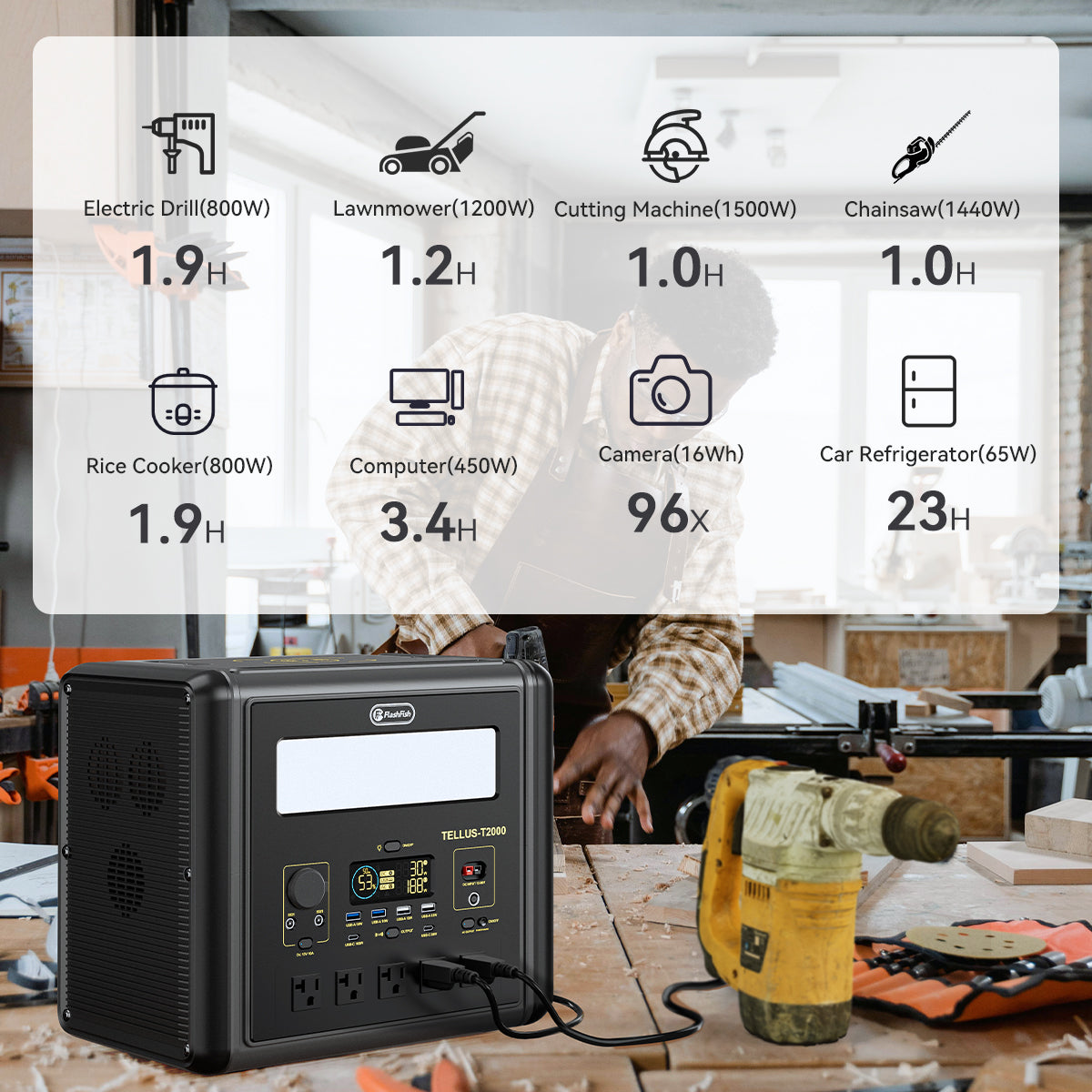
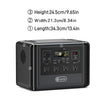

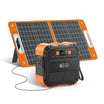
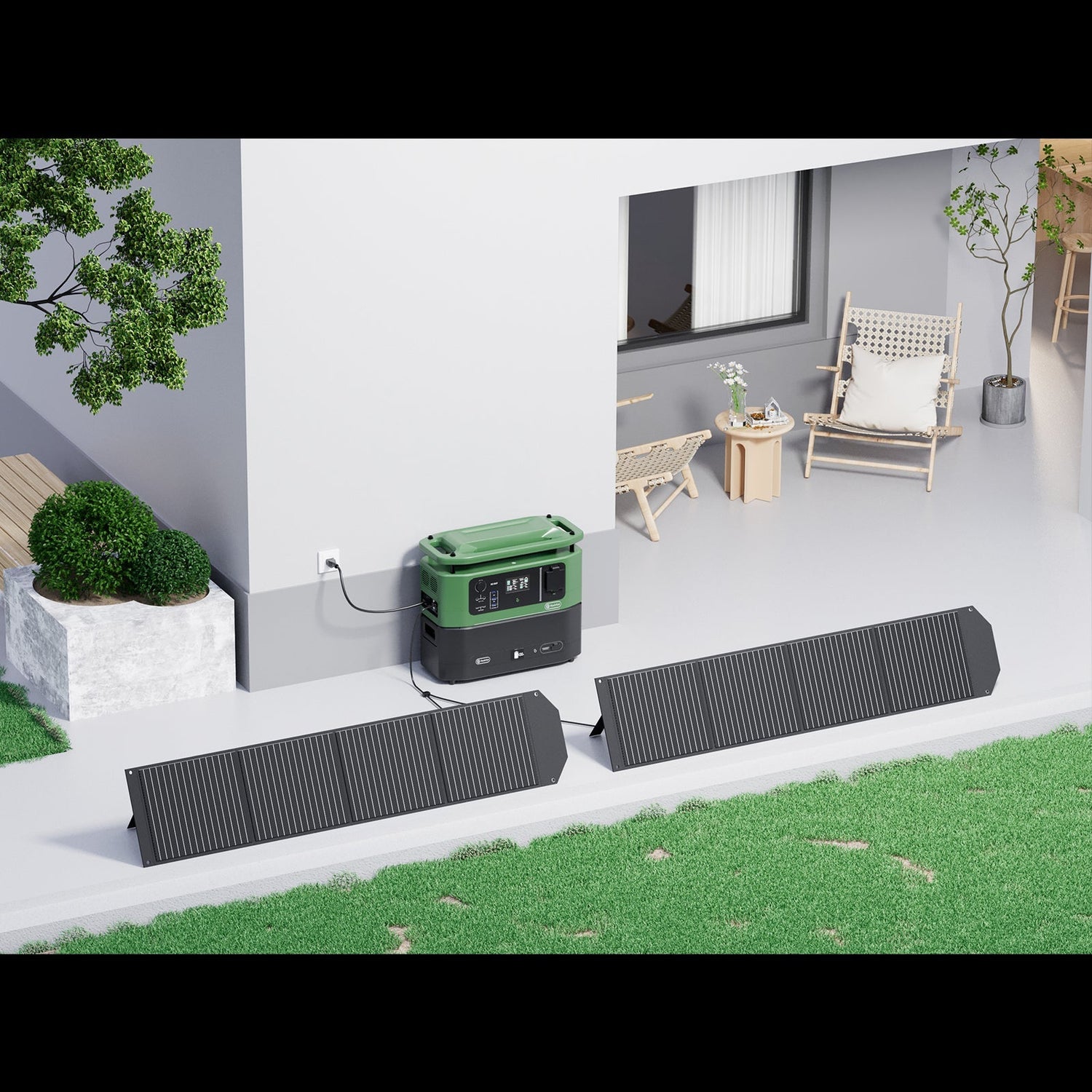
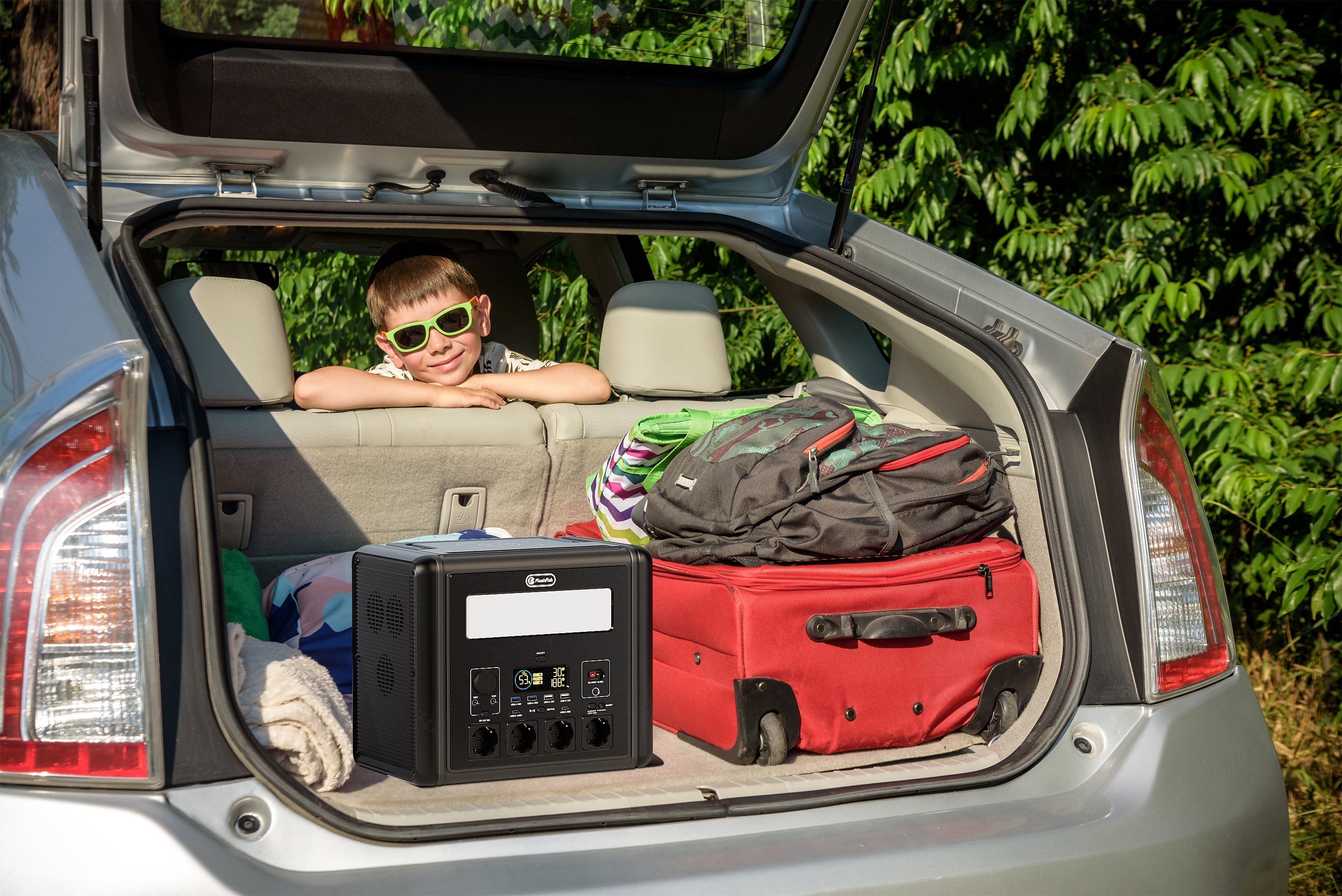
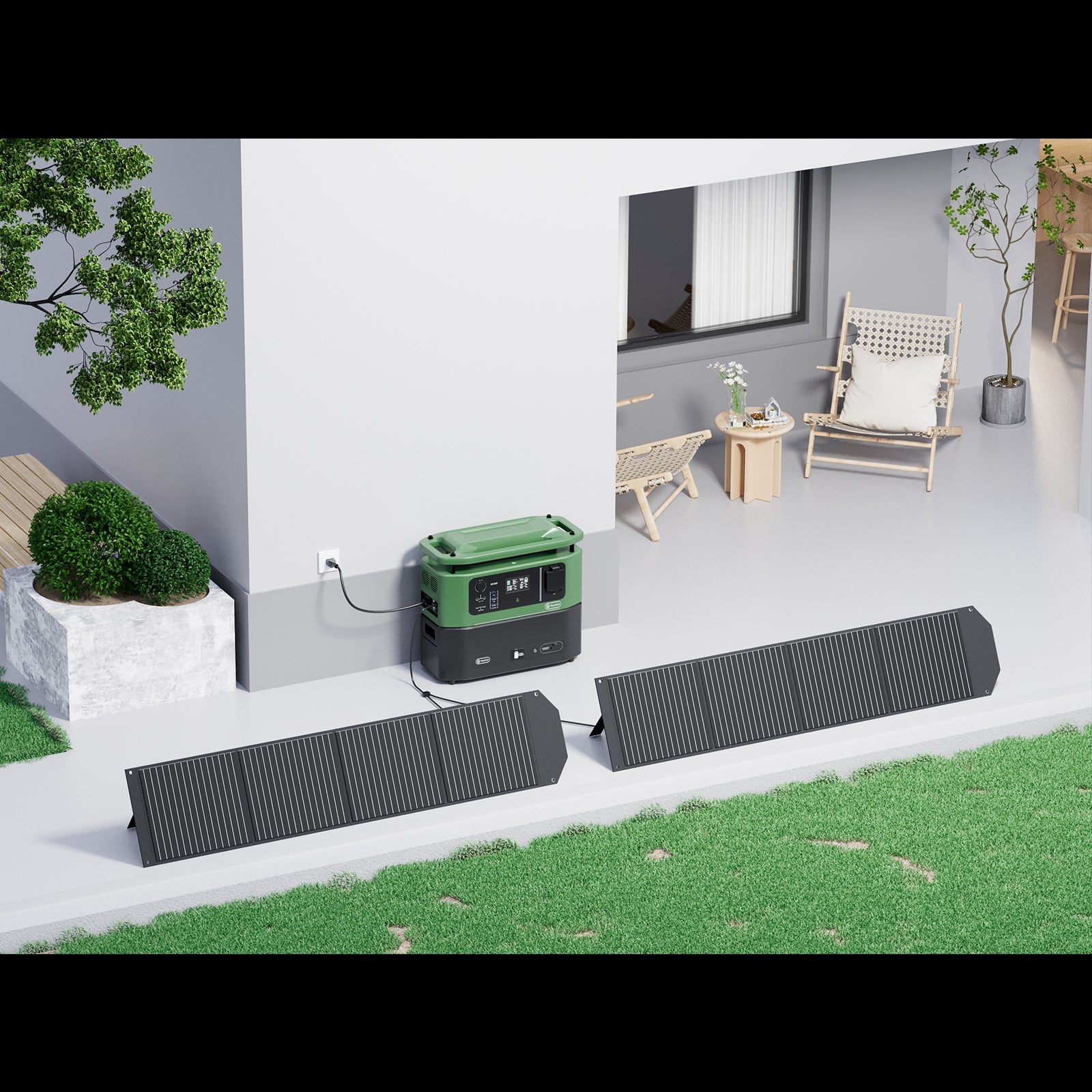
A portable solar panel is not automatically necessary for a one-night camping trip. If the power station starts charged and the planned loads fit its stored energy, leaving the panel at home can reduce weight and setup. A panel becomes more useful when you expect additional daytime energy, have suitable outdoor sunlight and placement space, and have confirmed the station's input and connector compatibility.
The U.S. Department of Energy solar radiation basics notes that available sunlight changes with location, time of day, season, landscape, and weather; DOE solar planning guidance also points to solar resource, orientation, tilt, and system efficiency as sizing inputs. For a short trip, treat a panel as conditional extra input rather than guaranteed stored energy.
Decide from the trip's energy plan
- Start charged: note the battery state before departure.
- Estimate watt-hours: multiply each device's watts by planned hours, using its label or manual.
- Check daylight: consider when you arrive and when loads will run.
- Allow for uncertainty: shade, clouds, temperature, panel angle, and charging conditions affect output.
- Confirm placement: the panel needs suitable outdoor space without creating a campsite hazard.
- Verify the connection: confirm voltage range, input limit, connector, polarity, and any required adapter in both manuals.
- Count all weight: include the panel, cables, adapters, case, and station.
Bring the panel or leave it at home?
| Bring the panel when | Consider leaving it when |
|---|---|
| Planned use may require additional daytime energy. | The charged station already covers the planned energy with appropriate margin. |
| The campsite has suitable outdoor sunlight and setup space. | The site is heavily shaded or lacks a safe placement area. |
| You arrive early enough to use the available charging window. | You arrive late and most use will occur after sunset. |
| The panel and station are confirmed compatible. | The connector, polarity, voltage range, or input limit is uncertain. |
| The extra weight and setup are acceptable. | A shorter, lighter packing list is more valuable. |
FlashFish TSP60 vs TSP100
| Panel | Nameplate | Documented device outputs | Weight | Approximate unfolded size | Planning fit |
|---|---|---|---|---|---|
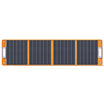
| TSP60 | 60W, 18V DC | USB-C up to 45W; USB-A up to 18W | 1.9kg (4.19lb) | 832.1 ? 455.93mm (32.76 ? 17.95in) | Lower carried weight and a smaller setup footprint. |
| TSP100 | 100W, 18V DC | USB-C up to 65W; USB-A up to 18W | 2.8kg (6.17lb) | 1562.1 ? 402mm (61.5 ? 15.83in) | Higher nameplate power with more weight and unfolded length. |
Nameplate watts and USB maxima are ratings, not guaranteed field output or guaranteed device input. Solar results vary with direct-sun angle, temperature, weather, charging conditions, and the receiving device. Compare options in the FlashFish portable solar panel collection.
Check panel and station compatibility
| Check | What to verify |
|---|---|
| Station input voltage | The panel's output must fall within the station's documented input range. |
| Station input power | A higher-watt panel does not make the station accept more than its documented limit. |
| Connector and polarity | Match the exact connector path and polarity specified by both manuals. |
| Adapter | Use only a documented compatible adapter; do not improvise wiring. |
| Placement | Use suitable outdoor sunlight and keep the equipment dry as directed by its manual. |
| Expected result | Plan without assuming a full recharge or a fixed number of charging hours. |
Compact kit paths
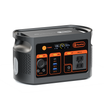
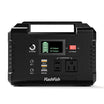
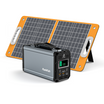
An A101 paired with a TSP60 can illustrate a lighter compact path, while an E200 and 60W panel kit adds more stored energy. These are planning examples, not promises of a full recharge. The A101 has a documented 12??6V, 40W maximum DC input; the E200 has a documented 11??4V, 40W maximum solar/DC input. Connector and polarity compatibility still require original-manual review before use.
When portable solar fits
Portable solar can fit when the trip has a meaningful daytime charging window, the campsite provides suitable outdoor sunlight, and the group expects continued energy use beyond what the precharged station comfortably covers. It can also support a longer plan in which daytime collection and nighttime storage have distinct roles.
When solar may not help enough
A panel may add little value at a shaded site, after a late arrival, during a short daylight window, where setup space is insufficient, or when compatibility is unresolved. A battery already sized for a carefully planned overnight load may be the simpler choice. Do not treat a panel as weatherproof; follow its manual and do not immerse it in water.
Frequently asked questions
Do I need a solar panel for one night of camping?
Not necessarily. Begin with the station's stored watt-hours and the trip's planned energy use. Bring a panel only when expected daytime charging benefit justifies its weight, space, and setup.
Is it better to charge the power station fully before leaving?
Starting with the station charged according to its manual gives you known stored energy and reduces dependence on campsite conditions. Solar can then be treated as conditional additional input.
Will a 60W or 100W panel fully recharge a station in one day?
That cannot be promised from the nameplate rating. Results depend on sunlight, angle, temperature, weather, station input limits, charging conditions, and the station's starting battery level.
What should I check before connecting a panel to a power station?
Verify voltage range, input power limit, connector, polarity, required adapter, and operating guidance in the original manuals for both products.
Does a portable solar panel store electricity for nighttime use?
No. A panel converts available sunlight into electrical power. A compatible power station or battery stores energy for later use.

Leave a comment
Situs ini dilindungi oleh hCaptcha dan berlaku Kebijakan Privasi serta Ketentuan Layanan hCaptcha.