


A portable power station cannot be confirmed for a coffee maker from the appliance category alone. Read the coffee maker's rating label and instructions, record any other loads that may share the station, identify the required outlet, then compare those facts with a station's documented continuous-output boundary and make a separate capacity plan. Without that documentation, there is no model-specific answer.
Find the appliance information first
Start with the coffee maker itself and its manufacturer materials. Write down the electrical information printed on the label and any instructions that affect the intended setup. Product packaging, a retailer description, or a general online estimate should not replace the appliance's own documentation.
- Record the stated electrical rating from the appliance label.
- Read the relevant manufacturer instructions before planning a connection.
- Note the outlet or connector the appliance requires.
- List every other device that could share the station at the same time.
Compare the plan, not the category
"Coffee maker" describes a use, not a verified electrical load. The meaningful comparison is between the documented appliance information, the simultaneous-load plan, and the station specifications. This is also why an answer for one specific coffee maker should not be carried over to another model.
Keep output and capacity as separate questions. A documented output figure is a limit to compare with the verified plan. Capacity still needs its own review after the output comparison. For background on that distinction, see running watts versus surge watts for portable power stations.
Use a conditional station comparison
| What you know | Appropriate next step |
|---|---|
| The coffee maker's label or instructions are missing | Do not choose a station for it yet; collect the documentation. |
| The appliance and simultaneous-load details are verified | Compare them with documented continuous output, outlet requirements, and a separate capacity plan. |
| The verified plan exceeds a station's documented boundary | Do not treat that station as a fit; reassess the equipment plan. |
| The plan needs a different documented boundary | Consider a higher-output path only after the comparison is complete. |
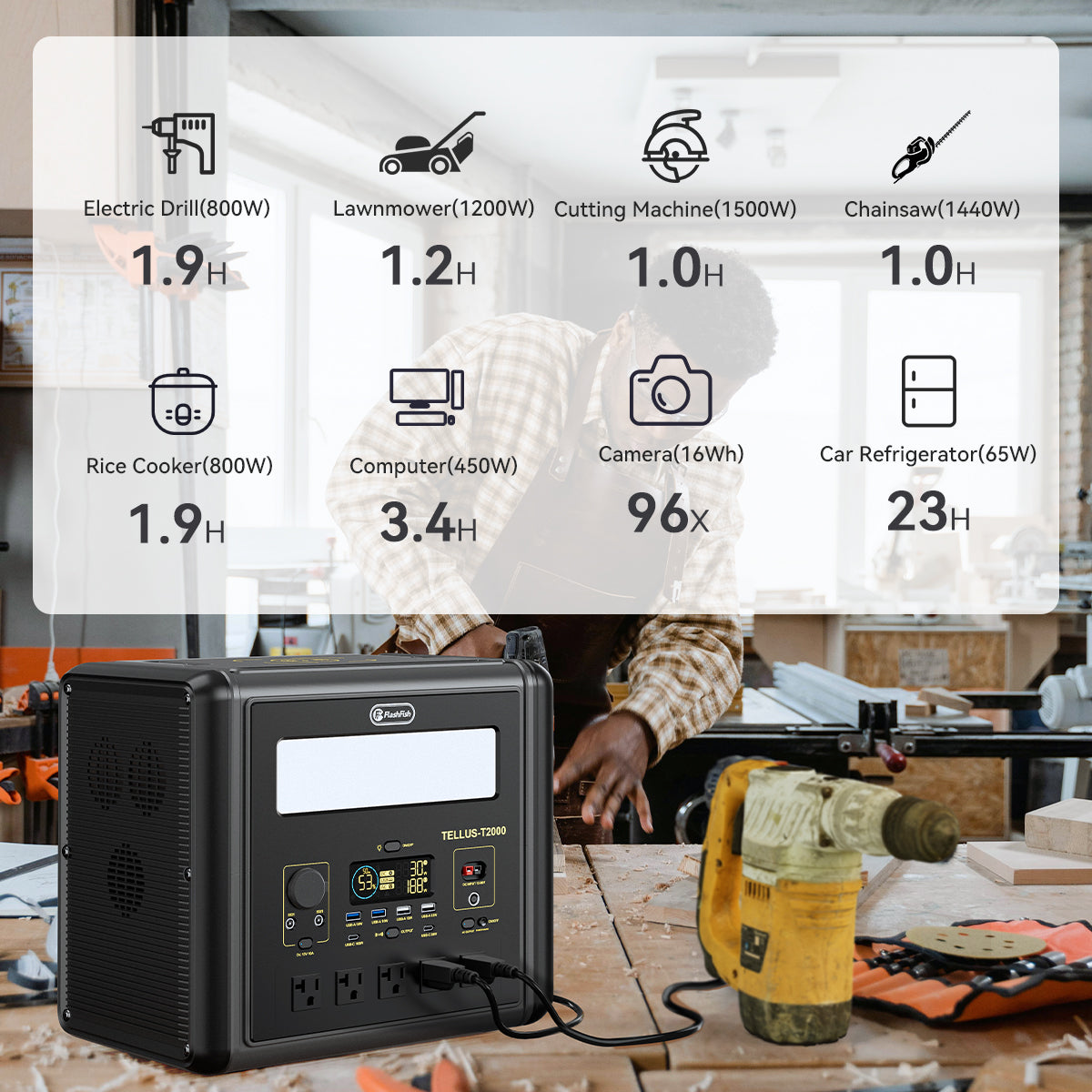
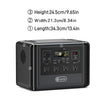
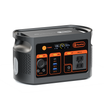
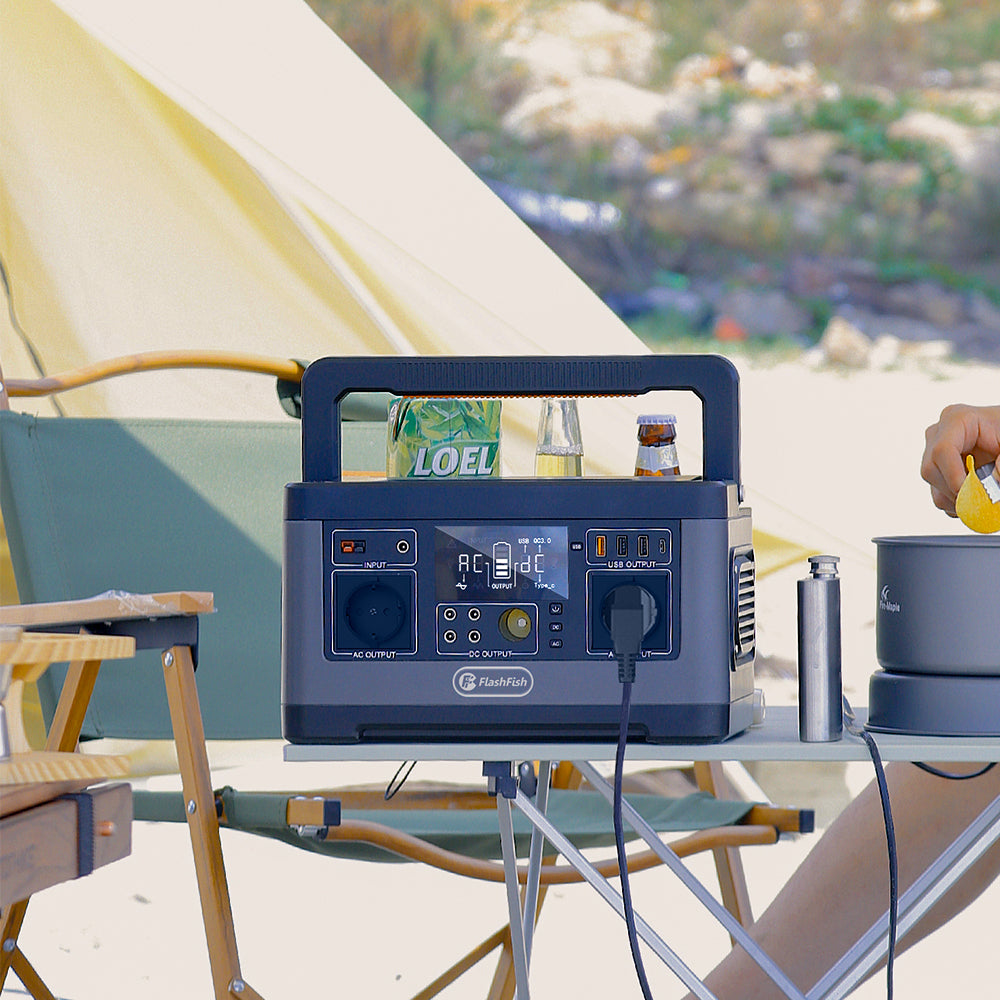
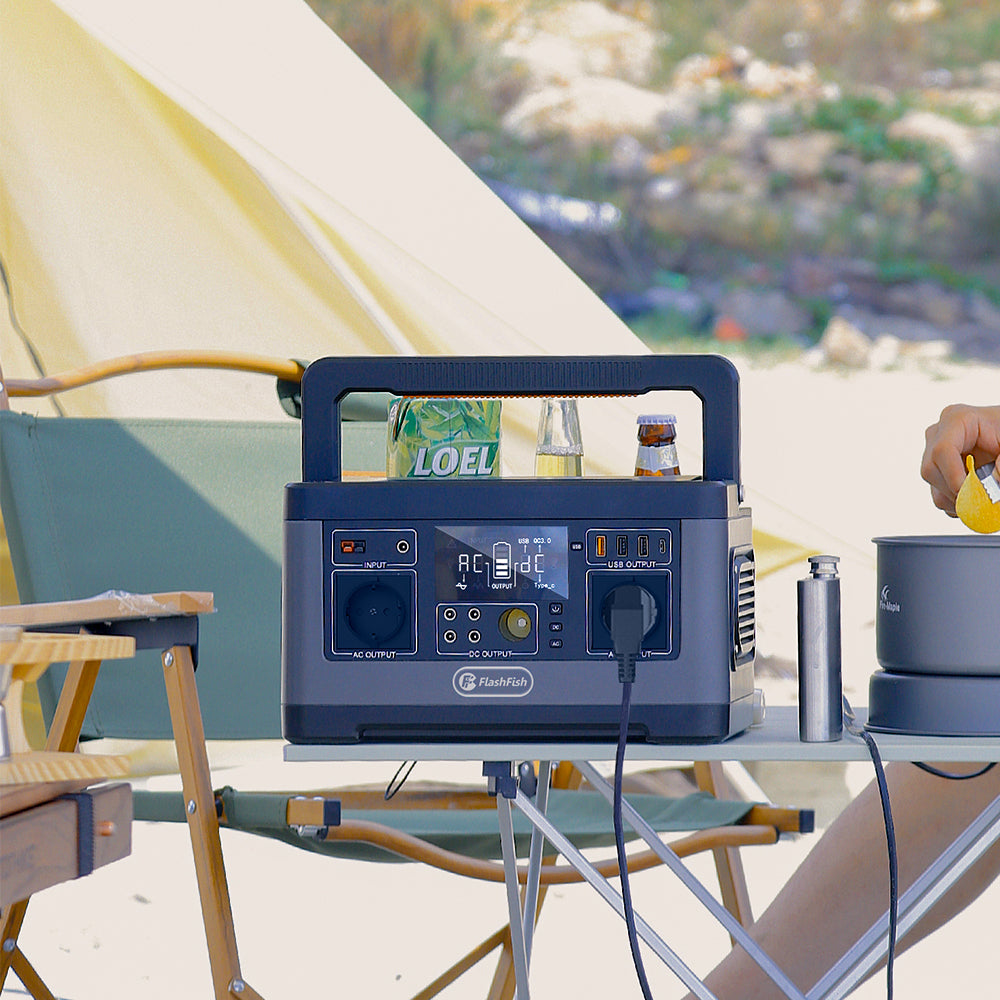
The active FlashFish T1200S portable power station has a documented 1200W continuous AC output boundary and 768Wh capacity. That makes it a product to compare with a verified appliance plan, not a guaranteed coffee-maker pairing. Where the verified plan needs a higher documented boundary, the active FlashFish T2000 portable power station has a documented 2000W continuous AC output boundary and 1536Wh capacity. It should be evaluated in the same label-first way.
Why a compact station is not an automatic fallback
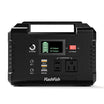
A smaller station should not be selected simply because it has an AC outlet. The active FlashFish E200 is documented with 200W continuous AC output and 400W peak output. That is a different output boundary from the T1200S or T2000, and it reinforces the need to compare the appliance's records instead of assuming that any portable station fits a coffee maker or another food-prep appliance.
Use a stop condition
Stop the selection process when any essential record is missing, when the appliance instructions do not support the intended setup, or when the combined plan exceeds the station boundary you are considering. Do not turn uncertainty into a compatibility claim. For an existing high-load appliance question, see Can a Portable Power Station Run a Microwave?.
Frequently asked questions
Where can I find a coffee maker's electrical rating?
Look on the appliance rating label and in its manufacturer documentation. Use those records rather than a generic appliance estimate.
Is the appliance label enough, or should I read its instructions too?
Read both. The label provides electrical information, while the instructions may contain conditions relevant to the intended use.
Why do other devices on the same power station matter?
They may be part of the same simultaneous-load plan, so the decision should not be based on one appliance alone.
When should I avoid treating a portable station as a fit?
Avoid a fit conclusion when appliance documentation is missing, the required comparison is incomplete, or the verified plan exceeds the station's documented boundary.

Commenta
Questo sito è protetto da hCaptcha e applica le Norme sulla privacy e i Termini di servizio di hCaptcha.