


A portable power station can be evaluated for recharging a camping headlamp only after the exact headlamp input label, supplied charging path, manufacturer instructions, and the station's applicable output record are compared. If a required value or instruction is missing, do not give a recharge verdict.
The direct answer: one port or watt number is not enough
There is no reliable category-wide answer for an unidentified camping headlamp. A station may have USB-C or USB-A outputs, and a headlamp may have a connector with a familiar shape, but neither fact confirms the device's charging path. A meaningful comparison begins with a specific headlamp record and ends with the headlamp manufacturer's instructions.
Build the device-side record first
| Question | Evidence to collect | If it is unavailable |
|---|---|---|
| Which headlamp is this? | Exact model identifier | Stop; do not generalize from a similar model. |
| What charging path does it specify? | Label or manual input information | Consult the manufacturer documentation. |
| What connection was supplied? | Included cable or adapter details | Do not assume a replacement or adapter is suitable. |
| What does the manufacturer instruct? | Charging instructions and limitations | Do not make a recharge claim. |
This record is deliberately device-specific. A headlamp may have a rechargeable battery, removable batteries, a proprietary connector, or no rechargeable path described in its documentation. Those situations cannot be reduced to a generic "USB headlamp" label.
Read the station-side record separately
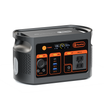
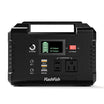
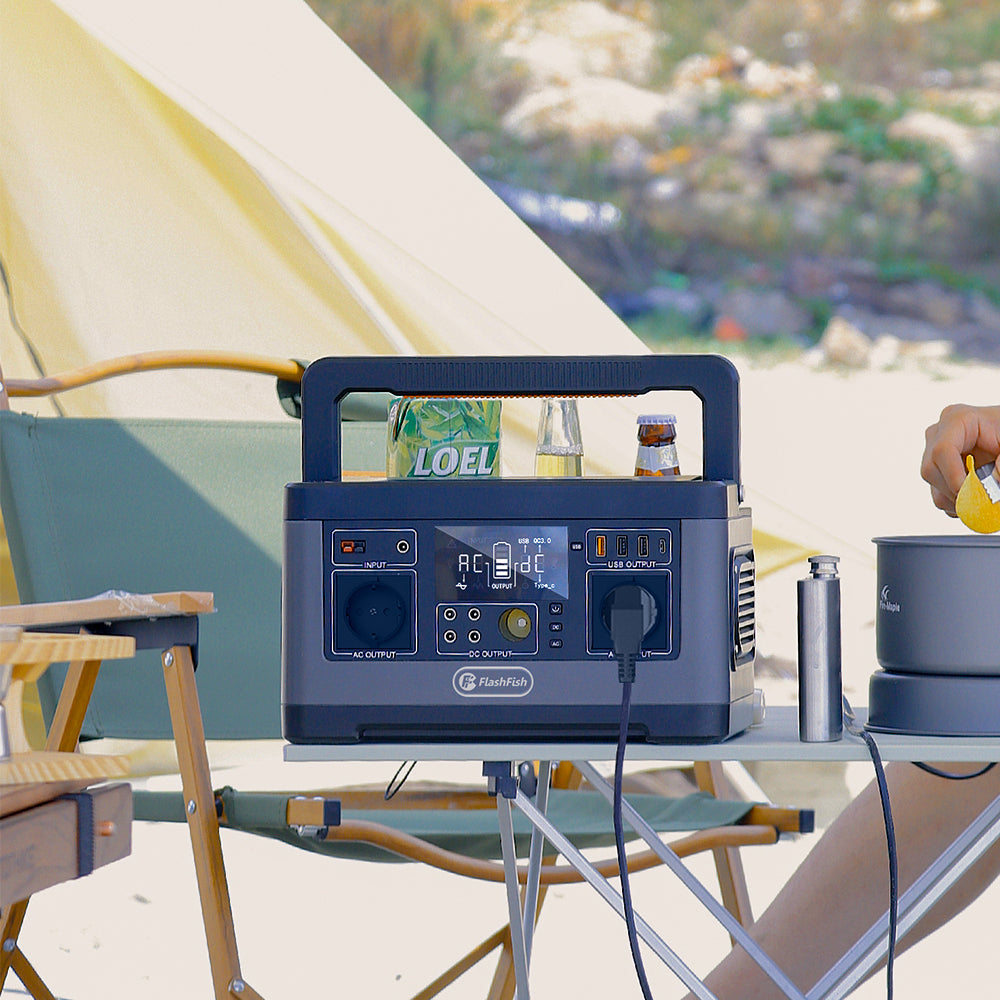
After the headlamp record is complete, inspect the current product page and the applicable manual for the portable power station. Note the output type, any documented power limit or protocol, port direction, and market-variant information. The station record is evidence for comparison; it is not a test result and does not override device instructions.
For a general orientation to the types of ports found on portable power stations, see Portable Power Station Ports: AC, USB-C, USB-A and DC. Use that overview to identify terms, then return to the exact records for the device and station in front of you.
Use a no-shortcut decision rule
| What you find | Appropriate next step |
|---|---|
| A missing model, input field, cable detail, or instruction | Pause and obtain the headlamp documentation; no verdict. |
| A documented limitation or mismatch | Follow the headlamp manufacturer's instruction; do not force a connection. |
| A complete set of records | Use the manufacturer's instructions to determine whether they support a conclusion. |
This approach may feel slower than choosing the nearest connector. It is also more useful than guessing. Connector shape, the words "USB-C" or "USB-A," and a larger output figure each leave out information that can matter to the device's documented charging path.
Where the FlashFish A101 record fits
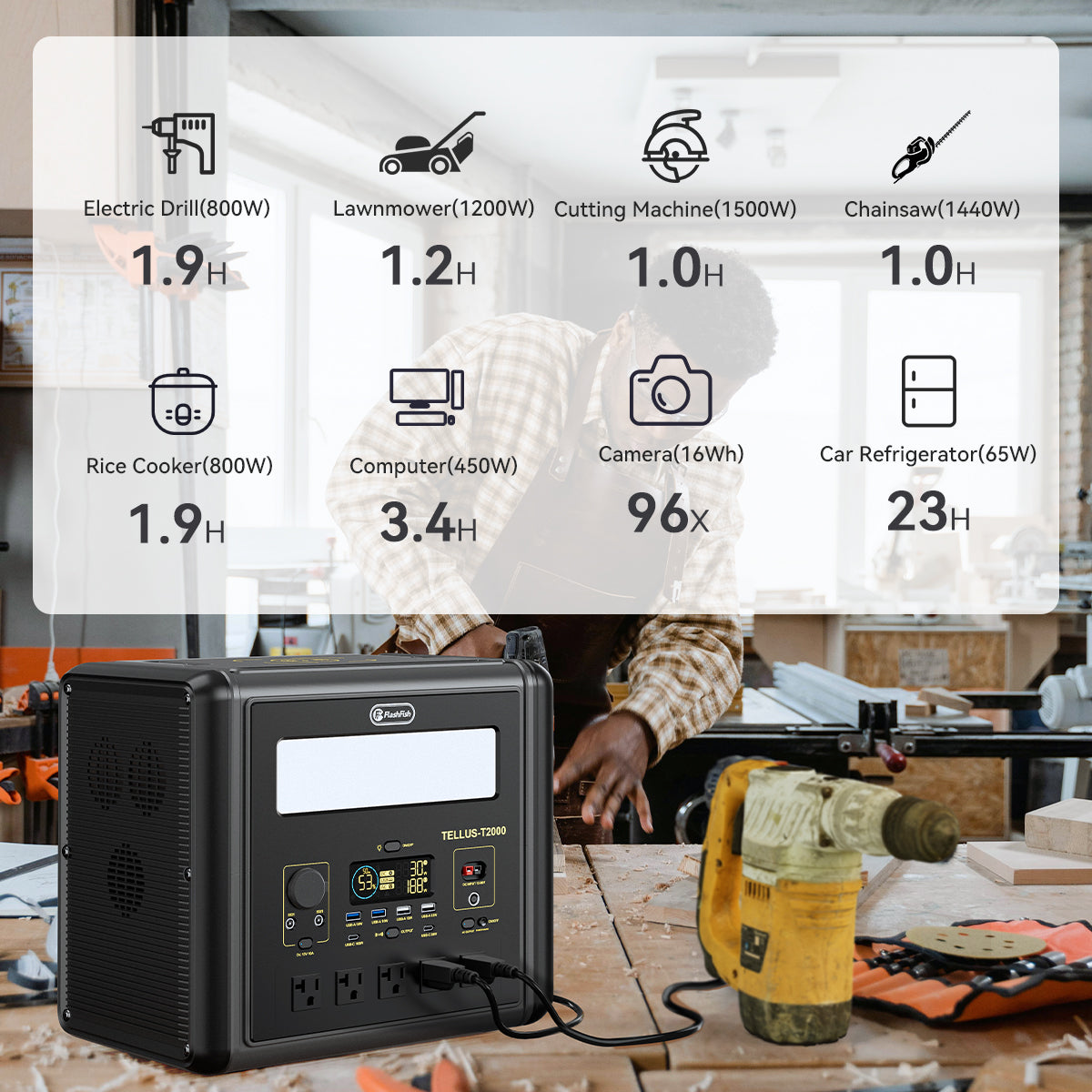
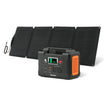
The active FlashFish A101 page is a station-side source to inspect, not a headlamp recommendation. The A101 manual lists two USB-C PD outputs up to 18W each and two USB-A QC 3.0 outputs up to 18W each. Those entries do not tell us whether an unverified headlamp accepts either path, whether its included cable is suitable, or what charging or runtime result would follow.
Use a model-specific headlamp packing checklist when preparing gear, then compare the complete device record with the A101 output fields above.
Frequently asked questions
Which headlamp label values matter most?
The exact model, documented input or charging information, the supplied connection path, and the manufacturer's instructions are the essential starting points.
Does a USB-C or USB-A port alone prove a charging match?
No. A port label identifies only part of a possible path. It does not replace the headlamp's model-specific documentation.
Why is the included cable or adapter part of the evidence?
It is the connection path provided for the headlamp. Its presence does not authorize assumptions about a different cable or adapter.
What does an 18W USB output not tell me about an unverified headlamp?
It does not establish the headlamp's acceptance of that path, cable suitability, charging time, runtime, or a safe operating result.

Commenta
Questo sito è protetto da hCaptcha e applica le Norme sulla privacy e i Termini di servizio di hCaptcha.