



Portable Power Station Sale Prices: Verify the Reference Price First
Verify the reference basis, exact variant, and eligible item price before calculating a discount. A crossed-out amount alone cannot prove historical savings; compare product fit and current cost se...

AC Plug Meter vs USB Inline Meter: Choose the Right Measurement Boundary
Choose the instrument by the energy boundary you need: adapter-input energy for a supported AC plug meter, or energy crossing a documented USB meter location. Different boundaries cannot establish ...
Test Whether Leaving AC Enabled Changes a USB-Only Power Budget
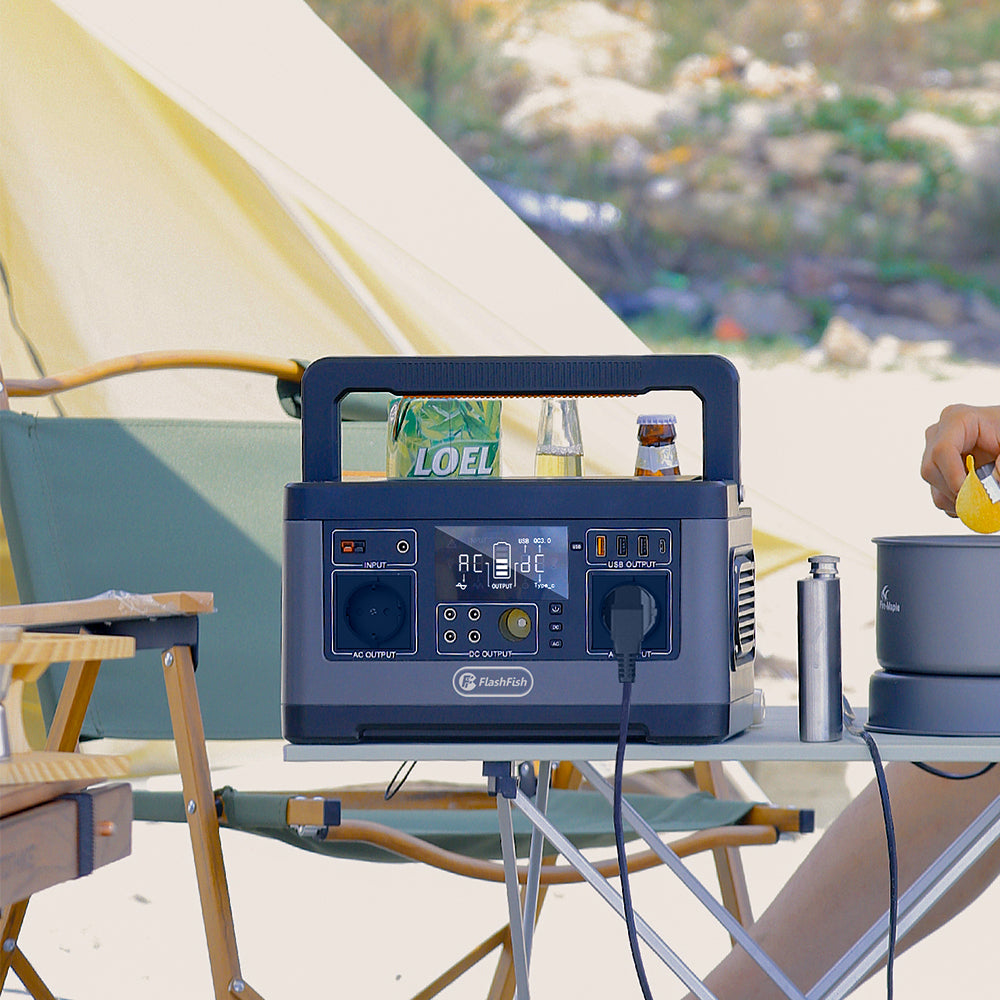
Compare permitted AC-enabled and AC-disabled settings in repeated, matched USB-only runs. Keep meter readings and charge-display trends separate; neither alone establishes inverter consumption.

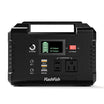
FlashFish E103 Charging Inputs: Keep AC, DC and Combined Limits Separate
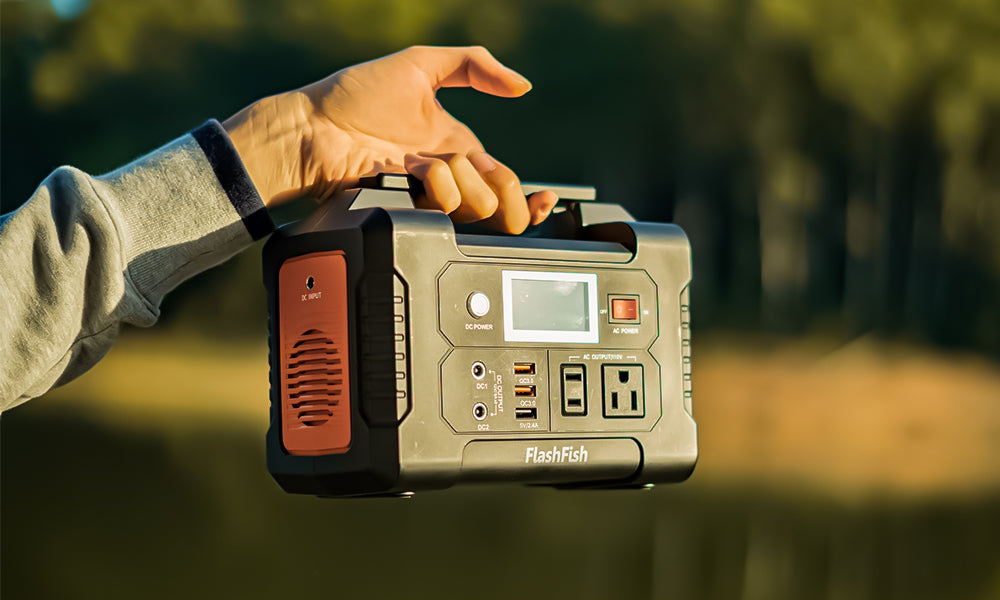
E103 has documented AC charging up to 100W and DC charging up to 90W; up to 190W refers to its documented combined mode. Its available U.S. manual and product record disagree on AC input voltage. C...

Can a Portable Solar Panel Pay for Itself Through Electricity Savings?
A portable solar panel pays for itself through electricity savings only if measured avoided grid charges eventually exceed its incremental cost. Panel wattage alone cannot establish that. Without d...

Build a Departure-Deadline Charging Queue for Camping Devices
For one verified charging path, schedule essential devices by deadline using timed charging intervals, not port wattage. Add cable-change and packing time, test each finish against its deadline, an...
Station Battery Percentage vs Delivered Watt-Hours: What Each Reading Answers
Battery percentage and delivered watt-hours answer different questions. Record the charge trend and measured-path energy separately; leave uncalibrated conversions unknown.

Log Accepted Solar Energy Instead of Counting Sunny Hours
Record accepted solar input over defined intervals. Use valid counter differences or representative average watts, and keep unmeasured periods visible.

What Does It Cost to Recharge a Portable Power Station From the Wall?
Calculate recharge electricity expense from measured wall-input kWh and the applicable variable rate. Separate nominal battery capacity, fixed fees, and purchase cost.

Plan a Partial Station Recharge During a Short Outlet Window
Plan a short outlet stop using a matched recharge log, a rehearsed departure target, and a fallback. Input watts alone cannot prove the next task will finish.

Controlled Runtime Test vs Real-Use Rehearsal: Two Different Decisions
A controlled runtime test compares defined conditions; a real-use rehearsal checks a particular task. Learn which result supports your decision and where comparisons stop.
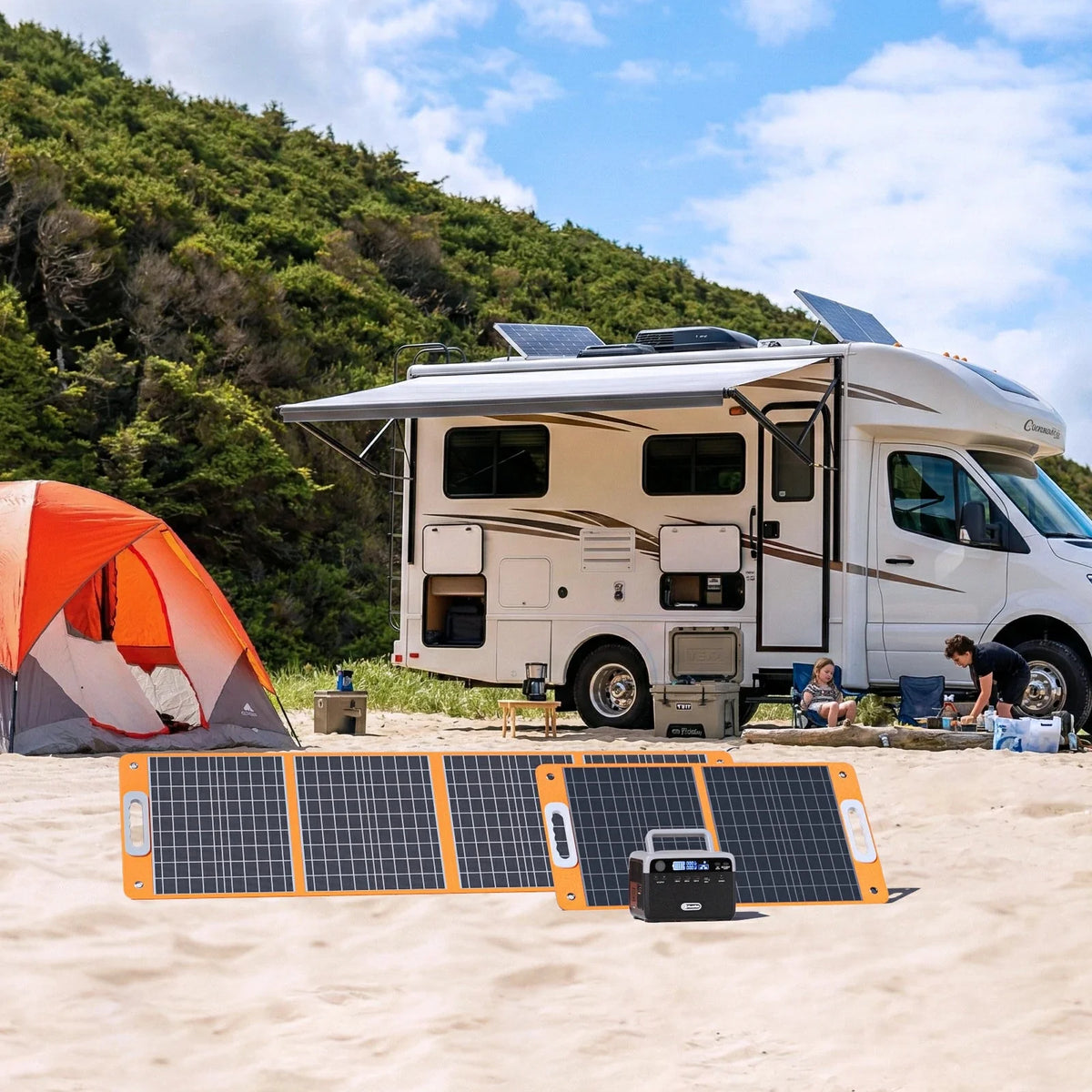
Quilt Photo Station: Keep Item IDs Intact During Power Handoffs
Plan quilt photo batches with ID cards, a restart log, and confirmed file states. Keep item tracking separate from the camera and light charging plan.
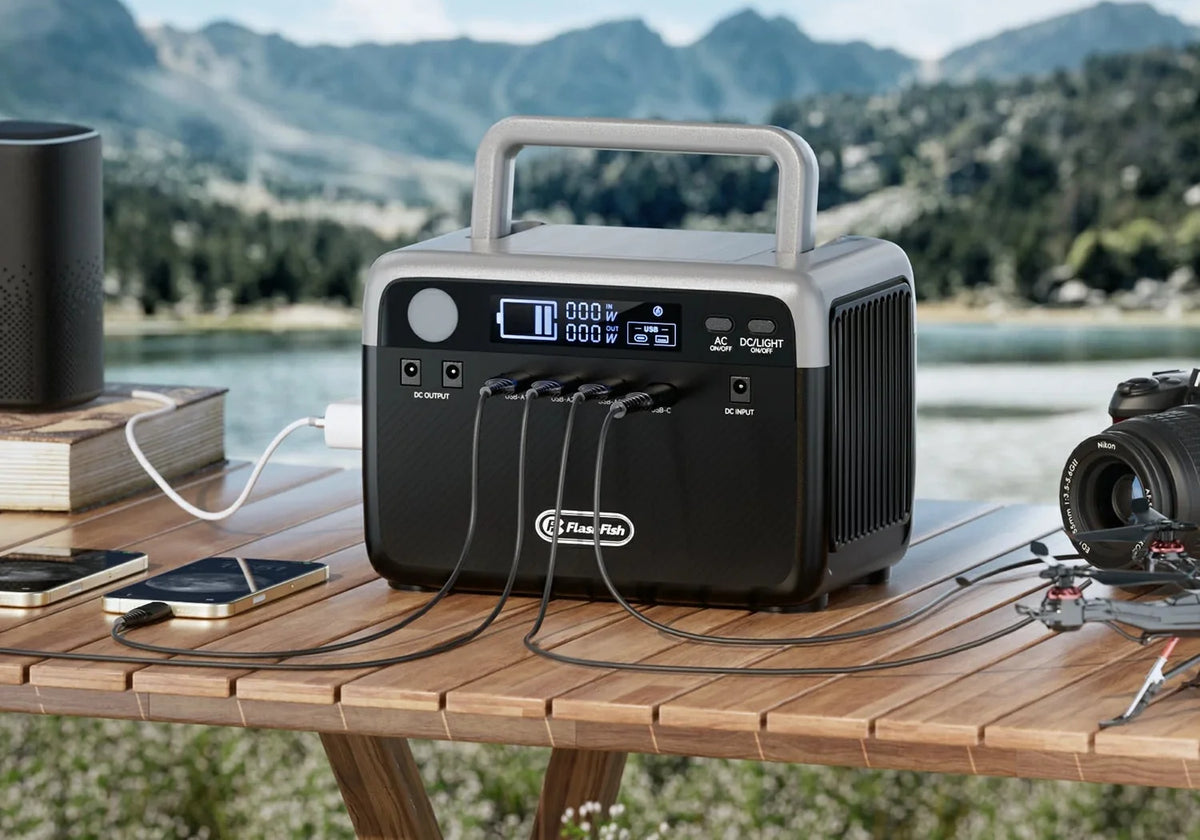
FlashFish A201 vs T200 for a Cabin Reading-Lamp and Phone Plan
Compare A201 and T200 by lamp input, phone charging profile, nominal capacity, and carrying weight. Confirm the exact regional AC configuration before choosing.

Farmers-Market Receipt Printer Power: Plan a Reprint Queue
Keep sale references and observed print states in a separate receipt queue when printer power pauses. Use provider instructions to resolve pending jobs before reprinting.
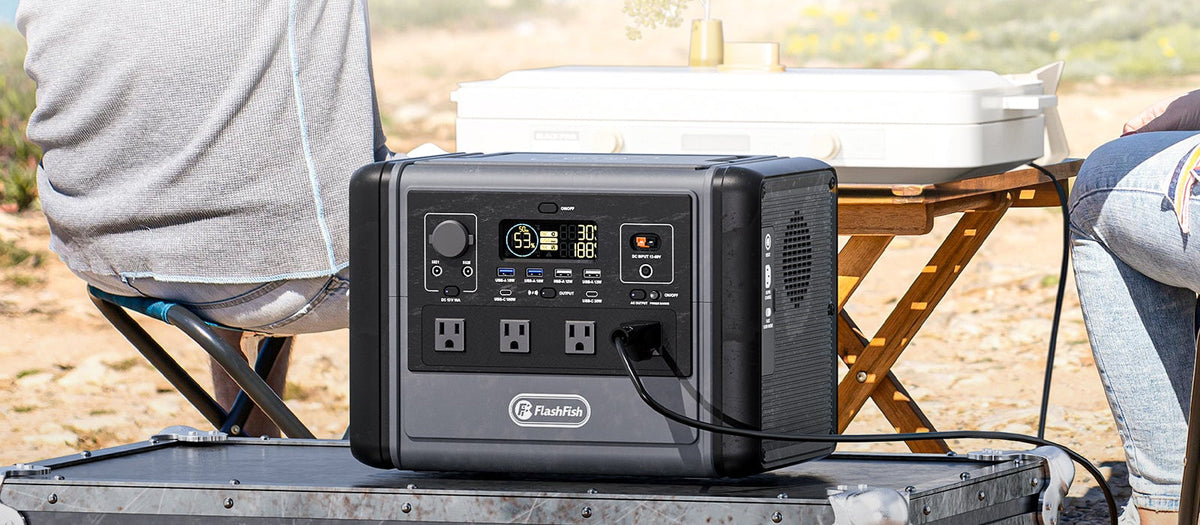
T300Pro vs T1200S: Does a Bigger Battery Mean Faster USB-C?
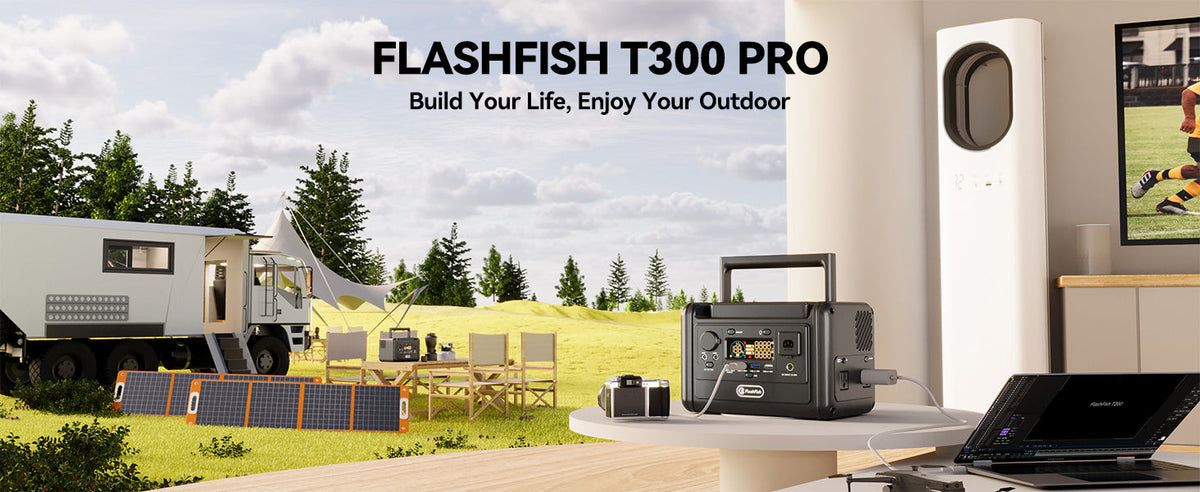
T300Pro and T1200S list the same USB-C ceilings: up to 100W and 30W. Compare capacity and carrying weight separately, and verify device profiles and shared-output limits.

Home-Office Wi-Fi Fallback Card: Plan Work Without Internet
Prepare a home-office Wi-Fi fallback card for work you can continue, pause, or hand off without internet. Keep file access and communication decisions separate from device-power checks.
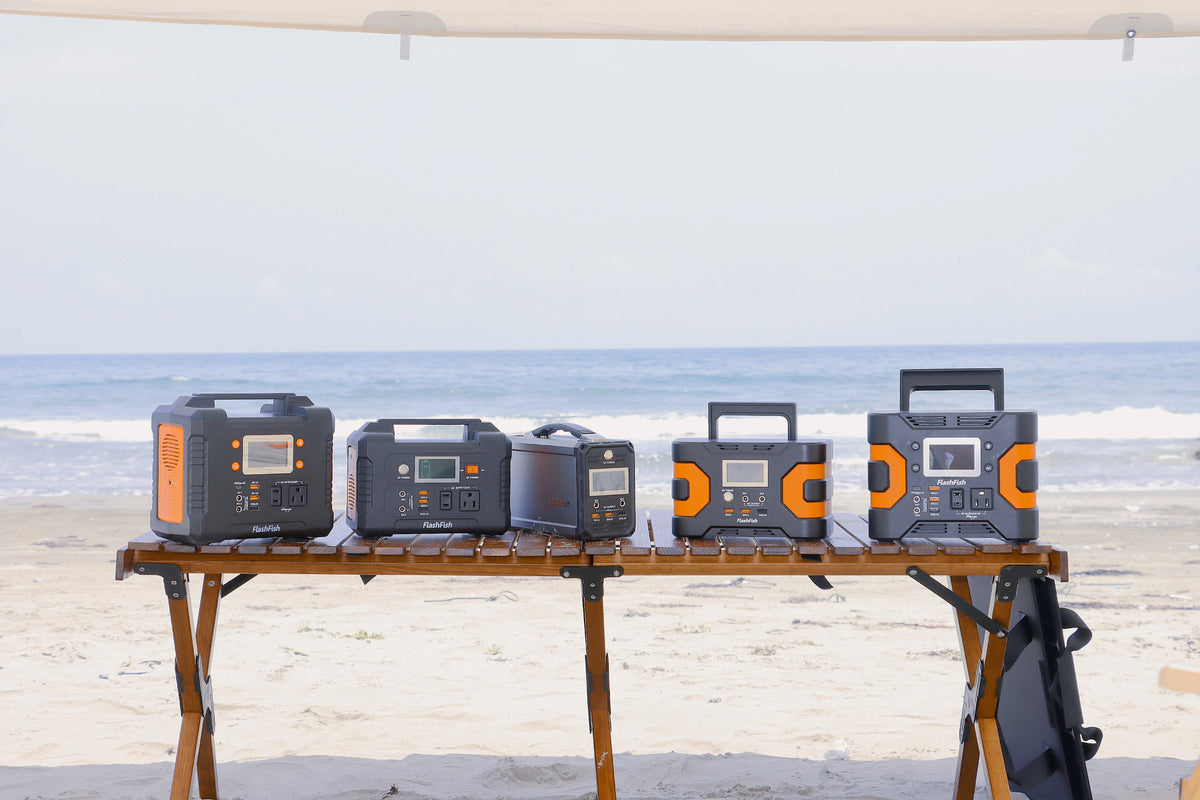
Portable Power Station Cost per Watt-Hour: Nominal vs Usable Energy
Compare purchase price per nominal watt-hour using dated FlashFish E200 and A201 prices, then see why usable energy, output fit, and recharge cost require separate evidence.
Portable Power Plan for a School Science-Fair Device Display
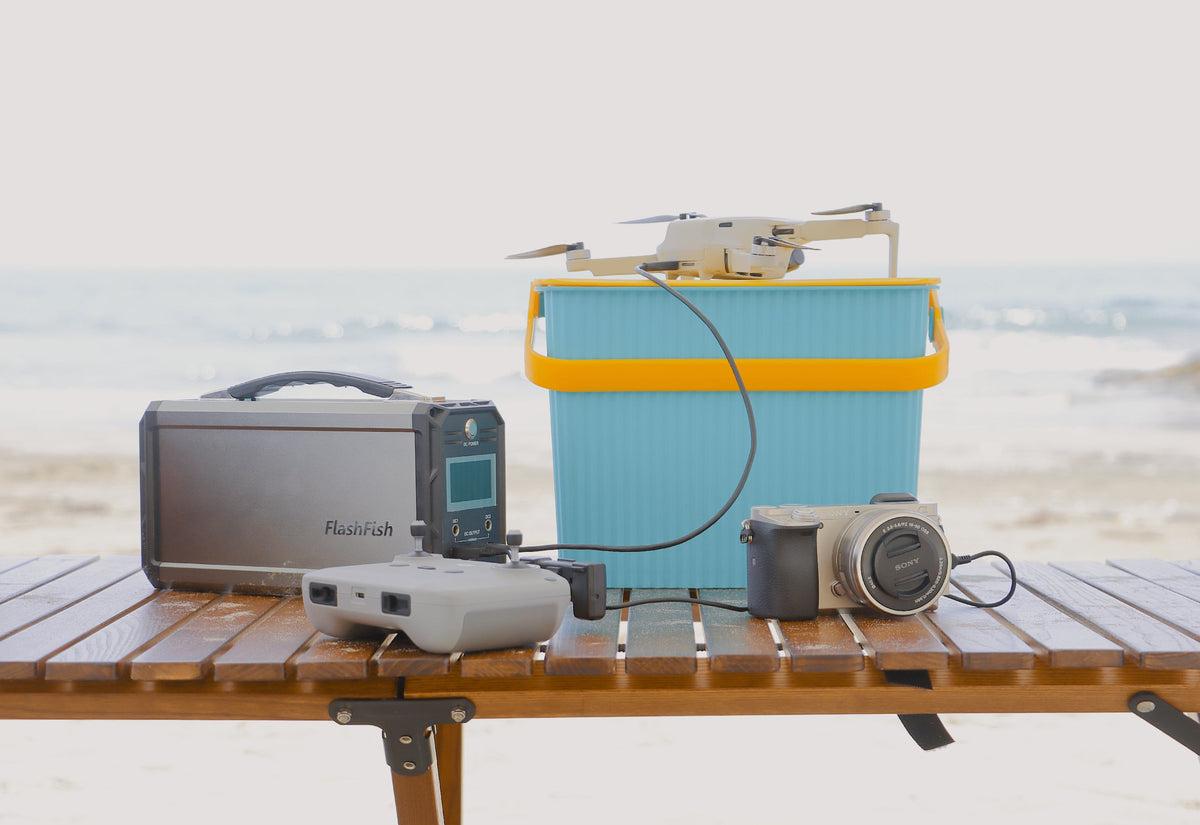
For a supervised science-fair table, power only the tablet, small light, and display devices that have been identified in advance. Record each input label, assign one cable path, keep cords outside...
FlashFish E103 vs T200 for a Community Workshop Device Table
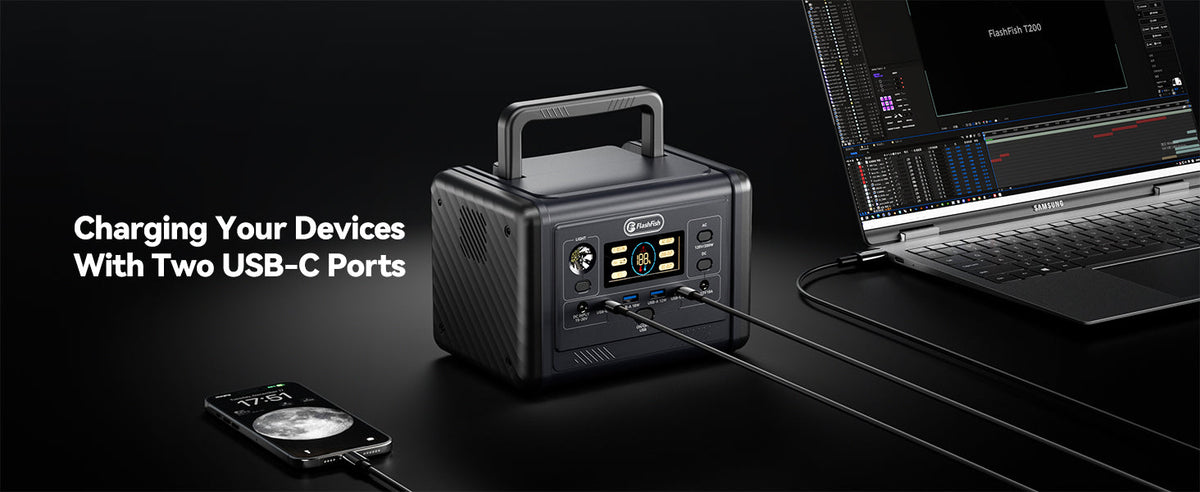
Choose E103 when the checked workshop setup needs more stored energy or AC output headroom. Choose T200 when a smaller, lighter station and more documented USB connector positions fit the device li...

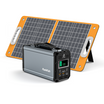
What Does a Small RV Lights-and-Phone Solar Kit Cost?
A dated E200 and TSP60 separate-item subtotal is $179.98. Compare exact bundle selections, package contents, needed accessories, and checkout charges before setting an RV device budget.

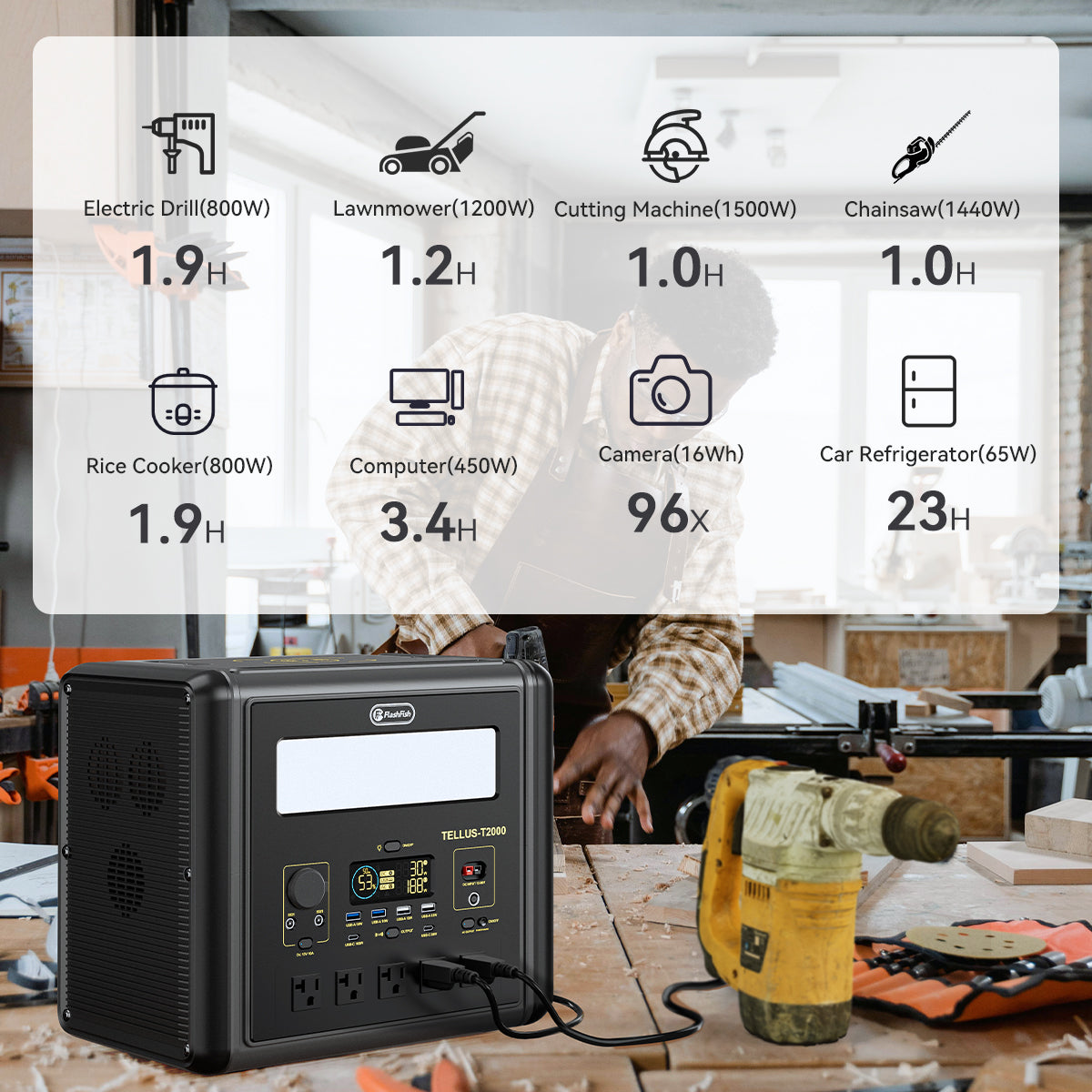
T1200S vs T2000: Do Three DC Ports Mean Three Power Budgets?
T1200S and T2000 each share a 130W DC ceiling across three connections. Compare voltage, plugs, and concurrent accessory requirements before choosing capacity.

Portable Power for a Family-Reunion Photo-Sharing Station
Plan a reunion photo-sharing table around a tablet, organizer phone, and optional light. Compare documented ports, charging turns, and venue requirements before selecting power.
Portable Power Plan for a Community-Theater Captioning Display
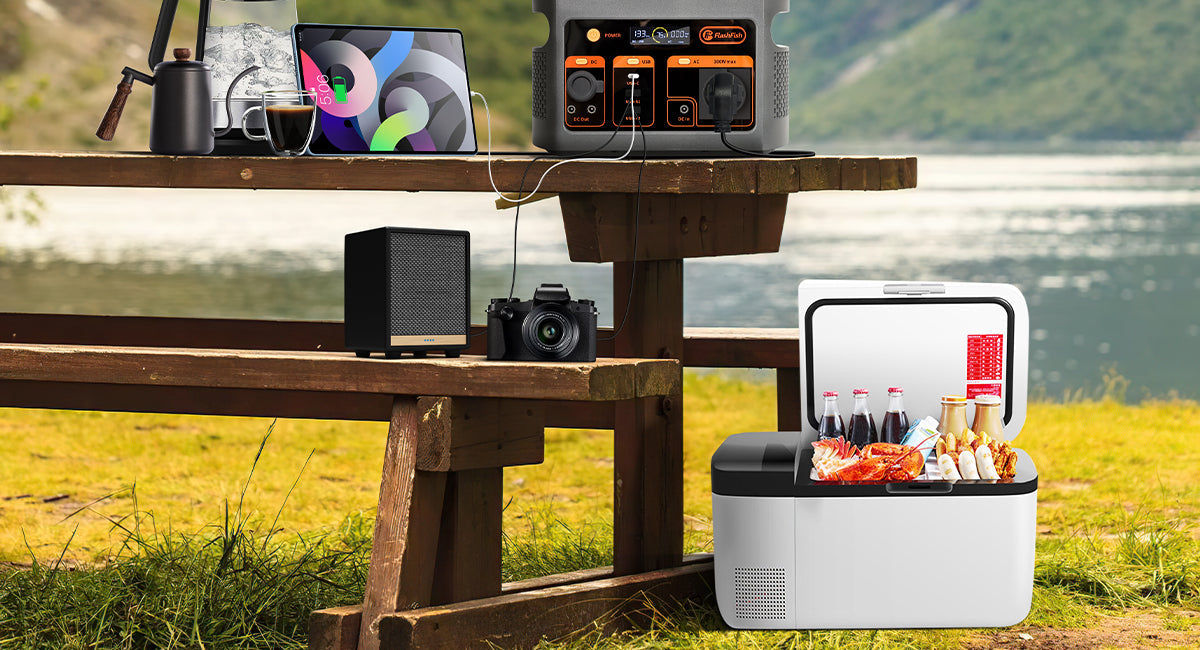
A captioning-display table should be planned as a small, separate device station—not as a substitute for a theater’s installed electrical or accessibility systems. Start with the display manufactur...
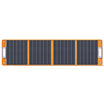
FlashFish TSP60 vs TSP100 for a Weekend Daylight-Charging Plan
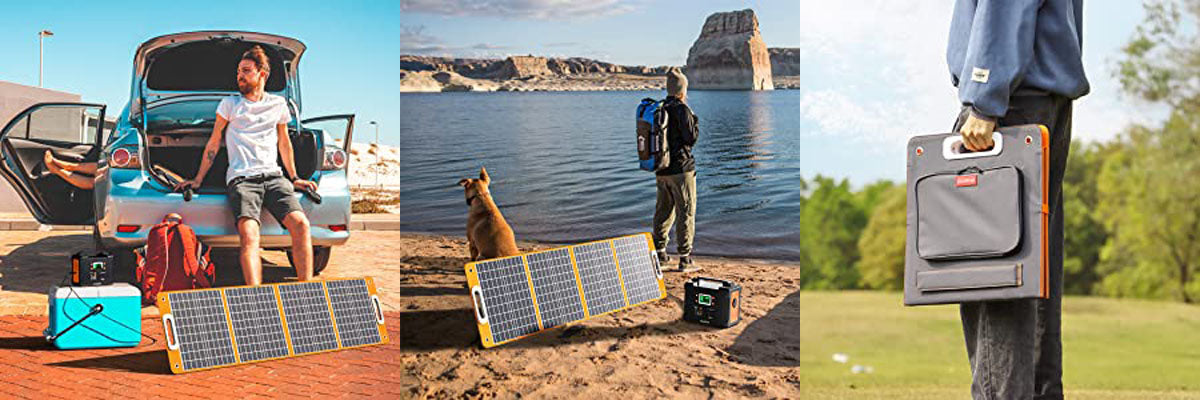
For a weekend daylight plan, compare the FlashFish TSP18V60W and TSP18V100W by their documented panel rating, folded and unfolded footprint, weight, and the exact station-input documentation you wi...