


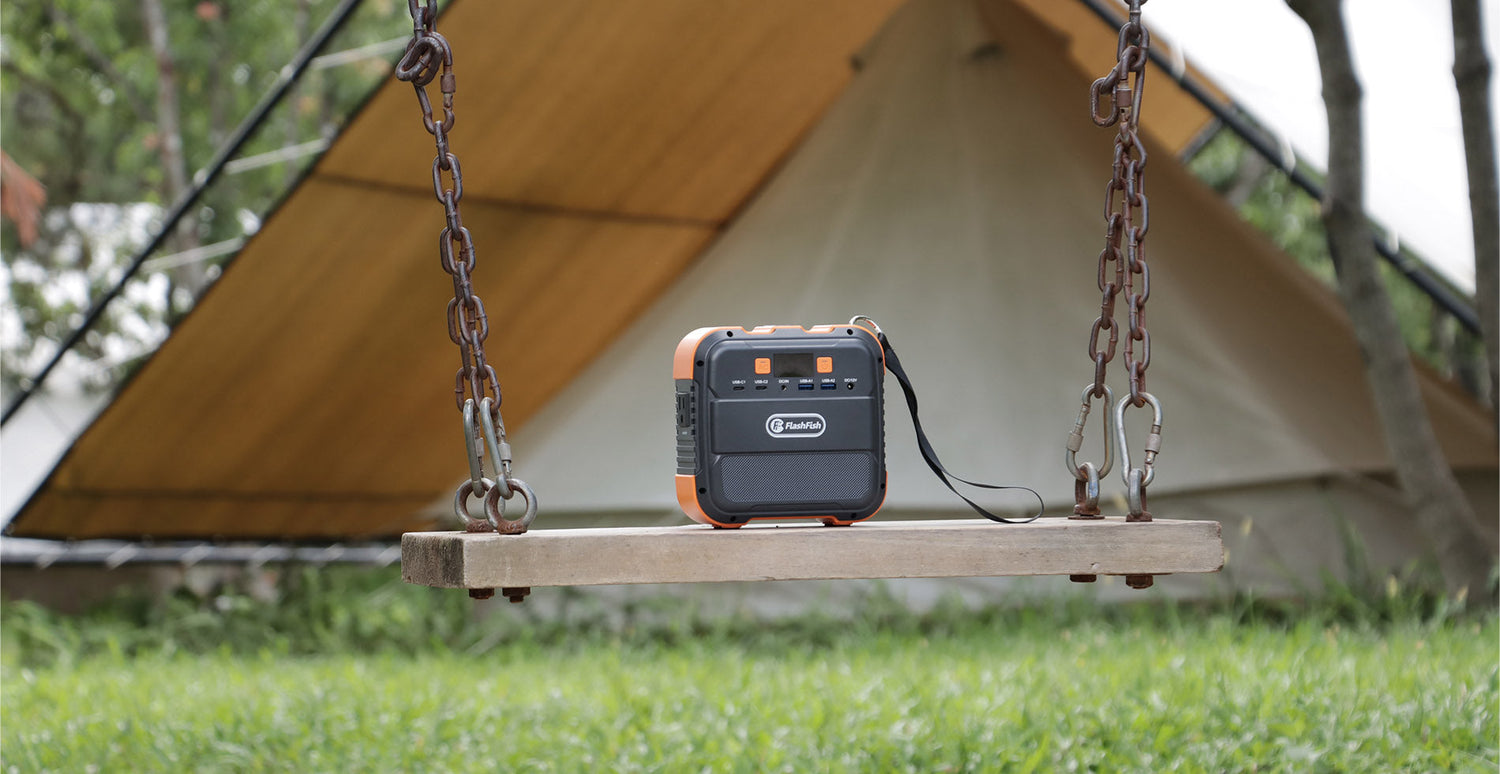
A battery power station is usually the better campground fit when you need quiet power for small electronics, lights, or other label-verified loads near tents and neighbors. A gas generator may be the tool for a larger fuel-supported load, but it brings noise, refueling, and carbon-monoxide constraints, and campground rules can limit where and when it may run.
Quick comparison
| Factor | Battery power station | Gas generator |
|---|---|---|
| At the campsite | No engine operation while supplying stored battery power. | Produces engine noise; individual campgrounds can restrict hours, locations, or use entirely. |
| Indoors or in a tent | Use only according to the power station manual and keep it dry and ventilated; do not treat it as building power. | Never use indoors, in a tent, or near openings because fuel-burning engines produce carbon monoxide. |
| Refueling | No fuel handling while discharging; recharge through a compatible documented source. | Requires fuel planning and careful refueling procedures. |
| Longer energy needs | Limited by stored watt-hours and available charging. | Limited by fuel supply, permitted run time, and generator capacity. |
| Load fit | Check continuous output, battery capacity, connectors, and device labels. | Check generator output, startup demands, fuel use, placement, and site rules. |
When a battery power station makes sense
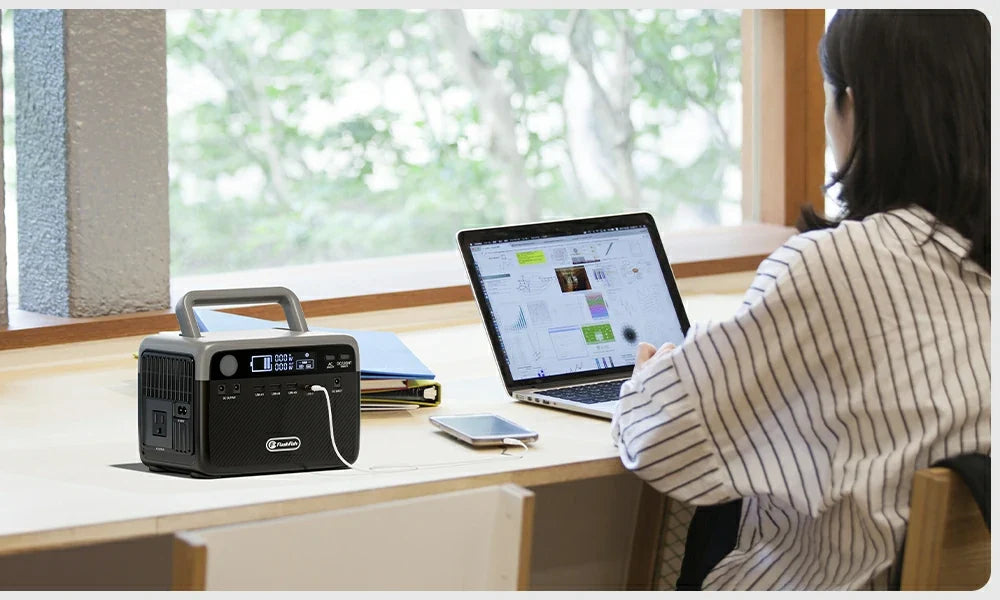
Choose a battery power station when the plan is centered on quiet, low-to-moderate, label-verified loads and you can recharge before or during the trip. It can be especially useful for phones, cameras, laptop charging, LED lighting, and other equipment whose total demand fits the station.
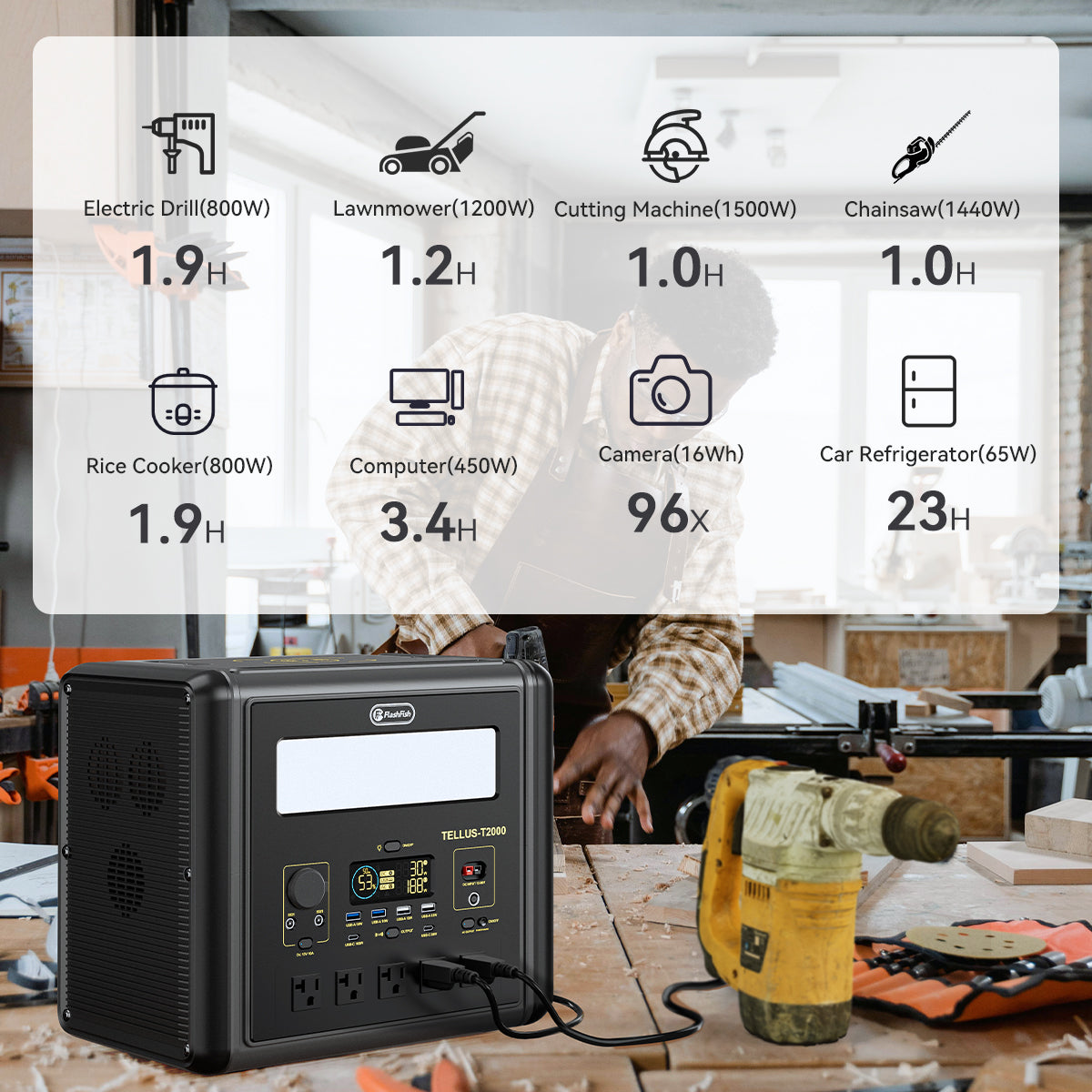
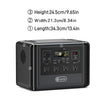
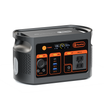
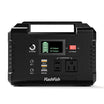
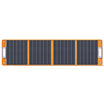
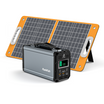
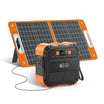
For a smaller campsite kit, the FlashFish T300Pro records 230Wh capacity, 300W continuous pure-sine AC output, two AC outlets, and USB-C output up to 100W. For a larger essential-load plan, the FlashFish T1200s records 768Wh capacity, 1,200W continuous pure-sine AC output, four AC outlets, and 400W maximum solar input. The FlashFish T2000 records 1,536Wh capacity, 2,000W continuous pure-sine AC output, four AC outlets, and 600W maximum solar input. These specifications do not establish that any particular appliance is compatible: compare the appliance label and startup behavior with the station documentation first.
When a gas generator may still be considered
A fuel generator may be considered for loads or durations that exceed a battery station's documented output or stored energy, but "more power" is not the only question. Confirm your reservation's current generator rules before departure. National Park Service campgrounds show why: generator windows, quiet hours, generator-free loops, and restrictions for tent-only areas vary by location.
Never use a portable generator in a tent, vehicle, cabin, garage, or other enclosed or partly enclosed space. The CDC warns that carbon monoxide is odorless and colorless, and says portable generators should operate outside, more than 20 feet from windows, doors, and vents. Follow the generator manufacturer's instructions and the campground's current rules.
Use this decision sequence before you pack
- Read the campground rules: confirm generator hours, generator-free sites, quiet hours, and any local restrictions for your specific dates and loop.
- List only the loads you need: record watts from each device label and identify any startup-sensitive appliance.
- Check output first: keep the combined load below the power station's continuous-output limit. Do not plan around a surge rating.
- Check energy second: use watt-hours and your expected use time to build a conservative plan; actual use, conversion losses, and temperature can change results.
- Choose the quietest safe fit: if stored battery power covers the plan, it avoids engine noise during use. If it does not, reconsider the load, charging plan, campsite, or generator setup before leaving.
Campground etiquette and safety boundaries
- Do not assume a generator is allowed because it is allowed at another campground.
- Keep battery stations dry, stable, and away from walkways and tent entrances.
- Do not use either option to power campsite wiring or equipment beyond its documented limits.
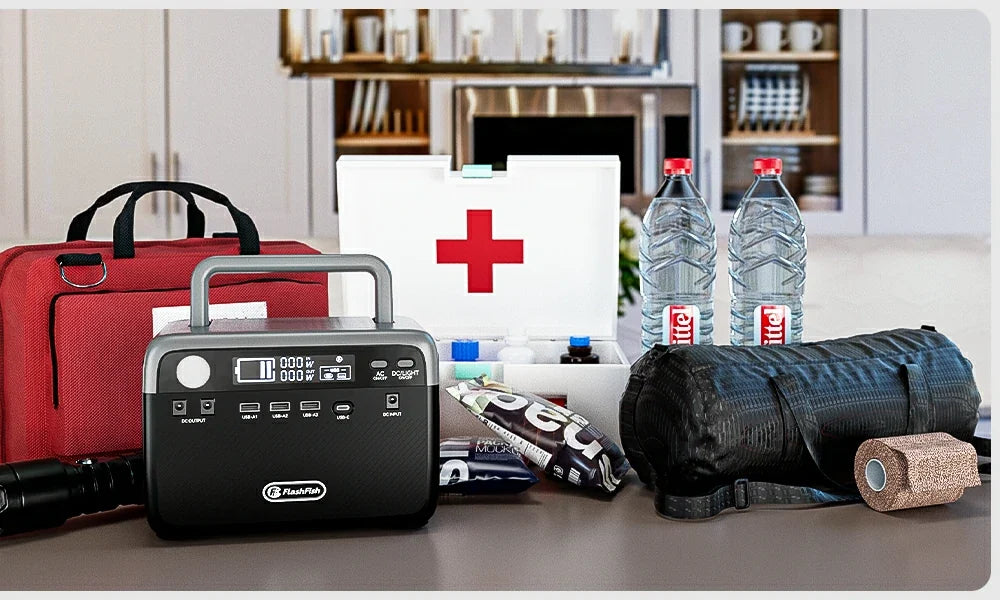
- For medical devices or other critical equipment, make an independent emergency plan with the device manufacturer and appropriate local resources; do not rely on a generic camping estimate.
Related campground power comparisons
Use these current FlashFish pages and guides to continue your comparison:
- Browse portable power stations for campground planning
- Compare portable power stations and gas generators
- Plan power around campground quiet hours
FAQ
Are battery power stations silent?
They do not use a fuel-burning engine while discharging, but fans or connected devices may make sound. Check the product manual and plan for the sound of your full setup.
Can I run a gas generator outside my tent?
Outside placement alone is not enough. Follow the manufacturer's instructions and campground rules, and keep a portable generator outdoors more than 20 feet from windows, doors, and vents as CDC guidance states. Never run it in a tent or other enclosed space.
Which FlashFish size should I bring?
Choose only after you check the combined device watts, the time you need, compatible outputs, and a recharging plan. T300Pro, T1200s, and T2000 have different continuous-output and capacity records, so a model name alone is not a sizing answer.

发表评论
此站点受 hCaptcha 保护,并且 hCaptcha 隐私政策和服务条款适用。