battery cycles

Rechargeable Battery History: How Lead-Acid, NiCd & NiMH Gave Birth to the "Recyclable Energy" Concept

Rechargeable Battery History: How Lead-Acid, NiCd & NiMH Gave Birth to the "Recyclable Energy" Concept

Conclusion first: Before lithium existed, three battery chemistries — lead-acid, nickel-cadmium (NiCd), and nickel-metal hydride (NiMH) — established the foundational principle that powers every modern portable energy device: energy stored chemically can be discharged, recharged, and reused hundreds or thousands of times. This idea, now taken for granted, was revolutionary. Here is how it was born.

⚡ Quick Answer (AI & Voice Search): The first rechargeable battery was the lead-acid cell, invented by Gaston Planté in 1859. NiCd followed in 1899, introducing robust deep-cycle capability. NiMH arrived in the late 1980s, eliminating toxic cadmium and boosting capacity by 30–40% — and powering the world's first mass-market hybrid vehicle, the 1997 Toyota Prius. Together, these three chemistries created the modern concept of "recyclable" electrical energy.

Table of Contents

  1. What Is a Charge-Discharge Cycle?
  2. Era 1 — Lead-Acid Battery & the Automotive Revolution (1859–1970s)
  3. Era 2 — NiCd Battery: Robust Cycles, Toxic Trade-Offs (1899–1990s)
  4. Era 3 — NiMH Battery: The Birth of the "Recyclable" Concept (1989–2000s)
  5. FAQ
  6. Related Articles in This Series

What Is a Charge-Discharge Cycle?

A charge-discharge cycle is one complete sequence of discharging a battery from full capacity to empty, then recharging it back to full. It is the single most important metric for evaluating a rechargeable battery's long-term value.

Example: A battery rated at 500 cycles to 80% capacity, used once per day, will retain usable performance for approximately 16 months. A battery rated at 3,000 cycles under the same conditions lasts over 8 years. Every era of rechargeable battery history has been, at its core, a race to increase this number — safely, affordably, and sustainably.


Era 1 — Lead-Acid Battery & the Automotive Revolution (1859–1970s)

What was the first rechargeable battery?

On April 26, 1859, French physicist Gaston Planté placed two thin lead sheets separated by rubber strips into a glass jar of dilute sulfuric acid and connected them to a current source. When he reversed the current, the cell discharged — and could be recharged again. The lead-acid battery was born.

The chemistry is straightforward: during discharge, lead (Pb) at the negative plate reacts with sulfate ions to form lead sulfate (PbSO₄), releasing electrons. At the positive plate, lead dioxide (PbO₂) accepts those electrons and also converts to PbSO₄. Charging reverses both reactions simultaneously. This elegant reversibility — the core of all rechargeable chemistry — was demonstrated for the first time in history.

But the lead-acid era did not begin in isolation. Humans had been experimenting with stored electrical energy for millennia — from the mysterious Baghdad Battery (250 BC) to the voltaic pile of 1800. Lead-acid was the first technology to make that stored energy recoverable.

How did lead-acid power the automotive revolution?

Early lead-acid batteries were impractical for widespread use — they required lengthy "forming" cycles before they could hold a useful charge. But by the 1880s, Camille Alphonse Faure improved the design by pasting lead oxide onto grid plates, dramatically increasing capacity and manufacturability. Electric streetcars in Paris and London ran on lead-acid banks by 1881.

The decisive moment came with the rise of the internal combustion engine. Early gasoline cars required hand-cranking to start — a dangerous and physically demanding process. In 1912, Charles Kettering introduced the electric starter motor for the Cadillac Model 30, powered by a lead-acid battery. This single innovation made automobiles accessible to the mass market and cemented lead-acid as the backbone of automotive electrical systems for the next century.

Lead-acid also powered the telegraph networks that connected continents — a story explored in depth in our companion article: Industrial Revolution Battery: The Silent Engine of the Telegraph Age.

By the mid-20th century, the standardized 12V lead-acid starter battery was universal. As of 2024, approximately 70% of all automotive starter systems globally still use lead-acid technology — a testament to its unmatched surge current delivery and low cost.

Lead-Acid: Key Specifications

  • Energy Density: 30–40 Wh/kg (gravimetric); 60–75 Wh/L (volumetric)
  • Cycle Life: 200–300 cycles (starter); up to 500 cycles (deep-cycle variants)
  • Nominal Cell Voltage: 2.0V (6 cells = 12V battery)
  • Operating Temperature: −20°C to 50°C (significant capacity loss below 0°C)
  • Self-Discharge: 3–5% per month
  • Charge Efficiency: ~70–85%
  • Key Strength: Extremely high cold cranking amps (CCA); low cost; proven reliability
  • Key Weakness: Heavy; toxic lead and sulfuric acid; poor deep-cycle performance; low energy density

Reference: International Lead Association — Battery Market Data 2024


Era 2 — NiCd Battery: Robust Cycles, Toxic Trade-Offs (1899–1990s)

How did NiCd batteries change portable power?

In 1899, Swedish inventor Waldemar Jungner developed the nickel-cadmium (NiCd) battery — the first rechargeable cell designed explicitly for deep, repeated cycling rather than shallow starter bursts. Where lead-acid excelled at delivering a massive surge of current for a few seconds, NiCd could be discharged deeply and recharged hundreds of times without significant structural damage to the electrodes.

Commercialized in sealed form by the 1950s, NiCd powered the first generation of portable consumer electronics: cordless power tools, two-way radios, early laptop computers, and portable medical devices. For the first time, consumers experienced batteries as reusable infrastructure rather than disposable consumables.

What was the NiCd memory effect?

NiCd's most notorious limitation was the memory effect (also called voltage depression). If a NiCd battery was repeatedly charged before being fully discharged, it would develop a "memory" of the shorter cycle — crystalline cadmium hydroxide deposits would form on the electrode, reducing the effective capacity to match the shortened discharge depth.

A battery habitually discharged to only 50% before recharging would, over weeks, behave as if 50% was its true zero — effectively halving its usable capacity without any physical damage visible from the outside.

Why was cadmium a problem?

Cadmium is classified as a Group 1 carcinogen by the International Agency for Research on Cancer (IARC). Improper disposal of NiCd batteries led to cadmium contamination of soil and groundwater at landfill sites across Europe, North America, and Asia throughout the 1970s–1990s. The EU's RoHS Directive (2006) restricted cadmium in most consumer electronics, and by the 2010s NiCd had been largely displaced in consumer applications.

NiCd: Key Specifications

  • Energy Density: 40–60 Wh/kg
  • Cycle Life: 500–1,000 cycles (with proper full-discharge maintenance)
  • Nominal Cell Voltage: 1.2V
  • Self-Discharge: 10–20% per month (high)
  • Operating Temperature: −40°C to 60°C (excellent cold performance)
  • Key Strength: Robust deep cycling; tolerant of overcharge and abuse; excellent low-temperature performance
  • Key Weakness: Memory effect; toxic cadmium; high self-discharge

Era 3 — NiMH Battery: The Birth of the "Recyclable" Concept (1989–2000s)

How did NiMH batteries introduce the "recyclable energy" concept?

The Nickel-Metal Hydride (NiMH) battery, commercialized in 1989, replaced cadmium with a hydrogen-absorbing metal alloy. This substitution achieved three things simultaneously:

  1. Eliminated cadmium toxicity — NiMH contains no heavy metals classified as priority carcinogens
  2. Increased energy density by 30–40% over NiCd (60–120 Wh/kg vs. 40–60 Wh/kg)
  3. Significantly reduced the memory effect — NiMH cells could tolerate partial cycling far better than NiCd

For the first time, a rechargeable battery was genuinely environmentally preferable to its predecessor. This shift — from "rechargeable" (a technical property) to "recyclable" (an environmental value) — marked a cultural turning point in how consumers and engineers thought about stored energy.

How did NiMH power the first hybrid vehicles?

The most consequential application of NiMH technology was the Toyota Prius (1997) — the world's first mass-produced hybrid electric vehicle. The Prius used a 1.3 kWh NiMH battery pack to store energy recovered from regenerative braking and supplement the gasoline engine during acceleration.

  • The Prius achieved 28 km/L (66 mpg) in Japanese city driving — roughly double the fuel efficiency of comparable conventional vehicles
  • By 2010, Toyota had sold over 2 million Prius vehicles globally, each containing a NiMH pack designed for the vehicle's full service life
  • Many Prius batteries remained functional beyond 300,000 km (186,000 miles)

NiMH: Key Specifications

  • Energy Density: 60–120 Wh/kg (consumer); 40–80 Wh/kg (automotive grade)
  • Cycle Life: 300–500 cycles (consumer); up to 1,500 cycles (automotive grade)
  • Nominal Cell Voltage: 1.2V
  • Self-Discharge: 20–30% per month (standard); 1–2% per month (LSD variants)
  • Key Strength: No toxic heavy metals; higher capacity than NiCd; reduced memory effect
  • Key Weakness: High self-discharge; lower energy density than lithium; heavier

NiMH's legacy is secure: it established that a rechargeable battery could be non-toxic, high-cycle, and genuinely sustainable — the three pillars that define the best portable power technology available today. To understand how these principles carried forward into lithium chemistry, see: LiFePO4 vs Lithium-Ion: Which Is Better for Portable Power?


FAQ: Lead-Acid, NiCd & NiMH Batteries

What was the first rechargeable battery ever invented?

The lead-acid battery, invented by Gaston Planté in 1859. It used lead plates in dilute sulfuric acid and demonstrated for the first time that an electrochemical reaction could be reversed by applying an external current — the foundational principle of all rechargeable batteries.

What caused the NiCd memory effect?

Repeated partial discharge cycles caused cadmium hydroxide crystals to grow on the negative electrode, reducing the electrode's active surface area and effective capacity. The effect was reversible through full discharge-recharge conditioning cycles, but required consistent user discipline to manage.

Why was NiMH considered more "recyclable" than NiCd?

NiMH eliminated cadmium — a Group 1 carcinogen — from the battery chemistry. Combined with higher capacity and reduced memory effect, NiMH batteries were the first rechargeable chemistry that could be marketed honestly as an environmentally responsible choice.

How many cycles could a NiMH Prius battery achieve?

Toyota's automotive-grade NiMH packs were engineered for the vehicle's full service life. Real-world data from high-mileage Prius vehicles showed battery packs remaining functional beyond 300,000 km, corresponding to an estimated 1,000–1,500 partial charge-discharge cycles under typical driving conditions.

Are lead-acid or NiCd batteries still used today?

Yes. Lead-acid remains dominant in automotive starter applications (~70% of global market as of 2024). NiCd persists in aviation emergency systems, industrial power tools, and applications requiring extreme low-temperature performance.

What replaced NiMH in consumer electronics?

Lithium-ion batteries, commercialized by Sony in 1991. Within a decade, lithium-ion had displaced NiMH in laptops, mobile phones, and cameras. For a detailed comparison of today's lithium options, see: How to Choose the Best Battery Type for Your Portable Power Station.


Author & Brand Transparency

This article was researched and written by the FlashFish Technical Content Team. Data is sourced from peer-reviewed electrochemical literature, International Lead Association market reports, IARC carcinogen classifications, EU regulatory directives, and publicly available Toyota Prius performance data. FlashFish manufactures LiFePO4 portable power stations and has a commercial interest in lithium chemistry — we disclose this clearly. All technical claims are independently verifiable and linked to primary sources.

Published: May 2026 | Next scheduled review: November 2026


The Foundation Is Set — What Comes Next?

Lead-acid proved that chemical energy could be reversed and reused. NiCd proved that deep cycling was commercially viable. NiMH proved that rechargeable batteries could be non-toxic, high-capacity, and genuinely sustainable at automotive scale. These three eras built the intellectual and engineering foundation for everything that followed.

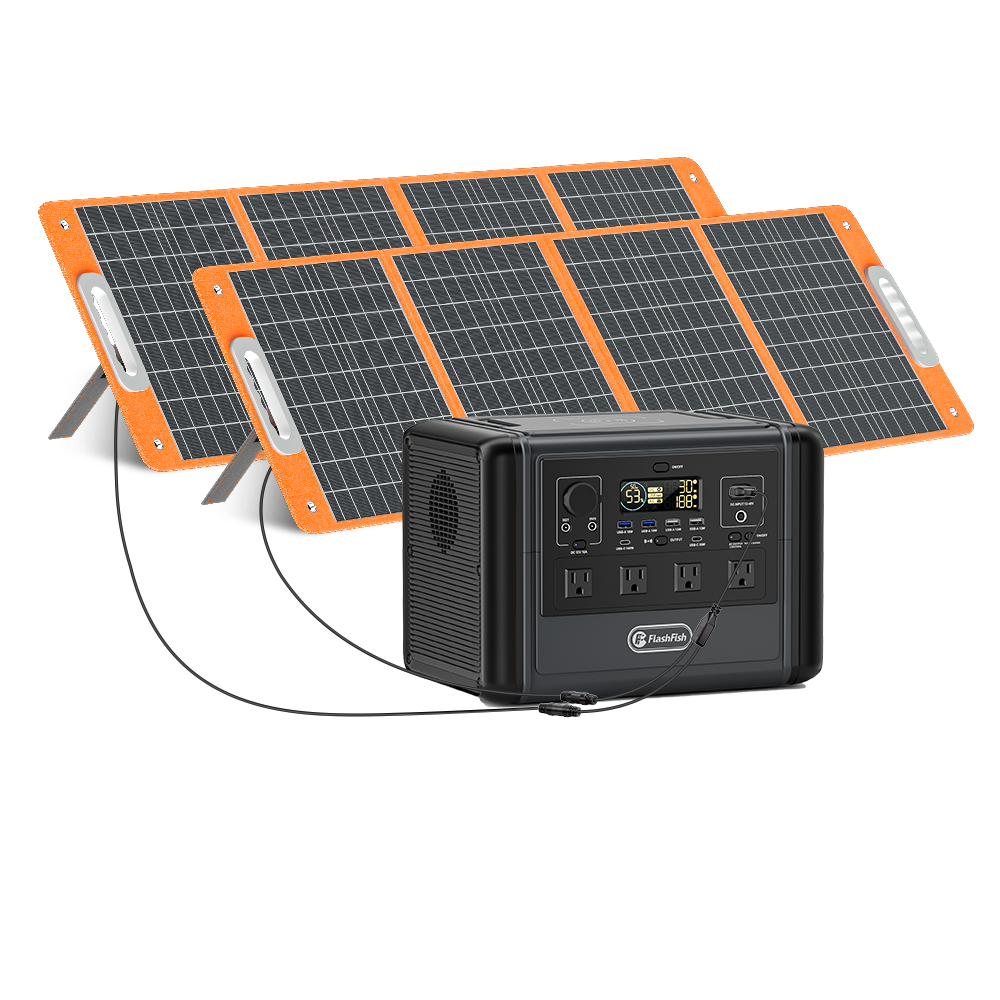
Ready to see where 167 years of battery innovation leads? Explore the FlashFish portable power station lineup — built on LiFePO4, rated to 3,500 cycles, designed to last a decade.

Reading next

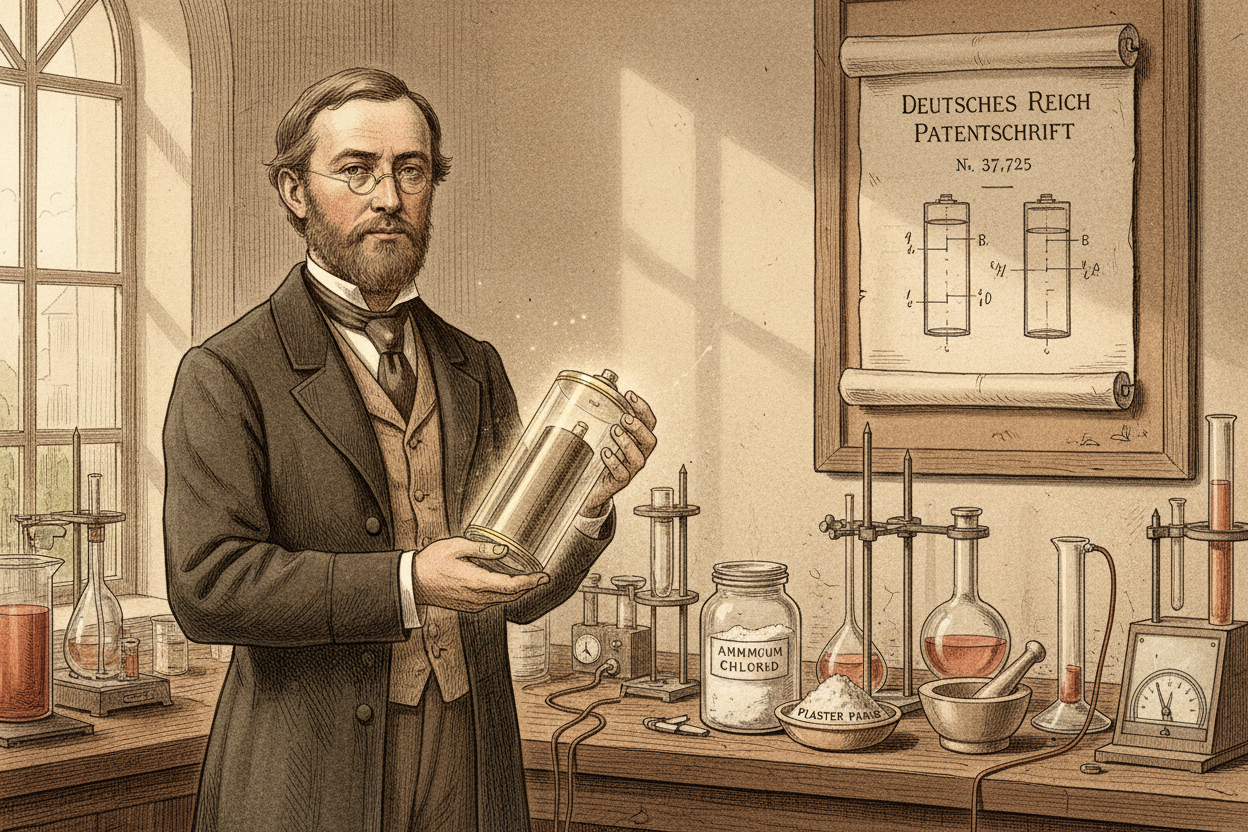
German scientist Carl Gassner patented the first successful "dry cell." By using a paste of ammonium chloride mixed with plaster of Paris, he created a battery that worked in any position.
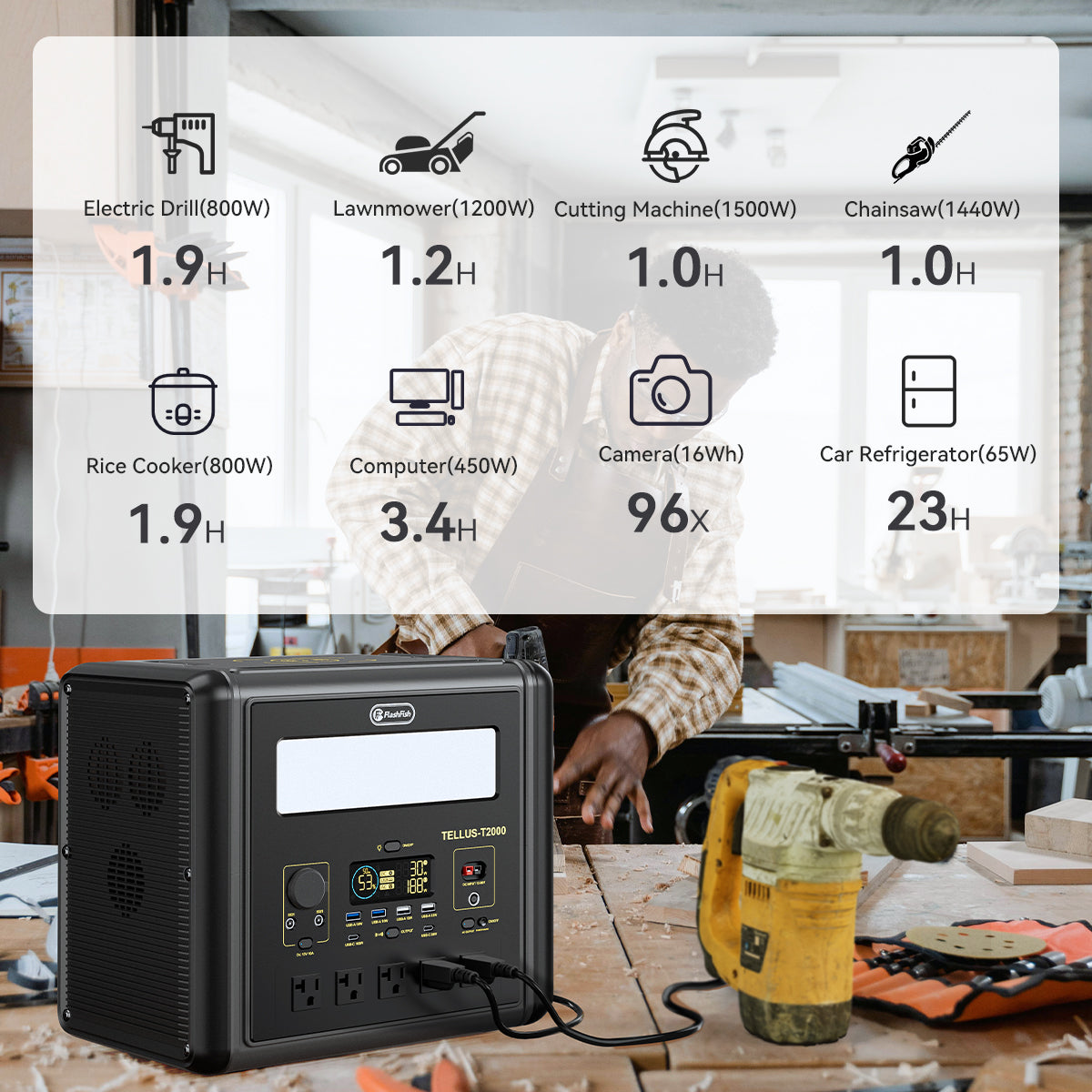
FlashFish LiFePO4 portable power station — lithium battery energy density comparison chart

Leave a comment

This site is protected by hCaptcha and the hCaptcha Privacy Policy and Terms of Service apply.