

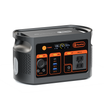
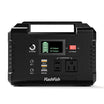

Direct answer: Separate the FlashFish E200 and A201 by the connections your recorder, phone, and charging accessories actually require, then compare the documented output labels, capacity, and carrying constraints. Neither model name alone proves compatibility with a recorder, headphones, adapter, or cable.
Use a label-first comparison
A compact recording kit can include a recorder, a phone, a USB cable, an adapter, headphones, and possibly a small light. Each part may have a different input requirement. Start with the manuals and labels for the exact equipment you own. Note whether it charges through USB-C, USB-A, DC, or an AC adapter; then check the specific power-station version and manual before connecting it.
This approach is especially important outdoors. A portable station is not a substitute for confirming local rules, weather conditions, cable protection, or the documented operating requirements of recording gear.
What the manual-backed records show
| Documented point | FlashFish E200 | FlashFish A201 |
|---|---|---|
| Capacity | 151Wh | 172.8Wh |
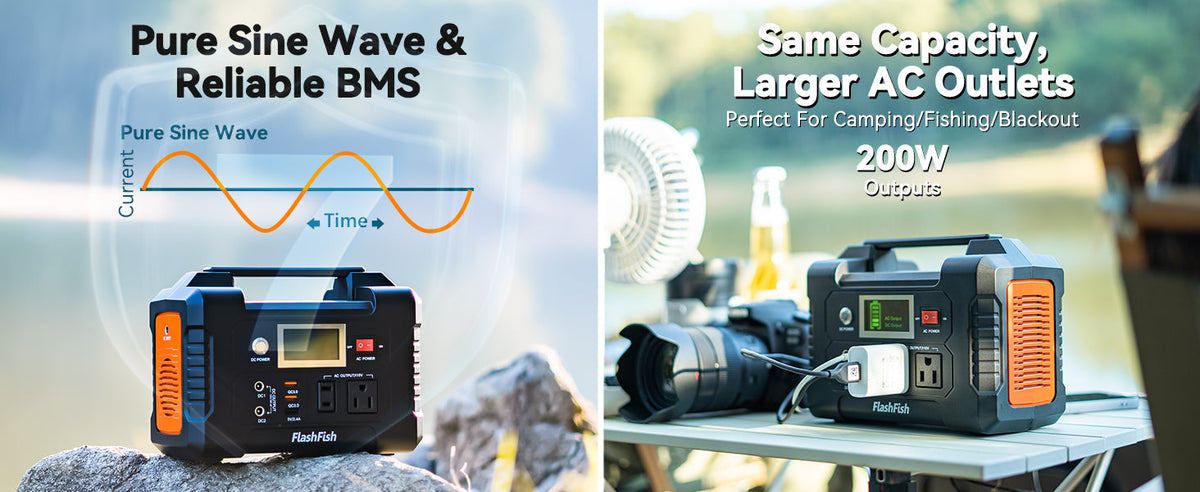
| AC output | 200W rated, 400W peak; modified sine wave | 200W rated, 400W peak |
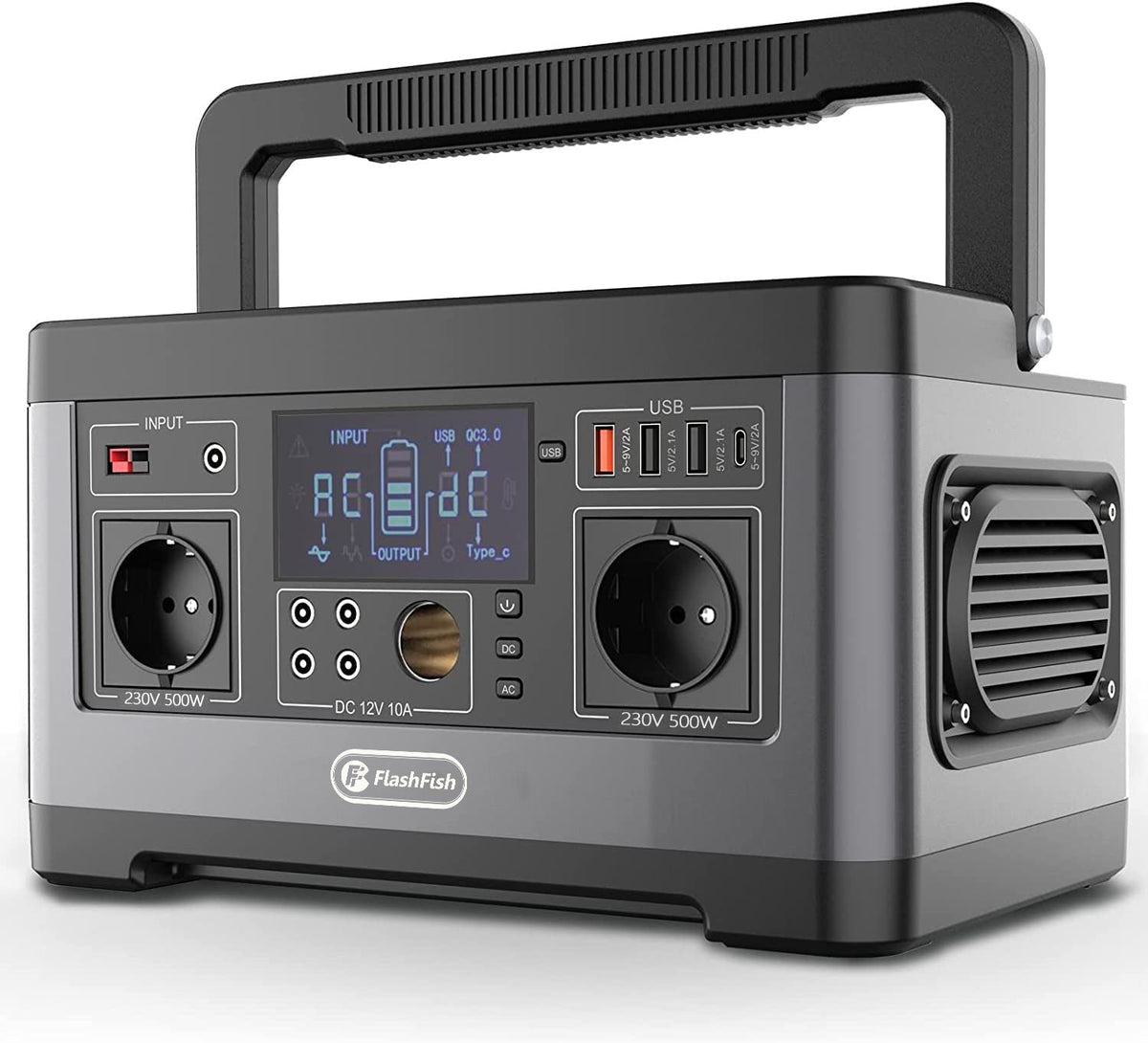
| USB outputs | Two USB-A QC 3.0 outputs up to 18W each and one USB-A output up to 12W | One USB-C PD output up to 18W and two USB-A outputs up to 18W each |
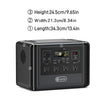
| Weight record | About 1.85kg net | 1.7kg |
The E200 manual covers U.S./Brazil/Japan 110V and other regional AC variants; the A201 record is derived from a 230V EU manual. Confirm the actual market version, socket, voltage, and product documentation before relying on an AC connection. The A201 record does not establish a U.S. configuration.
How the port difference can guide your checklist
The A201 record includes a USB-C PD port rated up to 18W, alongside two USB-A outputs up to 18W each. That may be relevant if an item’s own documentation calls for USB-C power within that rating. The E200 record instead lists USB-A outputs: two QC 3.0 ports up to 18W and one 5V/2.4A port up to 12W. Treat these as port facts, not as a compatibility verdict for any recorder or phone.
If a device relies on an AC adapter, do not assume that the adapter will behave the same way on either station. Check the adapter label, outlet specification, waveform requirements where applicable, and both manuals. The E200’s modified-sine AC output is a meaningful distinction to verify against the device maker’s documentation.
Compare the kit, not just the station
- Write down each device’s connector and labeled input requirement.
- Identify the one device that cannot use a direct USB connection.
- Compare that requirement with the documented station version and its manual.
- Choose cables that match the device documentation; do not treat a connector shape as proof.
- Pack the station so its controls and ventilation guidance remain accessible.
Capacity figures help distinguish the models, but they are not a runtime forecast. Runtime changes with the exact equipment, settings, charging behavior, cables, and conditions. Make the choice from verified requirements rather than an estimated number of recording hours.
Carrying and session planning
The records list the E200 at about 1.85kg net and the A201 at 1.7kg. For a small field kit, that difference may matter alongside the camera bag, recorder case, and spare cables. Pack one tested configuration, label the cables, and schedule a short check before leaving the recording location. If conditions or site rules make a portable power setup unsuitable, use a different plan.
FAQ
Which model is better for a USB-C recorder?
The A201 record lists a USB-C PD output up to 18W; the E200 record lists USB-A outputs. Check the recorder’s exact charging requirements and the market-specific station manual before deciding.
Can either station power every audio device in a field kit?
No general claim is safe. Verify each device, adapter, cable, and station limit individually, including combined use.
Does the larger capacity number tell me recording time?
No. Capacity alone does not determine runtime for a particular kit. Use the device and station documentation to plan conservatively.
When comparing current model information, keep the decision simple: select the station whose verified regional configuration and documented ports fit your labeled equipment, then test that exact kit before the session.
Next step: Compare FlashFish E200 specifications with your requirements.

Commenta
Questo sito è protetto da hCaptcha e applica le Norme sulla privacy e i Termini di servizio di hCaptcha.