


LiFePO4 Portable Power Stations: Why LFP Matters for Backup
Short answer: LiFePO4, also called lithium iron phosphate or LFP, is popular in portable power stations because it can support practical backup use with a stable battery chemistry and long service-life positioning. It is not magic, and it still needs proper charging, storage, ventilation, and load matching.
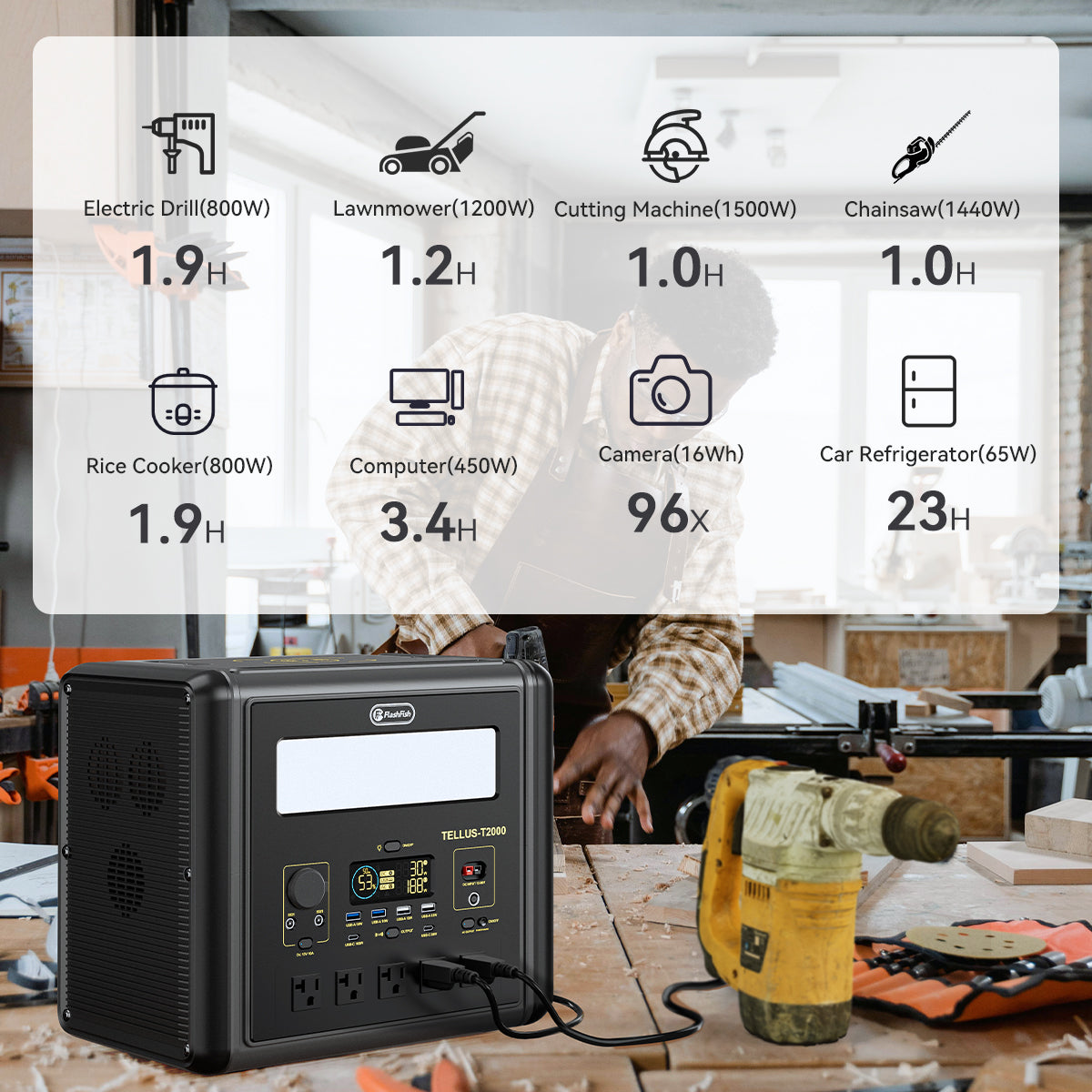
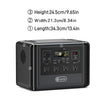
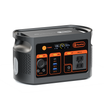
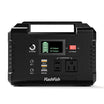
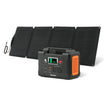
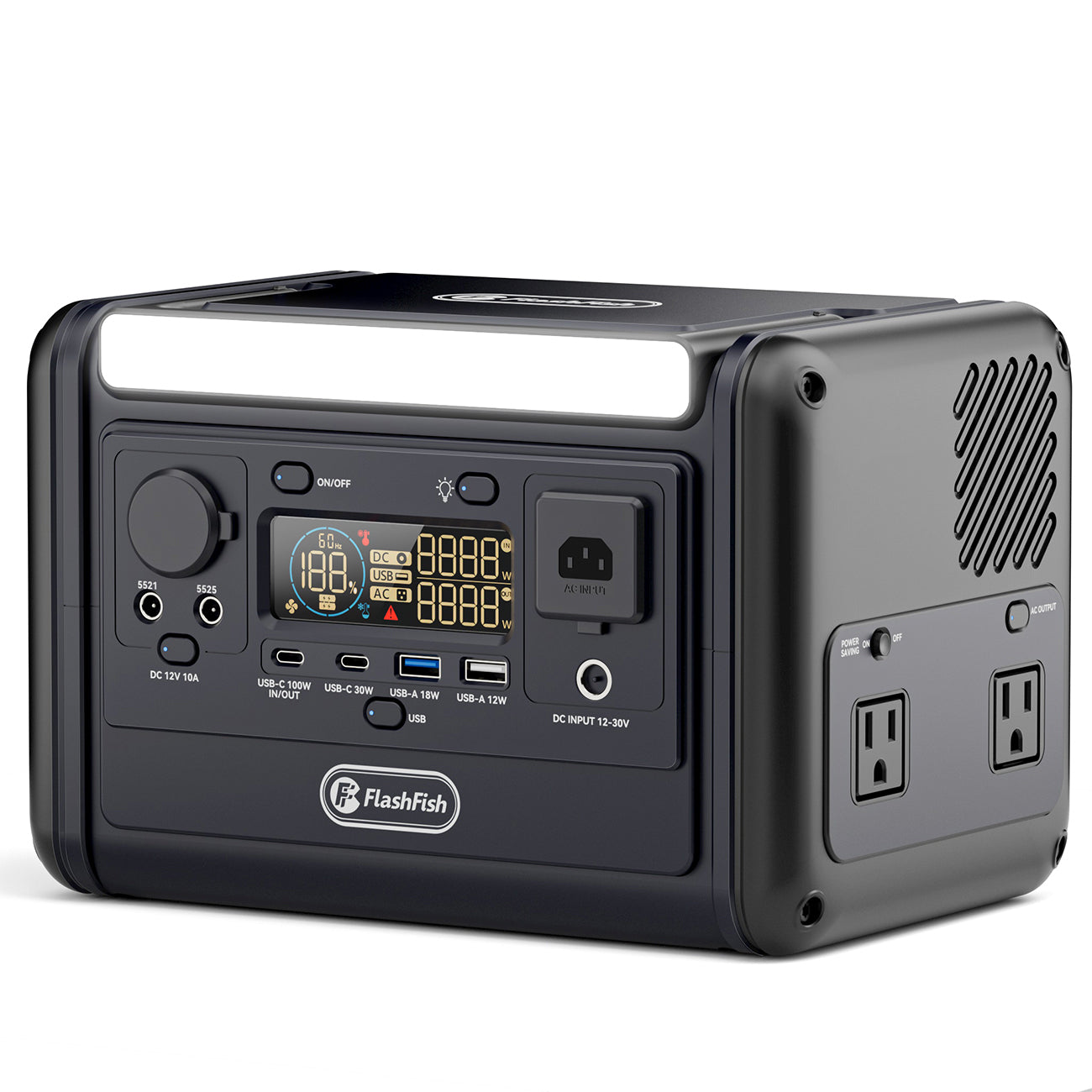
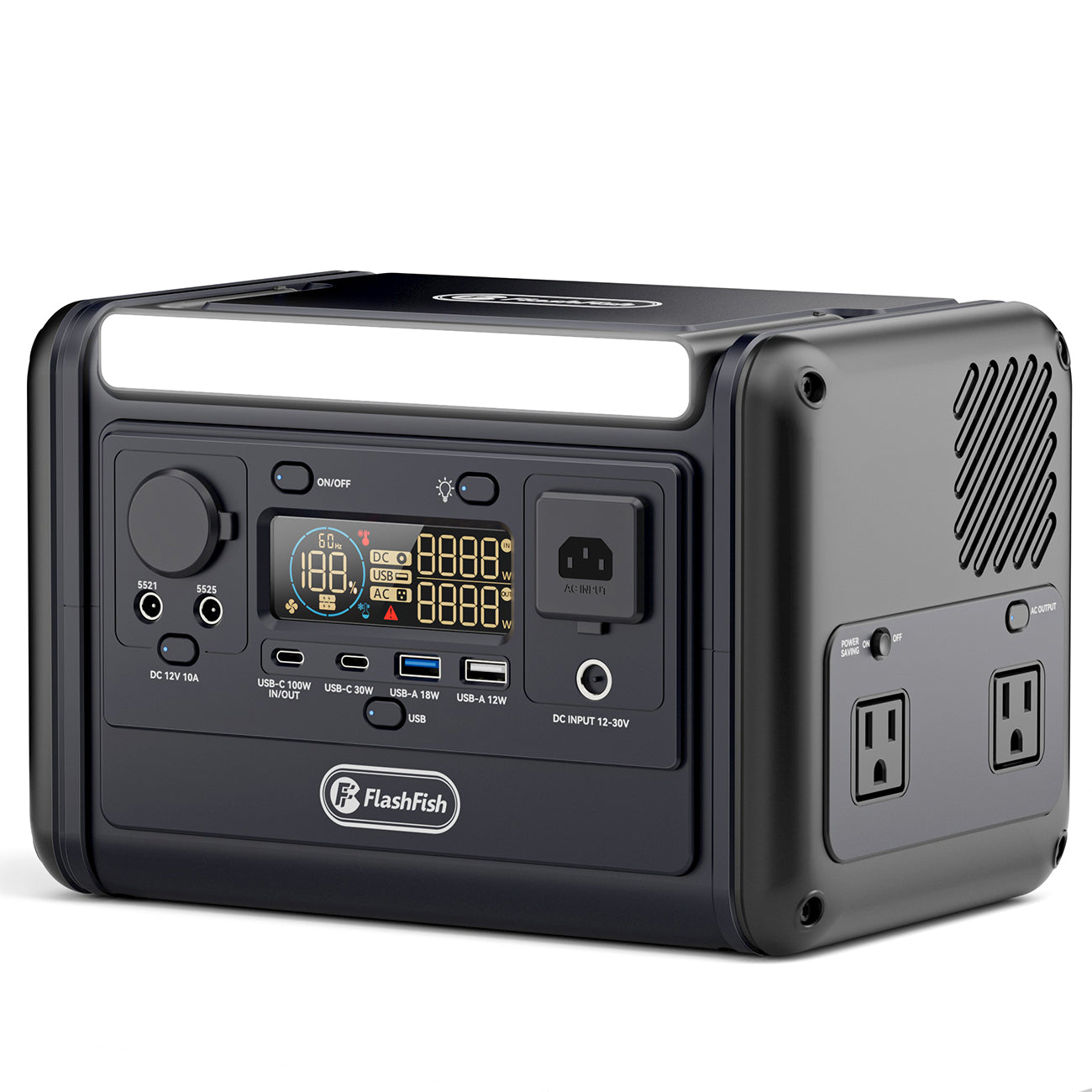
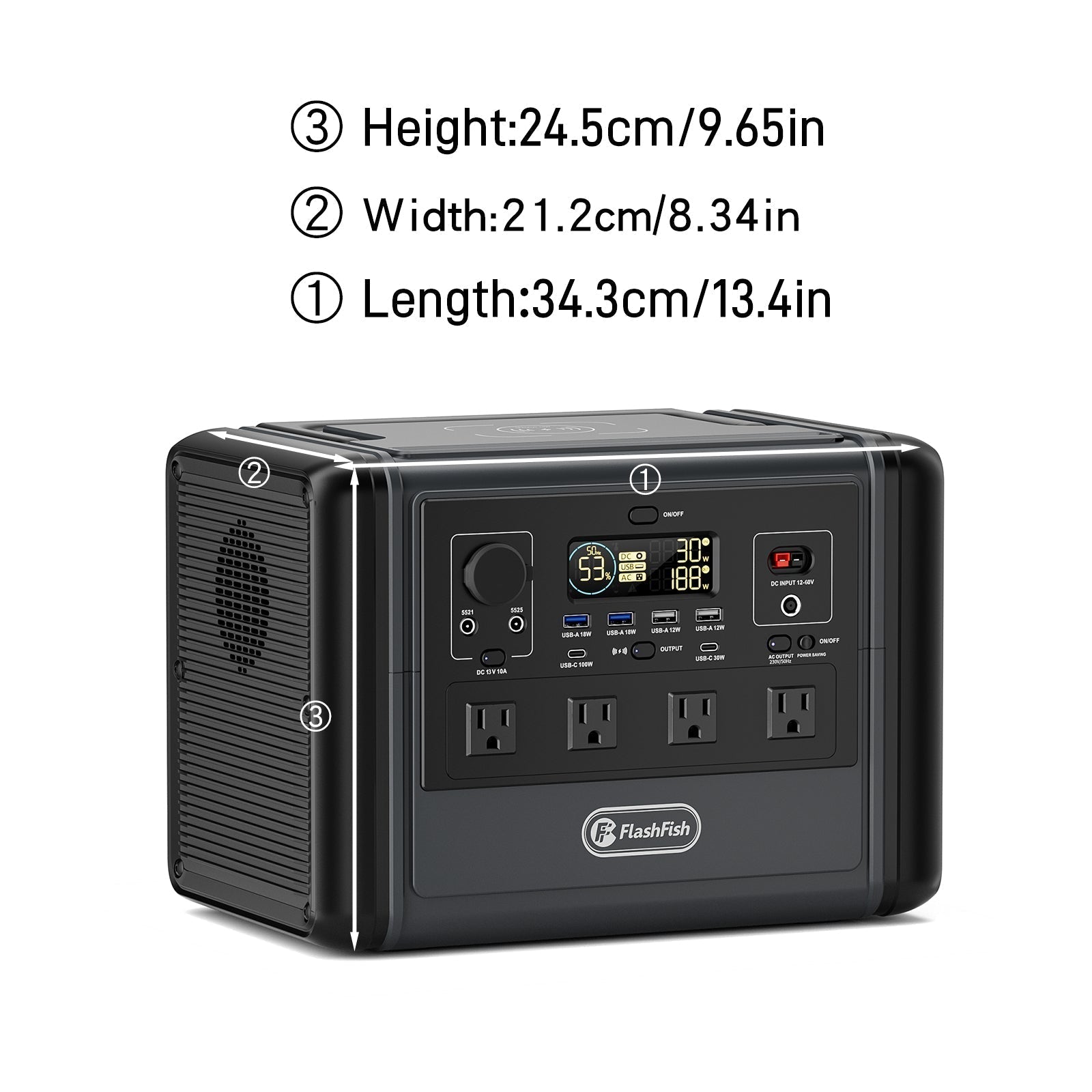
When shoppers compare portable power stations, they often focus on output watts and battery capacity. Those matter, but battery chemistry matters too. FlashFish U.S. live product data shows several active LFP models today, including the FlashFish E103, FlashFish T200, FlashFish T300PRO, FlashFish T1200S, and FlashFish T2000.
What LiFePO4 means
LiFePO4 stands for lithium iron phosphate. It is one type of lithium-ion battery chemistry. Public battery education sources such as Battery University describe LFP as a chemistry known for safety and cycle-life advantages, while noting tradeoffs such as lower energy density than some other lithium chemistries. For buyers, that means an LFP portable power station is often attractive when reliability, repeated use, and backup planning matter more than making the smallest possible pack.
Why LFP fits portable power stations
| Buyer concern | Why LFP helps | What to still check |
|---|---|---|
| Repeated use | LFP is commonly positioned for many charge cycles | Brand-specific cycle rating, warranty, and manual |
| Backup readiness | Good fit for stored household and camping energy | Charge level, storage temperature, and periodic checks |
| Output planning | Often used in larger power station models | AC output, surge limits, and watt-hour capacity |
| Portability | Stable chemistry for practical everyday use | LFP units may be heavier than smaller non-LFP packs |
Capacity still matters more than chemistry alone
Do not buy only because a model says LFP. A 179.2Wh LFP unit and a 1536Wh LFP unit are built for very different jobs. Chemistry helps explain the battery family; capacity and output explain what you can run.
- Compact backup: FlashFish E103 and T300PRO fit phone, light, laptop, and small-device planning.
- Everyday camping and short outage use: FlashFish T1200S gives a larger battery base while staying more portable than the biggest units.
- Larger backup and RV planning: FlashFish T2000 gives more watt-hour headroom for longer sessions and multi-device planning.
How to compare LFP models
Use this sequence instead of starting with the largest number on the page:
- List devices: phones, lights, fans, router, laptop, camera gear, cooler accessories.
- Estimate watts and hours: multiply device wattage by planned hours.
- Add a buffer: real runtime is lower because of inverter and environmental losses.
- Check output limits: a battery can have enough watt-hours but still be wrong for a high-surge device.
- Match charging plan: wall charging, car charging, and compatible solar panels each suit different routines.
Storage and care basics
For any lithium battery product, follow the product manual first. General good practice includes storing the unit in a dry place, avoiding heat extremes, keeping vents clear during use, and checking charge before storm season or camping season. If you are planning emergency backup, charge the unit before the forecasted event instead of assuming it is ready in a closet.
LFP vs smaller ultra-portable choices
Some small power stations are attractive because they are light and easy to pack. LFP models may be heavier at a similar size because chemistry and capacity choices affect weight. That tradeoff can be worth it for repeated backup use, but the best model depends on the job. A compact non-heavy unit can be excellent for phones and lights. A larger LFP unit can be better when you want deeper outage, RV, or solar generator planning.
FlashFish LFP product paths
| Need | FlashFish direction | Reason |
|---|---|---|
| Small LFP starter | E103 or T200 | Compact device charging and light backup |
| Portable camping and work backup | T300PRO or T1200S | More output and watt-hour flexibility |
| Larger home/RV backup planning | T2000 | Higher capacity for longer sessions and more devices |
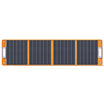
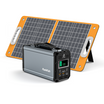
| Solar pairing | TSP60/TSP100 compatible kits | Daytime recharge planning when sun conditions allow |
FAQ
Is LiFePO4 always better?
No. LFP is often a strong fit for backup and repeated use, but weight, price, capacity, output, charging speed, and product design still matter.
Does LFP mean the power station can run any appliance?
No. Chemistry does not override wattage, surge, outlet, or safety limits. Always check the device wattage and the power station manual.
Which FlashFish LFP model is best for outages?
For small essentials, E103 or T300PRO may be enough. For more headroom, compare T1200S and T2000. Choose by devices, hours, and recharge plan, not just the biggest name.
Human review checklist
- Verify LFP product links remain active and available.
- Confirm no cycle-life, warranty, or safety claim exceeds official product documentation.
- Preview table formatting in Shopify mobile view.
- Check image and alt text.

コメントを書く
このサイトはhCaptchaによって保護されており、hCaptchaプライバシーポリシーおよび利用規約が適用されます。