


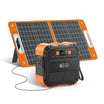

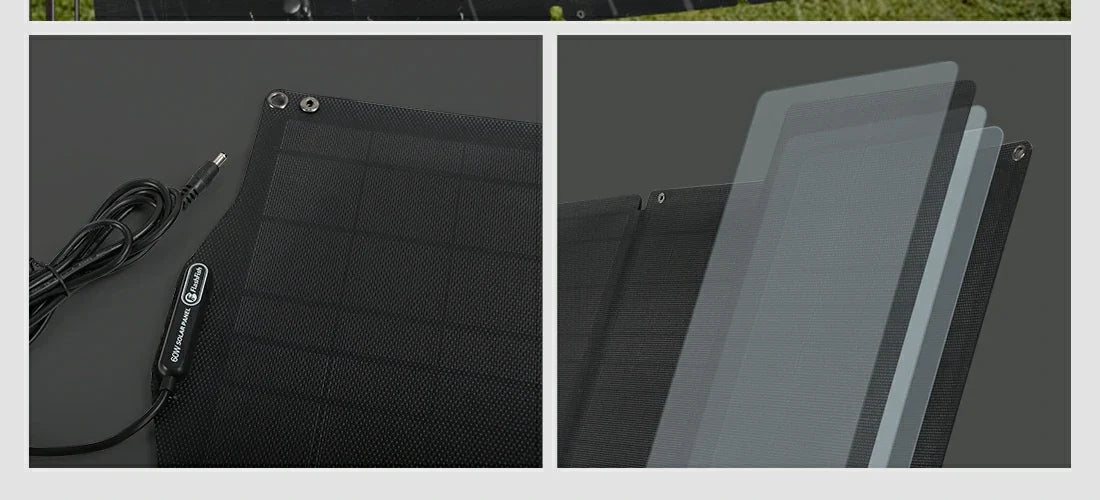
What Should You Check on a Portable Solar Panel Connector Label?
Before connecting a portable solar panel, read the panel label, the station’s input label, and both manuals. Confirm the exact model, connector designation, voltage and current information, and any...
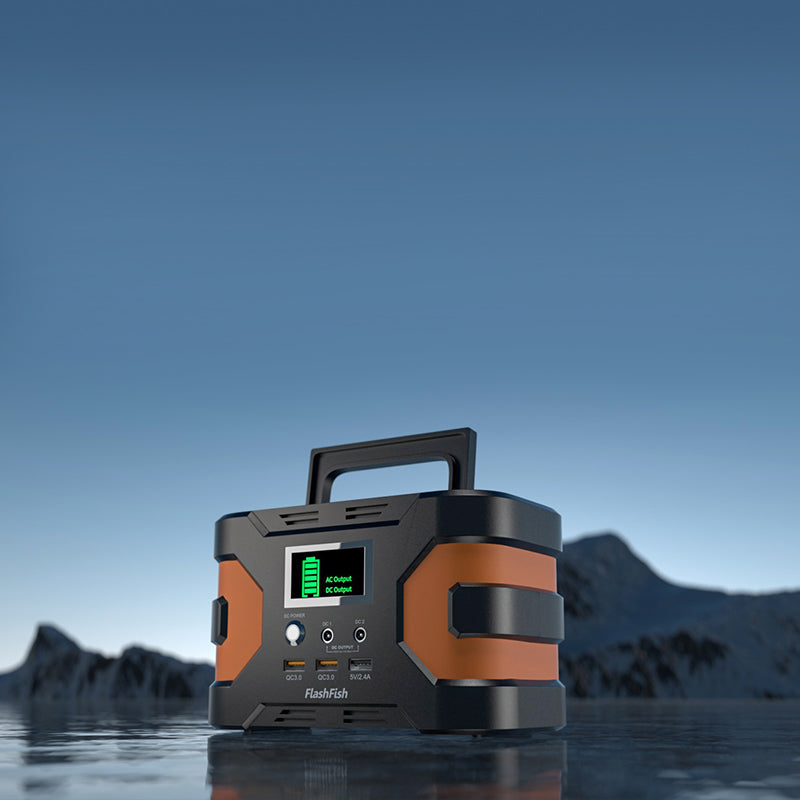
Can a Portable Power Station Run a Small Document Scanner?
Short answer: A portable power station may be considered for a small document scanner only after the scanner’s adapter label, startup requirements, cable, and manual have been checked against the e...
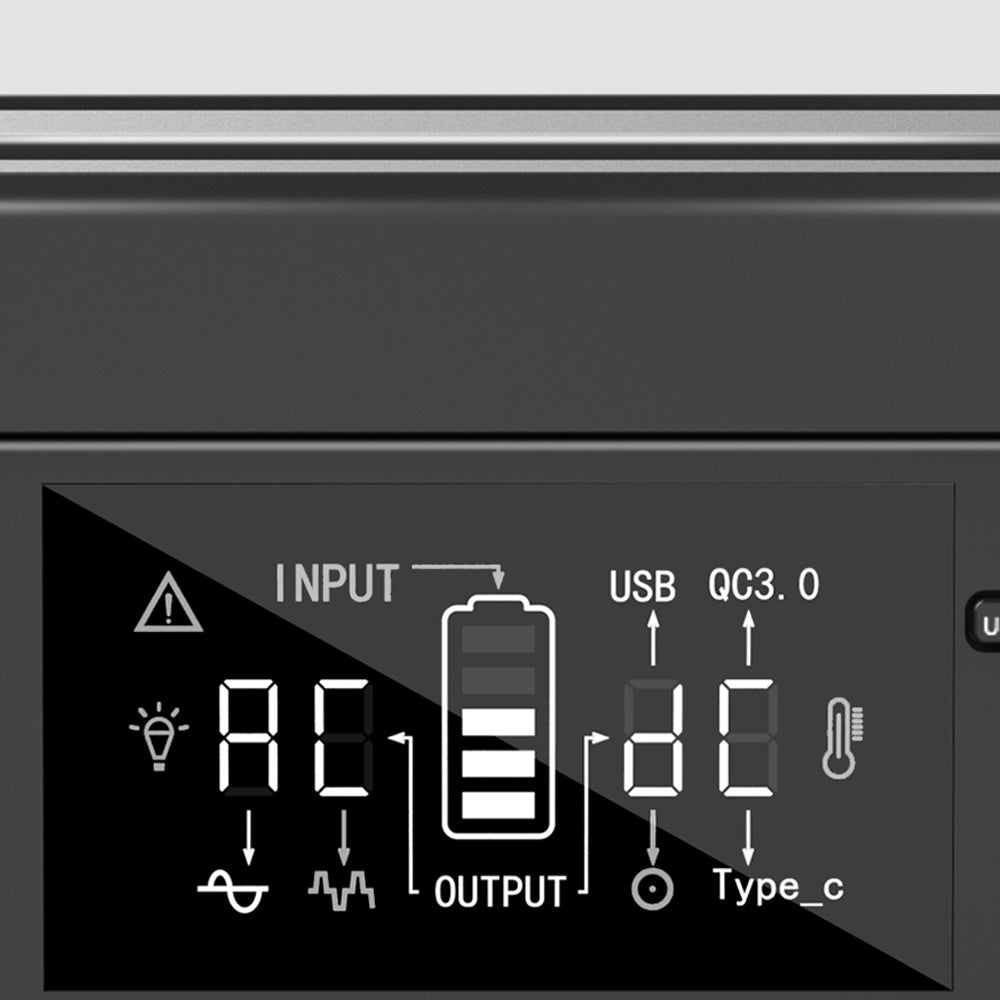
How Should You Read a Portable Power Station Remaining-Time Estimate?
Direct answer: Treat a remaining-time estimate as a changing planning input, not a promise. Read it alongside the current connected load, the device labels, and the station’s manual; when the load ...
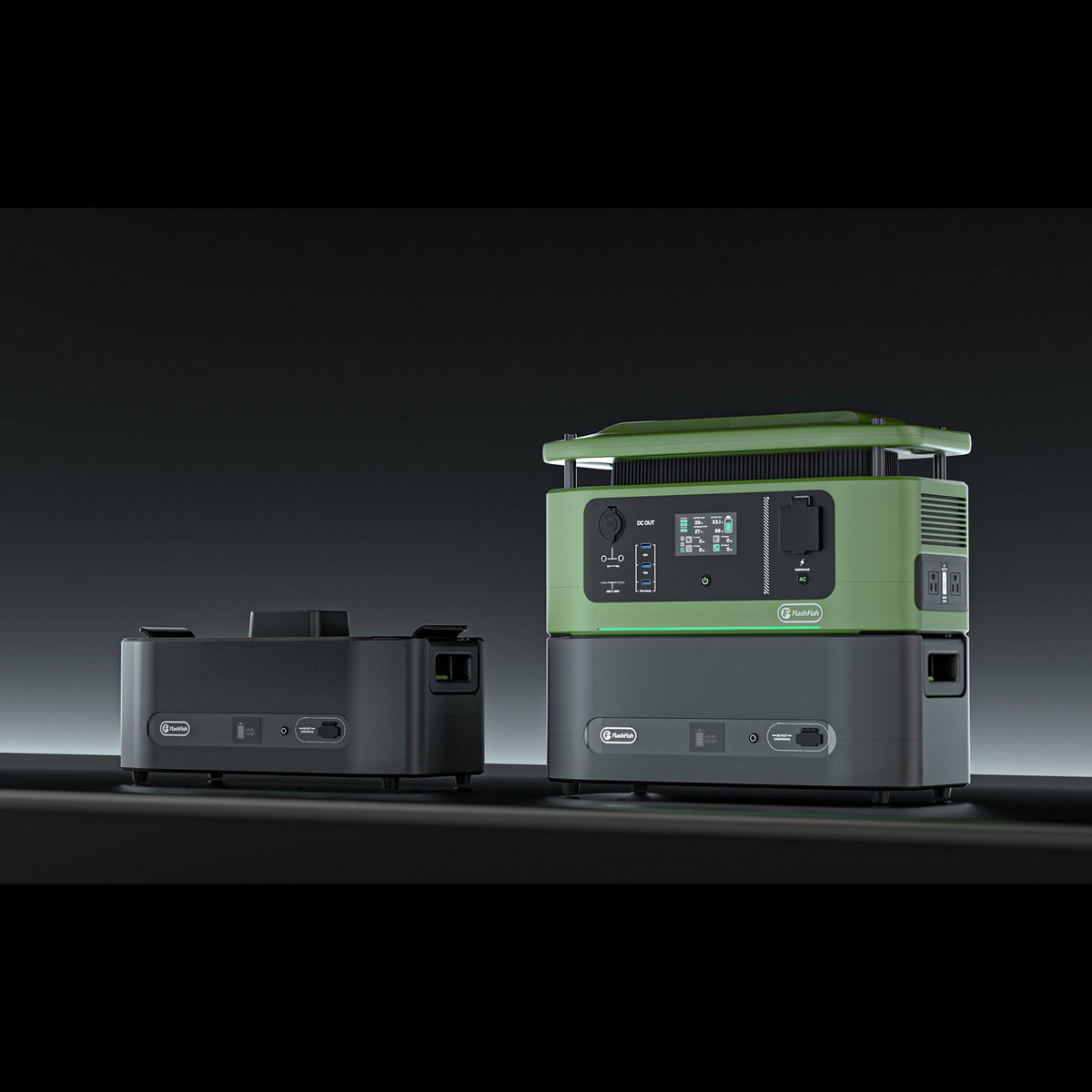
What Do Rated Power and Surge Power Mean on a Portable Power Station?
Short answer: rated power, also called continuous output, is the load a portable power station is designed to support continuously under its documented conditions. Surge or peak power is a higher, ...
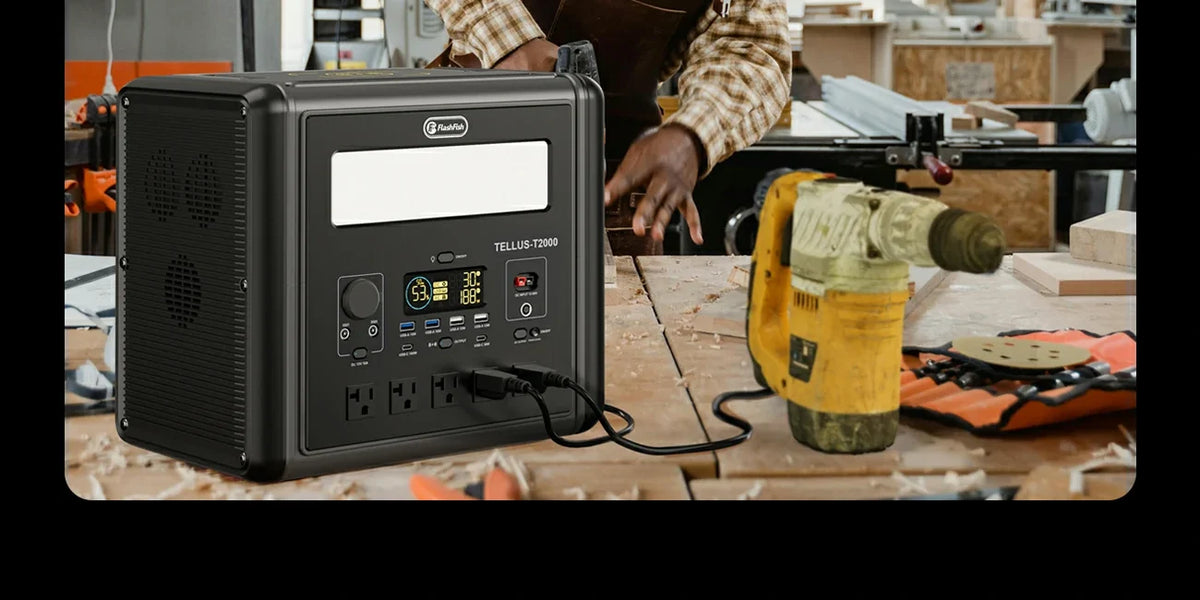
Can a Portable Power Station Charge a Phone and Tablet at the Same Time?
Short answer: A phone and tablet can be part of the same charging setup only after you verify the two device labels, their original cables or adapters, and the exact station outputs. Do not assume ...
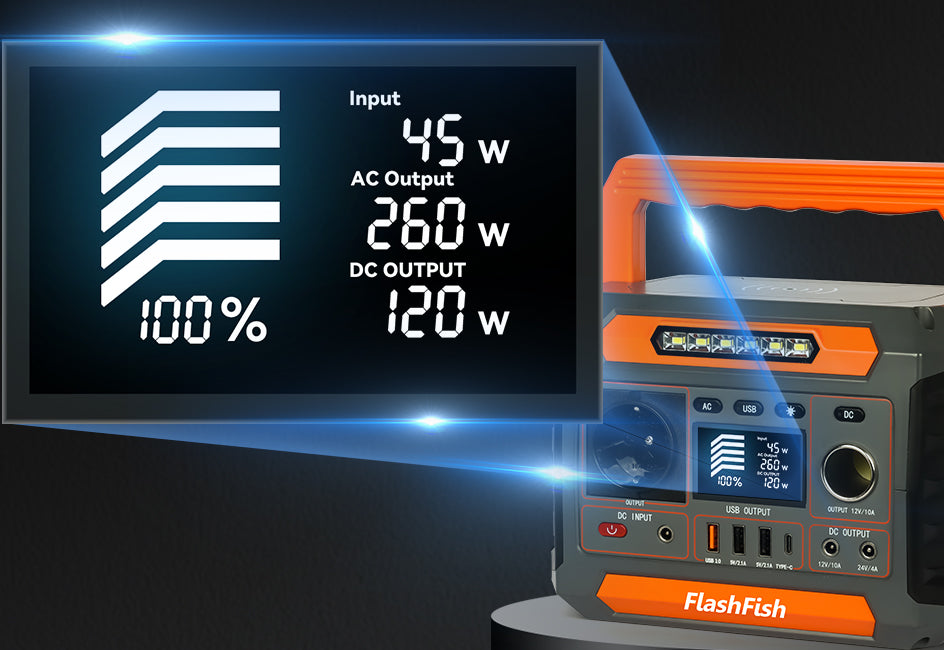
How Do You Match a Device Power Brick to a Portable Power Station?
Match a device power brick to a portable power station by reading both labels, selecting the documented connector path, and stopping when any value or connector is uncertain. The power brick tells ...
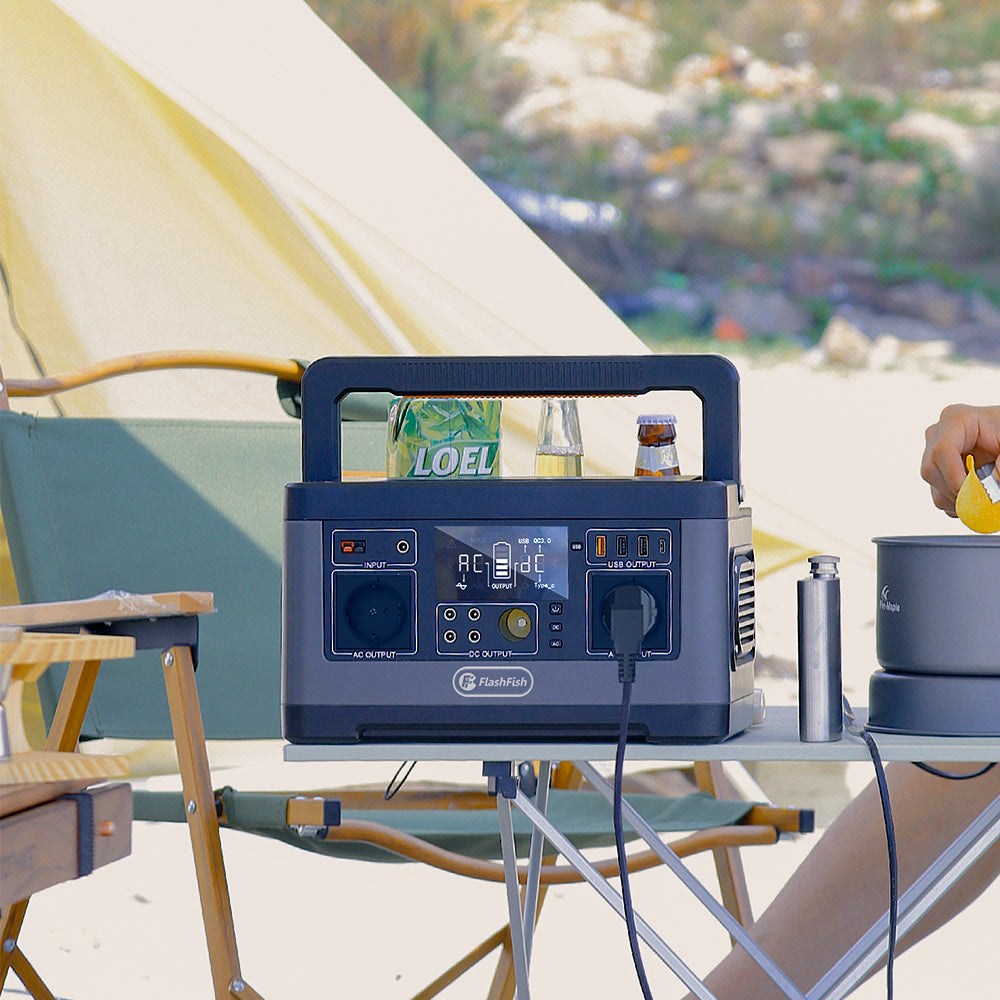
Can a Portable Power Station Recharge a Two-Way Radio? Check the Label First
Use a documentation-first framework to evaluate whether a two-way radio's approved charging path can be compared with a portable power station output.
Can a Portable Power Station Recharge a Handheld GPS? Check the Label First
Compare a GPS manual, supplied cable or adapter, and station output record before drawing a device-specific charging conclusion.
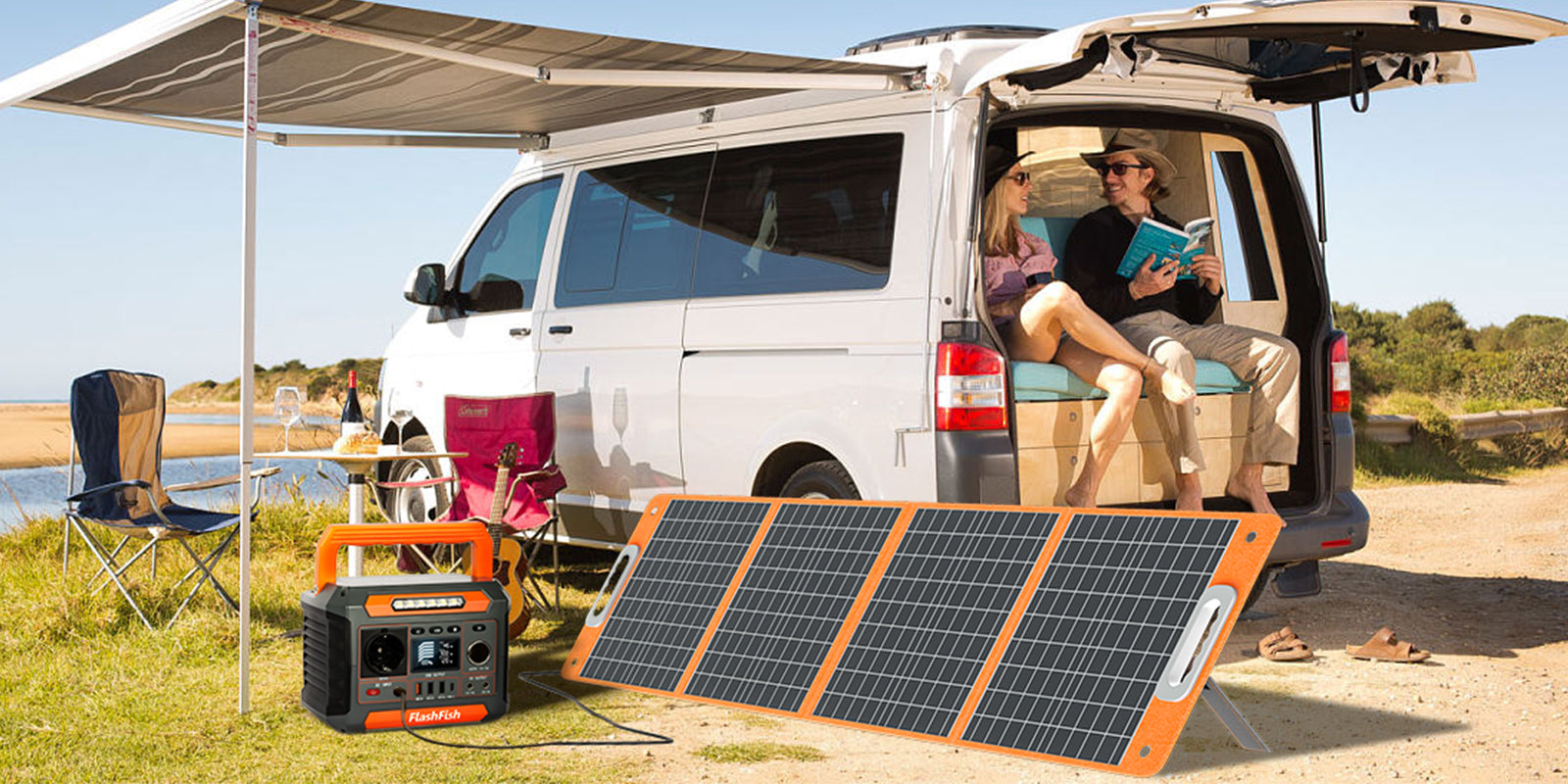
Solar Top-Up for Camp Lighting: TSP60 or TSP100?
How to choose between FlashFish TSP60 and TSP100 solar panels when the goal is keeping camp lights and small devices topped up.
Can a Portable Power Station Recharge a Camping Headlamp? Compare the Label First
Compare a camping headlamp label, supplied charging path, manufacturer instructions, and station output record before reaching a recharge conclusion.
Can a Portable Power Station Run a Coffee Maker? Check the Rating Label First
Check a coffee maker's rating label, instructions, power path, simultaneous loads, and documented station limits before reaching a portable-power conclusion.
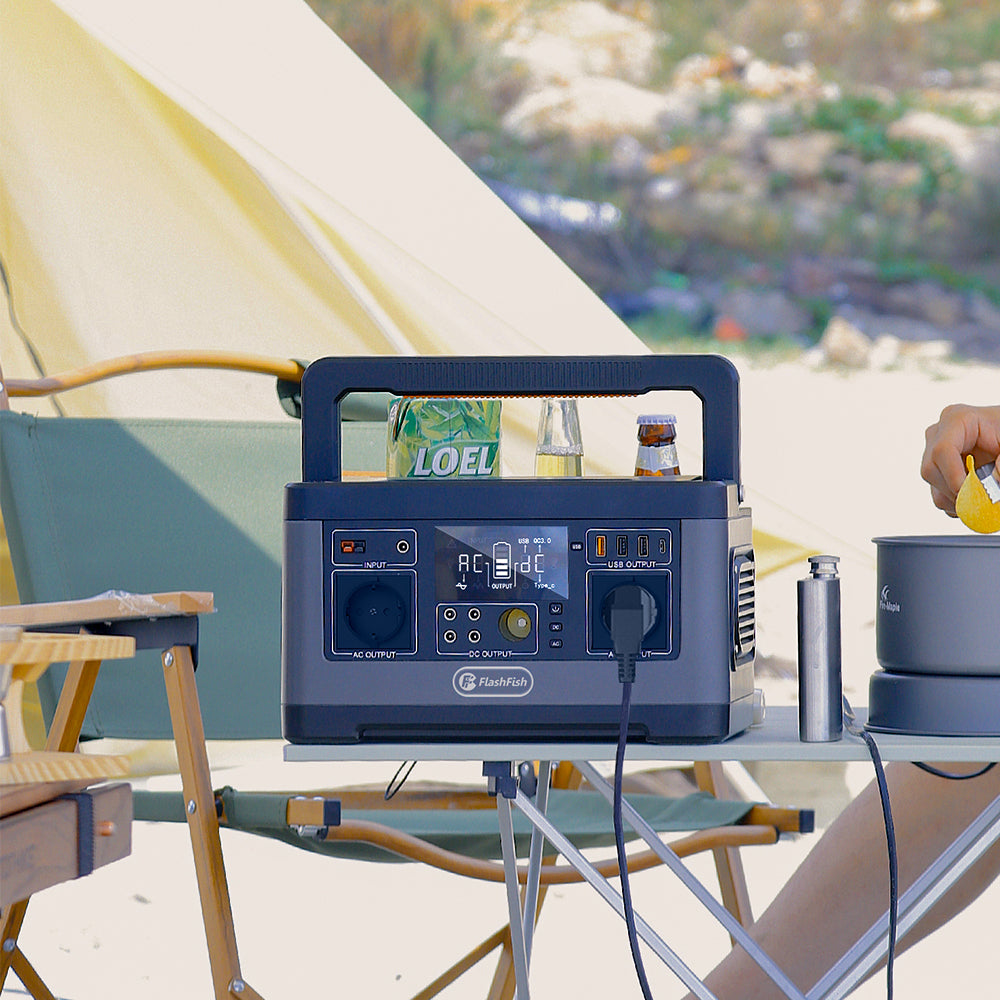
Can a Portable Power Station Run an Air-Mattress Pump? Compare the Pump Label First
Compare the pump label, supplied power path, manufacturer instructions, and station output record before reaching an air-mattress-pump conclusion.

How to Read Projector and Speaker Load Labels Before Choosing a Portable Power Station
Record each projector and speaker label before comparing the complete setup with documented portable power station limits.
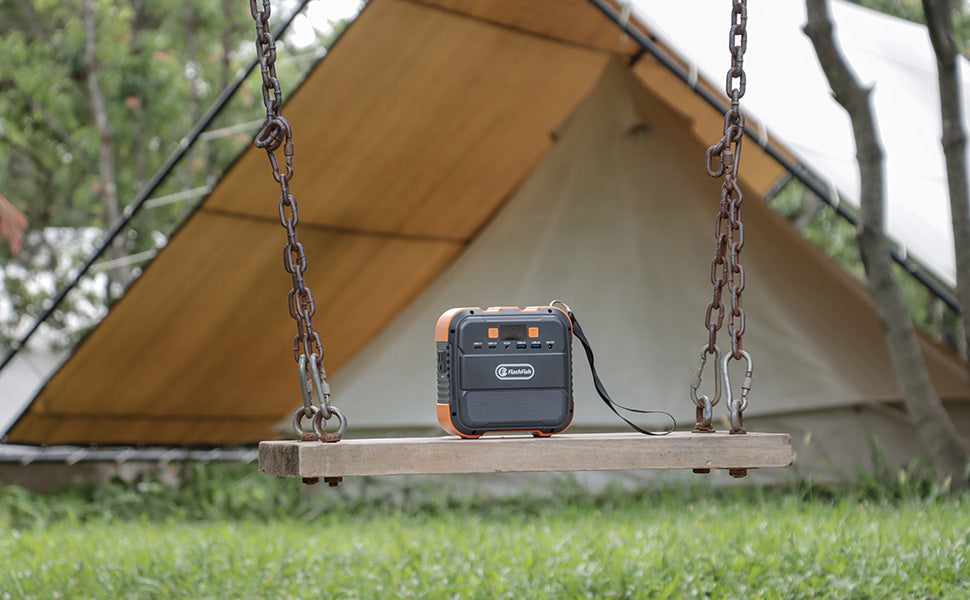
FlashFish A101 + TSP60 Solar Generator Kit: First-Use Planning
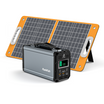
Use separate station, panel, and device checks when planning a first use of the FlashFish A101 + TSP60 solar generator kit.
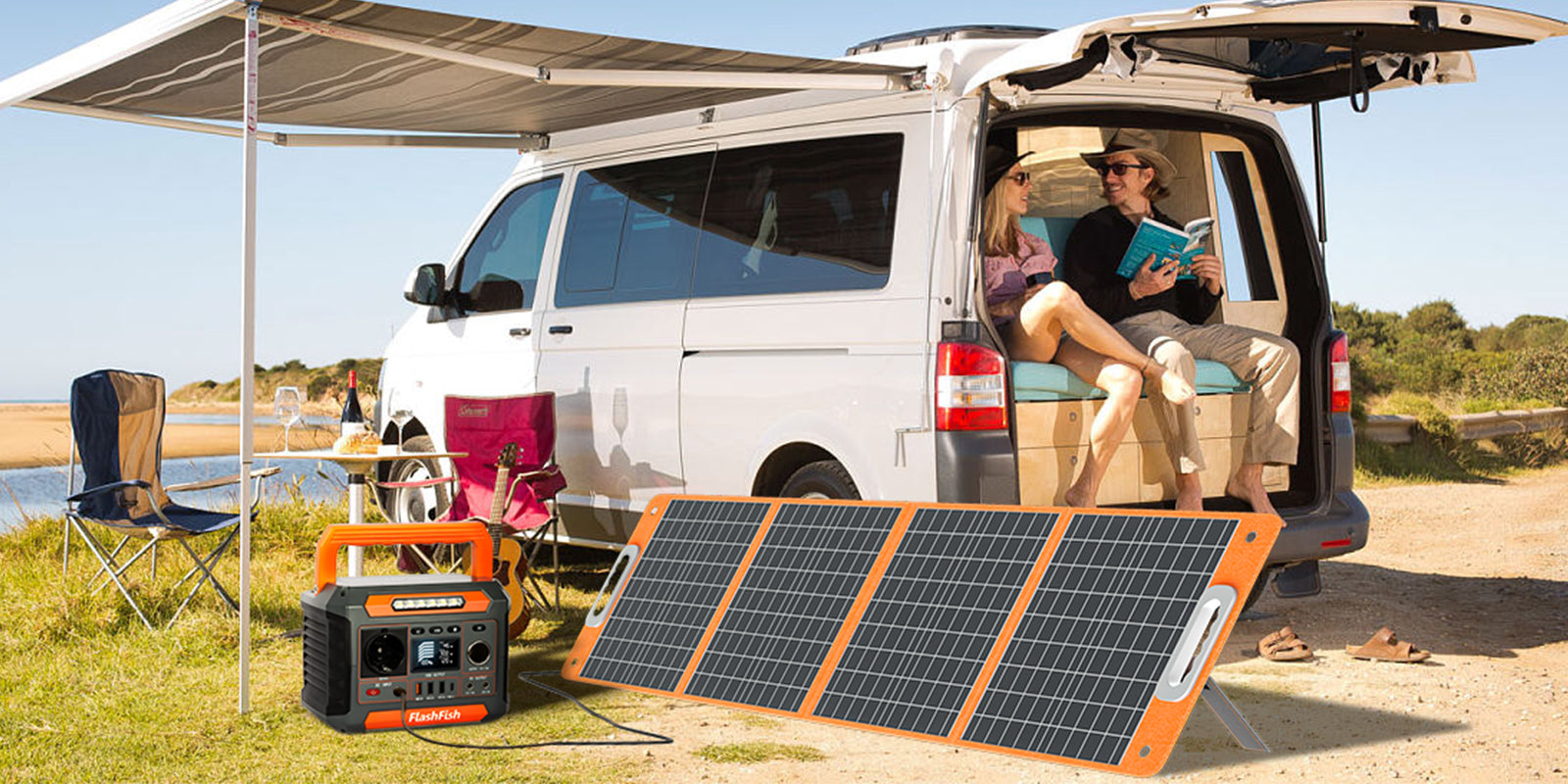
FlashFish TSP100: When to Use DC Output or USB-C
Use separate checks for TSP100 DC-to-station and direct USB-C device paths before connecting a solar panel.
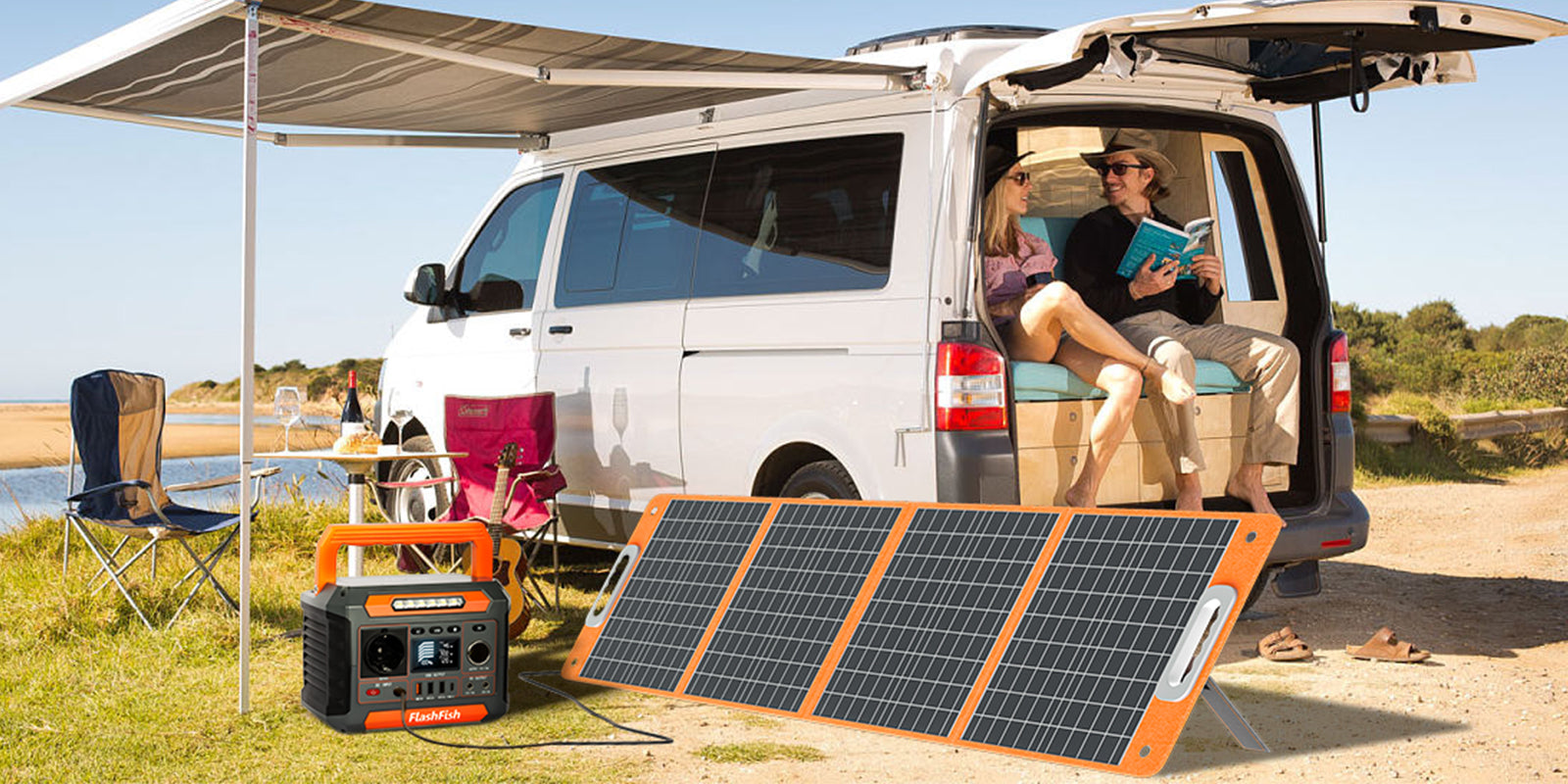
Can You Charge a USB-C Device Directly From a FlashFish TSP100 Solar Panel?
Check the TSP100 USB-C output, your device input, cable, and sunlight conditions before using a direct solar charging path.
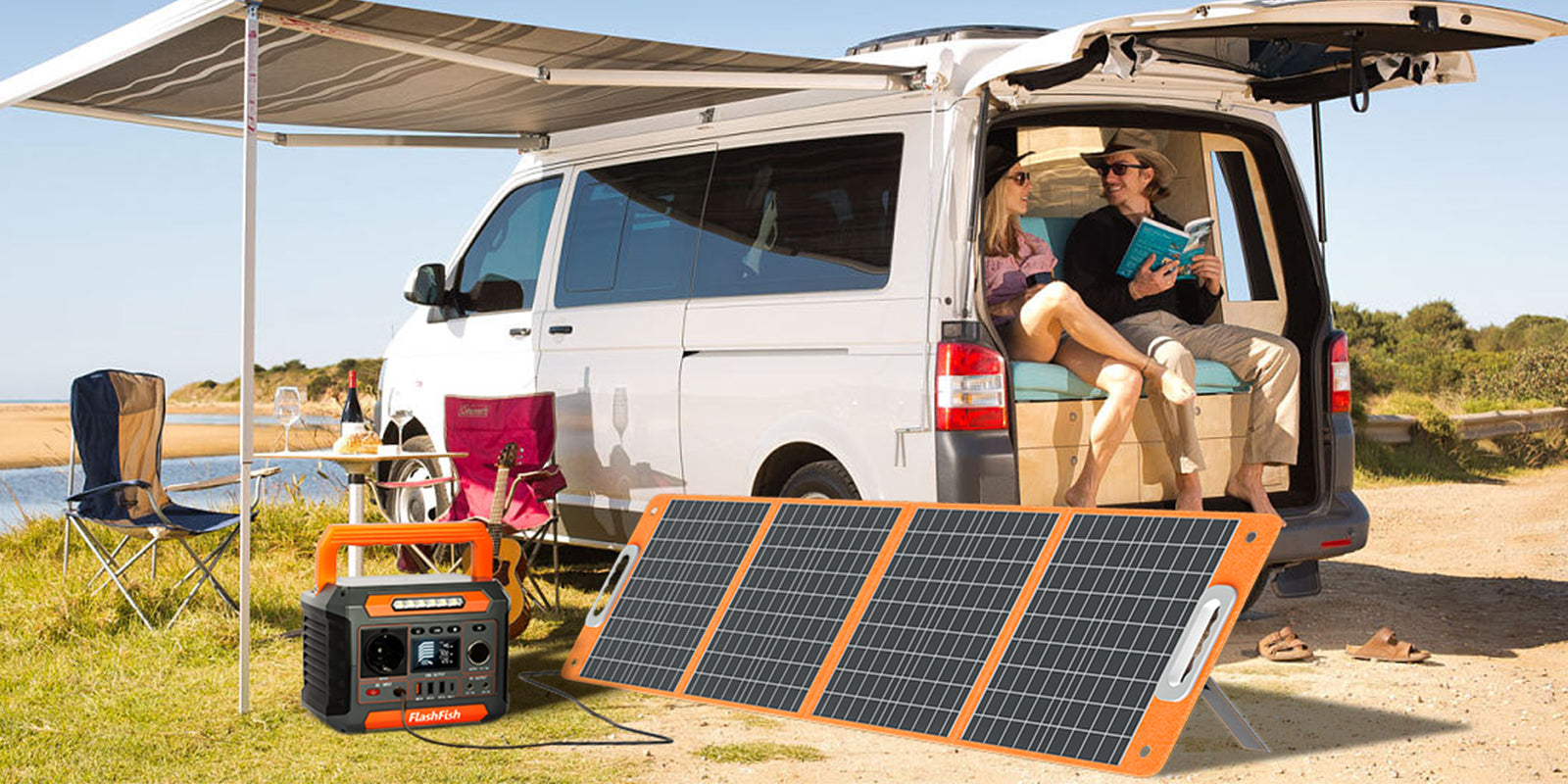
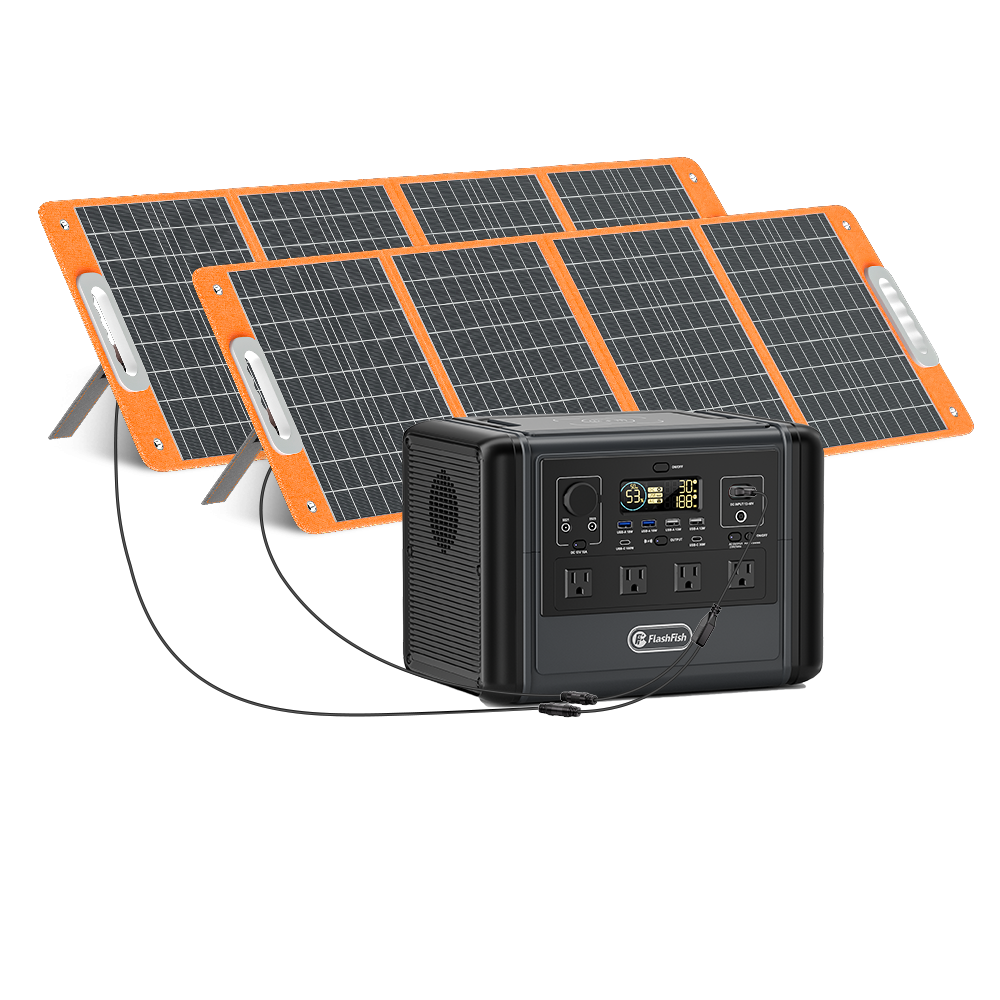
How to Match TSP100 Solar Panel to FlashFish T300PRO
Use this input-first checklist to match FlashFish T300PRO with TSP100 for small solar generator planning without recharge-time claims.
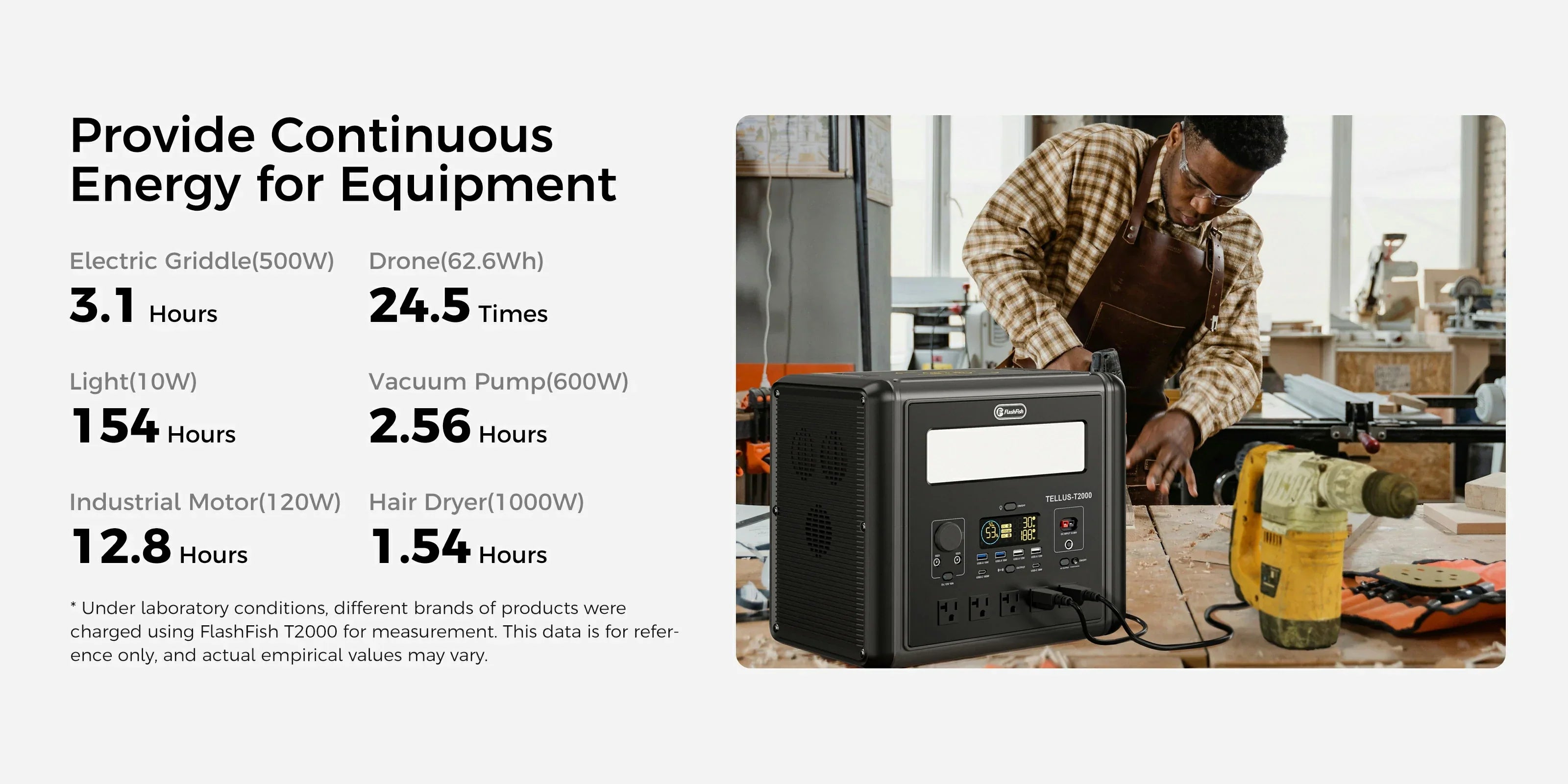
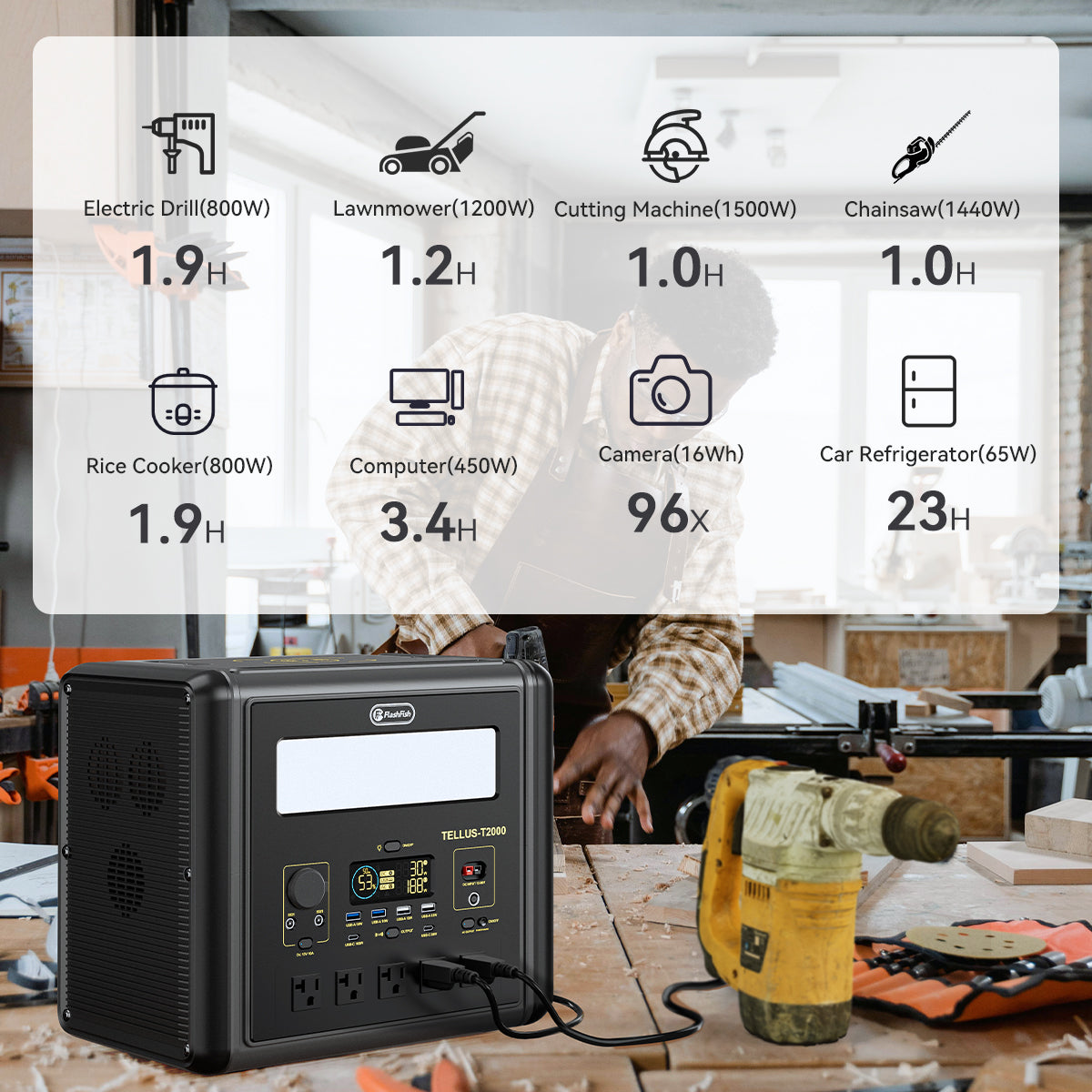
FlashFish T2000 Power-Saving Mode: Low-Load Shutdown Guide
Understand the documented T2000 low-load and AC power-saving notes without treating them as device compatibility or runtime promises.
FlashFish T1200S Power-Saving Mode: Low-Load Shutdown Guide
Understand the documented T1200S low-load and AC power-saving notes without treating them as device compatibility or runtime promises.
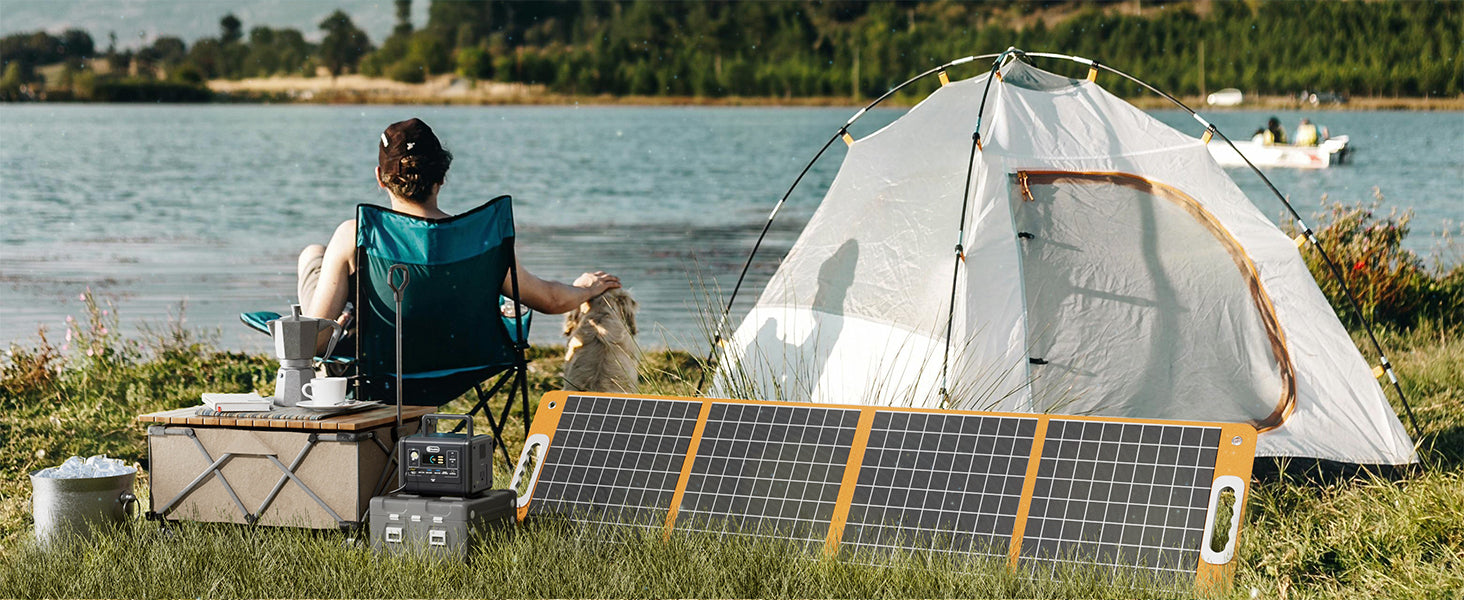
What Is FlashFish T300PRO Used For?
FlashFish T300PRO fits planned 300W-class camping electronics, selected low-watt AC loads, compact backup, and compatible solar top-up.
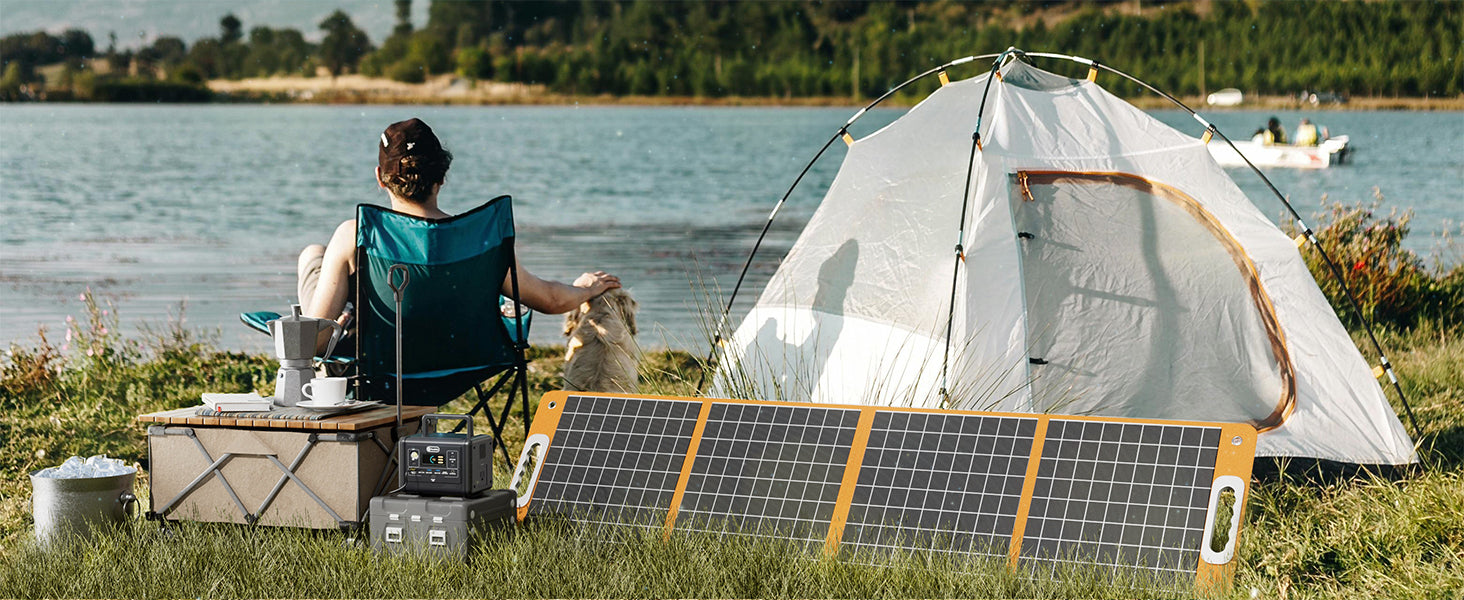
What Is FlashFish TSP60 Used For?
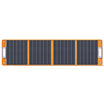
FlashFish TSP60 is a foldable solar panel for compatible station top-up, suitable USB-device charging, and compact camping solar planning.
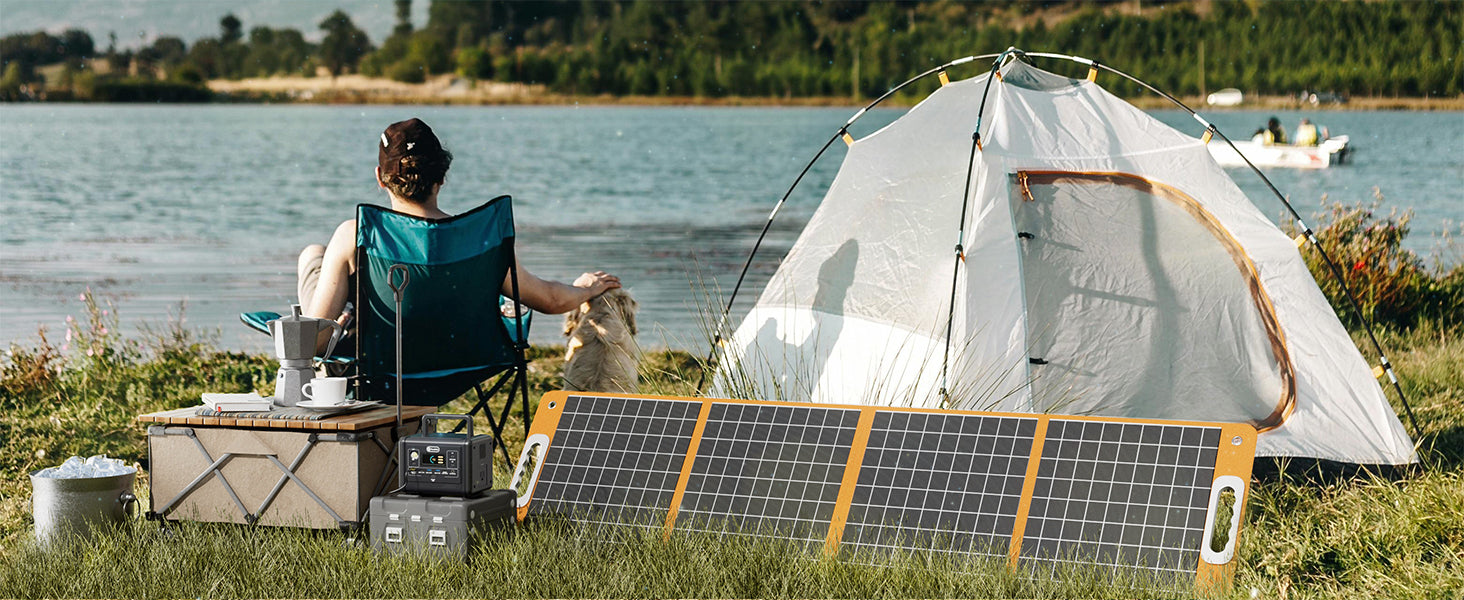
What Is FlashFish T200 Used For?
FlashFish T200 is a compact portable power station for carefully checked low-watt charging, selected AC devices, and camping power plans.
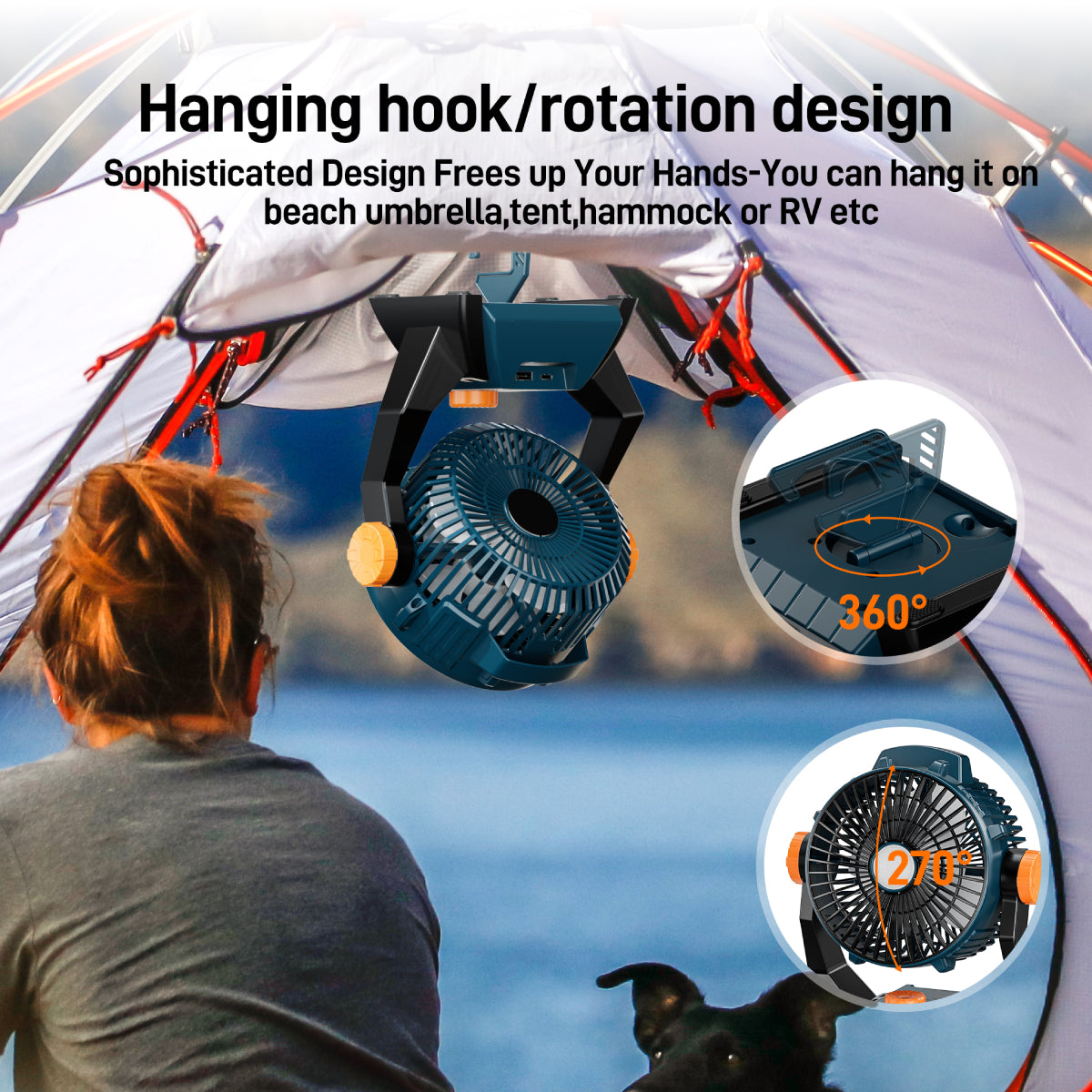
What Is FlashFish X60 Used For?
FlashFish X60 is a rechargeable camping fan for low-draw airflow, light, hanging or standing placement, and compatible small-device USB support.
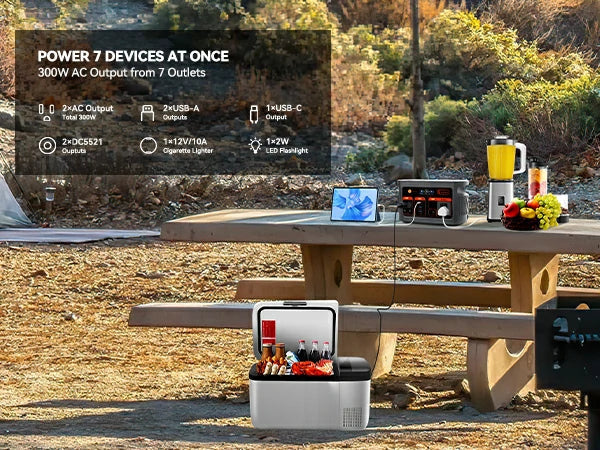
What Is FlashFish E103 Used For?
Use FlashFish E103 for phones, compatible USB-C laptops, lights, cameras, network gear, and selected low-watt AC devices after label checks.