


A portable power station can be part of a mobile grooming van’s supplementary low-draw device plan, but it should not be treated as an answer for every grooming tool or animal-care need. Separate scheduling devices, task lighting, and other approved low-draw accessories from grooming equipment. Then check every device label, the van manual, and the station’s documented limits before use.
Quick answer
Start by identifying the small, non-essential-to-animal-care devices you want to support away from shore power. Compare their labels and connection requirements with the station documentation, keep vehicle and work-area safety in view, and do not rely on a portable station for services that require dedicated equipment or continuous environmental control.
Separate office support from grooming operations
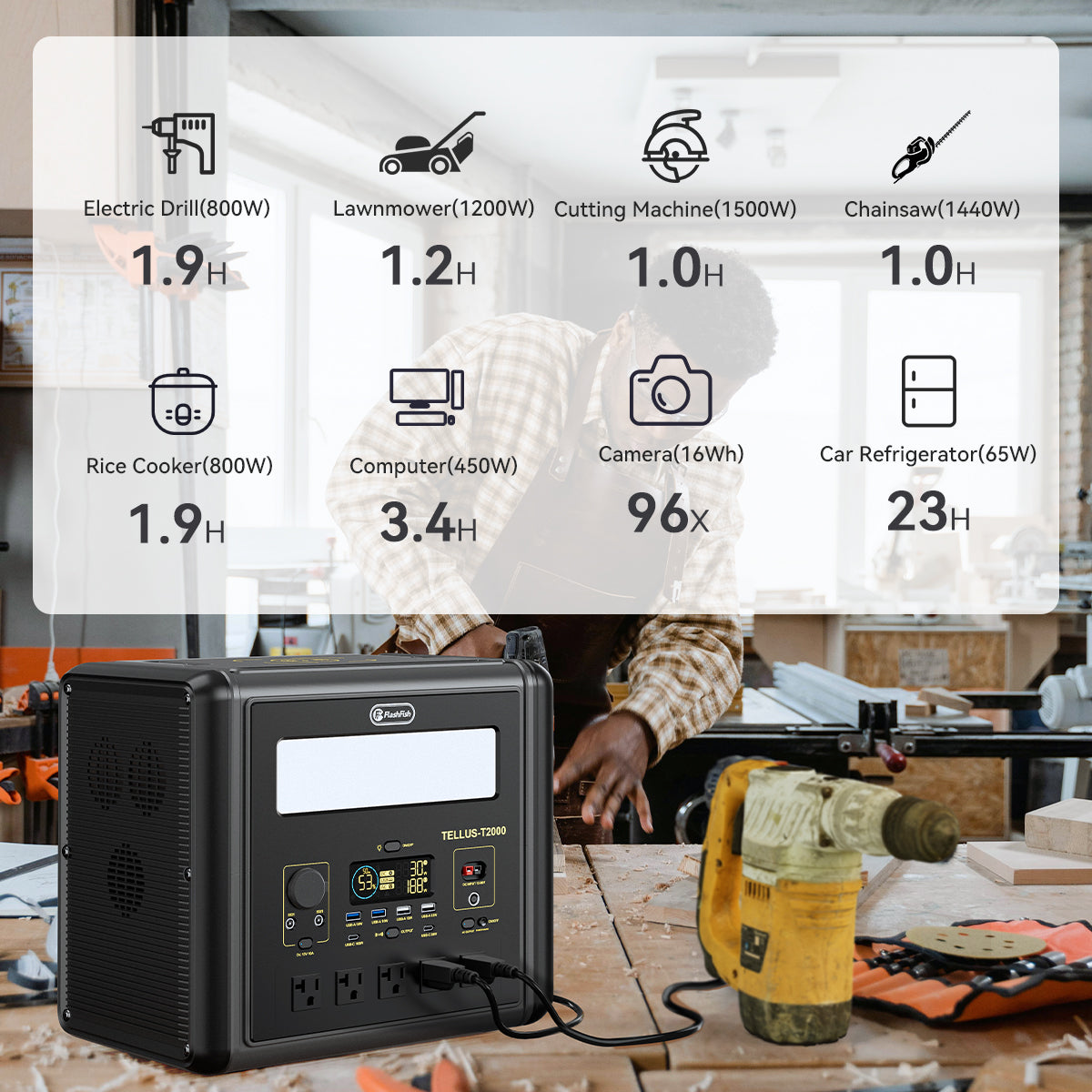
A clear boundary makes planning safer and easier to audit. A tablet for appointments, a phone, or a documented low-draw task light may belong in a supplementary plan. Clippers, dryers, bathing systems, heating or cooling, and any equipment affecting animal welfare need their own equipment-specific assessment. Do not infer suitability from a device category, a station size, or a marketing image.
| Planning group | Decision rule |
|---|---|
| Scheduling and communication | Check the actual charger, connector, and device instructions. |
| Task lighting | Use only after confirming the light’s label, power supply, placement, and cable route. |
| Grooming equipment | Do not assume a portable station is suitable; review the equipment manufacturer’s documentation. |
| Animal-care systems | Keep these outside a casual supplementary-power plan unless the required system documentation supports it. |
Read labels before comparing station capacity
List each planned device with its stated power requirement, connection type, and the exact cable or adapter. Check the vehicle manual for any relevant rules about vehicle electrical use, ventilation, placement, and accessory operation. A power station’s capacity and continuous-output rating are useful comparison points; they do not establish device compatibility, operating duration, or safe use in a particular van.
Use FlashFish documentation as a sizing reference
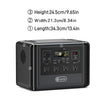
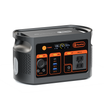
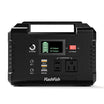
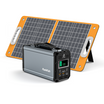
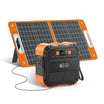
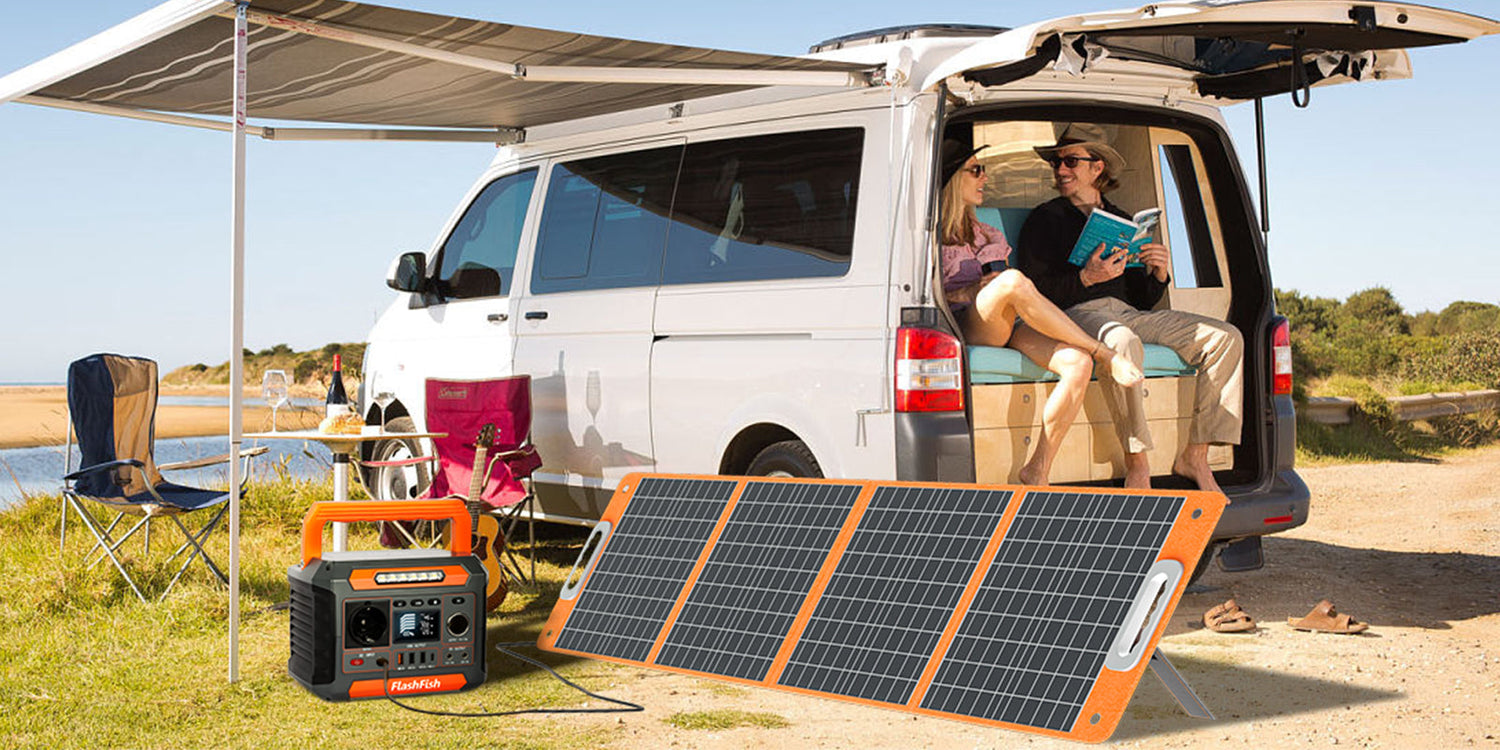
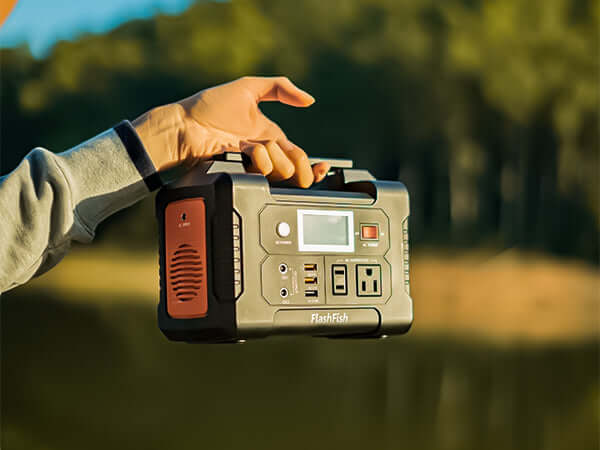
The FlashFish TELLUS-T300Pro is documented with 230Wh of capacity, a 300W continuous pure-sine AC output, and LiFePO4 battery chemistry. The FlashFish TELLUS-T1200s is documented with 768Wh of capacity, a 1200W continuous pure-sine AC output, and LiFePO4 battery chemistry. Compare these documented limits against individual labels rather than combining device assumptions or treating either model as a grooming-equipment recommendation.
Plan the van workspace conservatively
Keep the station on a stable, dry surface with cables routed away from entrances, work zones, and animal movement. Do not block access routes or place equipment where it can shift during normal van activity. If a connection, placement, or vehicle condition is uncertain, stop and consult the relevant manual or qualified service professional.
Make a practical go/no-go check
- Choose the specific low-draw devices you want to support.
- Remove any grooming or animal-care equipment without clear manufacturer documentation for the planned setup.
- Check each device label, cable, adapter, and connection path.
- Compare the documented station limits one device at a time.
- Confirm a dry, secure location and a clear route through the van.
Related mobile-work power checks
Use these current FlashFish pages and guides to continue your comparison:
- Compare current portable power stations
- Check running watts and startup surge
- Match equipment plugs to station ports
FAQ
Can a portable power station replace the van’s normal grooming-power setup?
Do not assume so. Dedicated grooming equipment and animal-care systems need equipment-specific and vehicle-specific documentation.
Can I use it for a tablet and task light?
Only after checking the exact device labels, charger or power supply, connection method, and the station documentation.
Why check the vehicle manual too?
Van placement, electrical use, ventilation, and operating conditions can affect what is appropriate for the work area.

コメントを書く
このサイトはhCaptchaによって保護されており、hCaptchaプライバシーポリシーおよび利用規約が適用されます。