

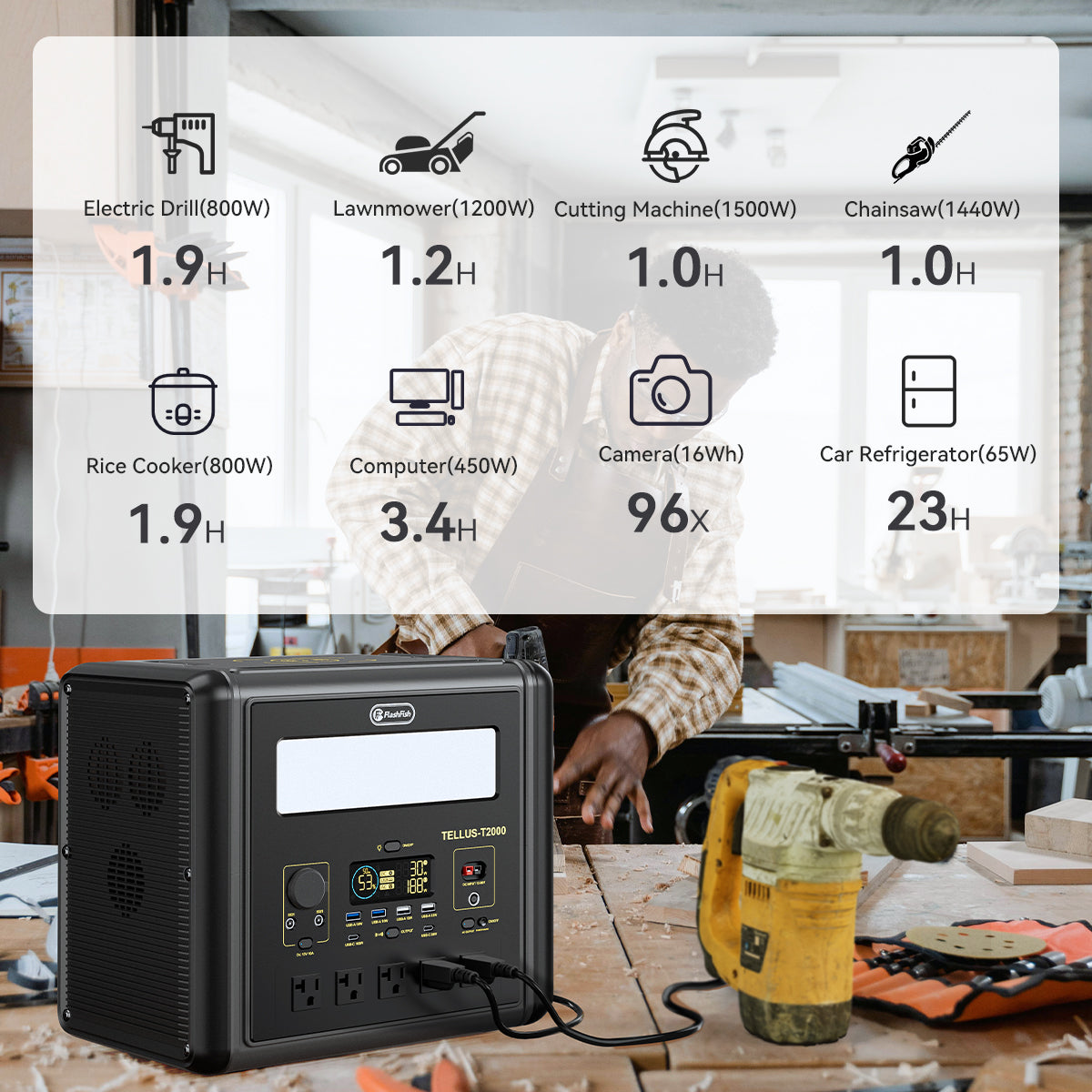
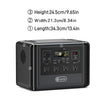
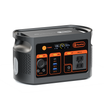
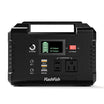

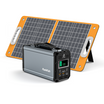
A portable power station may be worth considering for a cordless-tool battery charger only after you compare the charger's documented input, plug, and instructions with a station's verified output. That comparison does not establish that the station can run the power tool itself.
Start with the charger, not the battery pack or the tool brand. A battery's voltage is not a complete description of what its charger needs, and a station name alone does not prove a match.
Record the charger information first
Put the actual charger and its manual in front of you. Capture the charger model, its AC-input voltage and frequency, the input watts or amps shown on the label, the plug type, and any operating restrictions in the manufacturer's instructions. If one of those fields is missing or unclear, pause the comparison and ask the charger or tool manufacturer.
Keep the tool, battery, and charger as separate items in your notes. The tool battery may identify a battery platform, but it does not replace the charger's own input label. Likewise, a charger's label does not make a claim about the tool's operating load.
Make two different comparisons
First, compare the charger's documented input requirements with the selected station's verified output path, including voltage, frequency, plug, and any stated limitations. Second, treat station capacity as a separate question. An output rating and a capacity rating answer different questions; neither one alone predicts charge time or the number of battery charges.
For a one-charger plan, document only that one charger. Do not add a second charger or another load unless its label and the station documentation have also been reviewed together. Avoid using estimates based on battery voltage, brand, or a generic charger category.
Use the FlashFish T300PRO only as a conditional checkpoint
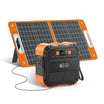
The FlashFish T300PRO portable power station can enter the comparison after the exact charger information is recorded and the current product documentation is checked. It is not a universal recommendation for cordless-tool chargers, and it is not evidence that a corded tool should be connected.
For a broader explanation of connector categories, review portable power station ports. If you are comparing capacity terms, keep that separate from the output-path check with this watt-hours guide.
When to stop the comparison
Stop if the charger label, plug, or instructions cannot be verified; if the current station documentation does not clearly describe the relevant output; or if the manufacturer gives restrictions that the proposed setup does not address. In those cases, the charger or tool manufacturer is the right source for the next decision.
Questions readers often ask
Is the tool battery voltage enough to choose a station?
No. Use the charger's documented input and instructions, then compare those details with verified station documentation.
Does a charger label establish compatibility?
It provides part of the evidence. The output path, plug, current product documentation, and manufacturer instructions still need to be compared.
Is an output number the same as battery capacity?
No. They describe different aspects of a portable power station and should be reviewed separately.
Can this checklist be used to plan for a corded tool?
No. This checklist is limited to a cordless-tool battery charger and does not establish suitability for operating a corded power tool.
Related check: For a model-specific comparison, review the FlashFish T300PRO cordless-tool charger check after recording the charger's input label.

コメントを書く
このサイトはhCaptchaによって保護されており、hCaptchaプライバシーポリシーおよび利用規約が適用されます。