

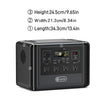
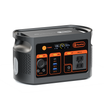
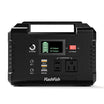

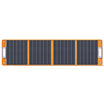
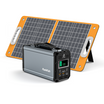
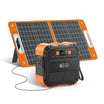
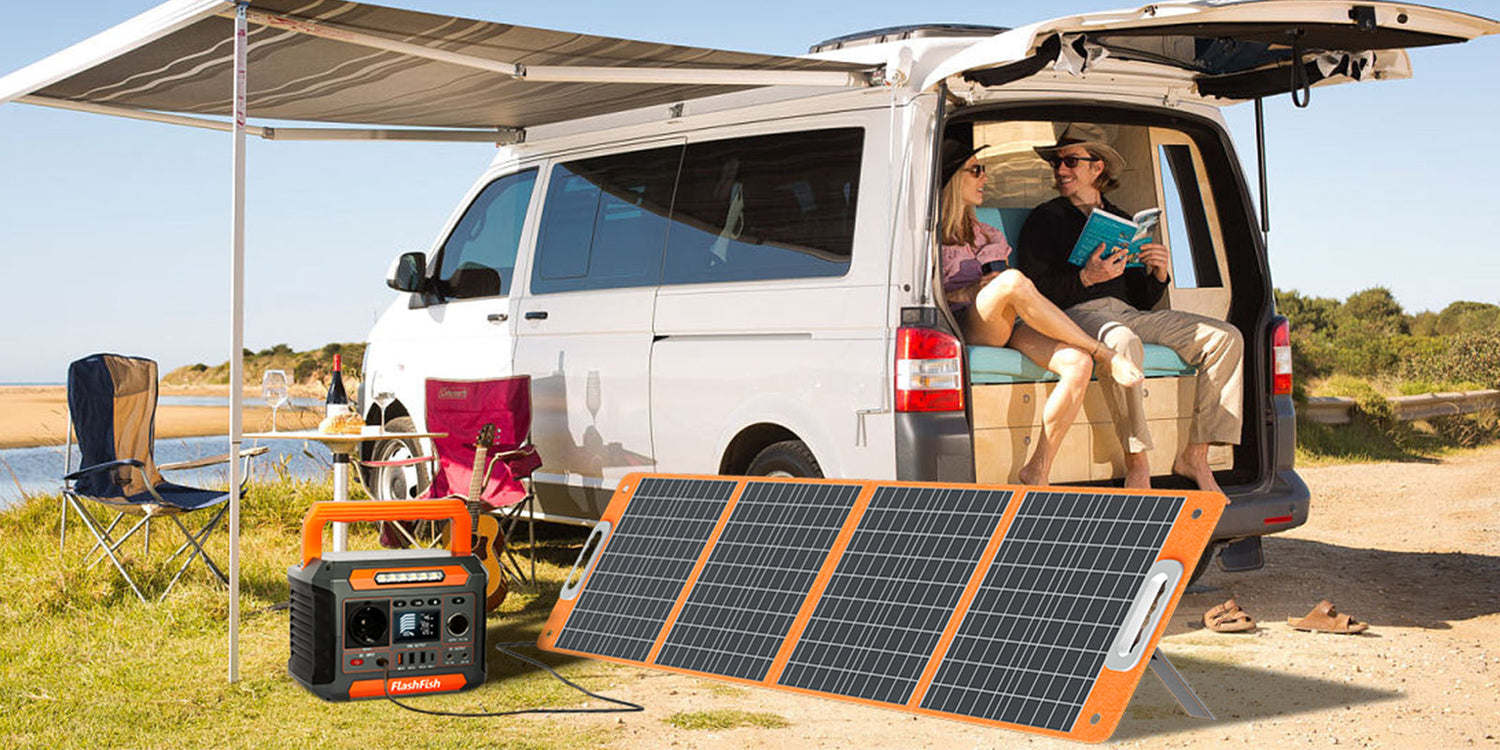
The FlashFish A101 + TSP60 and E200 + TSP60 kits share a TSP60 portable solar panel, but the station components have different documented capacity and AC-output labels. For a beginner, the useful comparison is not which kit is ??est??in the abstract. It is which documented station-side figures match a verified need, while keeping panel conditions, connection details, and device requirements separate.
What both kits share
Both active kit listings pair a compact FlashFish station with the TSP60 panel. The panel is documented as an 18V / 60W maximum DC-output panel and converts sunlight rather than storing energy. Its conversion depends on conditions such as direct-sun angle, temperature, weather, and charging time. Because the panel role is shared, the primary comparison belongs on the station side??ot on a promised solar result.
| Decision criterion | A101 + TSP60 documented source | E200 + TSP60 documented source | What it can help compare | What it cannot decide |
|---|---|---|---|---|
| Station capacity | 97.68Wh | 151Wh | Which station-side capacity label fits your planning criteria. | Runtime for a named device. |
| Continuous AC output | 120W | 200W | Which documented continuous-output label you need to compare with a verified load. | Automatic compatibility for every device. |
| Peak AC output | 240W | 400W | That the station labels differ beyond continuous output. | An ongoing-load conclusion from peak output alone. |
| Maximum DC/solar input | 40W maximum DC input | 40W maximum solar/DC input | That each station has a separate input-side limit. | Solar yield, recharge time, or cable compatibility. |
| Shared panel | TSP60: 18V / 60W maximum DC output | TSP60: 18V / 60W maximum DC output | That both kits share the same panel context. | That the station components are interchangeable. |
Compare the station components before the panel label
The A101 + TSP60 kit is listed as 120W / 98Wh / 60W, while the E200 + TSP60 kit is listed as 200W / 151Wh / 60W. The manual-backed station figures are 97.68Wh and 120W continuous AC output for A101, versus 151Wh and 200W continuous AC output for E200. Those figures can help structure a comparison once you know the requirement you need to meet.
The peak-output labels also differ, but peak is not a substitute for comparing an ongoing load requirement. Neither kit label alone tells you whether a particular named device, appliance, cable, or connector is appropriate.
Keep the shared solar panel in its proper role
The shared TSP60 panel is not stored power and does not make the kits equivalent. Its 60W figure is separate from the station input limits, and solar conversion depends on conditions. If the decision turns on a physical connection, connector, polarity, recharge time, or expected solar result, consult the exact U.S. kit documentation rather than inferring an answer from the shared panel name.
Readers who want to compare panels as a category can explore the FlashFish portable solar panels collection. For a station-only comparison, see FlashFish A101 vs E200: Which Compact Station Fits?.
When this comparison helps??nd when to pause
Use this comparison when you can state a verified capacity or continuous-output requirement and want to compare the documented station labels in two listed kits. It is a starting point for choosing criteria, not a substitute for the device documentation.
Pause when the choice depends on price, a promised runtime, a named-device recommendation, an unverified cable or connector, or a guaranteed solar result. Those questions need evidence outside this kit-label comparison.
FAQ
What do both kits have in common?
Both include a TSP60 portable solar panel. The panel converts sunlight and does not store power.
Which documented station labels differ between the two kits?
The station components differ in documented capacity, continuous AC output, and peak AC output figures.
Does the shared TSP60 panel make the kits equivalent?
No. The station components have different documented capacity and output labels, and the panel's role is separate from the station-side comparison.
Can I choose from a device name alone?
No. Check the device's own requirement and the intended output path before treating either kit as a fit.
What should a beginner verify before deciding?
Verify the device or load label, the required output path, the applicable station documentation, and the exact kit documentation for any connection detail.


Leave a comment
เว็บไซต์นี้ได้รับการคุ้มครองโดย hCaptcha และมีการนำนโยบายความเป็นส่วนตัวของ hCaptcha และข้อกำหนดในการใช้บริการมาใช้