

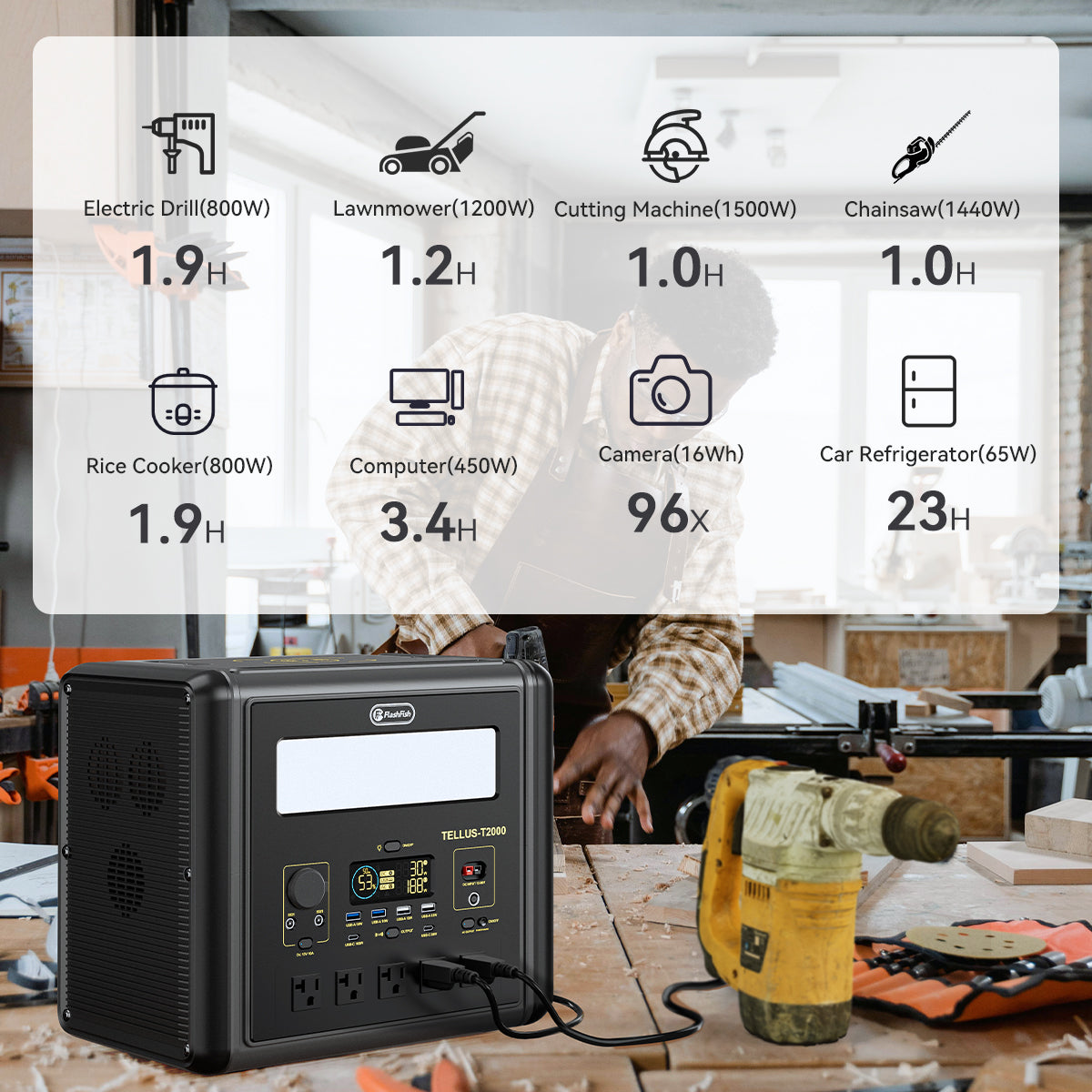
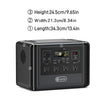
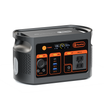
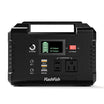

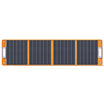
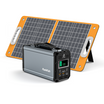
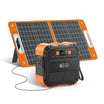
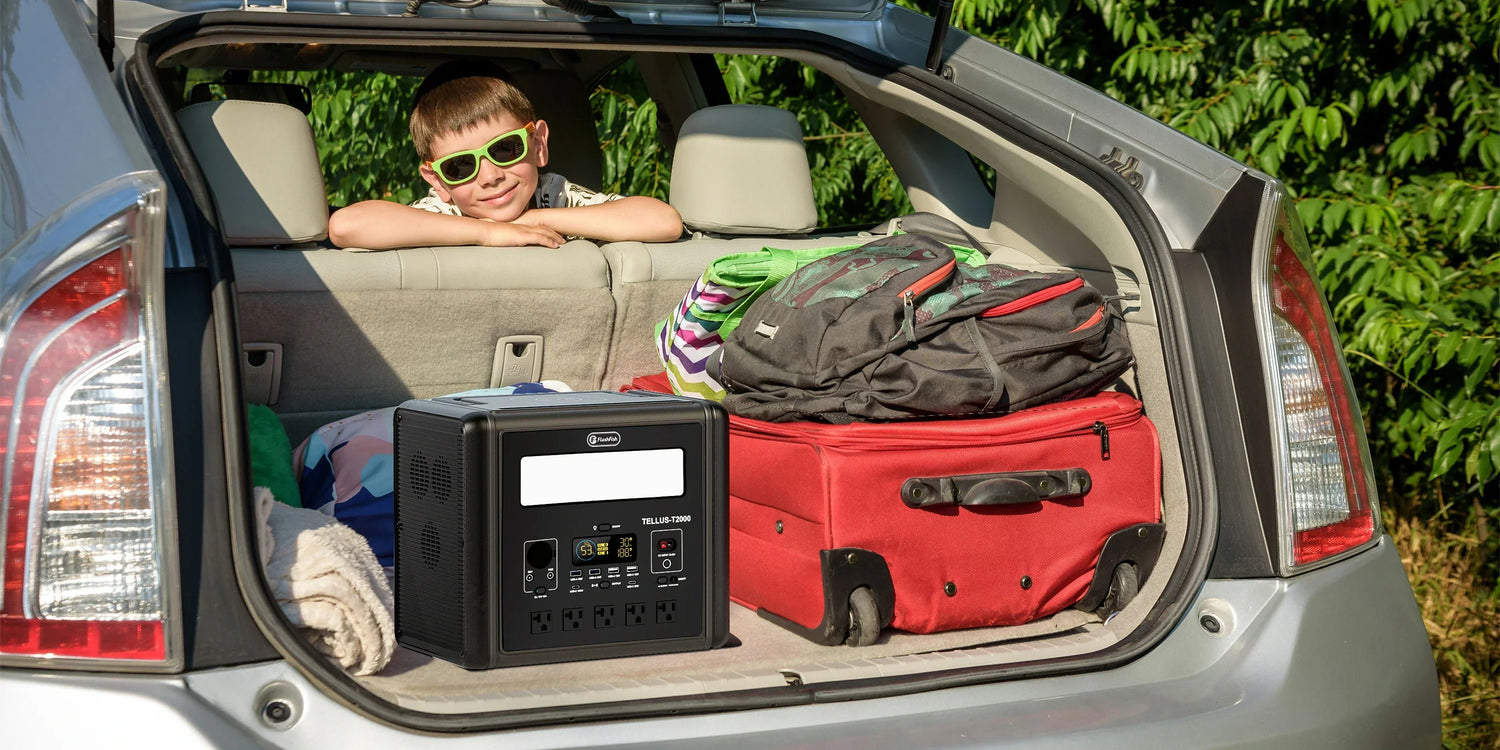
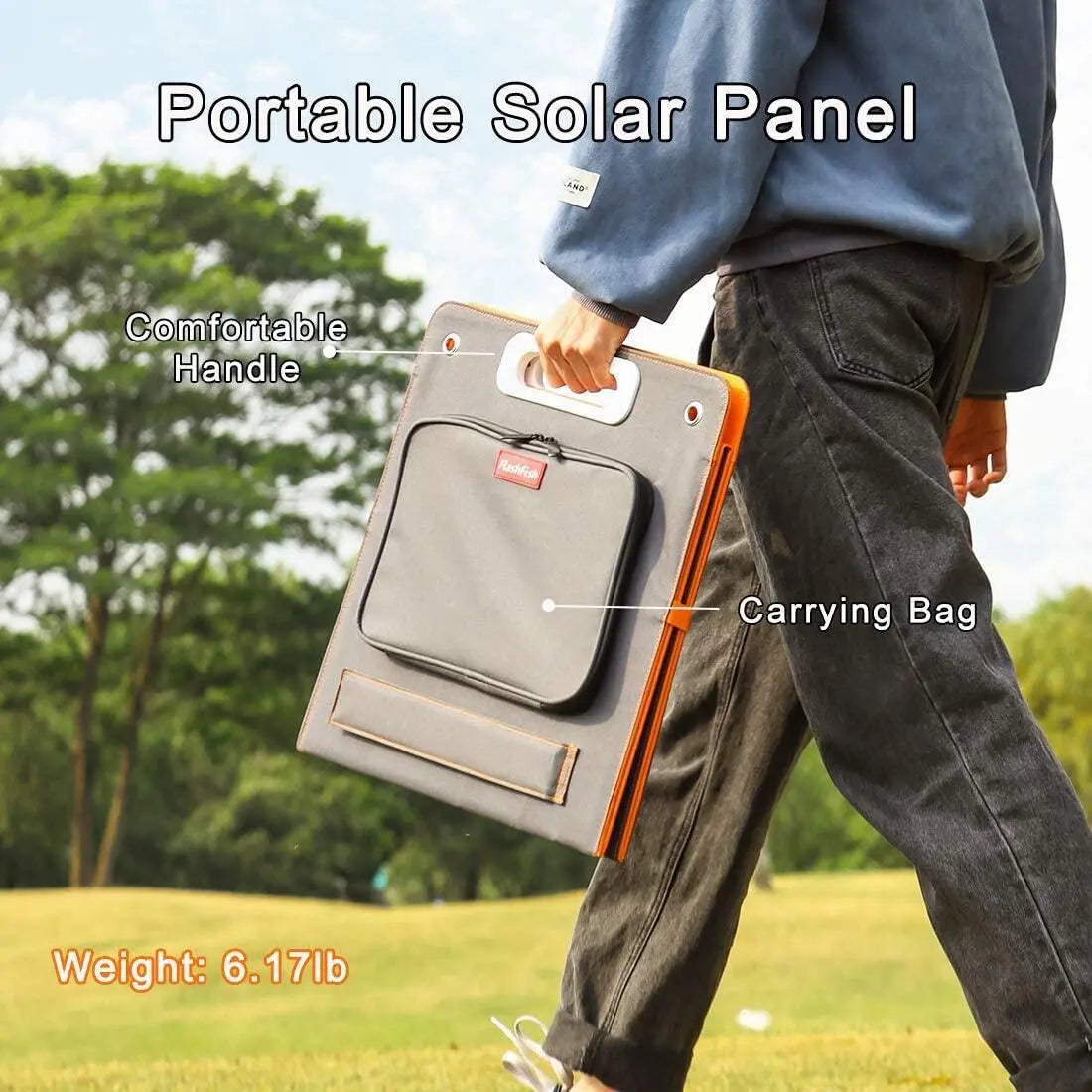
A T2000 + TSP100 kit listing is a place to begin a selection, not a substitute for checking the selected configuration and the requirement of the device or load. Read the kit option, the T2000 station labels, the TSP100 panel label, and the device or load label as separate pieces of information before drawing a conclusion.
Use this checklist before choosing
The active T2000 + TSP100 solar generator kit is listed with 2000W, 1536Wh, and 100W, and its listing presents more than one named panel-count option. First identify the exact option you are considering. Then use the labels below as planning boundaries, rather than as a blanket device, runtime, or charging verdict.
| Check | T2000 documented source | TSP100 documented source | Reader action | Do not infer |
|---|---|---|---|---|
| Selected configuration | The active kit listing shows one-, two-, and four-panel options. | The listing identifies the TSP100 panel family. | Confirm the exact option and read its current documentation. | Included items, arrangement, or connection details from a family name alone. |
| Station capacity | The T2000 is documented as 1536Wh LiFePO4. | Not applicable. | Use it as a station-side comparison label. | A runtime result for a particular device or load. |
| Station output | The manual documents 2000W continuous AC and 4000W peak output. | Not applicable. | Compare the relevant station label with the device or load label. | Universal appliance, motor, or high-load suitability. |
| Solar-input boundary | The manual lists a 600W maximum solar input. | The panel is documented as 100W/18V. | Keep station input and panel labels separate. | A recharge time or solar-yield result. |
| Sunlight and storage | Not applicable. | Solar output varies with sunlight conditions; the panel does not store power. | Plan without assuming a fixed solar outcome. | Stored solar energy in the panel after sunlight changes. |
Read continuous and peak output as different labels
The T2000 portable power station documentation distinguishes 2000W continuous AC output from 4000W peak output. They are labels to compare with a documented requirement, not a reason to skip that comparison. A named appliance, a motor-driven item, or a high-load use case needs its own requirements checked; this checklist does not establish compatibility.
Do not merge the solar-input limit with the panel label
The T2000?? 600W maximum solar-input label belongs to the station. The TSP100 portable solar panel is documented as 100W/18V. These facts can help a reader organize what to verify, but they do not state how a selected kit is connected, what it includes, or how quickly it will charge. Consult exact current kit documentation whenever those details matter.
Check the device or load label independently
Before treating a kit as an answer, identify the intended output path and read the device or load label. Direct USB labels, AC labels, and other station labels each describe a particular output context; none converts a vague use case into a universal conclusion. Pause for unknown requirements, adapter or connection questions, a request for guaranteed solar performance, or a runtime/recharge conclusion.
When FlashFish fits??nd when to pause
The kit can fit a reader who can name the selected configuration, compare documented labels, and keep the device/load requirement in view. Pause when the choice depends on a physical setup detail, an unverified requirement, a high-load or motor use, a guaranteed charging outcome, or a claimed runtime. Those questions require information beyond the labels summarized here.
Related resources
For current configuration details, start with the T2000 + TSP100 kit listing, then compare it with the T2000 station page and the TSP100 panel page.
Frequently asked questions
Why identify the T2000 kit configuration first?
The listing has multiple named options, so the selected configuration must be known before evaluating any configuration-specific detail.
What does the T2000 continuous-output label establish for planning?
It provides a documented station-output label to compare with the label on the intended device or load. It does not establish universal device fit.
Is the TSP100 panel label a guaranteed station-charging result?
No. The panel label and the station solar-input label do not by themselves establish an actual charging result.
Why check a device or load label separately?
Station and panel labels describe the FlashFish products; the device or load has its own requirements that must also be understood.
Does the TSP100 panel store power after sunlight changes?
No. The panel converts sunlight and does not store energy for later use.


Leave a comment
เว็บไซต์นี้ได้รับการคุ้มครองโดย hCaptcha และมีการนำนโยบายความเป็นส่วนตัวของ hCaptcha และข้อกำหนดในการใช้บริการมาใช้