


Quick answer: Use a direct USB-C path when the exact device and cable document that it is suitable; use the device's AC adapter when that is the documented charging method. Compare labels and port ratings before connecting anything, and do not assume that a connector match proves compatibility.
What changes between the two paths?
USB-C charging can reduce the number of separate adapters in a small kit. It still depends on the device, cable, and source negotiating a supported charging arrangement. An AC outlet path uses the device's own adapter, which can be useful when the device documentation identifies that adapter as the intended charger. The AC route adds an adapter and an outlet to the setup, so it deserves the same label check.
Compare the labels before choosing
| Check | USB-C path | AC-adapter path |
|---|---|---|
| Device documentation | Confirm that the device accepts USB-C charging and the applicable input requirements | Confirm the original adapter and its input label |
| Cable or adapter | Use a documented cable in good condition | Use the specified adapter and an appropriate power cord |
| Station connection | Match the station's USB-C port rating to the documented need | Check the station's regional outlet and output documentation |
| Planning boundary | Do not infer charging speed or device support from the plug shape | Do not infer a combined load or runtime from the outlet rating |
Examples from the product records
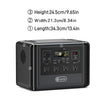
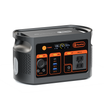
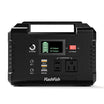
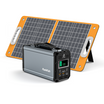
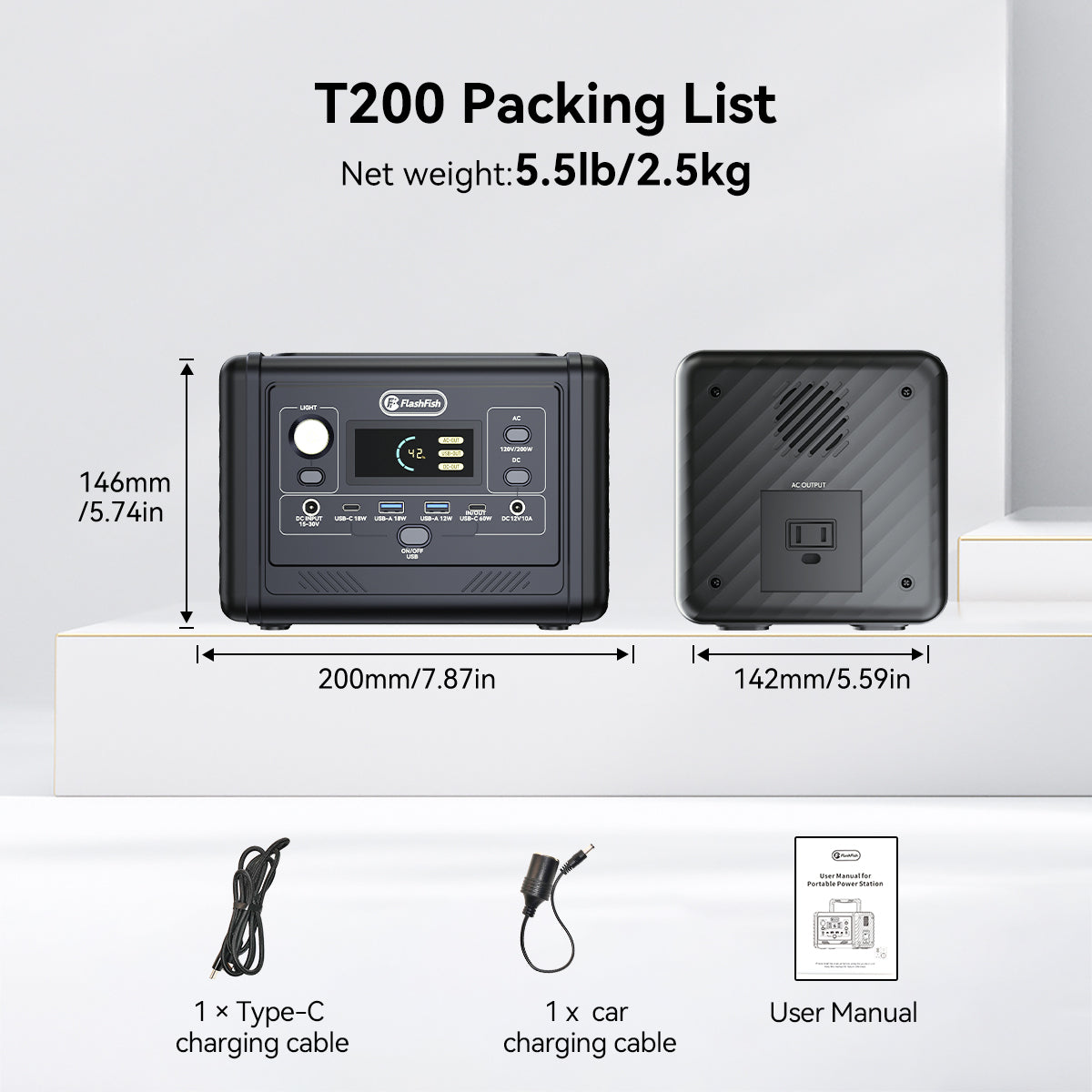
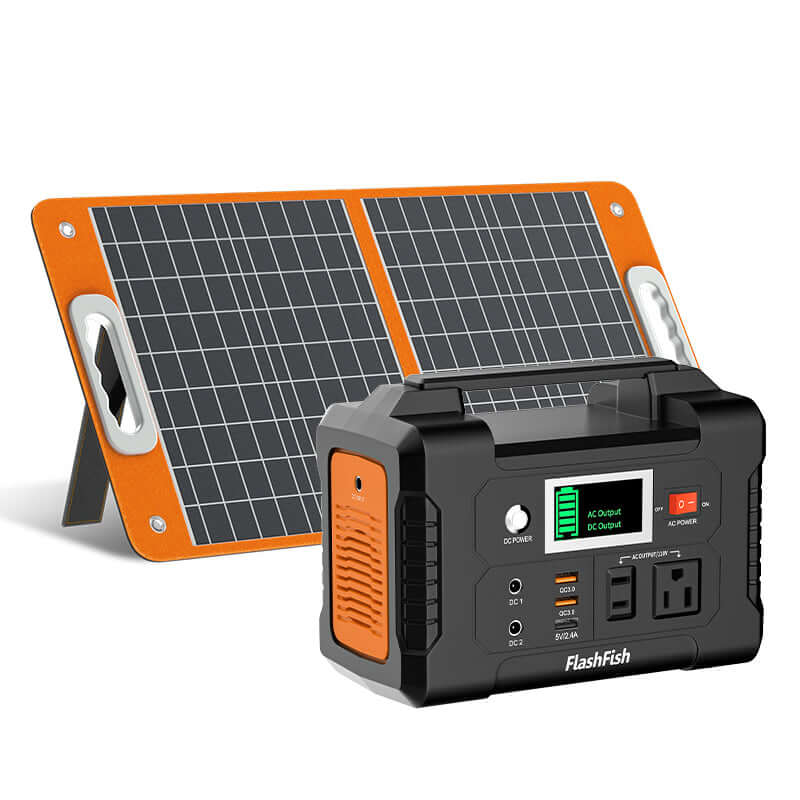
The FlashFish E103 record lists one USB-C port rated up to 60W and a 300W continuous pure-sine AC output. The FlashFish TELLUS-T300Pro record lists USB-C1 up to 100W, USB-C2 up to 30W, and two 120V AC outlets with a 300W continuous AC output. Those are station-side specifications only. The exact device and accessory documentation decides whether either path is appropriate.
A simple decision sequence
- Read the device's charging label and manual.
- Identify whether the device supports direct USB-C charging or calls for its original adapter.
- Inspect the cable or adapter and match it to the documented station port.
- Test one device in a controlled setting before relying on the kit.
- Keep cables dry, visible, and free of foot traffic during use.
FAQ
Is USB-C always better than an AC outlet?
No. USB-C can simplify a kit, but the right path depends on the exact device and its documented charging method.
Can a higher-watt USB-C port charge every USB-C device?
No. Port rating alone does not prove compatibility, supported charging behavior, or cable suitability.
Does a 300W AC rating tell me how many devices I can run?
No. You need the verified requirements of each connected device and adapter before making a combined-load decision.
Choose the cleanest documented path for each device, then review current model documentation before assembling the final kit.
Next step: Compare FlashFish E103 specifications with your requirements.

Leave a comment
เว็บไซต์นี้ได้รับการคุ้มครองโดย hCaptcha และมีการนำนโยบายความเป็นส่วนตัวของ hCaptcha และข้อกำหนดในการใช้บริการมาใช้