


A camp-kitchen power plan starts with each appliance's own label and instructions, not a generic wattage chart. Record the appliance rating, the loads you may use at the same time, the outlet or connector required, then compare that list with a station's documented output limit. Check capacity separately. Until those records line up, no portable power station is confirmed for the appliance.
Build the list before you pack
Make one line for every device you expect to power. Include the coffee maker only if you have its label and manufacturer instructions with you. Add any other powered item you intend to run during the same period. The goal is not to predict a result from the appliance category; it is to make the decision inputs visible.
| Record | What to write down | Why it matters |
|---|---|---|
| Appliance information | Rated electrical information from the label and the relevant instructions | This is the starting point for a model-specific comparison. |
| Simultaneous loads | Which devices may be on together | A station must be evaluated against the combined plan, not one item in isolation. |
| Power path | The outlet or connector the appliance requires | The connection needs to match the equipment you plan to use. |
| Capacity plan | How long you expect each verified load to be used | Watt-hours answer a different question from output watts. |
Make two separate checks
First, compare the documented load plan with the station's output boundary. Then make a separate capacity plan. Treating a larger watt-hour number as an output answer - or an output number as a duration answer - can obscure what still needs verification. If more than one appliance may operate at once, keep that combined plan together rather than checking each device as if it were alone.
For a refresher on the distinction, see running watts versus surge watts for portable power stations. The appliance documentation remains the source for the appliance side of the comparison.
Use documented station figures as decision inputs
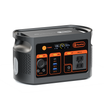
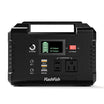
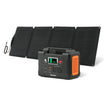
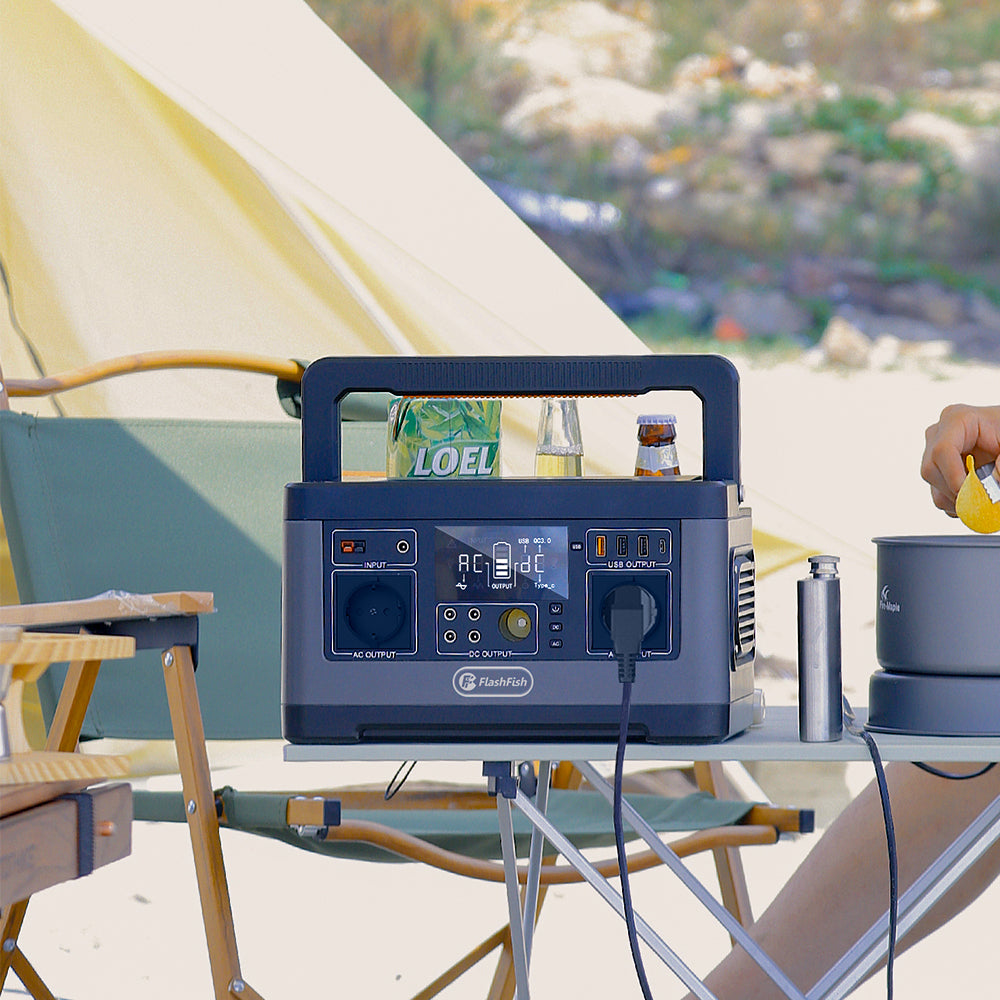
The active FlashFish T1200S portable power station is documented with 1200W continuous AC output, 2400W peak output, four 120V AC outlets, and 768Wh capacity. Those figures provide a boundary for a verified load plan; they do not by themselves approve a coffee maker, blender, cooler, or any other appliance.
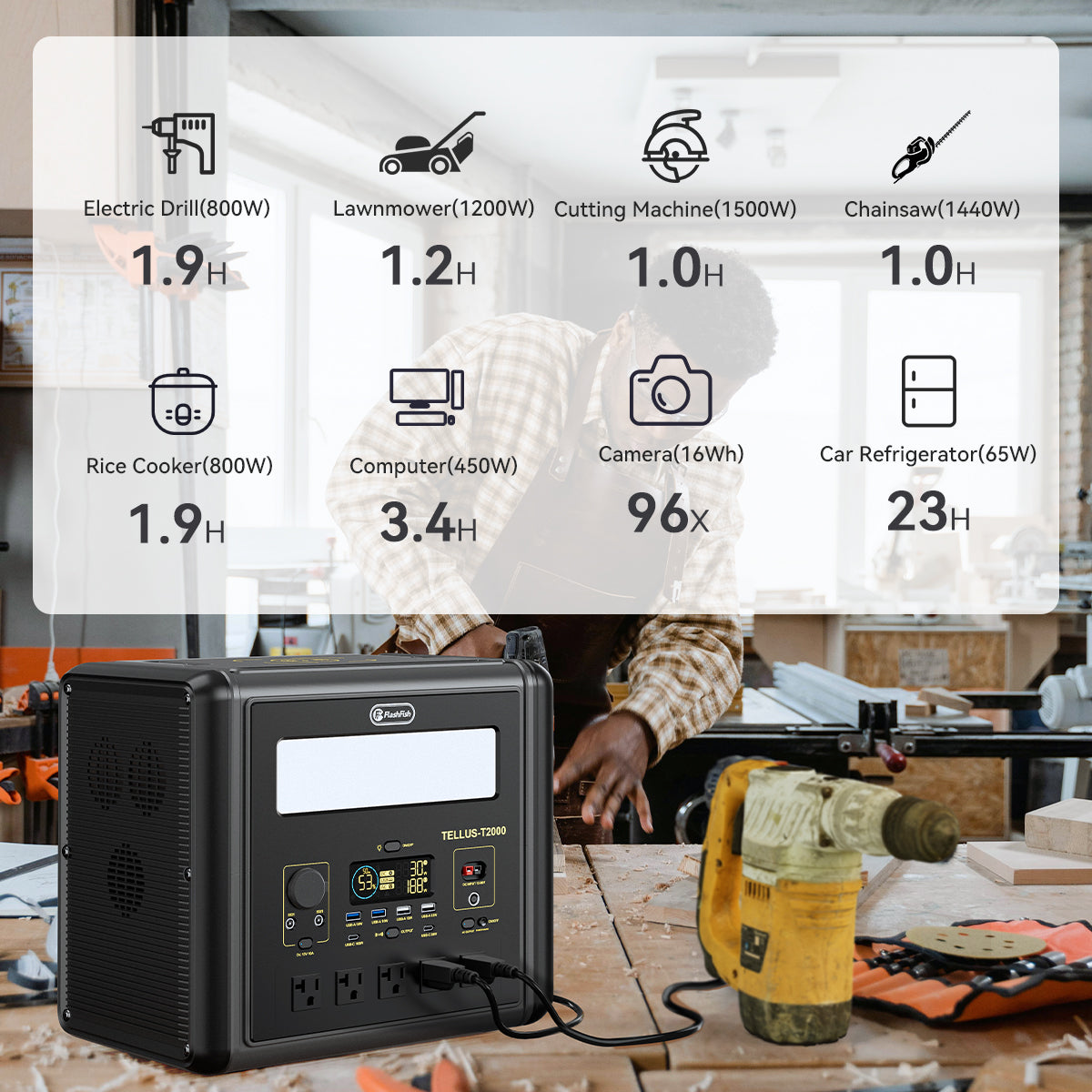
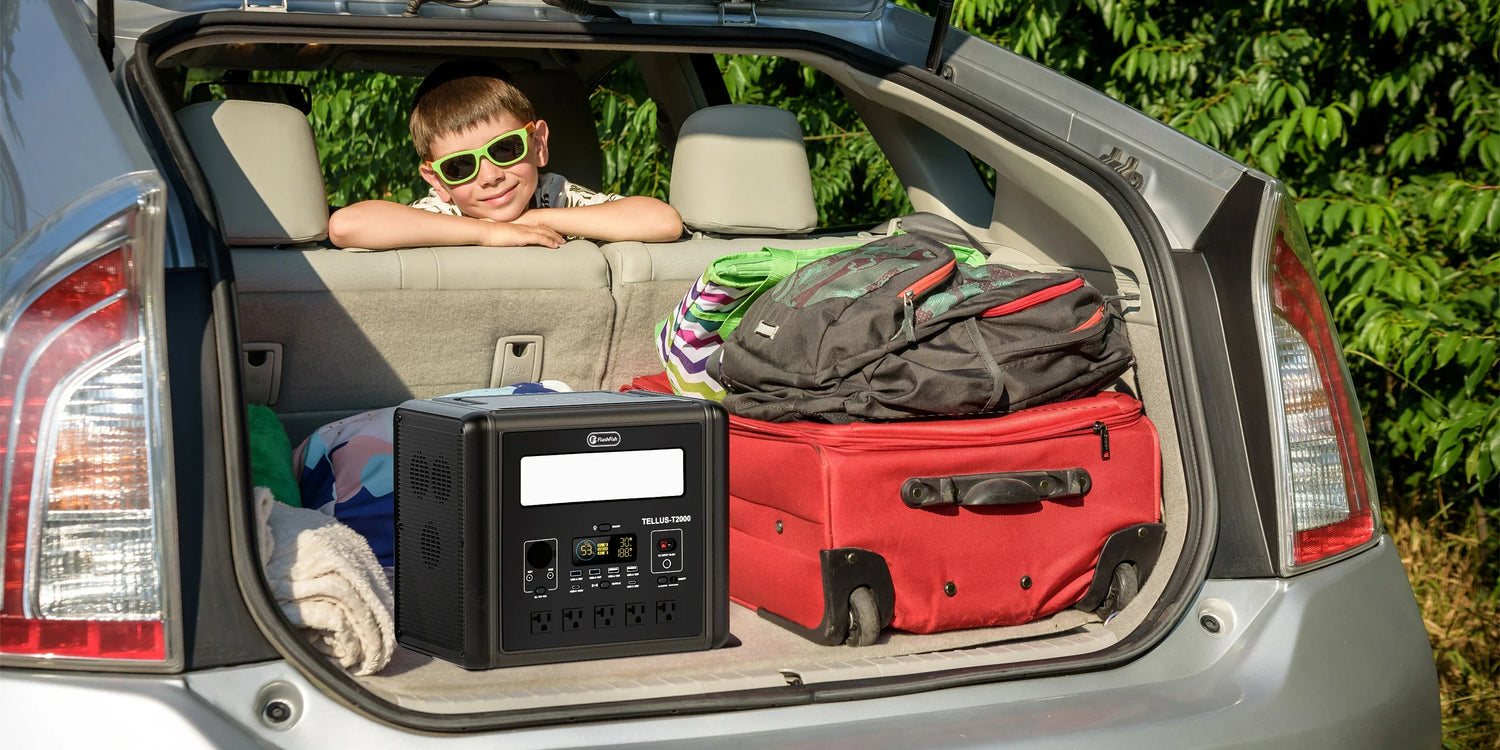
For a plan that, after verification, needs a higher documented output or capacity boundary, the active FlashFish T2000 portable power station is documented with 2000W continuous AC output, 4000W peak output, four 120V AC outlets, and 1536Wh capacity. It is a conditional next step, not a substitute for checking the appliance label and the simultaneous-load plan.
| Situation | Next step |
|---|---|
| You do not have the appliance label or instructions | Pause the product decision and collect those records. |
| The verified plan is within a station's documented output boundary | Continue to a separate capacity review and follow the appliance instructions. |
| The verified plan exceeds the documented output boundary | Do not treat that station as the fit; reassess the plan and product class. |
| Several devices may run together | Evaluate the combined list before deciding. |
Pre-test the exact plan
Before relying on a setup, compare the actual appliance documentation, intended simultaneous loads, and station specifications again. A pre-test is a useful last check for the exact equipment you plan to bring; it is not a reason to assume that a similar-looking appliance will behave the same way. Keep the broader selection process in view with this camping portable power station guide.
When FlashFish fits - and when another plan fits better
FlashFish can be part of a camp-kitchen plan when the station's documented limits match a reader's verified appliance and load records. If the records are incomplete, the combined plan exceeds a documented boundary, or the appliance instructions do not support the intended use, choose a different plan rather than forcing a match.
Frequently asked questions
Which appliance-label fields belong on a camp-kitchen load sheet?
Record the appliance's stated electrical rating, the relevant instructions, the required power path, and whether it may be used with other planned loads.
Why are watts and watt-hours different checks?
Output watts help define a power boundary, while watt-hours relate to a separate capacity plan. Both must be considered with the verified appliance information.
When should I choose a larger station instead of adding more devices?
Only after the appliance records and simultaneous-load plan show that the documented output or capacity boundary is not enough for the intended setup.
Why should I pre-test a planned setup?
It helps you recheck the exact equipment and documentation you plan to use without treating a category-level assumption as a result.

Leave a comment
เว็บไซต์นี้ได้รับการคุ้มครองโดย hCaptcha และมีการนำนโยบายความเป็นส่วนตัวของ hCaptcha และข้อกำหนดในการใช้บริการมาใช้