

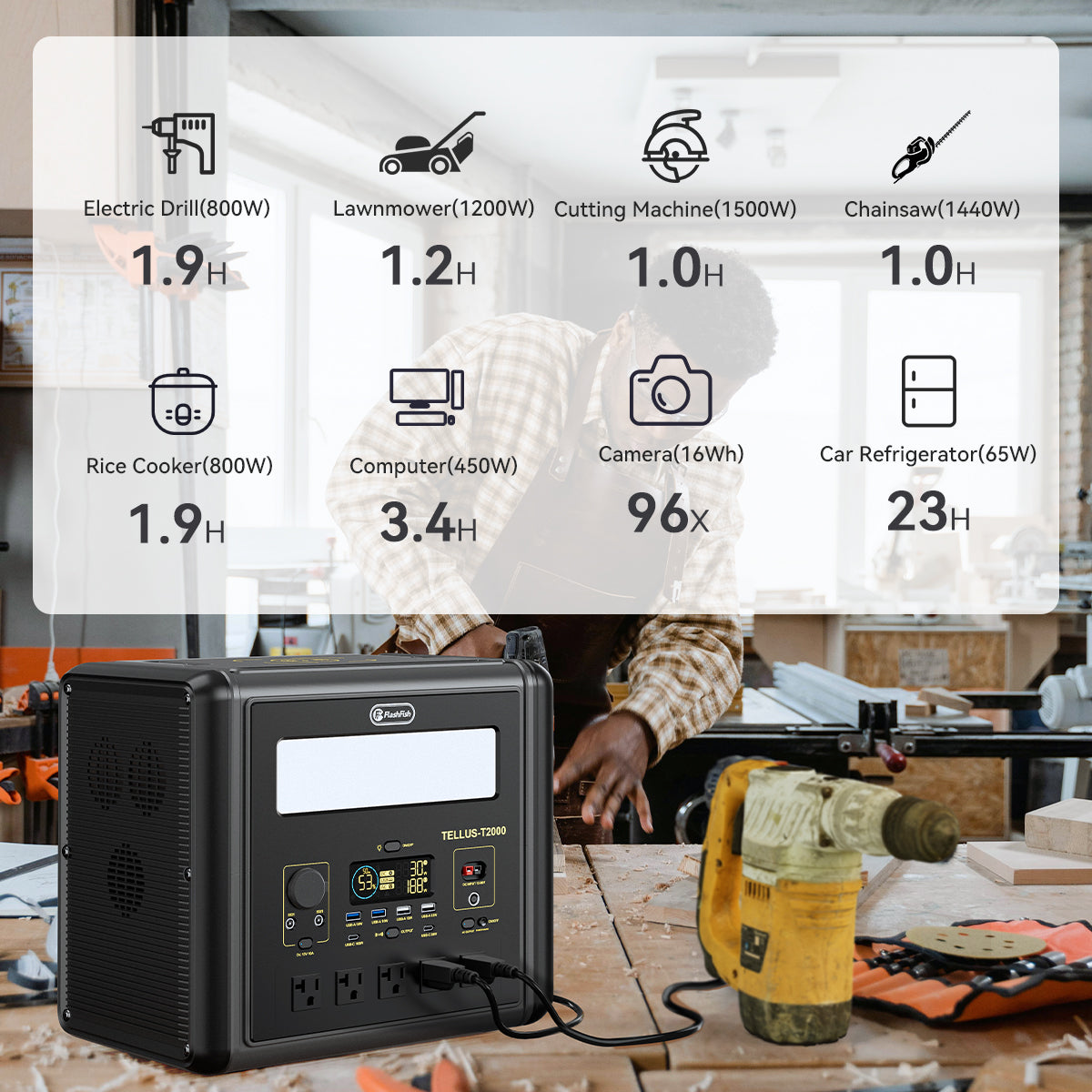
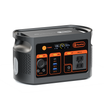
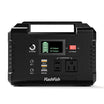

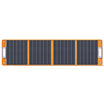
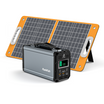
Do you know what type of battery is the power supply you bought?
Which battery type is more suitable for my use?
I have made a table comparing the advantages and disadvantages of lithium iron phosphate batteries and lithium-ion batteries. Hope it will be helpful to you.
COMPARISON
LiFePO4 Battery & Lithium-ion Battery
|
Item |
Lithium iron phosphate battery (LiFePO4) |
Lithium ion battery |
Conclusion |
|
Energy density |
Low (90/120 Wh/kg) |
High (150/200 Wh/kg) |
Lithium ion battery has higher energy density |
|
Discharge rate |
High (1-25C) |
Low (1C) |
Lithium iron phosphate battery has higher discharge rate |
|
Cycle life |
Long (1,000-10,000 cycles) |
Short (500-1,000 cycles) |
Lithium iron phosphate battery has longer cycle life |
|
Safety |
High (no thermal runaway) |
Low (risk of explosion or fire) |
Lithium iron phosphate battery is safer |
|
Cost |
Low (cheaper materials) |
High (more expensive materials) |
Lithium iron phosphate battery is cheaper |
|
Temperature performance |
Good (stable at high temperatures) |
Poor (degrade at high temperatures) |
Lithium iron phosphate battery has better temperature performance |
In general, Lithium iron phosphate batteries and lithium-ion batteries have their own advantages and disadvantages. Which one is better depends on your use and needs.
If you need to consider factors such as safety, durability and cost when choosing an outdoor power supply, then a lithium iron phosphate battery may be more suitable for you.
If you need to consider factors such as energy density, charge-discharge efficiency and low temperature resistance, then a lithium-ion battery may be more suitable for you.

Development prospects
Lithium iron phosphate batteries and lithium-ion batteries are currently relatively advanced secondary battery technologies. Compared with traditional lead-acid batteries, nickel-metal hydride batteries, etc., they have higher energy conversion efficiency, lower self-discharge rate, longer service life and other advantages, and the impact on the environment is relatively small.
Market Demand
lithium iron phosphate batteries have great market potential in the new energy vehicle and energy storage industries, because these industries have high requirements for safety, cycle life, high temperature resistance and other performance, and lithium iron phosphate batteries have obvious advantages in these aspects.
Lithium-ion batteries still have a large market demand in 3C digital, power tools and other fields, because these industries have high requirements for energy density, charge and discharge efficiency, low temperature resistance and other performance, and lithium-ion batteries have obvious advantages in these aspects.
Therefore, both batteries have their own market space, and it is difficult to generalize which one is more promising.

Technological Innovation
Lithium iron phosphate batteries and lithium-ion batteries are constantly innovating to improve performance and safety, such as technological breakthroughs such as solid-state batteries and silicon anode materials.
Lithium iron phosphate batteries have low technical maturity and still have greater room for improvement, such as improving energy density, charging and discharging efficiency, etc.
Lithium-ion batteries have high technical maturity, but they also face some technical difficulties and cost issues, such as large-scale production of solid-state batteries, stability of silicon anode materials, etc.
Therefore, both batteries have their own technical challenges and opportunities, and it is difficult to generalize which one is more promising.

Cost Competition
The production cost of lithium iron phosphate batteries and lithium-ion batteries is affected by factors such as raw material prices, production processes, and scale effects.
Lithium iron phosphate batteries have lower raw material costs and do not contain precious metal elements; however, the production process is more complex, and the choice of different processes will bring differences in cost and quality; the scale effect is not obvious, and overcapacity and industry reshuffle may affect its development.
Lithium-ion batteries have higher raw material costs and contain precious metals such as nickel and cobalt; however, the production process is relatively simple, and the solid-phase method is the future development direction; the scale effect is relatively obvious, and the global market competition landscape has been formed.
Therefore, both batteries have their own cost advantages and disadvantages, and it is difficult to generalize which one is more promising.

Leave a comment
เว็บไซต์นี้ได้รับการคุ้มครองโดย hCaptcha และมีการนำนโยบายความเป็นส่วนตัวของ hCaptcha และข้อกำหนดในการใช้บริการมาใช้