



Quick answer: A component change makes earlier observations insufficient for the new setup wherever those observations depended on the changed component. Keep the original results, but limit them to the configuration actually observed. Trace the changed cable, charger, device software, or station through its dependent connections, then list the documentation and permitted checks needed for those paths. Independent observations can remain useful when their conditions are still documented and unchanged.
This method is for campers maintaining a non-critical phone, light, or other small-device kit. It answers a narrower question than a complete pre-trip check: which parts of an existing record still support today's plan? No reader equipment log or actual observations are supplied here. The examples illustrate how to organize evidence, not how any particular kit performed.
Save the old configuration before making a new one
Give the previous setup a version name and preserve its records. Record the station's exact model and regional version, output port, cable identity, charger model, receiving device, software version when relevant, and device settings. Add the date and conditions of each observation. A note saying “phone charged at camp” leaves too many dependencies unidentified to transfer confidently.
Describe each result narrowly. “Device showed a charging indicator through cable A on port 1” is a different claim from “device completed its intended task.” Neither establishes a future runtime. Keeping the original wording prevents a small observation from becoming a much broader promise as the kit changes.
Create a second configuration entry for the replacement. Mark what changed, what is confirmed unchanged, and what was never recorded. An unknown cable identity is an unknown dependency even if nobody remembers replacing it. Avoid treating memory as an equipment record.
Follow the changed connection to the conclusions it supported
Sketch the path in words: station port, cable, charger if present, and receiving device. Attach each prior conclusion to the parts it used. A separate light on a separate documented path may retain a useful historical observation when a phone cable changes. A statement about the entire kit's energy use includes both paths and needs reconsideration.
| Prior configuration | Changed item | Dependent claim | Evidence retained | Recheck needed | Missing source |
|---|---|---|---|---|---|
| Station, cable A, phone | Cable A replaced by B | Phone charging observation on that path | Old result remains valid as history for A | B's documented requirements and a new observation after documentation review | Exact cable B and phone documentation |
| Same station, separate light path | Phone charger only | Light-only observation | May remain applicable within unchanged recorded conditions | Confirm the light path did not change | Any unrecorded shared settings or loads |
| Whole-kit session | Station variant replaced | Combined-session energy or completion result | Old inventory and historical result | Reassess all paths through the replacement station | Matching station manual and label |
Shared dependencies deserve attention. A change to a common station, charger, or operating setting can affect more than the directly replaced branch. If you cannot establish that two paths are independent, mark their relationship unresolved rather than automatically carrying one result forward.
Use three evidence states
- Retained: the observation's dependencies and relevant conditions are recorded and unchanged.
- Recheck required: a known change sits on the path supporting the conclusion.
- Unresolved: the old identity, replacement specification, or dependency is missing.
These states describe evidence, not the probability of a failure. A new cable might ultimately meet the documented requirements, but the old cable's result cannot establish that. Likewise, “unresolved” does not mean the replacement is defective. It identifies the question that needs an exact source before proceeding.
Three hypothetical changes and their bounded outcomes
Example 1: A phone cable is replaced
A camper has separate records for a phone and a reading light. Only the phone cable changes. Preserve the light-only record if its path and relevant conditions are unchanged; mark phone charging and whole-kit session conclusions for recheck. The replacement cable's connector appearance alone does not fill its documentation gap.
Example 2: Device software changes
A tablet receives an update, but no relevant official release note or new operating record is available. Record the version change and mark tablet behavior and dependent energy assumptions unresolved. Keep the station's documented identity and ratings. Do not claim that the update increased consumption, changed charging, or fixed a problem without evidence.
Example 3: The station is replaced
A reader replaces an E103 with a T200. Every path using the station needs review, even if the receiving devices remain the same. Preserve the device inventory and old session notes, then create a replacement-station configuration. No earlier E103 completion result becomes a T200 runtime estimate.
Where FlashFish E103 and T200 fit
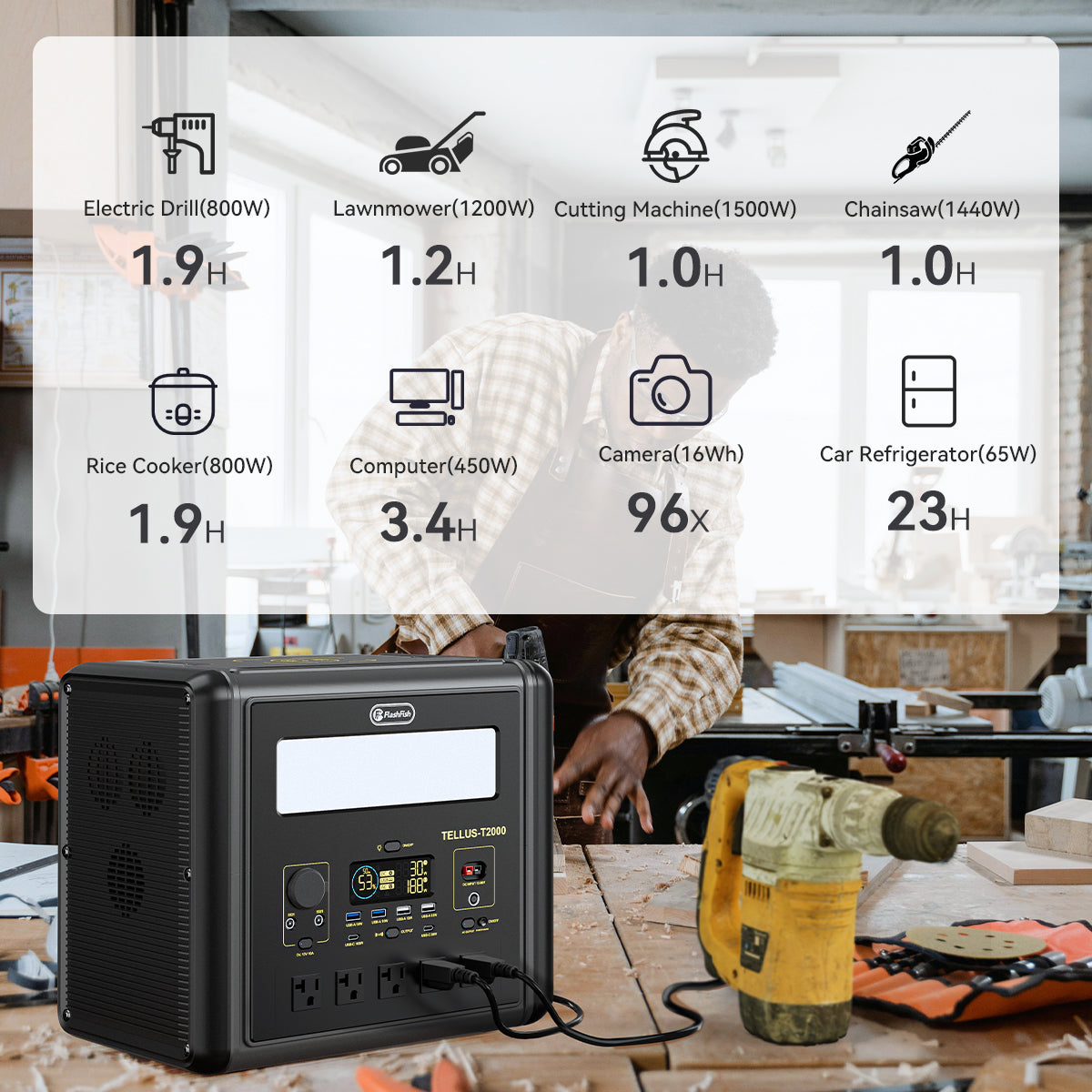
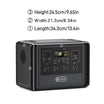
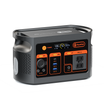
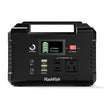
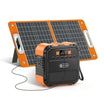
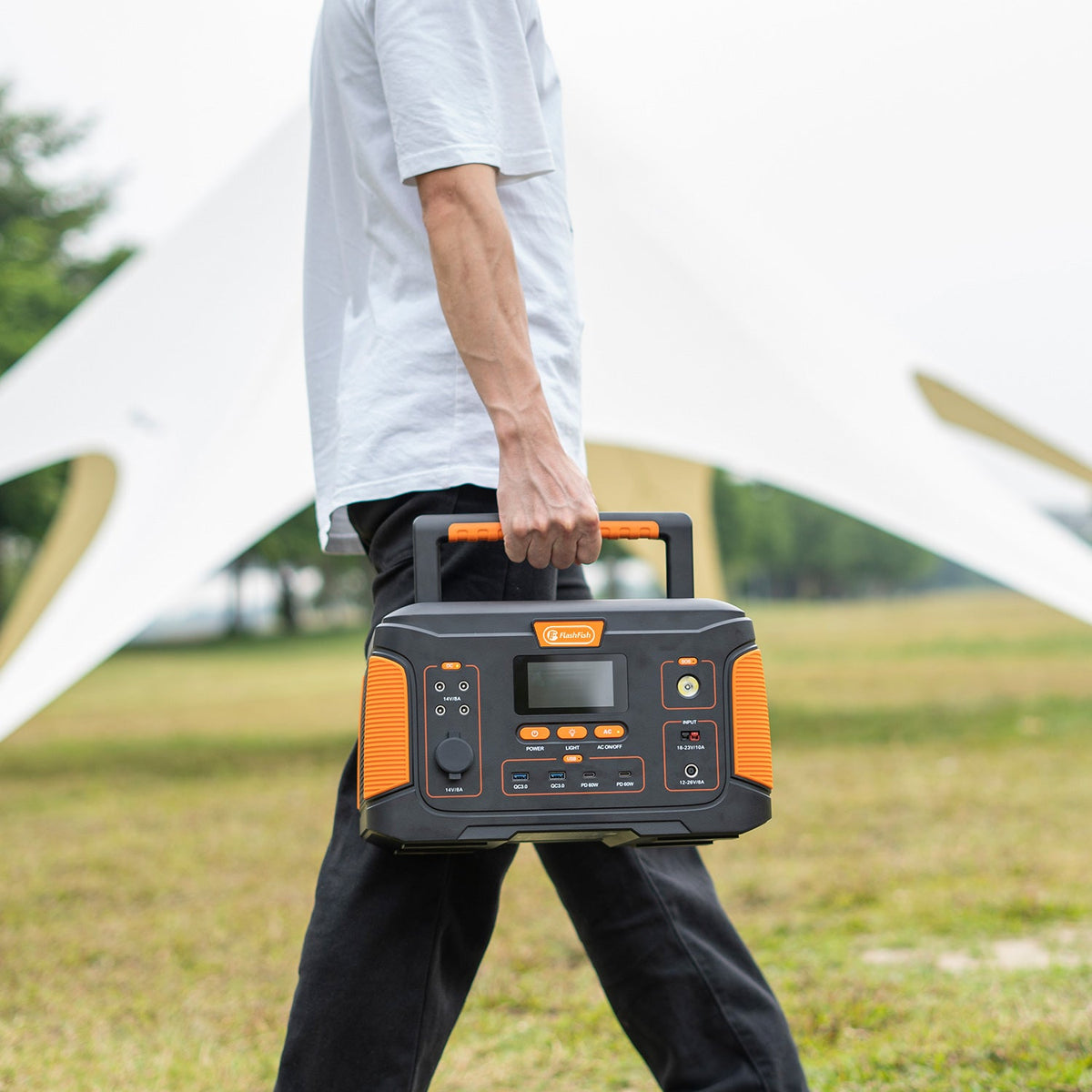
FlashFish E103 has a documented capacity of 179.2Wh and a USB-C output up to 60W. T200, also identified as TELLUS-T200, has 153.6Wh, USB-C1 up to 60W, and USB-C2 up to 18W. Those port distinctions help identify what to record when changing stations or ports. Maximum port ratings do not establish the power a particular device receives.
The E103 manual referenced for these specifications describes a 230V version. It must not be used to confirm a U.S. unit's AC output. FlashFish's U.S. User Guides instructions require matching the product label, regional electrical version, and manual revision. Obtain the original matching instructions before any connection decision; these specifications help identify the equipment to record.
Frequently asked questions
Do I have to erase an old result after changing a cable?
No. Preserve it with the old configuration so you can tell what was actually observed. Remove its use as support for the replacement path until you have the required documentation and new evidence. This preserves useful history without presenting the replacement as already checked.
Can an unchanged device keep its earlier runtime estimate?
Only assess the estimate within its documented dependencies and conditions. A different station, port, shared load, charger, or setting can leave the device unchanged while changing the evidence behind the estimate. If those dependencies were not recorded, the estimate remains unresolved for the revised kit.
What should a recheck include?
Start with the exact replacement documentation and affected requirements. Any subsequent observation must follow the matching manuals; never recreate a fault to compare behavior. Record the revised setup, what you observed, and what remains unknown. A successful indicator alone does not establish complete task performance.
Make the next kit decision
Write one change record today: old configuration, changed item, affected conclusions, retained evidence, and missing documents. Use that list to decide whether the revised kit is documented well enough for your non-critical task. If a replacement station is under consideration, compare its exact port and regional specifications against those unresolved needs before choosing it.
For the broader equipment-selection decision, see the camping power station selection guide. Keep that purchase decision separate from the change-impact record above.
Next step: Compare FlashFish E103 specifications with your equipment list.

Leave a comment
เว็บไซต์นี้ได้รับการคุ้มครองโดย hCaptcha และมีการนำนโยบายความเป็นส่วนตัวของ hCaptcha และข้อกำหนดในการใช้บริการมาใช้