

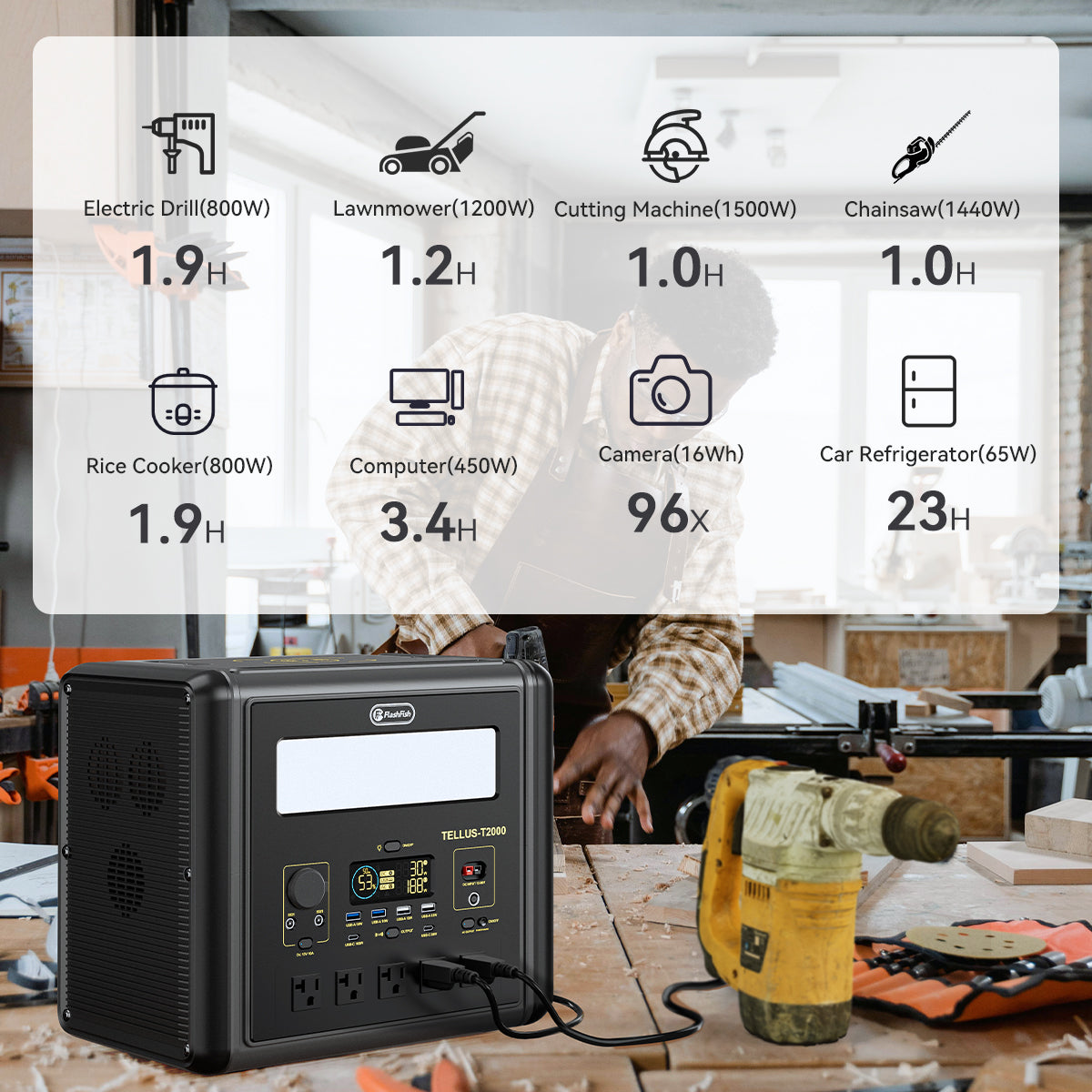
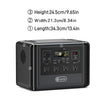

Quick answer: A disaster power plan starts with official alerts, evacuation instructions, household supplies, and a communication plan. Portable battery power can add a limited charging and power layer for compatible devices, but it cannot guarantee continuous service, replace utility power, or stand in for emergency responders. Build the plan around exact device labels and realistic priorities.
Start with the emergency plan, not the power product
Identify the hazards common to your area, sign up for local alerts, and record evacuation routes and emergency contacts. Keep a paper copy in case mobile service is unavailable. Follow local authorities when they issue evacuation or shelter instructions.
Use Ready.gov's emergency planning resources and the official emergency supply checklist as the foundation.
Prioritize a short list of loads
Start with communication and basic visibility: phones, radios, small lights, and other items your household has identified in advance. Do not connect a device based only on its category or marketing name.
- Read the exact device label and manufacturer instructions.
- Record its input, starting demand when applicable, connector, and approved power method.
- Compare those records with the continuous output, port limits, and capacity of the power source.
- Leave margin instead of planning at the maximum rating.
Actual operating time varies with the connected load, conversion losses, battery condition, temperature, and device behavior. Do not publish or rely on a runtime estimate unless every input to the calculation is documented.
Treat solar charging as a variable replenishment option
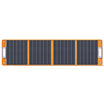
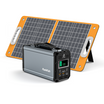
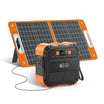
A compatible solar panel may help replenish a portable power station, but solar input is not fixed. Weather, shade, panel angle, temperature, connector compatibility, and the station's input limits all affect charging. A solar-capable setup should therefore be tested before an emergency and should not be presented as guaranteed continuous power.
Prepare and inspect equipment before it is needed
- Charge the power station and communication devices before forecast severe weather.
- Keep the correct cables, adapters, and manuals together.
- Inspect equipment for damage and stop using it if the enclosure, cable, or connector is damaged.
- Keep battery equipment dry and follow the exact product manual for temperature, ventilation, storage, and charging limits.
Keep safety boundaries clear
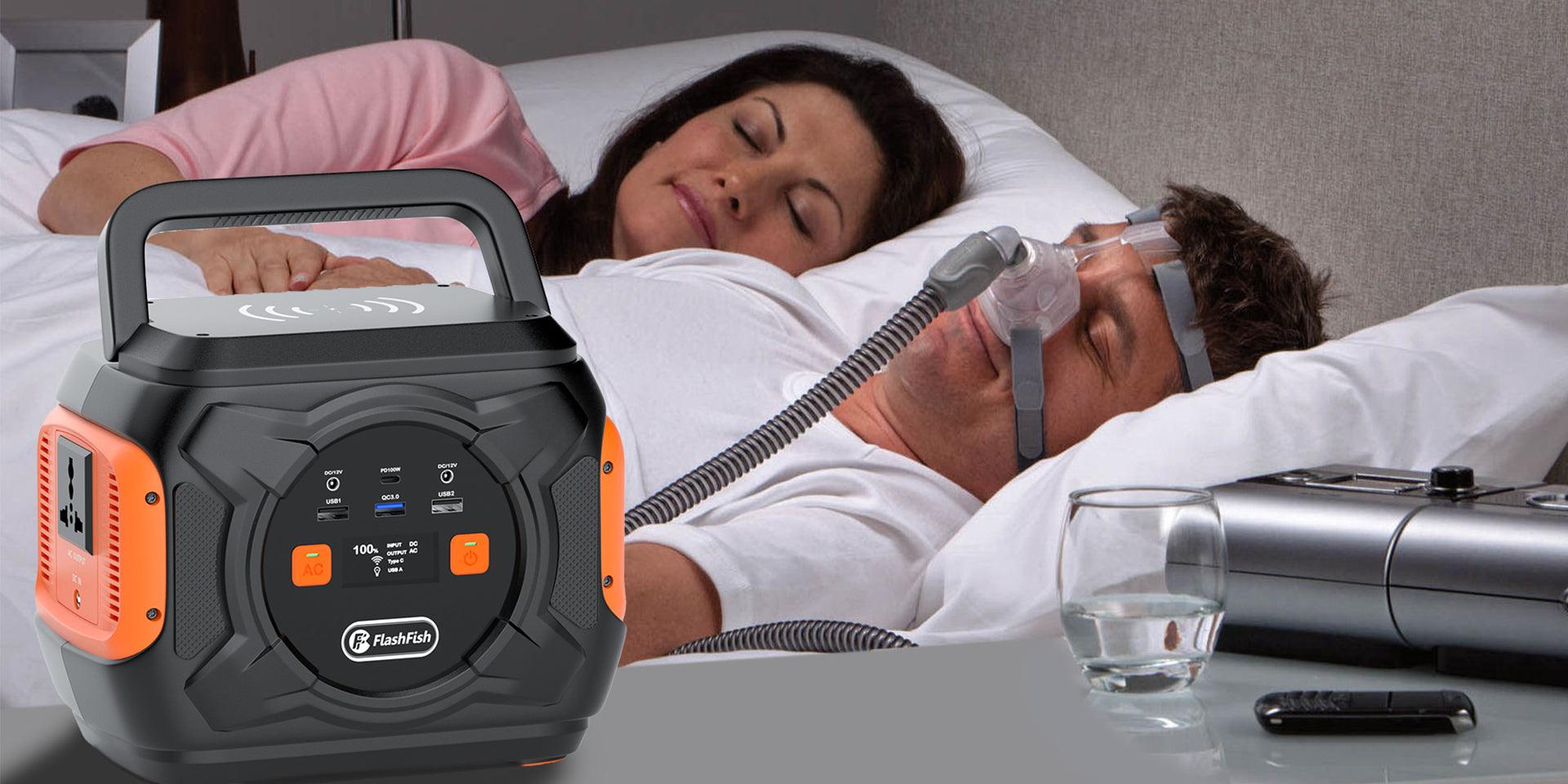
Battery power stations do not remove the need for an evacuation plan or a safe destination with reliable power. Do not assume compatibility with medical equipment, heating appliances, pumps, refrigerators, or home wiring. Each of those uses requires its own documented load and safety review.
Fuel-burning generators create a separate carbon monoxide risk. Follow the Ready.gov power outage guidance, including its instructions to operate fuel generators outdoors and away from building openings.
Where FlashFish fits in the comparison
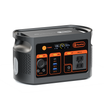
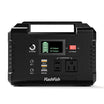
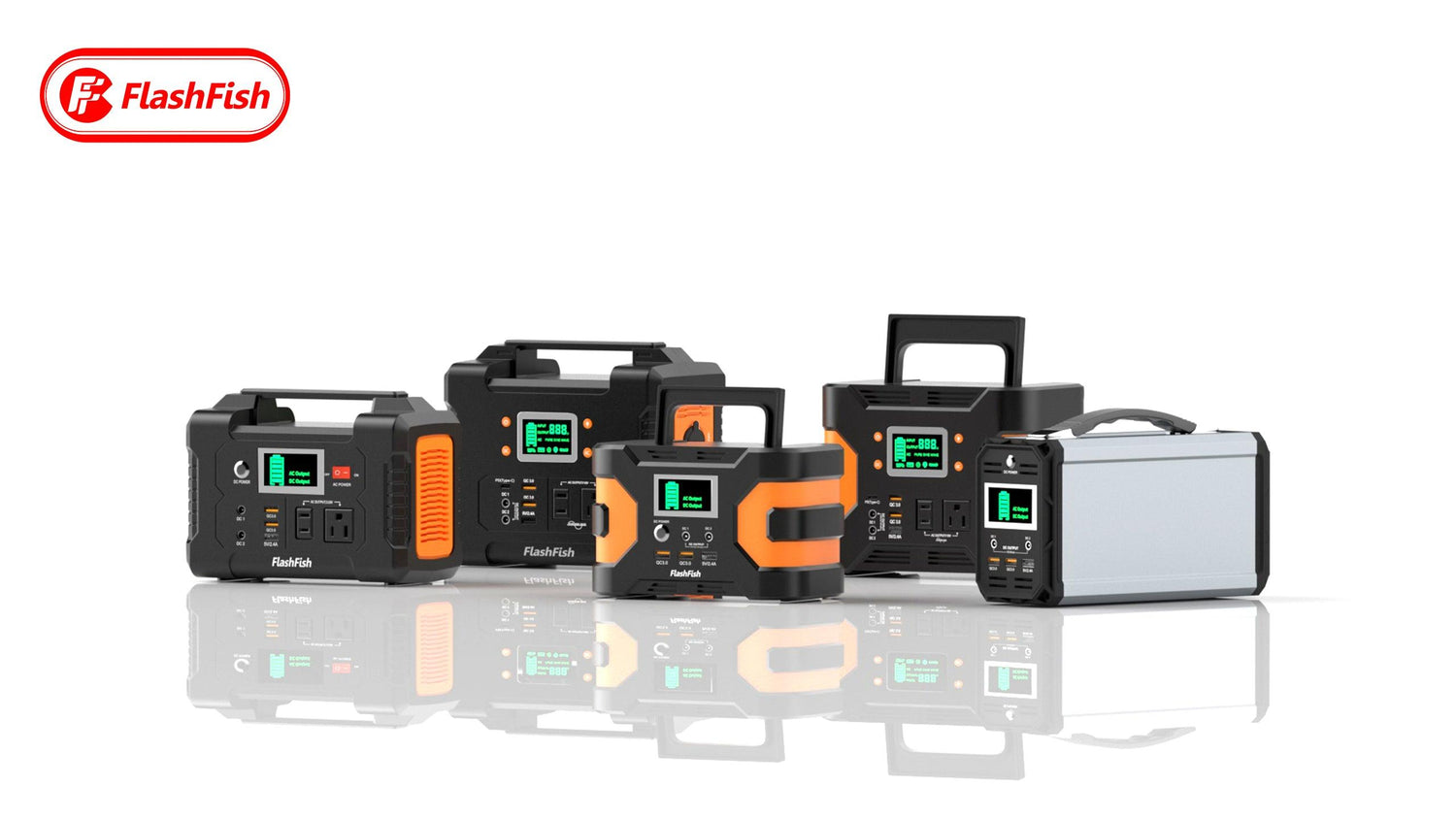
FlashFish offers portable power stations and solar charging products, but the correct choice depends on the exact records for the devices you intend to connect. Browse the FlashFish portable power station collection, then verify the selected model's current product page and manual. If a required field is missing, contact FlashFish Support before relying on the setup.
Frequently asked questions
Can a portable power station guarantee communication after a disaster?
No. It can provide limited power only when the device, cable, port, and available capacity are compatible. Network availability and emergency-service access remain outside the power station's control.
Can I choose a power station by battery capacity alone?
No. Capacity is one record. You must also check output type, continuous output, port limits, starting demand, connection method, environmental limits, and the powered device's instructions.
Should solar be the only charging plan?
No. Solar availability is variable. Charge equipment before an expected event and plan around conservative priorities, while treating compatible solar input as an additional option.


1 comment
james
Living in northern calf now with each summer fire season, having portable power when power companies are turning off you house power. And with earthquakes and other weather conditions nice to have some backup power. also with so much homeless shelters being built it gives them a chance to have lights and power for their needs. I live full time in my RV and now have 3 Flash fish units and 2 different solar panels. Hoping for Flash fish to make portable 18volt wind power next to give full power to offline living.
Leave a comment
เว็บไซต์นี้ได้รับการคุ้มครองโดย hCaptcha และมีการนำนโยบายความเป็นส่วนตัวของ hCaptcha และข้อกำหนดในการใช้บริการมาใช้